
When it comes to adding curb appeal to your home, there’s no better way to make a statement than with beautifully designed flower beds in front of your house. A well-planned and executed flower bed can not only enhance your home’s exterior but also increase its value. However, designing and installing a stunning flower bed can be overwhelming, especially for those new to gardening or DIY projects. That’s why we’ve put together this comprehensive guide to help you get started.
In the following article, we’ll cover everything from selecting the perfect location for your flower beds to choosing drought-tolerant plants that will thrive in various climates. We’ll also weigh the pros and cons of DIY installation versus hiring a professional to ensure your flower beds look their best. Whether you’re looking to add some color and vibrancy or create a low-maintenance oasis, this guide will provide you with the expert advice you need to create beautiful flower bed plans for your home’s front facade.
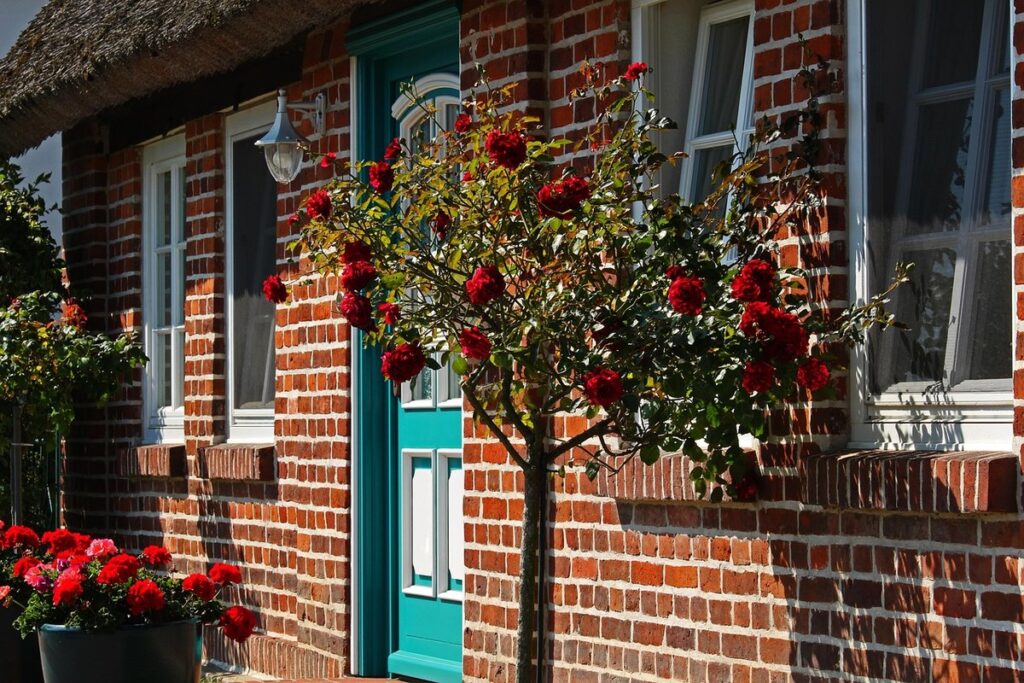
Choosing the Perfect Location
When planning a beautiful flower bed for the front of your home, choosing the right location is crucial to maximize curb appeal and ensure the health of your plants. Consider sunlight, soil quality, and accessibility when selecting the perfect spot.
Understanding Sunlight and Shade Requirements
When it comes to creating a stunning flower bed for the front of your home, understanding the sunlight and shade requirements is crucial. Different plants thrive in various light conditions, so selecting a location that caters to their needs will ensure they bloom beautifully.
To determine the ideal location, observe your yard during different times of day. Note how much direct sunlight or shade falls on each area. Some plants, like roses and lavender, require full sun (six hours or more of direct sunlight) to produce vibrant blooms. Others, such as hostas and impatiens, prefer partial shade (four to six hours of indirect light). Consider the mature size of your plants and leave enough space between them for proper air circulation.
For example, if you have a south-facing wall, it will receive intense sunlight throughout the day. This is perfect for sun-loving plants like marigolds or zinnias. However, if you have a north-facing wall, it will receive gentle morning sun and afternoon shade, making it suitable for partial-shade tolerant plants like ferns or coleus.
When selecting a location, keep in mind that nearby structures can impact sunlight patterns. Trees, buildings, and even adjacent roofs can cast shadows, affecting the light levels your plants receive. Choose a spot with consistent sunlight or provide supplemental lighting to ensure your flowers thrive.
When planning your flower bed, take note of the surrounding environment, including nearby water sources, air circulation paths, and soil types. This will help you make informed decisions about plant placement, ensuring they receive the right amount of light for optimal growth and blooming.
Assessing Wind Direction and Protection
When designing a flower bed plan for the front of your home, it’s essential to consider the wind direction and take measures to protect sensitive plants from harsh winds. This is because strong gusts can cause damage, dry out soil, and even lead to plant loss. To begin with, observe your yard’s natural wind patterns by observing how leaves or debris blow during windy days.
Pay attention to the prevailing wind direction in your area, which is usually influenced by local topography, nearby buildings, and vegetation. You can use an online tool or consult with a nursery expert to determine the dominant wind direction. Once you’ve identified the direction of strongest winds, choose plants that are naturally resistant to wind damage or provide extra protection using techniques such as:
* Planting dense shrubs or hedges on the upwind side
* Using trellises or screens to block direct wind impact
* Selecting wind-tolerant flowers and grasses for exposed areas
* Avoiding placement of sensitive plants near fences, walls, or other structures that can channel winds
By taking these steps, you can create a beautiful and resilient flower bed plan that will thrive in various weather conditions.
Selecting Drought-Tolerant and Low-Maintenance Plants
When selecting plants for your front flower bed, it’s essential to choose varieties that thrive with minimal watering and care. This ensures a beautiful display without excessive maintenance.
Popular Flower Bed Plant Options
When selecting plants for your front flower bed, it’s essential to choose options that are drought-tolerant and low-maintenance. This will save you time and money on watering and upkeep, while also ensuring your flowers remain healthy and vibrant throughout the year.
Succulents are an excellent choice for hot climates, as they store water in their leaves and stems, allowing them to thrive with minimal watering. For example, aloe vera is a popular succulent that can tolerate full sun and requires infrequent watering. Perennials like coneflowers and black-eyed Susans are also great options, as they bloom year after year and require minimal maintenance.
Shrubs like rosemary and lavender are not only drought-tolerant but also fragrant and attractive. They come in a variety of shapes and sizes, making them suitable for different types of flower beds. When selecting plants, consider your local climate and the amount of sunlight your bed receives to ensure you choose options that will thrive in those conditions.
Some popular low-maintenance flower combinations include pairing succulents with perennials or shrubs with grasses.
Considerations for Different Climate Zones
When selecting drought-tolerant and low-maintenance plants for your front flower bed, it’s essential to consider the climate zone you live in. Different regions present unique challenges and opportunities for plant growth.
In hot and dry areas, such as those found in parts of the southwestern United States, plants must be able to withstand extreme temperatures and limited water availability. Succulents like aloe and agave are excellent choices for these regions, as they can store water in their leaves and stems. Other options include drought-tolerant perennials like Texas sage and lantana.
In contrast, cool and rainy areas, such as those found in the Pacific Northwest, require plants that can thrive in damp conditions. Plants with dense foliage or those that prefer moist soil, like hostas and ferns, are well-suited for these regions. Be mindful of overwatering, however, as this can be detrimental to plant health.
In areas with mild winters and hot summers, like the Mediterranean climate zone, plants need to be able to withstand periods of drought followed by periods of rainfall. Plants like lavender and rosemary thrive in these conditions and are low-maintenance options for flower beds.
Designing Your Flower Bed Layout
Now that you have a vision for your flower bed, let’s dive into designing a beautiful and functional layout to bring it all together. This is where creativity and planning come in hand-in-hand.
Balancing Visual Appeal and Functionality
When designing your flower bed layout, it’s easy to get carried away with visual appeal and forget about the importance of functionality. However, striking a balance between the two is crucial for creating a beautiful and low-maintenance outdoor space.
To achieve this balance, consider the accessibility of your flower bed. For example, if you have elderly neighbors or young children who may need to navigate through the garden, make sure to leave enough space between plantings and avoid using plants with thorns or sharp leaves. You can also incorporate pathways made from materials like gravel or brick to create a smooth walking surface.
In addition to accessibility, maintenance is another key aspect of functionality to consider. Choose plants that are resistant to pests and diseases, and group them together in zones based on their watering needs. For instance, place plants requiring frequent watering near a hose or irrigation system, while plants with drought tolerance can be placed farther away from water sources.
By considering both visual appeal and functionality, you can create a beautiful flower bed layout that is enjoyable to use and easy to maintain.
Using Edging Materials for Definition
When it comes to creating a visually appealing flower bed layout for your front yard, using edging materials is an essential step. Edging not only helps define the shape and borders of your flower bed but also adds a finishing touch to your overall design.
There are several types of edging materials you can choose from, each with its own unique characteristics. Plastic edging is a popular choice due to its affordability and ease of installation. However, it may not be as durable as other options and can become brittle over time. Metal edging, on the other hand, offers a sleek and modern look but can be more expensive upfront.
Natural stone edging, such as brick or bluestone, is another option that adds a touch of elegance to your flower bed. Not only does it provide a beautiful border, but it also helps to suppress weeds and maintain soil moisture. When choosing an edging material, consider the style and theme of your home’s exterior, as well as the climate and maintenance requirements of each option.
To get the most out of your edging material, make sure to install it correctly. Start by digging a shallow trench along the perimeter of your flower bed, then lay the edging material in place. Use landscape pins or adhesive to secure the edging, depending on the type you’ve chosen.
Preparing Your Soil for Planting
Before you start planting, it’s essential to prepare your soil properly by loosening and aerating it to ensure healthy root growth. Let’s dive into the simple steps to get your soil ready for your beautiful flowers!
Understanding Soil Types and pH Levels
Soil types and pH levels play a crucial role in creating thriving flower beds. To determine the type of soil you have, start by digging a small hole about 12 inches deep in your front yard. Fill a bucket with the excavated soil and take it to a nearby nursery or gardening store for analysis. They’ll test the soil’s pH level, composition, and nutrient content.
Most plants prefer well-draining soils with a pH between 6.0 and 7.0. If your soil is too acidic (pH below 6.0), add dolomitic limestone to raise the pH. On the other hand, if it’s too alkaline (pH above 7.0), mix in elemental sulfur or peat moss to lower the pH.
For example, a garden with heavy clay soil may require regular mulching and watering adjustments to prevent waterlogged conditions. Similarly, sandy soils may need more frequent fertilization. Understanding your soil type will help you tailor your gardening strategies for optimal results. Regularly test and adjust your soil as needed to create an ideal environment for your flowers to grow.
To take it a step further, consider creating a soil profile map of your front yard, noting areas with different soil types and pH levels. This will enable you to plan specific flower bed designs that cater to each section’s unique conditions.
Adding Organic Matter for Improved Drainage
When it comes to creating a beautiful and thriving flower bed for the front of your home, improving soil drainage is crucial. Poor drainage can lead to waterlogged soil, root rot, and even kill your plants. One effective way to enhance drainage and fertility in your flower bed’s soil is by adding organic matter like compost or mulch.
Compost, made from decomposed plant materials, acts as a natural sponge that absorbs excess water and releases it slowly, preventing waterlogging. It also adds essential nutrients to the soil, improving its structure and overall health. Mulch, on the other hand, helps retain moisture in the soil while preventing weeds from growing. As it breaks down, mulch also adds organic matter to the soil, further enriching its fertility.
To incorporate compost or mulch into your flower bed plan, start by applying a 2-3 inch layer of either material over the entire bed. You can mix compost into the top 6-8 inches of soil for an extra boost. Be sure to choose an organic matter that complements your plant types’ specific needs and climate conditions.
Planting and Maintenance Tips
To bring your flower bed plans to life, you’ll need to know how to plant and maintain them properly, ensuring they thrive all season long. We’ve got you covered with these essential tips and tricks.
Watering Strategies for Drought-Tolerant Plants
When incorporating drought-tolerant plants into your front yard flower bed plan, proper watering is crucial to ensure their survival and thrive during dry spells. Over-watering can be just as detrimental as under-watering, so it’s essential to strike the right balance.
Here are some general guidelines for watering drought-tolerant plants: water them deeply but infrequently. This encourages deep root growth, making them more resistant to drought conditions. Aim to provide about 1-2 inches of water per week, either from rain or irrigation. For example, you can let your plants dry out slightly between waterings, then give them a thorough soaking to moisten the roots.
Keep in mind that specific plant varieties may have different watering needs. Research the particular species you’re planting and adjust your schedule accordingly. Also, consider installing a drip irrigation system, which delivers water directly to the roots, reducing evaporation and runoff. This type of watering strategy will help your drought-tolerant plants stay healthy and vibrant even during prolonged dry periods.
Mulching for Weed Suppression and Moisture Retention
Mulching is one of the most effective and low-maintenance ways to ensure your flower bed remains healthy and vibrant all season long. By applying a layer of organic mulch around 2-3 inches deep, you’ll be able to suppress weed growth significantly. Weeds compete with your flowers for water and nutrients, so removing them manually can be time-consuming. Mulch acts as a barrier that prevents weeds from germinating and growing.
In addition to weed suppression, mulching also helps retain moisture in the soil. When it rains or you water your plants, the mulch absorbs excess water and allows it to seep slowly into the soil, reducing runoff and erosion. This means your flowers will receive consistent moisture levels, reducing the need for frequent watering. To get the most out of mulching, remember to replenish the layer as needed, typically every 6-12 months, depending on the type of mulch you use and weather conditions.
Budgeting and DIY vs. Professional Installation
When it comes to turning your flower bed plan into a reality, you’ll need to decide whether to tackle the installation yourself or hire a professional – each option has its pros and cons.
Estimating Costs for Materials and Labor
When creating flower bed plans for the front of your home, one crucial aspect to consider is estimating costs for materials and labor. This includes not only plant purchases but also edging materials, soil, and potential hire fees for professionals.
To start, let’s break down estimated material costs. A 4×4 foot flower bed can cost anywhere from $50 to $200, depending on the type of plants, soil, and edging you choose. For example, a budget-friendly option like succulents and gravel might cost around $100, while a more elaborate design featuring perennials and wood chips could range from $150 to $250.
As for labor costs, hiring a professional can add an additional $200-$500 or more, depending on the complexity of your flower bed design. However, if you’re comfortable with DIY projects, you can save significantly on labor costs. To estimate material costs accurately, make a list of all necessary materials and research prices at local nurseries or home improvement stores. Additionally, consider the long-term maintenance costs, including watering, pruning, and fertilizing your plants.
Weighing the Pros and Cons of DIY vs. Professional Installation
When it comes to installing a beautiful flower bed for your home’s front yard, one of the most crucial decisions you’ll face is whether to tackle the project yourself or hire a professional contractor. Both options have their pros and cons, which we’ll explore below.
On one hand, taking on the DIY approach can be cost-effective, allowing you to save money that would otherwise go towards labor costs. You also get to choose your own materials and design, giving you complete creative control over the final result. However, this route requires significant time and effort, including excavation work, plant selection, and precise measurement for optimal drainage.
On the other hand, hiring a professional contractor brings expertise, efficiency, and warranty coverage. They’ll handle all aspects of installation, ensuring your flower bed is both visually stunning and structurally sound. Nevertheless, this option comes with higher upfront costs, which may be a significant investment for homeowners on a tight budget.
Ultimately, the decision between DIY and professional installation depends on your time, budget, and skill level. If you have experience with gardening and landscaping, taking on the project yourself might be a viable option. However, if you’re short on time or unsure about specific details, it’s often wiser to seek the guidance of a qualified contractor.
Frequently Asked Questions
What if I don’t have any gardening experience? Can I still create beautiful flower beds for my home’s front facade?
Don’t worry, you can still create stunning flower beds even with no prior gardening experience. Start by selecting a few easy-to-grow plants and follow the basic principles outlined in this guide. As you gain more experience, you can experiment with new varieties and techniques.
How often should I water my drought-tolerant plants during periods of extreme heat or dry spells?
The frequency of watering depends on various factors like soil type, plant species, and climate conditions. In general, it’s best to water your drought-tolerant plants deeply but infrequently to encourage deep root growth and make them more resilient.
Can I use any type of mulch for my flower beds, or are there specific recommendations?
Not all mulches are created equal! For optimal results, choose a mulch that complements the color scheme and texture of your plants. Consider using organic mulches like wood chips, bark, or pine straw, as they retain moisture, suppress weeds, and add visual appeal.
How do I balance visual appeal with functionality when designing my flower bed layout?
To strike the perfect balance between aesthetics and function, focus on creating a harmonious blend of plants, textures, and shapes. Consider adding a focal point like a statement plant or water feature to draw the eye, while incorporating pathways or other design elements for easy maintenance.
Can I use pre-made edging materials instead of building my own from scratch?
Yes! Pre-made edging materials can save you time and effort while still providing a professional-looking finish. Choose from various materials like plastic, metal, or brick, depending on your style preferences and budget constraints.