
Peppers are one of the most popular garden veggies, but did you know that having the right companion plants can take them to the next level? A pepper garden is not just about growing individual plants, it’s about creating a harmonious ecosystem where each plant benefits from its neighbors. By choosing the right companion plants, like basil and chives, you can improve soil health, keep pests at bay, and attract pollinators to boost your harvest. Marigold, with its bright blooms, is another natural pest repellent that can protect your peppers from nematodes and other pests. In this article, we’ll explore the world of companion plants for pepper gardens and show you how these beneficial pairings can take your garden to new heights.
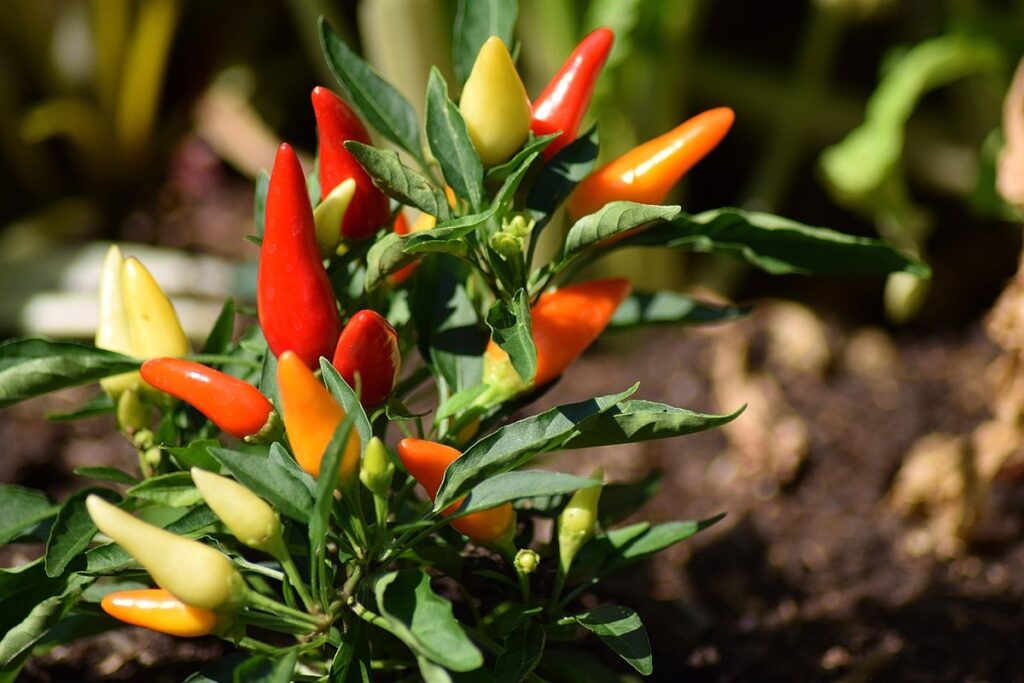
Benefits of Companion Planting for Peppers
When it comes to companion planting, peppers benefit from certain friends that enhance their growth and reduce pest issues, making your garden healthier and more productive. Let’s explore these beneficial partnerships.
Attracting Pollinators
Attracting pollinators to your pepper plants is crucial for their health and productivity. These beneficial insects, including bees, butterflies, and others, transfer pollen between flowers, allowing peppers to produce fruit. Without them, peppers may struggle to set fruit or produce low yields.
Certain companion plants are particularly effective at attracting these pollinators. Basil, with its vibrant purple flowers, is a favorite of bees and butterflies alike. Planting it near your pepper plants will encourage these beneficial insects to visit frequently. Mint and oregano also attract pollinators, thanks to their fragrant flowers and foliage.
To create a pollinator-friendly garden for your peppers:
* Choose companion plants that are native to your region and suitable for your climate.
* Incorporate a mix of annuals and perennials to provide year-round blooms.
* Plant companion plants near the base or around the drip line of pepper plants, allowing for easy access by pollinators.
* Avoid using pesticides, which can harm or kill beneficial insects. Instead, adopt integrated pest management strategies that prioritize natural methods.
By following these tips and incorporating pollinator-friendly plants into your garden, you’ll be well on your way to creating a thriving environment for your peppers.
Repelling Pests Naturally
When it comes to growing peppers, pests like aphids, whiteflies, and spider mites can be a major headache. These tiny critters feed on the sap of pepper plants, weakening them and leaving them vulnerable to disease. But there’s good news: some companion plants are naturally adept at repelling these pests, making your life as a gardener much easier.
Take marigold, for example. Its bright orange and yellow flowers emit a strong scent that repels nematodes, whiteflies, and aphids. Planting marigolds around the perimeter of your pepper bed can create a protective barrier against these pests. Nasturtiums are another excellent choice, their spicy foliage deterring aphids, whiteflies, and squash bugs.
Chives are also worth considering. Their onion-like scent repels aphids and spider mites, making them an excellent companion for peppers. Simply plant chives near your pepper plants to enjoy the benefits of their pest-repelling properties. By incorporating these pest-repellent plants into your garden, you’ll reduce the need for chemical pesticides and create a healthier environment for your pepper plants to thrive.
Improving Soil Health
When it comes to growing healthy pepper plants, having good soil health is essential. But did you know that certain companion plants can actually improve soil health for your peppers? This is where the magic of nitrogen fixation, soil aeration, and moisture retention come into play.
Legumes like beans and peas are perfect examples of companion plants that can enhance soil health. These plants have a unique ability to convert atmospheric nitrogen into a form that’s usable by other plants through a process called nitrogen fixation. By planting legumes alongside your peppers, you’re essentially creating a natural fertilizer source for them. As the legumes grow, they’ll fix nitrogen in the soil, which will then be available to your pepper plants as they need it.
Other benefits of companion plantings like beans and peas include improved soil aeration and moisture retention. Their deep roots help break up compacted soil, allowing air and water to penetrate more easily. This not only benefits your pepper plants but also reduces the risk of waterlogged soil and associated root rot problems. By incorporating these beneficial legumes into your garden, you’ll be creating a thriving ecosystem that promotes healthy plant growth and resilience.
Common Companion Plants for Peppers
When it comes to growing peppers, having the right companion plants can make all the difference in their health and productivity. Here are some popular options to consider.
Basil: The Ultimate Pepper Companion
When it comes to peppers companion plants, few pairings are as iconic and beneficial as basil. This fragrant herb is not only a staple in many Italian and Thai dishes, but it also brings a range of benefits to the garden when grown alongside peppers.
One of the most obvious advantages of growing basil with peppers is the enhancement of flavor. As both plants mature together, the scent of basil can waft into the pepper plants’ leaves, imbuing them with a richer, more complex taste. Many home cooks and professional chefs swear by this combination to add depth to sauces, salads, and stir-fries.
But that’s not all – basil also helps control pests that target peppers. The strong scent of basil repels aphids, whiteflies, and spider mites, protecting your pepper plants from these common garden pests. To reap the full benefits, be sure to plant basil around the perimeter of your pepper bed or interplant it among rows. With a little care, this dynamic duo will have you harvesting flavorful peppers and fragrant herbs in no time!
Chives: A Natural Pest Repellent
Chives are not only a flavorful addition to many dishes, but they also play a crucial role in maintaining a healthy garden ecosystem. One of their most significant benefits is their ability to repel aphids and other pests that target peppers. These tiny insects can quickly multiply and weaken pepper plants, making them more susceptible to disease.
But how do chives help? Chives contain a compound called allicin, which has natural insecticidal properties that keep aphids at bay. Planting chives alongside your peppers can significantly reduce the risk of aphid infestations. Other pests like spider mites and thrips also tend to avoid areas where chives are present.
To reap the benefits of chives as a pest repellent, plant them about 6-8 inches away from your pepper plants. This allows for easy access for beneficial insects to feed on the aphids while still maintaining the pungency that repels pests. By incorporating chives into your garden, you’ll not only enjoy a more balanced ecosystem but also healthier, pest-free peppers.
Marigold: A Drought-Tolerant Companion
Marigolds are an excellent choice as companion plants for peppers, offering numerous benefits that can enhance the overall health and productivity of your pepper plants. One of the significant advantages of growing marigolds with peppers is their remarkable drought tolerance. Marigolds can thrive in dry conditions, making them perfect for areas with limited water supply or during periods of drought. This means you won’t need to worry about overwatering your peppers, which can lead to root rot and other problems.
Marigolds also serve as a natural pest control system, repelling nematodes and other pests that can harm your pepper plants. They release chemicals into the soil and air that deter these unwanted visitors, protecting your peppers from damage. Furthermore, marigolds are rich in nutrients, particularly nitrogen, which can be beneficial for peppers. By incorporating marigolds into your pepper garden, you’ll not only enjoy a healthier crop but also reduce the need for fertilizers and other chemicals.
To get the most out of this combination, simply plant marigold seeds around the perimeter of your pepper bed or intersperse them among your pepper plants.
Choosing the Right Companion Plants
When selecting companion plants for your peppers, it’s essential to choose varieties that complement their growth patterns and needs. This section will guide you through some of the best options.
Consider Climate and Soil Type
When selecting companion plants for peppers, it’s essential to consider the climate and soil type in your garden. These factors significantly impact the growth and health of both the pepper plants and their companions.
In regions with hot and dry climates, choose companion plants that are drought-tolerant and can thrive in full sun. For example, basil is an excellent choice as it’s heat-loving and can tolerate high temperatures. However, if you live in a cooler climate with mild winters, opt for plants like nasturtiums or marigolds, which prefer well-drained soil and partial shade.
Soil type also plays a crucial role in companion planting. If your garden has heavy clay or sandy soils, select plants that are adapted to these conditions. For instance, if you have clay soil, choose companions with deep taproots like comfrey or dandelion, which can help break up the clay and improve drainage.
Additionally, consider the mature size of each plant when selecting companions for peppers. Planting smaller varieties around the base of pepper plants can help shade the soil, reducing moisture loss and preventing weeds from growing.
Selecting Plants for Space Efficiency
When selecting companion plants for peppers, it’s essential to consider their space requirements. Some plants are compact and won’t compete with your pepper plants for room, while others can spread out and dominate the area. For example, basil is a great choice for companion planting as it’s relatively small and can thrive in close proximity to peppers. On the other hand, plants like okra or squash can grow quite large and may need their own dedicated space.
To choose the right companion plants for your peppers in terms of sunlight requirements, look for plants that have similar needs. For instance, if you’re growing hot peppers that require full sun (6+ hours of direct sunlight), pair them with sun-loving companions like tomatoes or eggplants. However, if you’re growing sweet peppers that prefer partial shade, choose companions like lettuce or herbs that also thrive in indirect light.
When it comes to watering requirements, consider plants that have similar needs to your pepper plants. This will help prevent overwatering or underwatering issues, especially in containers. Some examples of low-water companion plants for peppers include rosemary, thyme, and oregano.
Avoiding Incompatible Companion Plants
When selecting companion plants for your pepper garden, it’s essential to avoid certain plants that can be toxic or invasive. Fennel is one such example. While fennel can add a unique flavor to dishes, its anise-like scent repels aphids but also deters beneficial insects from visiting your peppers. Similarly, members of the Brassica family, including broccoli, cauliflower, and kale, release chemicals that inhibit pepper growth.
Another plant to steer clear of is dill. While dill can enhance the flavor of pickled peppers, its tall stalks can shade out peppers, reducing fruit production. Dill also attracts aphids, which can transfer diseases like tobacco mosaic virus to your peppers.
To avoid these issues, choose companion plants that complement rather than compete with your pepper plants. For instance, basil repels pests and adds flavor, while marigolds and nasturtiums attract beneficial insects. Consider the mature size of each plant when planning your garden layout, ensuring there’s sufficient space for all plants to thrive without shading or competing with one another.
Growing Companion Plants for Success
Now that we’ve covered the best companion plants for peppers, it’s time to learn how to grow them successfully, ensuring a healthy and thriving garden. Let’s explore essential tips and tricks for cultivating these beneficial buddies.
Planting at the Right Time
When planting companion plants alongside peppers, timing is crucial to ensure they mature together. This means planting companions at a time that allows them to bloom and produce benefits for the pepper plants when they need it most.
In general, it’s best to plant companion flowers and herbs about 2-4 weeks before or after the last frost date in your area. For example, if you’re growing peppers in a region with an average last frost date of May 15th, plant companions like basil, marigold, or nasturtium in late April or early June.
Consider the growth cycles and seasons when choosing companion plants. Some plants, such as garlic and onions, can be planted in the fall or winter for spring benefits. Others, like tomatoes and peppers themselves, are warm-season crops that thrive in the heat of summer. By matching the planting times with these growing periods, you’ll create a harmonious garden ecosystem where each plant supports the others’ growth and health. This synchronization is key to unlocking a healthy and thriving pepper crop.
Providing Adequate Space and Care
When growing companion plants alongside peppers, it’s essential to provide adequate space for both the pepper and its partner plant. This means allowing enough room for the companion plant to spread out without competing with the pepper for water, sunlight, or nutrients.
Most pepper varieties need at least 18-24 inches of space between each plant, while some compact varieties can thrive in smaller spaces. However, companion plants like basil, mint, and dill require more space to grow. Make sure to leave about 12-18 inches between the pepper plant and its companion for optimal growth.
Proper sunlight is also crucial for both pepper and companion plants. Most peppers need full sun (at least six hours of direct sunlight) while some companion plants like marigold, nasturtiums, and calendula prefer partial shade. Watering needs can vary depending on the specific pepper and companion plant combination, but as a general rule, ensure the soil is moist but not waterlogged.
By providing adequate space, sunlight, and watering for both pepper and companion plants, you’ll create an ideal environment for them to thrive together.
Monitoring and Adjusting Your Companion Planting Strategy
Monitoring the success of your companion planting strategy is crucial to achieving optimal results. As you observe your pepper plants alongside their complementary companions, take note of their growth patterns, pest resistance, and overall health. Look for signs of positive interactions such as increased yields, healthier leaves, or reduced pest damage.
Keep a garden journal to record your observations, noting which combinations are working well and which may need adjustments. For instance, if you’ve paired your peppers with basil, but notice the basil is becoming overshadowed by the pepper’s sprawling habit, consider transplanting the basil elsewhere or pruning the pepper plant to give it more space.
As you gather data on what works and what doesn’t, make informed decisions about adjusting your companion planting strategy. Perhaps you need to reevaluate the spacing between plants or choose different varieties that complement each other better. By being attentive to your garden’s unique dynamics and willing to adapt, you can fine-tune your approach and unlock a thriving pepper crop.
Troubleshooting Common Issues with Companion Plants
If you’re experiencing problems with your pepper plants, don’t worry – we’ve got you covered. This section will walk you through common issues and solutions when growing companion plants alongside peppers.
Identifying Pests and Diseases
As you nurture your pepper plants alongside their companion friends, it’s essential to be aware of potential pests and diseases that can impact their health. Some common culprits include aphids, whiteflies, and spider mites, which thrive on the sweet sap of peppers. These tiny insects can weaken the plant by sucking its nutrients, causing curled or distorted leaves.
Diseases like powdery mildew and bacterial leaf spot are also prevalent. Powdery mildew appears as a whitish-gray coating on the leaves, while bacterial leaf spot causes small, dark spots that may ooze a yellowish fluid. Regularly inspect your plants for these signs, and take action promptly to prevent their spread.
To identify pests or diseases, look for changes in color, texture, or growth patterns. Check the undersides of leaves and stems for eggs, aphids, or spider mite webs. For fungal diseases, ensure good air circulation around plants and avoid overwatering. If you notice any issues, treat with neem oil or insecticidal soap according to the product’s instructions.
Addressing Incompatibility Issues
When growing peppers with companion plants, it’s not uncommon to encounter issues of incompatibility. These problems can arise due to factors like toxicity and invasiveness. One example is the notorious nemesis of many gardeners: the straggly yet attractive mint plant. While its fragrance and flavor are undeniable benefits, mint has a tendency to overcrowd and outcompete pepper plants for water and nutrients.
To address this issue, consider growing mint in a separate container or sectioned-off area to prevent it from spreading too far. Alternatively, if you’re set on having both plants together, choose a peppermint variety like ‘Chocolate Mint‘ that’s less invasive.
Other companion plants can also pose risks due to toxicity, such as basil and its potential for attracting pests away from peppers. Regularly inspect your garden and take note of any unusual growth patterns or pest activity.
Be aware that specific pepper varieties may have varying degrees of tolerance to certain companion plants. For instance, sweet bell peppers are more sensitive than hot peppers when it comes to competing with strong-smelling herbs like thyme.
Tips for a Thriving Companion Planting Garden
When it comes to growing peppers, companion planting can make all the difference between a healthy garden and one struggling with pests and diseases. Here are some key tips to get you started.
Integrate Companion Plants into Your Existing Garden
Integrating companion plants into an existing garden can be done with careful planning to avoid disrupting the ecosystem. Before adding new plants, observe your garden’s current layout and identify areas where companion planting can benefit both existing plants and the overall health of the garden.
Start by selecting companion plants that complement the pepper variety you’re growing, considering factors such as growth habits, space requirements, and pest resistance. For example, basil repels pests that target peppers like aphids and whiteflies, making it an excellent choice for a pepper patch.
When introducing new plants, stagger their placement to avoid overwhelming existing plants with competition for resources. Leave enough space between companion plants and your peppers to allow for proper air circulation and sunlight penetration.
Consider the mature size of each plant when deciding where to place them, taking care not to overcrowd the area. This will prevent shading and root competition that can weaken pepper plants. With thoughtful planning, you can create a harmonious coexistence among your companion plants, enhancing their beneficial effects on each other’s growth and resilience.
Experiment with New Companion Plant Combinations
Experiment with new companion plant combinations to find what works best in your garden. Companion planting is not just about pairing plants that repel pests or attract beneficial insects; it’s also an art of experimentation and discovery.
When growing peppers, you can try combining them with different herbs like basil, mint, and oregano. Basil, for instance, improves the flavor of peppers and repels aphids and other pests. Mint can help mask the scent of your peppers from attracting hornworms, while oregano has natural antifungal properties that prevent diseases.
Another combination to try is pairing peppers with flowers like marigolds and nasturtiums. These bright, cheerful blooms attract beneficial insects and repel nematodes that can harm pepper plants. You can also experiment with combining peppers with other vegetables like tomatoes, cucumbers, and carrots. Some combinations may enhance growth or flavor, while others might not have the desired effect.
Remember to keep a gardening journal to track your experiments and note what works best for you. This will help you refine your companion planting strategy over time and create a thriving garden that’s tailored to your specific needs.
Monitor and Adapt to Changing Conditions
Monitoring the conditions in your companion planting garden is crucial to its success. Weather patterns can greatly impact plant growth and pest populations can fluctuate throughout the season. Keep an eye on temperature fluctuations, as extreme temperatures can stress plants. A sudden drop or rise in temperature can cause damage to pepper plants.
Observe pest populations regularly and be prepared to take action if necessary. Companion planting itself can sometimes attract pests away from your peppers, but it’s essential to monitor for any potential issues. Regularly inspect your garden for signs of infestation, such as holes in leaves or actual pest sightings.
Soil health is also a critical factor to keep track of. Test your soil periodically to ensure optimal pH levels and nutrient balance. Companion plants like marigold and basil can help repel pests, but if the soil is not healthy, they may not be effective. Be prepared to make adjustments as needed to maintain a thriving garden ecosystem.
Frequently Asked Questions
What are some signs that I need to adjust my companion planting strategy?
If you notice a decline in pollinator activity, an increase in pest populations, or poor growth among your pepper plants, it may be time to reassess your companion plant pairings. Consider factors like climate, soil type, and available space when adjusting your strategy.
How can I ensure that my companion plants are getting enough water?
Companion plants often have different watering needs than peppers. Make sure to research the specific requirements for each species, and water accordingly. Avoid overwatering, which can lead to root rot and other issues in sensitive plants like marigold.
Can I grow companion plants in containers alongside my pepper plants?
Yes, many companion plants thrive in containers and can be used to complement your pepper garden. Just ensure that the container is large enough for each plant’s needs, and provide adequate drainage to prevent waterlogged soil.
How do I know if a companion plant is attracting pests instead of repelling them?
Monitor your plants closely for signs of pest infestation, such as holes in leaves or stems, or actual insects on the plants. If you notice an increase in pests after introducing a new companion plant, it may be attracting rather than repelling them – try removing the plant and replacing it with a different species.
Can I use companion planting to address specific pest issues, like nematodes?
Yes, certain companion plants are specifically effective against nematodes, such as marigold. Plant these species in areas where nematode infestations have been identified, and consider integrating other beneficial microbes into your soil to support the health of your pepper plants.