
When starting your seeds indoors, providing the right amount of light is crucial for their growth and development. As a gardener, you’ve likely considered the options when it comes to grow lights for seedlings, but which one is best? LED or fluorescent grow lights are popular choices, each with its own benefits and drawbacks. Understanding the differences between these two types of lighting will help you make an informed decision for your indoor garden. In this article, we’ll compare the pros and cons of LED and fluorescent grow lights specifically designed for seedlings, helping you choose the right lighting type for optimal growth. Whether you’re a seasoned gardener or just starting out, choosing the right light can be the difference between successful seedlings and struggling plants.
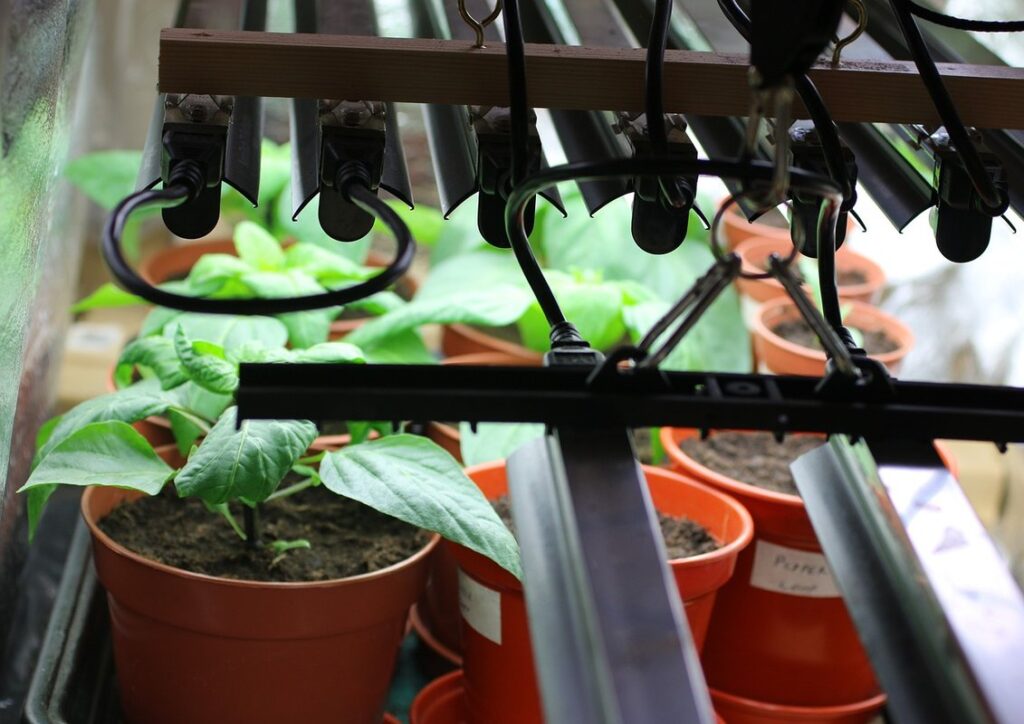
Choosing the Right Grow Light Type
When selecting a grow light for your seedlings, it can be overwhelming with all the options available – LED, fluorescent, and more. Let’s break down the key differences between them to make your decision easier.
Understanding Seedling Lighting Needs
Seedlings rely heavily on light to undergo photosynthesis, a process that converts carbon dioxide and water into glucose and oxygen. This is essential for growth and development, as seedlings use the energy from sunlight to build their tissues and store nutrients. However, not all light is created equal, and the intensity of light can significantly impact growth.
Seedlings typically require 12-14 hours of light per day, but it’s crucial to maintain a balance between light and darkness. Insufficient light can lead to weak and leggy growth, while too much light can cause burning or stress.
To meet seedling lighting needs, choose a grow light that provides the right spectrum and intensity for your plants. For example, LED lights with a high PPFD (photosynthetic active radiation) rating are ideal for seedlings, as they provide intense light without excessive heat.
Factors to Consider When Selecting a Grow Light Type
When selecting a grow light type for your seedlings, there are several key factors to consider. First and foremost is energy efficiency. LED grow lights are significantly more efficient than fluorescent lights, using up to 50% less power while producing the same amount of light. This not only saves you money on your electricity bill but also reduces your carbon footprint.
Another important consideration is lifespan. LEDs can last anywhere from 25,000 to 50,000 hours, whereas fluorescent lights typically need to be replaced every 10,000 to 15,000 hours. This means that with LED grow lights, you’ll spend less time and money on maintenance.
Heat emission is also a crucial factor, especially when growing sensitive seedlings. Fluorescent lights can get extremely hot, which can damage your plants or even start a fire. LEDs, on the other hand, emit very little heat, making them a much safer choice for indoor gardening.
LED Grow Lights: Advantages and Disadvantages
LED grow lights are often touted as a superior choice for seedlings, but do they live up to the hype? Let’s explore their advantages and disadvantages.
Energy Efficiency and Cost Savings
When it comes to growing seedlings, energy efficiency and cost savings are crucial considerations for growers. LED grow lights have gained popularity in recent years due to their significant benefits in these areas.
One of the most notable advantages of LED grow lights is their low power consumption. On average, LED grow lights use 50-70% less electricity than fluorescent grow lights. This translates to substantial cost savings over time, especially for large-scale growers or those running multiple grow spaces. For example, a 4′ x 8′ grow space equipped with LED grow lights can save up to $1,000 per year on energy costs compared to fluorescent lighting.
Another benefit of LED grow lights is their long lifespan, typically lasting between 25,000 to 50,000 hours or more, depending on the manufacturer and quality. This means less frequent replacements and reduced maintenance costs for growers. To make the most of LED grow lights’ energy efficiency, consider using a timer to optimize lighting schedules and ensure plants receive the right amount of light during their growth stages. By doing so, you can further minimize energy waste and maximize your cost savings.
High Intensity and Flexibility
LED grow lights offer an unparalleled level of flexibility and control when it comes to providing high-intensity light for your seedlings. One of the key advantages of LED grow lights is their ability to produce a wide range of spectrums, allowing you to tailor the light output to meet the specific needs of your plants.
For instance, if you’re growing seedlings that require more blue spectrum to promote healthy leaf growth, an LED grow light can be programmed to emit more blue light. Conversely, if you need to stimulate flowering and fruiting, a warmer white or red spectrum can be utilized. This level of precision is particularly useful for seedlings, which are highly sensitive to their environment.
Moreover, LED grow lights offer adjustable intensity settings, allowing you to gradually increase the light output as your seedlings mature. This gentle transition helps prevent shock and ensures optimal growth. By leveraging these features, you can create a customized growing environment that caters to the unique needs of each stage of your seedling’s development.
Fluorescent Grow Lights: Pros and Cons
When it comes to fluorescent grow lights, you’ll want to consider both their benefits and drawbacks before deciding if they’re right for your seedlings. Let’s weigh the pros and cons of these popular lighting options.
Long Lifespan and Affordable Upfront Cost
When it comes to fluorescent grow lights, one of the standout advantages is their exceptionally long lifespan. Typically lasting anywhere from 20,000 to 30,000 hours, these lights can provide years of reliable service for your seedlings without needing replacement.
Another significant perk of fluorescent grow lights is their relatively low upfront cost. Compared to LED options, which often come with a higher price tag, fluorescent lights are generally more budget-friendly. This makes them an attractive choice for gardeners on a tight budget or those just starting out.
In addition to their affordability and long lifespan, fluorescent grow lights also tend to be quite energy-efficient. They use significantly less power than some other types of grow lights, which can help you save money on your electricity bill over time.
To get the most out of your fluorescent grow lights, it’s essential to choose a high-quality option that’s specifically designed for indoor growing. Look for lights with adjustable spectrum and dimming capabilities, as these will allow you to tailor the light output to suit the specific needs of your seedlings.
Limited Intensity and Cooling Requirements
When it comes to providing high-intensity light for seedlings, fluorescent grow lights have some limitations. One of the main drawbacks is their inability to produce a high light intensity, which can lead to stunted growth and reduced yields. For example, a standard T5 fluorescent grow light typically emits around 2-3 watts per square inch, whereas LED grow lights can emit up to 20-30 watts per square inch.
Another issue with fluorescent grow lights is the need for additional cooling systems. Because they tend to produce more heat than other types of grow lights, fluorescent fixtures often require exhaust fans or air conditioning units to keep the temperature within a safe range for seedlings. This can add extra cost and complexity to your growing setup. If you do choose to use fluorescent grow lights, make sure to monitor their temperature output closely and take steps to prevent overheating, such as keeping them at least 12-18 inches away from your seedlings.
LED vs Fluorescent: A Comparison of Spectra and Efficacy
When choosing grow lights for your seedlings, it’s essential to consider the light spectrum and efficacy of different types of bulbs. We’ll break down the key differences between LED and fluorescent options.
Spectrum Options and Impact on Plant Growth
When it comes to choosing grow lights for seedlings, understanding the spectrum options available with LED and fluorescent lights is crucial. The two primary types of light spectrums used by growers are broad-spectrum (BS) and single-band (SB). Broad-spectrum grow lights emit a balanced spectrum, similar to natural sunlight, which promotes healthy plant growth. They typically have a wider range of colors, including blue, red, green, and yellow.
In contrast, single-band grow lights focus on a specific wavelength, often in the blue or red spectrum. These lights are ideal for seedlings as they promote root development and stem elongation. However, they can lead to imbalanced growth if used alone. For example, using only blue light will result in weak stems but robust roots.
If you opt for LED grow lights, consider purchasing a BS model that combines multiple colors, including red, blue, green, and yellow. Fluorescent grow lights also offer BS options, which provide an even spectrum for seedlings. When choosing between these two options, prioritize your specific needs: if promoting healthy growth is your top priority, go with BS; for targeting root development or stem elongation, single-band might be a better fit.
Measuring Efficacy: Lumen Output and PAR Values
When it comes to measuring the efficacy of grow lights for seedlings, two key metrics come into play: lumen output and PAR (Photosynthetic Active Radiation) values. Understanding these values will help you make an informed decision when choosing between LED and fluorescent grow lights.
Lumen output measures the total amount of visible light emitted by a light source. It’s essential to consider this value because seedlings require sufficient visible light to undergo photosynthesis. A higher lumen output generally indicates a more effective grow light. However, keep in mind that excessive lumens can lead to over-stimulation and stress for young plants.
PAR values, on the other hand, specifically measure the amount of light within the 400-700 nanometer spectrum, which is essential for photosynthesis. This value is critical because it directly impacts plant growth. A higher PAR rating indicates a more efficient grow light that can promote healthy seedling development. When selecting a grow light, look for models with high PAR values (measured in micromoles per second) and consider the distance between the light source and your seedlings to ensure optimal lighting.
In practical terms, if you’re using an LED grow light, look for models with high PAR values (around 500-700 μmol/s) and a lumen output of at least 10,000 lumens. For fluorescent lights, aim for a lumen output of around 1,000-2,000 lumens and a PAR value of around 100-200 μmol/s.
Setting Up and Using Your Grow Light
Now that you’ve chosen your grow light, let’s get started on setting it up and using it effectively to support your seedlings’ growth. This step-by-step guide will walk you through the process.
Placement and Orientation Considerations
When setting up and using your grow light, proper placement and orientation are crucial to maximize its effectiveness. Place the light at a suitable distance from your seedlings – typically between 6-12 inches above the plants’ canopy, depending on the type of growth stage they’re in. LEDs can be used at closer distances due to their focused beam pattern.
To minimize heat buildup and prevent scorching, ensure good air circulation around the grow area. Keep a distance from any walls or obstacles that could block air flow. Aim for an optimal temperature range between 65-75°F (18-24°C) for most seedlings.
If you’re using a fluorescent light, keep it at least 12 inches away to prevent overheating. Fluorescents tend to produce more heat than LEDs and can cause damage if not properly ventilated. When orienting the grow light, ensure that the light source is positioned parallel to the growing direction of your plants.
Dimming and Scheduling Options
When it comes to optimizing growth and preventing overheating for your seedlings, dimming and scheduling options are crucial features to consider when choosing a grow light. These features allow you to fine-tune the light’s output to match the needs of your plants at different stages of development.
Dimming capabilities enable you to adjust the intensity of your grow light to suit specific growth phases. For example, during the seedling stage, it’s essential to provide gentle, low-intensity light to prevent burning or over-stimulation. As your seedlings mature into vegetative growth, you can gradually increase the light intensity to promote healthy development.
Scheduling options, on the other hand, enable you to program a lighting schedule that simulates natural daylight patterns. This helps regulate your plants’ circadian rhythms, encouraging them to grow and thrive. Some grow lights also come with built-in timers or allow for remote scheduling through mobile apps, making it easy to adjust the lighting cycle as needed.
By taking advantage of dimming and scheduling options, you can create a tailored growing environment that optimizes seedling growth and minimizes the risk of overheating.
Tips for Getting the Most Out of Your Grow Light
To get the most out of your grow light, consider these essential tips for optimizing its performance and ensuring healthy growth for your seedlings. By following these simple guidelines, you can boost your plant’s potential.
Monitoring Temperature and Humidity
When using a grow light to nurture your seedlings, it’s essential to monitor temperature and humidity levels. These conditions significantly impact plant growth, and fluctuations can be detrimental to their development.
Most LED grow lights have built-in thermostats that help regulate temperature between 65°F to 75°F (18°C to 24°C). However, if you’re using a fluorescent grow light, it’s crucial to ensure the surrounding area remains at an optimal temperature. You can use a thermometer to check and maintain the ideal range.
Maintaining humidity levels is equally important. Seedlings need high humidity (around 70-80%) during the first few weeks of growth. To achieve this, you can place the grow light in a covered area or use a humidifier specifically designed for plants. It’s also vital to ensure good air circulation around the seedlings to prevent moisture buildup.
Regular monitoring and adjustments will help create an optimal environment for your seedlings to thrive under LED or fluorescent lighting. By keeping a close eye on temperature and humidity levels, you’ll be able to provide the best conditions for your seedlings to grow strong and healthy.
Regular Maintenance and Cleaning
Regular maintenance and cleaning of your grow light is crucial to ensure its longevity and effectiveness. A dirty grow light can lead to reduced light output, decreased plant growth, and even damage to the light itself.
To maintain your grow light, start by inspecting it regularly for dust buildup. Use a soft-bristled brush or a dry cloth to gently remove any debris that may have accumulated on the lenses or housing. For tougher stains, mix a solution of mild soap and water, but avoid getting any liquids into the electrical components.
Clean the reflectors and diffusers every 1-2 weeks, as these can easily become clogged with dust. You should also check the cables and connections for signs of wear or damage. Regular cleaning will not only extend the life of your grow light but also ensure it continues to provide optimal light for your seedlings.
Remember, a clean grow light is an efficient one!
Frequently Asked Questions
What are some general guidelines for choosing the right spectrum for my LED grow light?
When selecting a spectrum, consider the type of plants you’re growing and their specific needs. For example, seedlings often require a broader spectrum with more blue light to promote healthy growth. Additionally, look for lights with adjustable spectrums or multiple settings to accommodate different stages of plant development.
How can I determine if my LED grow light is actually increasing the efficacy of my lighting setup?
Efficacy is measured in terms of PAR (Photosynthetic Active Radiation) values and lumen output. Compare these metrics between your current and new LED lights, and consider using a PAR meter to measure light intensity at different distances from the plants.
What’s the recommended distance for placing fluorescent grow lights above seedlings?
The ideal distance depends on the specific light model and its intended use. As a general rule, place fluorescent lights 12-24 inches above seedlings, taking into account their growth stage and required light intensity.
Can I mix different types of grow lights (e.g., LED and fluorescent) in a single setup to get the best of both worlds?
While it’s technically possible, mixing different lighting types can be challenging due to varying spectra, intensities, and heat output. Instead, choose one type that meets your specific needs or consider layering multiple units with compatible spectrums and wattages.
How do I balance energy efficiency with the overall performance of my grow light?
When choosing between LED and fluorescent options, evaluate their respective efficacy ratings (in lumens per watt) to ensure you’re getting a high-energy-efficient option that balances power consumption with desired light intensity. Additionally, consider factors like heat management, cooling requirements, and lifespan to optimize your lighting setup.