
Growing juicy tomatoes in containers is a game-changer for gardeners with limited space or those who want to add some flexibility to their gardening routine. Not only can you enjoy fresh, delicious tomatoes all season long, but container gardening also allows you to control the soil quality and fertilizer application – key factors in producing a bountiful harvest. But growing great-tasting tomatoes in containers requires more than just throwing a few seeds into a pot. In this comprehensive guide, we’ll walk you through everything from selecting the right container and preparing the perfect soil mix, to fertilizing your plants for optimal growth and preventing common pests and diseases that can damage your crop. Whether you’re a seasoned gardener or just starting out, our expert advice will help you grow the juiciest tomatoes possible in even the smallest of spaces.
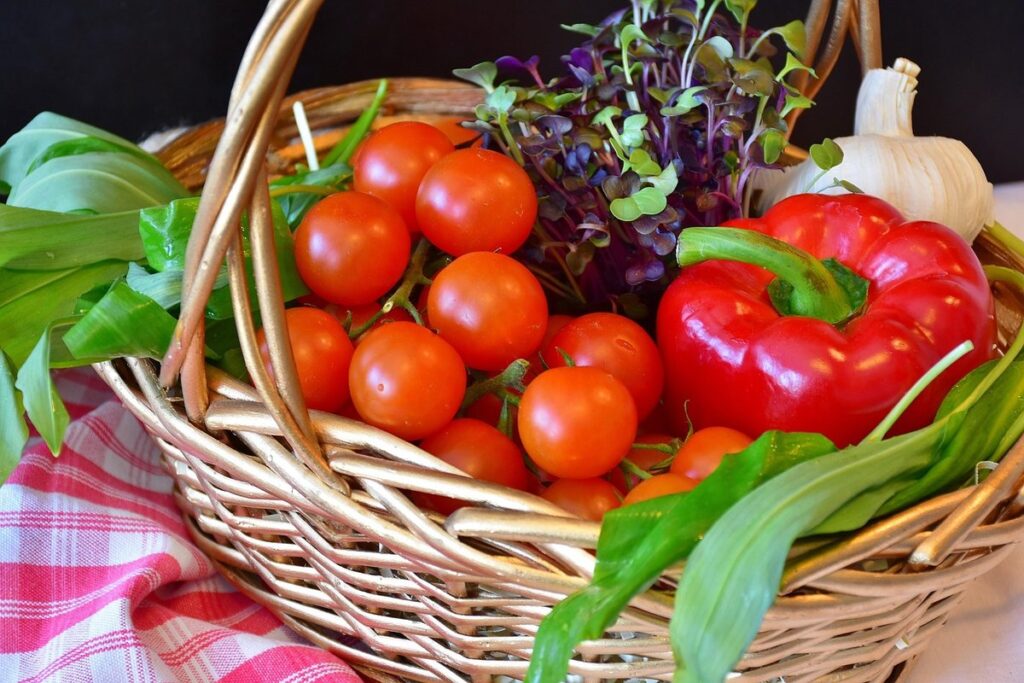
Choosing the Right Container
When it comes to growing tomatoes in containers, selecting the right container is crucial for a successful harvest. Let’s talk about what to consider when choosing your pot.
Selecting a Suitable Size
When selecting a container for growing tomatoes, it’s essential to choose one that can accommodate the mature size of the plant. A good rule of thumb is to look for containers that are at least 12-18 inches deep and have a diameter of around 24-36 inches. This will provide enough room for the roots to grow and allow the plant to reach its full potential.
Make sure to consider the specific tomato variety you’re growing, as some can get quite large. For example, beefsteak tomatoes can spread out to be over 3 feet wide, so a larger container is necessary to give them enough space to grow without becoming pot-bound.
In addition to size, don’t forget about air circulation. Tomatoes need good airflow around the plant to prevent diseases like fungal infections and powdery mildew from taking hold. Look for containers with drainage holes to ensure excess water can escape, and consider placing the container in a location that gets at least 6 hours of direct sunlight per day.
Keep in mind that over-crowding is common when growing tomatoes in containers, as it’s easy to underestimate their mature size. To avoid this, start with smaller seedlings or give your plants plenty of space to grow by staggering them out in the container. This will help prevent competition for resources like water and nutrients, allowing your tomatoes to thrive.
Material Considerations
When it comes to choosing the right container for growing tomatoes, material is a crucial consideration. Different materials can affect soil temperature, drainage, and overall plant health, which can impact your tomato crop’s success.
Plastic containers are lightweight and inexpensive, making them a popular choice for container gardeners. However, they can heat up quickly in direct sunlight, potentially causing the roots to cook and leading to root damage or even death. To mitigate this risk, you can paint the plastic container with a light color or use a reflective material to deflect some of the sun’s rays.
Wooden containers offer better insulation than plastic ones but can be prone to rot if not properly treated. They also tend to dry out faster due to their high water permeability. If you choose wooden containers, ensure they are made from durable, rot-resistant wood like cedar or redwood.
Ceramic and terracotta containers are ideal for tomato plants as they provide good insulation and are less likely to overheat. However, they can be heavy and expensive compared to other options. To make the most of these containers, water them thoroughly before adding soil and plants to reduce the risk of cracking or damage from thermal shock.
When selecting a container, consider the specific needs of your tomato plant. If you live in an extremely hot climate, choose a material that provides good insulation like ceramic or terracotta. In cooler climates, lighter materials like plastic might be suitable.
Container Types and Options
When it comes to growing tomatoes in containers, having the right container is crucial for optimal growth and yield. There are several types of containers available that cater to different needs and preferences.
Self-watering containers are a great option for busy gardeners or those who tend to forget to water their plants. These containers have a built-in water reservoir that allows the plant to draw moisture as needed, reducing the risk of overwatering and underwatering. For example, the Smart Pot self-watering container is a popular choice among container gardeners.
Hanging baskets are another great option for growing tomatoes in containers. They’re perfect for small spaces or for adding a decorative touch to your outdoor decor. Make sure to choose a hanging basket with good drainage holes to prevent waterlogged soil.
Vertical planters are ideal for those who want to maximize their space while still growing multiple tomato plants. These planters can be hung on walls, fences, or even placed on stands. Look for planters with trellises or other support systems to keep your tomato plants upright and healthy.
When selecting a container, consider the size of your tomato plant variety, its growth habits, and how often you’ll be able to water it. Remember, all containers should have good drainage holes to prevent root rot and other issues.
Soil and Fertilization
When growing tomatoes in containers, it’s essential to understand the importance of a good soil mix and fertilization schedule to ensure your plants receive all the necessary nutrients for optimal growth. We’ll dive into these crucial topics next.
Preparing the Potting Mix
When it comes to growing tomatoes in containers, using a well-draining potting mix is crucial for optimal growth. Regular garden soil just won’t cut it – it compacts too easily and can cause root rot when watered, which is a common issue for container gardens.
To prepare the perfect potting mix for your tomato plants, look for one specifically designed for container gardens. These mixes usually have a higher sand content, which improves drainage and aeration, while also preventing waterlogged soil. Some popular ingredients in these mixes include perlite, vermiculite, or coconut coir.
Before using your new potting mix, make sure to sift it to remove any clumps or lumps that may be present. This ensures even moisture distribution and prevents plant roots from becoming constricted. If you’re starting seeds indoors, use a seed starting mix with a finer texture to prevent washing away the tiny seeds.
Also, consider mixing in some compost or well-rotted manure to give your tomato plants an extra boost of nutrients as they grow. This is especially helpful if using containers without built-in water reservoirs, which can leach out essential nutrients over time. By taking these simple steps, you’ll be setting your container tomatoes up for success from the very beginning.
Fertilizing Tomatoes in Containers
When it comes to fertilizing tomatoes in containers, you want to provide them with the right balance of nutrients to ensure a bountiful harvest. Since container-grown tomatoes rely on you for nutrient replenishment, selecting the right fertilizer is crucial.
Organic options like compost tea and fish emulsion are excellent choices for container gardens. Compost tea is a liquid solution made by steeping compost in water, which infuses the soil with beneficial microbes that help break down nutrients. This process can be done at home using a bucket or purchased pre-made. Fish emulsion, on the other hand, is a liquid fertilizer derived from fish waste and high in nitrogen, phosphorus, and potassium (NPK).
For container tomatoes, use a balanced fertilizer with an NPK ratio of 10-10-10. Avoid over-fertilizing as this can lead to weak growth and reduced yields. Mix your fertilizer according to the manufacturer’s instructions and water it into the soil. For optimal results, fertilize every two weeks during the growing season.
Some other nutrients to consider adding to your container tomato garden include calcium and magnesium. These essential minerals help prevent blossom end rot and promote healthy growth.
pH Balance and Nutrient Management
Maintaining optimal pH levels and nutrient management is crucial for container-grown tomatoes. A slightly acidic to neutral soil pH between 6.0 and 7.0 is ideal for tomato growth. However, most potting mixes tend to have a higher pH due to their alkaline nature.
To achieve the right balance, consider adding organic amendments like peat moss or well-rotted compost to lower the pH. On the other hand, if your soil pH is too low, you can use lime to raise it. Keep in mind that these adjustments should be made gradually and under close monitoring.
Nutrient management is equally important. Container soils often lack essential micronutrients like iron, magnesium, and sulfur. Fertilize regularly with a balanced formula, but avoid over-fertilizing, which can lead to nutrient burn and poor fruit quality. Consider using slow-release fertilizers or liquid feeding for more controlled nutrient delivery.
Regular soil testing will help you identify any imbalances and make informed decisions about adjustments. By balancing your container’s pH levels and managing nutrient deficiencies, you’ll be well on your way to growing healthy, productive tomatoes in containers.
Plant Selection and Sowing
When it comes to growing tomatoes in containers, selecting the right variety and sowing them at the right time is crucial for a successful harvest. Let’s dive into the details of plant selection and sowing.
Selecting Tomato Varieties for Containers
When selecting tomato varieties for container gardens, it’s essential to choose types that are specifically bred for compact growth and high yields. Compact tomatoes are perfect for smaller containers and produce a single stem with a few fruits. Patio tomatoes, on the other hand, have a slightly larger habit but still thrive in containers. These varieties are great for larger pots and can produce multiple stems.
Cherry tomatoes are another excellent option for container gardens. They are compact, disease-resistant, and produce an abundance of small fruit. Some popular cherry tomato varieties include ‘Red Robin’ and ‘Sungold’. When choosing a variety, consider the mature size of the plant, growth habit, and days to maturity.
It’s also crucial to check the seed packet or nursery label for specific growing requirements. This will ensure that you’re selecting a variety that’s well-suited to your climate and container size. Some tomato varieties can grow quite large, so it’s essential to choose compact or dwarf varieties if you have limited space.
Sowing Seeds or Seedlings
When it comes to growing tomatoes in containers, you have two main options: sowing seeds directly into the container or starting them indoors as seedlings. Both methods have their advantages and disadvantages.
Sowing seeds directly into the container is a popular choice because it eliminates the need for transplanting and can be more cost-effective. However, it requires a larger container with deeper soil to accommodate the root system of the tomato plant. A good rule of thumb is to sow seeds ¼ inch deep and 1-2 inches apart in containers that are at least 6-8 inches deep.
On the other hand, starting seedlings indoors allows for better control over temperature and light conditions, which can be beneficial for tomatoes. This method also gives you a head start on the growing season, as seedlings can be transplanted outdoors when the weather is warmer. When starting seedlings indoors, sow seeds ¼ inch deep in seed trays or small pots, and provide adequate lighting and warmth until they are ready to be transplanted.
Regardless of which method you choose, make sure to handle the seeds with care and maintain proper spacing to ensure healthy growth.
Hardening Off Seedlings
Before transplanting your seedlings into their final container location, it’s crucial to harden them off. This process allows your young plants to gradually adjust to outdoor conditions, reducing the risk of shock and increasing their chances of thriving.
To begin the hardening off process, start by moving your seedlings from a protected area, such as a greenhouse or indoor potting shed, to a shaded outdoor location for 1-2 hours a day. Gradually increase the duration over the course of 7-10 days, exposing them to direct sunlight and winds.
Monitor your seedlings’ response closely, keeping an eye out for signs of stress like yellowing leaves or droopy stems. If you notice any adverse reactions, slow down the acclimation process.
For example, if it’s been a particularly hot week, consider delaying outdoor exposure until the next day when temperatures are more favorable. By hardening off your seedlings correctly, you’ll ensure they’re better equipped to handle container-specific challenges like reduced soil volume and increased water evaporation rates.
Container Care and Maintenance
Now that you’ve got your tomatoes growing, it’s time to focus on keeping them healthy and thriving. Proper container care is crucial for a bountiful harvest.
Watering Strategies for Containers
Watering container-grown tomatoes requires precision to prevent overwatering and underwatering. A general rule of thumb is to water when the top 1-2 inches of soil feels dry to the touch. However, this can vary depending on factors like climate, pot size, and tomato variety.
To determine the right watering frequency for your container-grown tomatoes, monitor the soil moisture levels by sticking your finger into the soil up to the knuckle. If it’s dry, it’s time to water. Water thoroughly until you see a slight trickle of water coming out of the drainage holes. Avoid getting water on the leaves to prevent fungal diseases.
In hot and sunny weather, you may need to water every other day or even daily for large pots or those with high-water-demanding varieties like ‘Brandywine’. In cooler conditions, you can reduce watering to once a week. Keep an eye on your plants’ response to adjust the frequency accordingly.
Mulching and Pruning
Mulching around tomato containers is an essential practice that offers numerous benefits. It helps retain moisture in the soil, reducing the need for frequent watering and preventing water stress, which can be detrimental to tomatoes. Mulch also suppresses weeds, which compete with tomato plants for nutrients and resources.
To get started, you’ll want to use a thin layer of organic mulch around your container. Good options include straw, bark chips, or grass clippings. Aim for a thickness of about 1-2 inches (2.5-5 cm), making sure to leave enough space around the plant’s base for air circulation.
Regular pruning is another crucial aspect of maintaining healthy tomato plants in containers. Remove lower leaves to prevent fungal diseases from spreading and encourage horizontal growth, which increases fruiting. Remove suckers – the shoots that grow between the main stem and branches – to promote better air circulation and direct energy towards fruit production.
Prune your tomato plant regularly to maintain its shape and control its size. For indeterminate varieties, prune them back by about one-third after they reach 12-18 inches (30-45 cm) in height. This will encourage bushy growth and more fruiting branches.
Pest and Disease Management
When growing tomatoes in containers, it’s essential to be aware of common pests and diseases that can affect your crop. Container-grown tomatoes are more susceptible to these issues due to their compact environment.
Some common pests that target container-grown tomatoes include aphids, whiteflies, and hornworms. Aphids are small, soft-bodied insects that feed on plant sap, causing curled or distorted leaves. Whiteflies are tiny flying insects that also feed on sap, leaving behind a sticky substance called honeydew that attracts ants and promotes fungal growth. Hornworms are large green caterpillars that chew holes in tomato fruits.
To prevent these pests, ensure your container is clean before planting, and inspect your plants regularly for signs of infestation. For organic control measures, introduce beneficial insects like ladybugs or lacewings, which prey on aphids and whiteflies. Hand-picking hornworms can be an effective way to manage their populations.
Diseases like powdery mildew, fusarium wilt, and bacterial spot also affect container-grown tomatoes. These diseases often spread through water splash, air circulation, or contaminated soil. To prevent disease outbreaks, maintain good hygiene by cleaning tools regularly and washing your hands before handling plants. Use a trellis to improve air circulation around the plant and avoid overhead watering, which can promote fungal growth.
Troubleshooting Common Issues
If you’re experiencing problems with your container-grown tomatoes, don’t worry – we’ve got you covered. This section will address common issues and provide solutions to get your plants back on track.
Identifying Causes of Poor Growth or Fruit Set
When growing tomatoes in containers, it’s not uncommon to encounter issues that hinder their growth or fruit set. One of the most critical steps in troubleshooting these problems is identifying the underlying cause. Nutrient deficiencies are a common culprit, particularly if you’re using a potting mix that lacks essential micronutrients.
For instance, yellowing leaves can be a sign of magnesium deficiency, while interveinal chlorosis (yellowing between leaf veins) may indicate iron or nitrogen deficiency. To address this, incorporate a balanced fertilizer into your regular watering routine, and consider adding a micronutrient supplement specifically formulated for container-grown tomatoes.
Root bound conditions can also stifle growth, especially if you’re using a small pot or repotting your tomato plant too infrequently. Check the root system by gently removing the plant from its container; if the roots have filled the pot to capacity, it’s time to transplant into a larger vessel. Environmental stressors like temperature fluctuations, inadequate light, and excessive water can also impact growth.
If you’re experiencing any of these issues, inspect your tomato plants carefully for signs of distress, and take corrective action promptly to prevent further damage.
Solving Common Problems
When it comes to growing tomatoes in containers, you may encounter a few common problems that can impact the health and productivity of your plants. To address these issues, let’s take a closer look at some practical solutions.
One common problem is leaf yellowing or curling, which can be caused by overwatering or underwatering. To adjust for this issue, ensure you’re not watering too frequently, as this can lead to root rot and nutrient deficiencies. Instead, water your tomatoes when the top 1-2 inches of soil feels dry to the touch. Regular fertilization is also crucial – avoid overfertilizing, but do provide balanced fertilizer once a month.
Another issue that may arise is fungal diseases, such as powdery mildew or early blight. Prune infected areas immediately and ensure good air circulation around your plants by spacing them at least 12 inches apart. Consider using row covers to prevent disease spread. To avoid nutrient deficiencies, make sure your fertilizer contains micronutrients essential for plant growth.
In some cases, tomato growth may be stunted due to inadequate light or nutrients. Consider supplementing with LED grow lights or providing support using a trellis or cage to promote vertical growth and increase yields.
Tips for Maximum Yield
To maximize your container tomato yields, we’ll share essential tips on how to create an ideal growing environment and care for your plants throughout their life cycle. By following these expert suggestions, you’ll be on your way to a bountiful harvest!
Companion Planting Strategies
When growing tomatoes in containers, companion planting is an effective strategy to enhance yields and control pests. By pairing tomatoes with specific plants, you can create a balanced ecosystem that promotes healthy growth and reduces the need for pesticides.
One of the primary benefits of companion planting is pest control. For example, basil repels aphids and whiteflies, which are common tomato pests. Planting basil alongside your tomatoes can help prevent infestations and reduce the risk of disease. Similarly, marigolds repel nematodes, microscopic worms that can damage tomato roots.
Companion plants can also enhance nutrient uptake in container-grown tomatoes. Legumes like beans and peas fix nitrogen in the soil, making it available to tomatoes. Planting a legume with your tomato crop can improve soil fertility and promote healthy growth.
When implementing companion planting strategies in containers, choose plants that have similar growing conditions to your tomatoes. For instance, pair tomatoes with herbs like oregano or thyme, which prefer well-draining soil and full sun. By incorporating companion planting into your container garden, you’ll create a thriving ecosystem that supports the health and productivity of your tomato crop.
Season Extension Techniques
As you’ve successfully grown and harvested your container tomatoes, you’re likely eager to extend their productive season. After all, who wouldn’t want more juicy tomatoes throughout the year? Fortunately, there are several techniques to help you achieve just that.
One popular method is using row covers. These lightweight, porous fabrics allow light in while keeping frost and other harsh elements at bay. Simply drape them over your containers when a chill is forecasted or during an unexpected cold snap. Row covers can also aid in preventing soil-borne diseases from spreading to the plants.
Another technique is utilizing cold frames or unheated greenhouses, if you have one nearby. These structures create a microclimate that protects your tomatoes from extreme temperatures, ensuring they continue to grow and produce fruit even when the outside temperature drops below 50°F (10°C). If not feasible, consider moving your containers under an overhang or a covered patio.
Lastly, indoor grow lights can also come in handy during shorter days. By placing them near your container tomatoes, you’ll provide supplemental lighting that promotes continued growth and flowering. When using grow lights, be sure to keep the light intensity at optimal levels for tomato plants – between 400-600 micromoles per second.
Frequently Asked Questions
Can I use a smaller container for growing cherry tomatoes?
Yes, you can grow cherry tomatoes in smaller containers, but make sure to provide enough room for the roots to grow. A minimum size of 6-8 inches deep and 12-18 inches wide is recommended for compact varieties.
How often should I fertilize my container-grown tomatoes?
Fertilize your container-grown tomatoes regularly, ideally once a week during the growing season. Use a balanced fertilizer (10-10-10) or a tomato-specific fertilizer to provide essential nutrients like nitrogen, phosphorus, and potassium.
What’s the best way to prevent pests in containers?
To prevent pests in containers, inspect your plants regularly for signs of infestation. Use physical barriers like fine mesh or row covers to keep insects away, and consider using organic pest control methods like neem oil or insecticidal soap when needed.
Can I grow tomatoes in containers year-round in cold climates?
While it’s possible to grow tomatoes in containers indoors during the winter months, you’ll need to provide supplemental lighting (e.g., LED grow lights) to promote photosynthesis. Choose varieties that mature quickly (around 50-60 days) and keep your containers in a bright, temperature-controlled area.
How do I know when my container-grown tomatoes are ripe?
Check for ripeness by gently tugging on the fruit; it should come off the plant easily. You can also check the color: most tomato varieties turn from green to their final color (red, yellow, orange, etc.) as they ripen. Regularly inspect your plants and pick your tomatoes when they’re fully ripe for optimal flavor and texture.