
Are you tired of seeing your precious cabbages ravaged by tiny caterpillars? Cabbage worms, also known as imported cabbage worms, can quickly spread and destroy entire crops if left unchecked. Not only do they cause significant damage to your plants, but they can also lead to reduced yields and a lower quality harvest. The good news is that there are many effective methods for controlling cabbage worms in your garden. In this article, we’ll explore some of the best organic and chemical methods to keep these pests under control, including companion planting, natural repellents, crop rotation, and integrated pest management strategies. By the end of this post, you’ll have a solid understanding of how to prevent cabbage worm infestations and protect your garden from these pesky caterpillars.
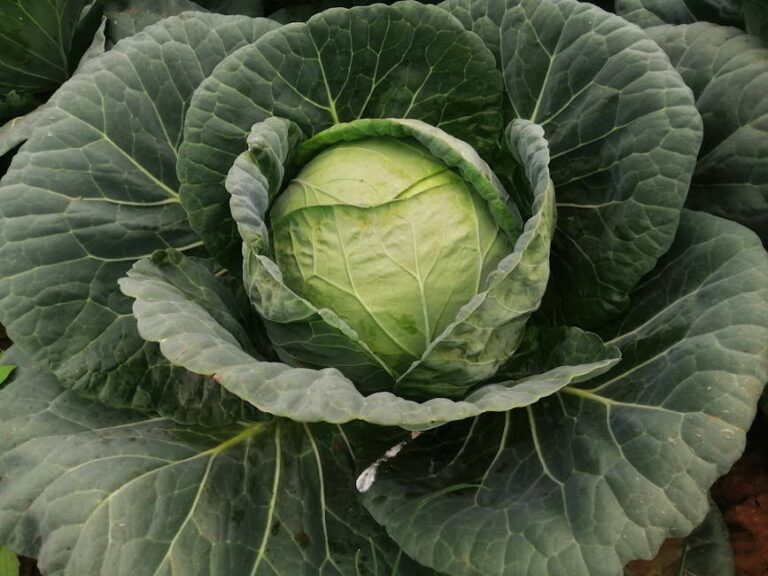
Understanding Cabbage Worms and Their Impact
Let’s dive into what causes these pesky pests, from their life cycle to how they wreak havoc on your precious cabbage crop.
Life Cycle of Cabbage Worms
Understanding the life cycle of cabbage worms is crucial to developing effective control methods. These pests go through four stages: egg, larva, pupa, and adult. The female cabbage worm lays her eggs on the underside of cabbage leaves or nearby plants. After 3-4 days, the eggs hatch into larvae, which are the familiar green caterpillars causing damage to your garden.
The larval stage is the most destructive part of the life cycle, as they feed voraciously on plant tissues, leaving behind a trail of damaged leaves and stems. As they grow, they molt several times before entering the pupal stage. During this period, usually lasting around 10-14 days, the caterpillar transforms into an adult.
Adult cabbage worms emerge from the pupae to begin the cycle anew. They’re responsible for laying eggs on new plants, perpetuating the infestation. To effectively manage these pests, it’s essential to understand their life cycle and take proactive measures at each stage. For instance, monitoring your garden regularly can help you catch the larvae before they cause significant damage, allowing for targeted control methods to be implemented.
Identifying Common Signs of Infestation
When it comes to managing cabbage worms in your garden, early detection is key. However, spotting these pests can be a challenge, especially if you’re new to gardening. To effectively control the population and prevent damage to your plants, it’s essential to recognize the common signs of infestation.
One of the most noticeable indicators of a cabbage worm infestation is holes in the leaves of your cabbage or kale plants. These holes are often irregularly shaped and can be found on both sides of the leaf. If you notice multiple holes on different parts of the plant, it’s likely that you have an infestation on your hands.
Keep an eye out for frass (insect waste) as well – a fine powdery substance that resembles sawdust. Cabbage worms tend to accumulate their waste near the affected areas, making frass a reliable sign of infestation. Finally, be sure to inspect your plants carefully during the day, as cabbage worms are most active at night and often hide on the underside of leaves or in leaf folds during the day.
Regularly checking your plants for these signs will allow you to catch the problem early on, reducing the need for more aggressive control methods later down the line. By being vigilant and knowing what to look for, you can take proactive steps to protect your garden from the devastating effects of cabbage worms.
Organic Methods for Cabbage Worm Control
If you’re looking for a more natural approach to cabbage worm control, we’ve got some effective and eco-friendly methods that’ll help you say goodbye to these pesky pests. Let’s dive into organic solutions that work!
Companion Planting for Cabbage Worm Deterrence
Companion planting is an organic and effective way to deter cabbage worms from your garden. By strategically placing certain herbs and flowers alongside cabbages, you can repel these pests without using chemicals. For instance, calendula and nasturtiums are known to repel aphids and whiteflies, which can attract cabbage worms. Planting basil near cabbages is also a good idea, as it releases oils that deter these pests.
Marigolds, with their strong scent, are another excellent choice for companion planting. They repel nematodes, which can weaken the cabbage plant and make it more susceptible to infestation. When selecting companion plants, consider those that have similar growing conditions to your cabbages, such as sun requirements and watering needs.
To implement this technique effectively, interplant these companion species at regular intervals among your cabbage rows. This will create a barrier that prevents cabbage worms from reaching the main crop. By using a combination of these methods, you can significantly reduce cabbage worm infestations in your garden.
Use of Natural Repellents and Traps
When it comes to controlling cabbage worm populations, many gardeners are turning to natural repellents and traps as a safe and effective solution. One popular option is neem oil, which can be applied directly to plants to repel cabbage worms. Mix neem oil with water according to the label instructions and spray it on leaves to deter these pests.
Another effective natural repellent is garlic spray, which can be made by blending minced garlic with water and letting it sit for a few hours before straining it. This spray can be applied regularly to repel cabbage worms and other pests.
For those who prefer a spicy solution, hot peppers can also be used as a repellent. Simply chop up hot peppers and mix them with water to create a spray that will deter cabbage worms from feeding on your plants.
In addition to natural repellents, homemade traps can also be an effective way to capture cabbage worms without harming them. One simple trap involves using a sticky surface such as honey or corn syrup-soaked cardboard strips to catch the worms. Place these strips near infested areas and replace them regularly to ensure maximum effectiveness. Another option is to use visual attractants like yellow traps, which are designed to lure cabbage worms away from your plants.
Cultural Controls for Cabbage Worm Prevention
To keep cabbage worms at bay, let’s explore some culturally influenced methods that can help prevent infestations without relying on chemicals. We’ll start by looking at crop rotation and companion planting strategies.
Crop Rotation and Planning
Crop rotation is one of the most effective cultural controls for managing cabbage worm populations. By rotating crops, you can break the life cycle of these pests and reduce their numbers over time. Cabbage worms have a specific preference for certain Brassica family members, including cabbage, broccoli, cauliflower, and kale. When these crops are planted in succession without rotation, they provide an ideal environment for cabbage worms to thrive.
To implement effective crop rotation, start by identifying the common weeds in your garden that often serve as hosts for cabbage worms. Remove these weeds before planting any Brassica family members. Then, plan a diverse rotation schedule that includes non-host crops like tomatoes, peppers, and cucumbers. These plants can help suppress cabbage worm populations while providing valuable nutrients to your soil.
For example, plant marigolds alongside your Brassicas to repel nematodes, which attract cabbage worms. Alternatively, use cover crops like clover or rye to trap pests before they reach your target crops. By incorporating crop rotation into your gardening routine, you can create an ecosystem that naturally resists the buildup of cabbage worm populations, ultimately reducing their impact on your thriving garden.
Soil Preparation and Conditioning
When it comes to creating an environment that’s less welcoming to cabbage worms, soil preparation and conditioning play a crucial role. These pests thrive in certain conditions, so by modifying the soil structure and adding beneficial elements, you can make your garden a less appealing spot for them.
Improving soil structure is one of the simplest ways to discourage cabbage worms from setting up shop. This involves increasing the organic matter content through composting or incorporating well-rotted manure into the soil. The added humus helps to break down clay particles and improve drainage, making it more challenging for these pests to establish themselves.
Another effective technique is introducing beneficial microbes to the soil ecosystem. These microorganisms help to decompose organic waste, regulate soil pH, and even produce compounds that repel cabbage worms. You can introduce them through compost tea or by mixing in worm castings into your garden bed. By creating a diverse and thriving microbial community, you’ll be well on your way to discouraging these pests from inhabiting your garden.
Incorporating cover crops is also an excellent strategy for conditioning the soil against cabbage worms. These plants, such as marigolds or radishes, release chemicals that repel nematodes and other pests, including cabbage worms. By planting them as a companion crop before transplanting your cabbage, you’ll create a barrier that will help keep these pests at bay.
Chemical Controls: When Organic Methods Fail
When organic methods just aren’t enough, it’s time to consider chemical controls as a last resort for cabbage worm infestations in your garden. This is where some stronger, targeted options come into play.
Understanding the Risks and Benefits of Chemical Controls
When considering chemical controls as a last resort for cabbage worm infestations, it’s essential to weigh their potential benefits against risks. Chemical pesticides can provide quick relief from pests but come with significant drawbacks.
One of the primary concerns is human health. Exposure to certain chemicals has been linked to various health issues, including cancer and neurological problems. For example, neonicotinoids have been shown to affect fetal brain development in pregnant women. Similarly, pyrethroids can cause skin irritation and allergic reactions.
Another critical consideration is the impact on beneficial organisms like bees and butterflies. These pollinators are essential for a thriving garden ecosystem, and exposure to chemical pesticides can harm or kill them. In fact, studies have shown that neonicotinoids can affect bee behavior and reproduction, leading to colony decline.
If you decide to use chemical controls, it’s crucial to choose products with the least toxicity to humans and beneficial organisms. Always follow the label instructions carefully and take necessary precautions to minimize exposure. However, before resorting to chemicals, explore non-chemical methods of control, such as introducing natural predators or using physical barriers like fine-mesh row covers.
Selecting Safe and Effective Chemicals
When selecting chemicals for cabbage worm control, it’s essential to weigh efficacy against safety and environmental impact. Look for products that contain Bt (Bacillus thuringiensis) or spinosad, which are specifically designed to target caterpillars like cabbage worms while being relatively safe for other beneficial insects.
Consider the label claims carefully, as some products may be labeled as “safe” but still pose risks if not used correctly. Always follow the instructions and take necessary precautions to avoid exposure.
When evaluating chemical options, consider factors beyond just efficacy and safety. The environmental impact of a product is also crucial. For example, choose products that are free from phosphates or other pollutants that can harm aquatic ecosystems.
In terms of user-friendliness, opt for products with clear instructions and minimal handling requirements. This will help minimize exposure to the chemicals while maximizing their effectiveness. Some popular examples include Bt-based products like Dipel or Thuricide, which have been widely used in organic gardening for decades.
Integrated Pest Management (IPM) Strategies
To effectively manage cabbage worms, let’s explore some integrated pest management strategies that combine physical barriers, organic repellents, and biological controls to minimize damage. These methods work together seamlessly.
Combining Methods for Comprehensive Control
When it comes to managing cabbage worms in your garden, relying on a single control method can be counterproductive. Instead, consider combining different techniques – organic and chemical – into a comprehensive Integrated Pest Management (IPM) plan. This approach allows you to tailor your control strategy to your garden’s unique needs.
Start by assessing the severity of the infestation and identifying any underlying conditions that may be contributing to it. For example, if your plants are stressed due to overwatering or nutrient deficiencies, this can make them more susceptible to pest attacks. Once you’ve identified these factors, you can begin integrating different control methods into your IPM plan.
For instance, use physical barriers like row covers to prevent adult moths from laying eggs on your plants. Then, spray insecticidal soap or neem oil directly on the affected areas to kill any existing larvae. If the infestation is severe, consider using a targeted chemical pesticide as a last resort. However, be sure to choose a product that’s specifically labeled for cabbage worm control and follow all safety precautions.
By balancing these different techniques based on your garden’s specific needs, you can create an effective IPM plan that keeps cabbage worms under control while minimizing harm to the environment and your plants.
Monitoring Progress and Adjusting the Plan
Monitoring progress and adjusting the control plan is crucial to maintaining an effective cabbage worm management strategy. To track the success of your efforts, regularly inspect your plants for signs of infestation, such as holes in leaves or actual worms on the plant. Keep a record of the number of worms you observe each week, noting any changes over time.
Observe plant health closely, looking for symptoms like yellowing leaves, stunted growth, and wilting, which can indicate a severe infestation. Also, monitor the types of plants that are most affected by cabbage worms, as this information will help you focus your control efforts on those areas.
As garden conditions change over time, so too should your control plan. For example, if you notice an increase in worm populations during warmer months or following rainfall events, adjust your strategy to incorporate more frequent monitoring and control measures. Similarly, if certain plants consistently show greater susceptibility to cabbage worms, consider using targeted control methods on those plants alone.
Long-term Strategies for Cabbage Worm Prevention
To truly protect your garden from these pesky pests, let’s explore long-term strategies that prevent cabbage worms from becoming a persistent problem in the first place. We’ll dive into proactive measures.
Building Resilient Ecosystems
Building resilient ecosystems that can better withstand pests like cabbage worms is crucial for long-term garden health. One effective approach to achieving this is by introducing beneficial insects into your garden ecosystem. These natural predators and parasites prey on cabbage worms, maintaining a balance between pest populations and the overall ecosystem.
To invite beneficial insects into your garden, consider planting a diverse range of flowers that serve as their food sources. For example, marigolds repel nematodes while attracting hoverflies and lacewings – both predators of cabbage worms. Similarly, dill and fennel attract wasps and parasitic flies that target the pests.
Another approach is to incorporate genetic resistance into your plant varieties. This involves breeding or selecting plants with built-in defense mechanisms against specific pests. For instance, some cabbage breeds possess natural tolerance to certain strains of cabbage worms, thereby reducing the need for chemical control methods.
Introducing beneficial insects and genetic resistance can be achieved through various strategies. One way is by using cover crops to create a welcoming environment for beneficial insects. Cover crops such as radish or oats provide shelter and nutrition for these beneficial species while their roots break up compacted soil, improving drainage.
To maximize the effectiveness of these long-term strategies, it’s essential to monitor your garden closely and identify potential vulnerabilities early on. By introducing beneficial insects and selecting resilient plant varieties, you can create a balanced ecosystem that’s better equipped to withstand pest outbreaks like cabbage worms.
Frequently Asked Questions
How can I know if my cabbage worm control method is working?
Keep a close eye on the affected plants and monitor for any new signs of infestation. Additionally, note any changes in the population size or damage caused by the pests.
Can I use companion planting to prevent future cabbage worm infestations?
Yes! Companion planting can help deter cabbage worms from your garden. Some effective options include planting garlic, radish, or nasturtiums alongside cabbages to repel these pests.
How do I prepare my soil for cabbage worm control?
To create an environment that’s less conducive to cabbage worm infestations, ensure your soil has adequate nutrients and a balanced pH level. This will promote healthy plant growth, making it harder for the worms to cause damage.
Can chemical controls be used in conjunction with other methods for comprehensive control?
Yes! Chemical controls can be effective when used alongside organic methods like companion planting or natural repellents. However, make sure to choose safe and effective chemicals that won’t harm your garden’s ecosystem.
How long does it take to see results from cabbage worm control efforts?
This will depend on the specific method(s) you’re using and the severity of the infestation. With integrated pest management strategies, you may start seeing improvements in as little as a few weeks. However, complete eradication might take several months or even seasons.