
Are you struggling to get your seeds to germinate? You’re not alone. Scarification is a crucial step in seed starting that can make all the difference between a healthy, thriving plant and a stubbornly uncooperative one. By scarifying your seeds, you’re giving them a helping hand in breaking down their natural defenses and getting ready for growth. But what exactly does this process entail? In this article, we’ll take a close look at both mechanical and chemical methods of seed scarification, provide expert tips on post-scarification care, and troubleshoot common issues to help you achieve optimal germination rates. Whether you’re a seasoned gardener or just starting out, learning how to scarify seeds effectively can be the key to unlocking a bountiful harvest – let’s dive in and explore this essential technique together!
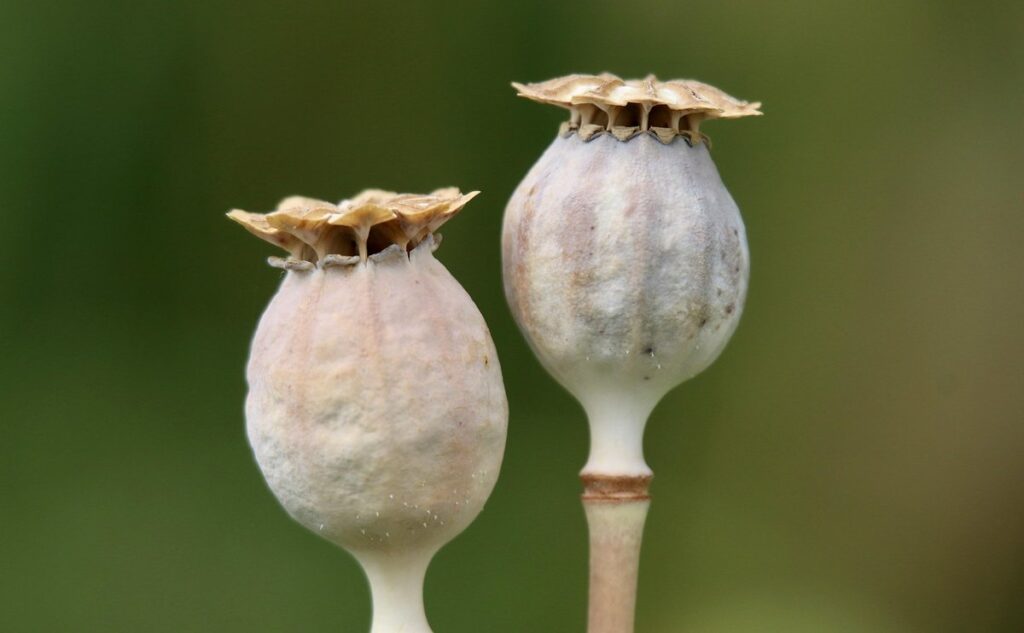
Understanding Seed Scarification
Scarifying seeds requires understanding why it’s necessary and how different seed types respond to treatment. This is where seed scarification techniques come into play, and we’ll break them down for you.
What is Seed Scarification?
Seed scarification is an essential process that helps seeds overcome dormancy and germinate. This technique is particularly useful for seeds with a hard outer layer, known as the testa, which can prevent water or air from reaching the embryo inside.
Imagine trying to plant a seed with a rock-hard shell – it’s like trying to crack open a walnut without any tools! The seed needs a way to break through its tough exterior and access the nutrients and moisture required for germination. That’s where scarification comes in – it gently cracks or softens the outer layer, allowing the embryo to grow.
To understand how seed scarification works, think of it as giving the seed a “kick-start” to help it overcome its dormancy. By weakening the testa, you’re essentially creating an opening for the seedling to emerge. This process is not only beneficial but also necessary for some seeds to germinate at all. In fact, many gardeners and farmers rely on scarification techniques to successfully grow a wide range of plants.
Why Do Some Seeds Need Scarification?
Some seeds need scarification because they have evolved natural defense mechanisms that prevent them from sprouting until conditions are favorable. This is a clever survival strategy that helps the seed ensure its chances of success in the wild.
For example, some seeds have a hard outer coating that’s designed to withstand harsh weather conditions, but this same coating can also prevent water and air from reaching the embryo inside. In these cases, scarification helps break down the coating, allowing the seedling to emerge.
Think of it like a seed’s built-in “wait signal”. If the environment isn’t conducive for growth – say, if there’s too much water or not enough light – the seed will remain dormant until conditions improve. Scarification triggers this wait signal, but only in seeds that truly need it. By identifying which seeds require scarification, you can give them a gentle nudge to help them grow and thrive.
Choosing the Right Seeds for Scarification
When it comes to scarifying seeds, selecting the right ones is crucial – not all seed varieties respond well to this treatment, so choose wisely. Selecting suitable seeds ensures a successful outcome from your efforts.
Selecting Seeds with Dormant Embryos
When selecting seeds for scarification, it’s essential to determine which type of seeds you have and whether they require this process. Different seed types respond better to mechanical or chemical scarification.
Start by researching specific seed types that benefit from scarification. For instance, seeds with hard coats, such as lotus, bamboo, and some varieties of bean and pea seeds, often require mechanical scarification using sandpaper or a nail file. On the other hand, seeds like parsnip, carrot, and celery require chemical scarification to soften their impermeable seed coat.
Some common examples of seeds that benefit from scarification include:
* Lotus (Nelumbo nucifera) – requires mechanical scarification due to its hard coat
* Bamboo (Bambusa spp.) – also benefits from mechanical scarification
* Some bean and pea varieties, such as kidney beans (Phaseolus vulgaris) and garden peas (Pisum sativum), require careful manual scoring or soaking in hot water
Understanding the specific needs of your seed type is crucial to successful germination.
Factors to Consider When Choosing Seeds
When selecting seeds for scarification, it’s essential to consider their size, shape, and material. Larger seeds, such as those from squash or pumpkin varieties, may require more aggressive scarification methods due to their thickness. In contrast, smaller seeds like those from tomatoes or peppers can often be scarified with milder techniques.
Seed shape also plays a role in determining the best scarification method. Seeds with a hard outer coating, such as beans and peas, may need more intense treatment to penetrate the seed coat. On the other hand, seeds with a softer coating, like those from cucumbers or melons, can be scarified using gentler methods.
The material composition of the seed is another critical factor. Seeds made of harder materials, such as stone fruits or nutmeg, may require more force to break through their outer layer. Conversely, seeds with softer materials, such as sunflowers or corn, can often be scarified with minimal effort. By considering these factors, you can tailor your scarification approach to each seed type for optimal results.
Preparing the Seeds for Scarification
To start the scarification process, you’ll need to carefully prepare your seeds by gently drying and softening their outer coats. This involves a crucial step in making them receptive to water.
Cleaning and Sorting Seeds
Before you can even think about scarifying your seeds, you need to make sure they’re clean and sorted properly. This may seem like a tedious step, but trust us, it’s crucial for the success of your seed germination project.
First, remove any debris or dirt from your seeds using a fine-mesh sieve or paper towels. You can gently rub the seeds with a soft-bristled brush to dislodge any stubborn particles. Be careful not to damage the seeds in the process. For example, if you’re working with tiny seeds like those of orchids or African violets, use a pair of tweezers to pick up and clean individual seeds.
Once your seeds are clean, sort them by size and quality. This will ensure that all your seeds receive an even treatment during scarification. Use the fine-mesh sieve again to separate large from small seeds, or sort them manually using paper towels. Discard any damaged or rotten seeds, as these won’t germinate successfully anyway.
Remember, cleaning and sorting your seeds is a time-consuming but essential step in preparing them for scarification. By doing this carefully, you’ll set yourself up for success when it comes to getting those seeds to sprout!
Soaking Seeds (Optional)
Soaking seeds in water is an optional step that can help soften the outer layer, making it easier to scarify. This process is particularly useful for seeds with a hard, impermeable coating, such as beans and peas. To soak your seeds, simply place them in a container filled with room temperature water.
Make sure to leave enough space between the seeds so they don’t stick together. Allow the seeds to soak for 24 hours or up to 48 hours if you prefer a more pronounced effect. It’s essential to be cautious not to over-soak your seeds, as this can damage the seed itself.
As a general rule of thumb, check on the seeds after 12 hours and adjust the soaking time accordingly. If the water has become cloudy or murky, it may be a sign that the seeds are starting to break down. In such cases, drain the water and rinse the seeds with clean water before proceeding with scarification.
Mechanical Scarification Methods
If you’re not comfortable with manual scarification, don’t worry – mechanical methods can be just as effective and often quicker to use. We’ll explore the most popular mechanical tools for seed scarification.
Using Sandpaper or Emery Cloth
When using sandpaper or emery cloth for mechanical scarification, it’s essential to approach the process with care. Start by selecting a fine-grit sandpaper (220-240) or emery cloth specifically designed for seed scarification. Avoid using coarse grits, as they can damage the embryo inside the seed.
Begin by gently rubbing the seed against the sandpaper in one direction only, following the natural curve of the seed. Apply gentle pressure, increasing it gradually if needed. For small seeds, use a single sheet of emery cloth or sandpaper for each scarification attempt. For larger seeds, you may need to repeat the process with multiple sheets.
It’s crucial to monitor your progress and adjust your pressure accordingly. If you notice the seed is becoming too discolored or soft, stop immediately and inspect the area. Over-scarification can lead to damage or even kill the embryo. A successful scarification will typically reveal a slight change in color, usually becoming slightly lighter or more transparent.
By following these guidelines, you’ll be able to effectively use sandpaper or emery cloth for seed scarification while minimizing potential damage.
Using a Seed Scaler or File
For smaller seeds, precision is key when it comes to scarification. This is where a seed scaler or file comes into play. These tools allow for more precise and controlled scarification, making them ideal for delicate seeds.
When using a seed scaler or file, it’s essential to be gentle yet firm. Hold the tool at an angle and carefully scratch the seed coat, taking care not to penetrate too deeply and damage the embryo. A light touch is better than applying too much pressure, which can cause more harm than good. For instance, if you’re working with a tiny seed like a petunia or sweet pea, use a fine-tip file to create shallow scratches along the edge of the seed coat.
To avoid damaging the delicate embryo, it’s crucial to observe the seed’s anatomy. Visualize the tiny root and shoot emerging from the seed coat, and aim your scarification efforts carefully around these areas. Remember, the goal is not to remove a large section of the seed coat but rather to create small scratches that will encourage water and air to penetrate more easily.
Chemical Scarification Methods
Now that you know the basics of physical scarification, let’s dive into chemical methods for breaking seed dormancy and helping your seeds germinate. This section explores popular chemicals used for this purpose.
Applying Acidic Solutions
When it comes to using acidic solutions for scarification, you have two popular options: vinegar and lemon juice. Both can be effective in breaking down the hard outer layer of the seed, but you’ll need to monitor and adjust pH levels as needed.
Vinegar is a common choice because of its acidity level, typically between 2.4 and 3.0 on the pH scale. Mix 1 part vinegar with 2 parts water, and soak your seeds for 24-48 hours. Check on them periodically to ensure the solution isn’t too harsh. If you notice any signs of mold or softening, it’s best to rinse the seeds in warm water.
Lemon juice is another option, but be cautious: its acidity level can range from 2.0 to 2.5. Start with a small amount – about 1 tablespoon per cup of water – and adjust as needed. Keep in mind that lemon juice can be more unpredictable than vinegar, so it’s essential to monitor your seeds closely.
Remember to rinse the seeds thoroughly after soaking, regardless of which acidic solution you choose. This will help remove any excess acid and prevent further damage to the seed. With a gentle touch and careful monitoring, you can successfully use acidic solutions for scarification.
Using Enzyme-Based Scarifiers
When it comes to scarifying seeds using enzyme-based products, you’re working with a specialized tool that can help break down the seed coat. This allows water to penetrate and initiate germination. Some popular examples of enzyme-based products used for scarification include hydrogen peroxide, vinegar, and enzymes specifically designed for this purpose.
Using these products is relatively straightforward: simply mix the recommended amount with water, and then soak your seeds in the solution. Be sure to follow the instructions on the product label, as over-saturation can damage or kill the seed. The enzyme-based product will help break down the seed coat, making it more receptive to moisture.
The benefits of using enzyme-based products for scarification are numerous. They’re often safer and less likely to cause damage than other methods, like mechanical scarification. Additionally, they can be tailored to specific types of seeds, allowing you to choose the right product for your needs. With a little practice and patience, you’ll find that enzyme-based scarifiers are an effective way to get your seeds germinating faster.
Post-Scarification Care
Now that you’ve successfully scarified your seeds, it’s time to give them the best chance at germination by following these simple post-scarification care instructions carefully.
Providing Optimal Conditions
After scarifying your seeds, it’s essential to provide them with optimal conditions to promote germination and healthy growth. To do this, you’ll want to create a warm, humid environment that allows the seeds to absorb moisture and energy.
First, choose a location for your seedlings that receives bright, indirect light. Avoid direct sunlight, as it can cause the soil to dry out too quickly. A south-facing windowsill or under grow lights are ideal options. Maintain a consistent temperature between 65°F to 75°F (18°C to 24°C), which is suitable for most seeds.
Next, water your seeds gently but thoroughly. Make sure the soil is moist but not waterlogged. Overwatering can lead to fungal diseases and poor seedling growth. To check if the soil is ready for water, stick your finger into it up to the first knuckle. If the soil feels dry, it’s time to water.
Keep in mind that some seeds may require more or less moisture than others. Research specific requirements for your seed variety to ensure you’re providing the best conditions for success.
Monitoring for Germination
Monitoring for Germination is an essential part of the post-scarification care process. As seeds begin to break their dormancy and start showing signs of germination, it’s crucial to inspect them regularly. This can usually be observed between 1-14 days after scarification, depending on the type of seed.
Keep in mind that newly scarified seeds require a delicate balance of moisture. They need to stay moist but not waterlogged, as excess water can lead to root rot and other fungal issues. To avoid this, ensure your storage environment is humid yet well-ventilated. A clear plastic bag or a cloth cover can help maintain humidity without creating an ideal breeding ground for mold.
Check on your seeds daily, gently lifting the seed coat with a needle or toothpick to inspect for any signs of emergence. If you notice any visible growth or swelling, it’s likely that germination has begun. Continue to provide consistent moisture and allow the process to unfold naturally. Remember, patience is key – germination can take anywhere from 1-3 weeks, so stay vigilant and be prepared for potential variations in timing.
Troubleshooting Common Issues
Don’t worry if things don’t go as planned – we’ve got you covered with common issues and solutions, from seeds that won’t crack to uneven germination.
Difficulty Achieving Scarification
Scarification can be a finicky process, and it’s not uncommon for seeds to resist treatment. If you’re finding that scarification isn’t going as planned, don’t worry – it’s usually a matter of adjusting your technique or seeking guidance from more experienced gardeners.
One common issue is uneven scarification results. This might manifest as some seeds taking on the desired level of dormancy while others remain stubbornly resistant. In cases like this, try scaling back your scarification efforts and focusing on gentler treatments. For example, if you’ve been using a sandpaper or file to scarify your seeds, switch to a softer cloth or try using a gentle rubbing motion with a cotton swab.
If adjusting your methods doesn’t yield better results, consider seeking advice from fellow gardeners who have experience with scarification. Online forums and social media groups can be great resources for troubleshooting common issues like this – don’t be afraid to ask for help if you’re stuck!
Encouraging Germination
Encouraging Germination
When it comes to scarifying seeds, overcoming challenges related to germination rates is crucial. One common issue is low germination rates due to the seed’s natural dormancy. To address this, you can use growth promoters specifically designed for seed germination.
For example, gibberellic acid (GA3) and ethylene are two popular growth promoters that can stimulate germination. However, be sure to follow the manufacturer’s instructions carefully as excessive usage can harm your plants.
Environmental conditions also play a significant role in seed germination. Most seeds require temperatures between 65°F and 75°F (18°C and 24°C) for optimal germination. Maintaining consistent humidity levels is equally important, with most seeds requiring high humidity to initiate germination.
To further encourage germination, make sure the soil has adequate water retention capacity. Avoid overwatering, which can lead to rot and other issues.
Frequently Asked Questions
Can I scarify seeds that have already started to germinate?
No, scarification should be done before planting the seed, as it is intended to break down the natural defenses of the seed to facilitate germination. If a seed has already begun to sprout, it’s best to handle it with care and plant it directly into the soil.
What if I accidentally over-scarified my seeds? Can they still be used?
If you’ve over-scarified your seeds, it may cause them to become more vulnerable to infection or pests. However, in some cases, the seed may still germinate. To minimize damage, try using a gentle mechanical scarification method like sandpaper and follow optimal post-scarification care instructions.
How long does the scarification process take?
The duration of scarification can vary depending on the method used. Mechanical methods like using a seed scaler or file typically take longer (around 10-30 minutes per seed) than chemical methods, which may require just a few seconds to several hours for treatment.
Can I use scarified seeds in a greenhouse or indoor setup?
Yes, scarified seeds can be successfully germinated indoors with proper conditions. Ensure optimal temperatures (usually between 65°F to 75°F), humidity levels, and light exposure for the specific plant variety.
Do I need specialized equipment for chemical scarification methods?
No, you don’t necessarily require specialized equipment for chemical scarification. However, it’s crucial to exercise caution when handling chemicals like acids or enzymes, following proper safety protocols and dilution instructions to avoid damage or injury.