
Starting seeds indoors can be just as tricky as getting them to grow in the great outdoors. But what if I told you there’s a secret technique that can give your seeds an unfair advantage? It’s called seed stratification, and it’s a game-changer for gardeners who want to increase their chances of successful germination and healthy growth. The process involves simulating the natural conditions that seeds would experience in the wild, such as temperature fluctuations and moisture levels. By following a few simple steps, you can prepare your seeds for optimal growth and ensure they’re ready to thrive when planted outdoors. In this article, we’ll take you through a step-by-step guide on how to stratify seeds, including choosing the right containers, maintaining the perfect conditions, and getting your seeds off to a strong start.
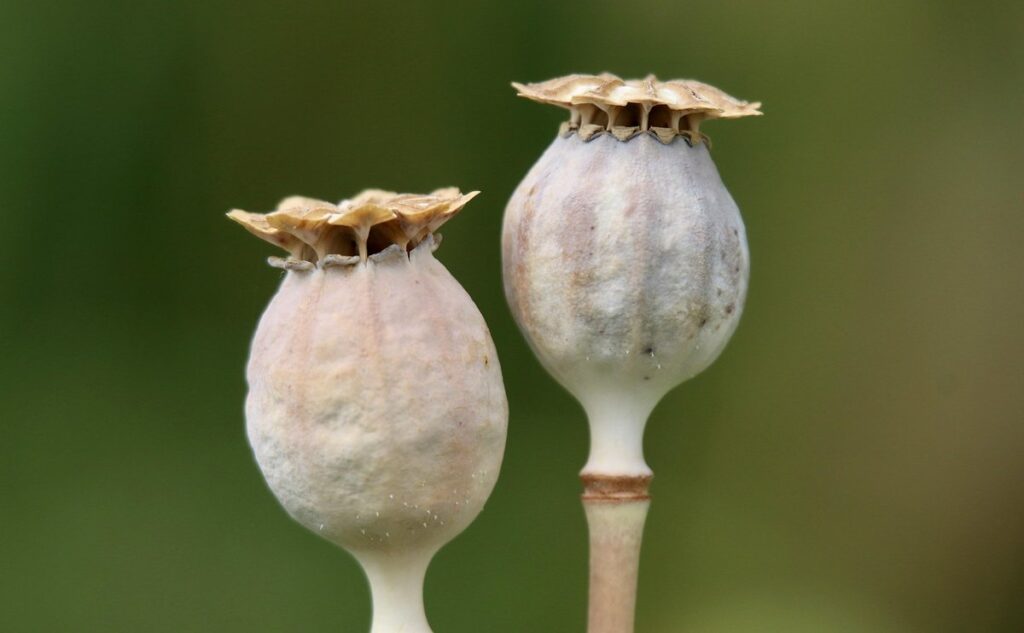
Understanding Seed Stratification
Seed stratification can seem intimidating, but it’s a simple process that helps seeds break dormancy and grow into healthy plants. Let’s dive into the specifics of how seed stratification works in this next step.
Why is Seed Stratification Necessary?
Seed stratification is not just a nicety for seeds that require cold temperatures to break dormancy – it’s an absolute necessity. Without this process, many seed varieties simply won’t germinate, no matter how much care and attention you give them.
The reason for this lies in the natural conditions of winter. For seeds that need cold stratification, the process mimics these conditions by exposing them to a period of cold temperatures. This triggers a biochemical response within the seed, allowing it to break dormancy and prepare itself for germination.
Think of it like a seed’s built-in clock. Just as some plants have an internal timer that tells them when to bloom or grow, seeds have their own timer that signals when they’re ready to germinate. For cold-stratifying seeds, this timer is set off by the cold temperatures. Without seed stratification, you’re essentially keeping this timer on hold indefinitely – and your seeds will never get the signal to start growing.
This is why seed stratification is crucial for gardeners who want to grow a wide range of plants from seed. By providing your seeds with the correct conditions, you can give them the best possible chance at germination and subsequent growth.
Types of Seeds that Require Stratification
Some plants have evolved to survive in regions with mild winters, while others have developed clever strategies to bypass cold temperatures altogether. As a result, not all seeds require stratification to germinate successfully. Orchids and bromeliads are prime examples of this phenomenon.
Orchid seeds, for instance, typically thrive in areas with warm temperatures year-round, eliminating the need for stratification. Similarly, bromeliad seeds have adapted to tolerate mild winters, rendering stratification unnecessary. However, these plants still require specific conditions to germinate, such as high humidity and controlled temperature fluctuations.
When working with seeds that don’t require stratification, it’s essential to pay attention to their unique needs. Research the specific requirements for your chosen plant species, taking into account factors like temperature, light, and moisture levels. By understanding these nuances, you’ll be better equipped to provide the ideal environment for successful germination. This may involve providing warmth, maintaining high humidity, or replicating the plant’s natural habitat through clever potting techniques.
Preparing Seeds for Stratification
To stratify seeds successfully, you’ll first need to prepare them properly by selecting the right seeds and gently cleaning off any debris. This process is crucial for ensuring optimal germination rates.
Cleaning and Storing Seeds
Cleaning and storing seeds properly is crucial for successful stratification. Before you begin the process, make sure to remove any debris, dust, or other contaminants that may be present on the seeds. Use a soft-bristled brush or a small, dry paintbrush to gently sweep away any loose particles. For smaller seeds like those from violas or pansies, you can even use a cotton swab to carefully clean each seed.
If some seeds are particularly stubborn, you can try soaking them in room-temperature water for 24 hours. This will help loosen any debris that’s stuck to the seed coat. Once cleaned, spread the seeds out on a paper towel or coffee filter to air dry completely. It’s essential to store the seeds in an airtight container, such as a glass jar or envelope, and keep them in a cool, dry place until you’re ready to begin stratification. Avoid storing seeds near direct sunlight, moisture, or heat sources, which can damage or compromise their viability.
Choosing the Right Container
When it comes to stratifying seeds, choosing the right container is often overlooked but it’s crucial for maintaining optimal conditions. You’ll want a container that provides the necessary humidity and can be sealed to maintain a consistent temperature.
One popular option is using plastic bags, such as ziplock or storage bags. These are inexpensive, easy to find, and provide excellent moisture retention. Simply place your seeds in the bag, seal it, and store it in the refrigerator for the recommended period. However, if you’re stratifying multiple types of seeds or larger quantities, a glass jar may be a better option.
Specialized seed starting trays can also work well, especially if you plan on continuing to use them for seedlings after stratification. These usually come with built-in moisture retention and are designed specifically for seed germination. When selecting a container, make sure it’s clean and dry before adding your seeds to prevent any contamination or mold growth.
The Stratification Process
Now that you have a clear understanding of why seed stratification is necessary, let’s dive into the process of how seeds undergo stratification. We’ll explore each stage in detail to help you become an expert.
Cold Stratification Method
One of the most widely used stratification methods is cold stratification, and it’s surprisingly easy to do at home. This method involves placing seeds in a refrigerated environment at temperatures between 35°F and 45°F (2°C to 7°C). To start, choose a container or bag that can be sealed tightly, such as a plastic bag or an airtight container. Fill the container with moistened peat moss or a similar seed starting mix, and then add the seeds.
Make sure not to overwater, as this can lead to rot and kill your seeds. Instead, aim for a damp but not soaking wet environment. Seal the container tightly and place it in the refrigerator at the specified temperature range. Check on the seeds regularly, usually every 7-10 days, to ensure they’re not showing signs of germination.
Keep in mind that different seed types may require varying lengths of time under cold stratification. For example, some species like alder, beech, and pine may need up to 12 weeks or more, while others like sunflower and zinnia can germinate within 4-6 weeks.
Warm Stratification Method
For some seeds, warmer temperatures are what’s needed to break dormancy and kickstart germination. If you’re dealing with these types of seeds, the warm stratification method is exactly what you’ll want to use. This involves placing them in a spot where the temperature remains consistent, but above 60°F (15°C) – which is slightly warmer than the cool stratification range.
This is because certain seeds, like those from tropical or subtropical regions, have evolved to germinate in warmer temperatures. By providing these conditions, you’re essentially giving them the signal that it’s time to grow. For example, palm tree seeds and citrus seeds often fall into this category. Simply place the seeds on a tray or dish, and store them in a warm location like an unheated closet, a covered porch, or near a south-facing window.
Just be sure to keep the temperature within the ideal range – between 60°F (15°C) and 80°F (27°C). Avoid placing the seeds in direct sunlight, as this can cause uneven temperatures and potentially scorch the seeds. With consistent warmth and proper humidity, you should start to see germination in a matter of weeks, depending on the specific seed type.
Maintaining Optimal Conditions
Once you’ve started the stratification process, it’s crucial to maintain optimal conditions for your seeds to germinate successfully. This means keeping a consistent temperature and moisture level throughout the period.
Humidity Control
Maintaining high humidity levels is crucial during the stratification period to prevent seed desiccation. Seeds require a certain level of moisture to break dormancy and initiate germination. A humid environment helps to keep the seeds hydrated, allowing them to absorb the necessary water to stimulate growth.
To create a humid microclimate, you can use plastic bags or cloches. Place the seeds in a container or tray, then cover it with a clear plastic bag or cloche. Seal the bag or cover, but not too tightly – you want to allow for some airflow to prevent the buildup of condensation. You can also add a small amount of water to the plastic bag to increase the humidity level.
For example, if you’re using a plastic bag, you can place a damp cloth inside it before sealing it around the container with seeds. This will help maintain a humid environment without overwatering the seeds.
Light and Temperature Monitoring
As you’re waiting for your seeds to stratify, it’s essential to keep an eye on their environment to ensure optimal conditions. Regular light and temperature monitoring is crucial to prevent damage or slowing down the germination process.
The ideal temperature range for seed stratification varies depending on the type of plant. For example, most trees and shrubs require a period of cold stratification between 32°F (0°C) and 45°F (7°C), while some species like tomatoes prefer warmer temperatures around 55°F (13°C). To monitor temperature accurately, you can invest in a thermometer or use a temperature-controlled incubator. Make sure to check the temperature regularly, ideally once or twice a day.
Lighting conditions are equally important. Some seeds require complete darkness during stratification, while others benefit from indirect light. For instance, some varieties of orchids and geraniums need bright, filtered light during this period. To simulate natural conditions, you can cover your seed tray with a cloth or paper bag to block out direct sunlight.
To ensure precise control over light and temperature, consider investing in a grow light or using a heated propagation mat. These tools allow for adjustable settings and will help maintain optimal conditions for your seeds.
Troubleshooting Common Issues
If you’re experiencing issues with seed stratification, don’t worry – we’ve got you covered. This troubleshooting guide will help you identify and fix common problems.
Insufficient Moisture
When stratifying seeds, ensuring they receive adequate moisture is crucial for breaking dormancy and successful germination. One common issue that can arise is insufficient moisture, which can hinder the process altogether.
Firstly, check the humidity levels in the stratification environment to determine if it’s too dry or humid. You can use a hygrometer to measure the relative humidity (RH). A general rule of thumb is to maintain an RH between 50-80% for most seed species.
If the readings are lower than desired, consider increasing the moisture levels by covering the stratification container with plastic wrap or a damp cloth. You can also place it on top of a humid tray or a water-soaked paper towel. Be cautious not to overdo it, as excessive moisture can be detrimental to seed health.
To ensure consistent humidity levels, maintain the stratification area at room temperature and avoid placing it near direct heat sources or air conditioning vents. Regularly inspect the seeds for signs of drying out, such as a wrinkled appearance or reduced growth. If you notice these symptoms, adjust the moisture levels accordingly to keep your seeds in optimal conditions.
Prolonged Stratification Period
Some seeds require more time than others to break dormancy. This prolonged stratification period can be frustrating, especially if you’re eager to get started with planting. However, it’s essential to recognize that some seeds have a natural resistance to germination and need extended periods of cold stratification.
For instance, seeds like those from the ash tree or black walnut require 6-12 months of stratification before they can germinate. It’s crucial not to rush the process, as this can lead to poor seed quality or even failure. To monitor progress, keep a close eye on your seeds for signs of moisture absorption and swelling.
If you’re unsure about the specific requirements for your seeds, research their unique needs or consult with experienced growers in your community. Keep in mind that longer stratification periods often result in more robust seedlings, but it’s also essential to balance this with not overdoing it – 6-9 months is usually the sweet spot for most species.
Regularly inspect your seeds during this extended period and be prepared to adjust your stratification schedule as needed.
After Stratification: Germination and Planting
Now that you’ve successfully stratified your seeds, it’s time to move on to germination and planting them in their new home. Here, we’ll walk through the final steps of bringing your seeds to life.
Monitoring Seed Germination
Monitoring seed germination is a crucial step in the stratification process. As seeds begin to sprout, it’s essential to provide them with optimal conditions for healthy growth. Start by selecting a warm location with indirect sunlight, such as a sunny windowsill or under grow lights. Maintain a consistent temperature between 65°F to 75°F (18°C to 24°C), which is ideal for most seed germination.
Keep the seeds consistently moist but not waterlogged. Check on them daily and gently water when the soil feels dry to the touch. A moisture meter can also be useful in ensuring you’re not over- or under-watering.
Monitor your seeds’ progress closely, looking for signs of germination such as a small white root emerging from the seed coat. This usually occurs within 1-3 weeks after stratification, depending on the type of seed and conditions provided. Remove any dead or weak seedlings to prevent competition for resources and promote healthy growth.
Transplanting Young Plants
Transplanting young plants that have been stratified and germinated is an exciting milestone in their development. As they’ve grown roots and foliage under the right conditions, it’s time to give them more space to thrive.
When transplanting seedlings into individual pots or directly into their final growing locations, make sure the soil is well-draining and rich in organic matter. This will provide a healthy environment for root growth and minimize the risk of waterlogged soil. Gently remove the seedling from its current container, taking care not to damage any tender roots.
If transplanting directly into the ground, choose a location with suitable sunlight and temperature conditions for the specific plant species. Harden off the seedlings by gradually exposing them to outdoor conditions over 7-10 days before transplanting. This will help prevent shock and ensure a smooth transition to their new environment. Water thoroughly after transplanting, and keep the soil consistently moist during the first few weeks as the seedling establishes itself in its new home.
Keep an eye out for any signs of stress or disease, and adjust your care routine accordingly. With proper attention, these newly transplanted seedlings will continue to grow strong and healthy.
Frequently Asked Questions
What if I’m unsure whether my seeds require stratification?
If you’re unsure whether your seeds need stratification, check the seed packet or consult a reliable gardening resource for guidance. Many seed varieties have specific requirements listed on the packaging or online.
Can I use a single container for multiple seed types, or should I create separate containers?
To ensure optimal results, it’s best to use separate containers for different seed types that require stratification. This allows you to control the temperature and humidity levels more effectively and prevents potential contamination between varieties.
How often should I check on my seeds during the stratification process?
Yes, regularly inspect your seeds to monitor moisture levels, ensure the container isn’t too wet or dry, and maintain optimal temperatures. A general rule of thumb is to check the seeds every 1-2 weeks, but this may vary depending on your specific environment and seed type.
Can I speed up the stratification process by using a warmer location?
No, trying to speed up stratification with a warmer location can actually harm the seeds. This method can lead to uneven germination, weakened roots, or even seed rot. Stick to the recommended temperature ranges for your specific seed types and follow the guidelines outlined in this article.
What if I notice mold or fungal growth on my seeds during stratification?
Yes, if you notice mold or fungal growth, it’s essential to take action immediately to prevent further damage. Discard affected seeds, thoroughly clean and disinfect the container, and maintain optimal moisture levels (but not too high) for future stratification attempts.