
If you’re tired of watering your garden every day, but still want a lush and vibrant outdoor space, then xeriscaping is for you. This type of gardening has gained popularity in recent years due to its water-efficient approach, making it perfect for areas with limited rainfall or strict water restrictions. But what exactly does it take to create a stunning xeriscape garden? The answer lies in selecting the right drought-tolerant plants and understanding how to maintain them properly.
In this article, we’ll dive into the world of xeriscape gardening and explore the key elements involved in designing and caring for your own beautiful outdoor space. From choosing low-maintenance plants that thrive in dry conditions to learning about efficient irrigation systems, we’ll cover it all. Whether you’re a seasoned gardener or just starting out, this guide will walk you through the process of creating a thriving xeriscape garden that requires minimal upkeep and looks amazing all year round.
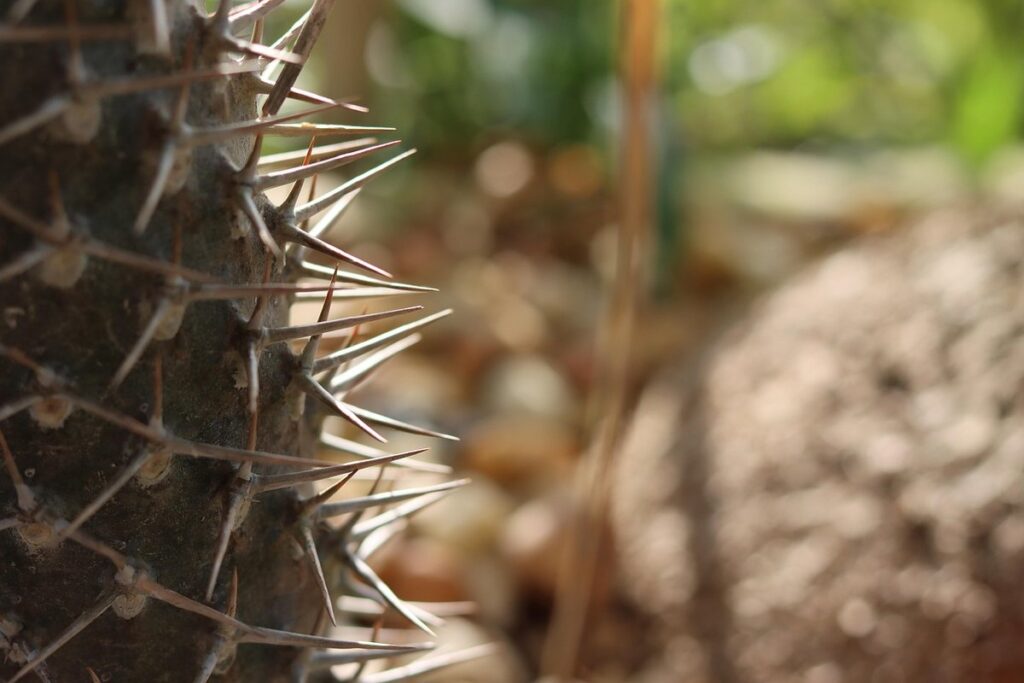
What is Xeriscaping?
Let’s start with the basics: xeriscaping is a type of landscaping that uses drought-tolerant plants to reduce water consumption, perfect for water-conscious gardeners like you.
Benefits of Xeriscaping
Xeriscaping offers numerous benefits that make it an attractive choice for gardeners and homeowners alike. One of the most significant advantages is water conservation. By using drought-tolerant plants, xeriscape gardens require significantly less watering, which not only saves money but also helps reduce the environmental impact of water usage.
In addition to conserving water, xeriscaping also reduces maintenance needs. Drought-resistant plants are designed to thrive in dry conditions, eliminating the need for frequent watering and fertilizing. This means you’ll have more time to enjoy your garden without worrying about its upkeep. Moreover, xeriscape gardens require less pruning and mowing, further reducing maintenance requirements.
Xeriscaping can also increase property value by creating a beautiful and unique landscape that showcases drought-tolerant plants. By choosing the right plants for your climate and soil type, you can create a stunning display of color and texture that attracts potential buyers if you decide to sell your home in the future.
History of Xeriscaping
Xeriscaping has its roots in ancient civilizations that thrived in water-scarce regions. In 1963, Walter P. Harris, a horticulturist at the Denver Botanic Gardens, is credited with coining the term “xeriscape.” Harris developed this unique gardening approach as a response to the water shortages and droughts plaguing Colorado’s metropolitan areas.
The concept of xeriscaping gained momentum in the 1980s, when cities like Phoenix and Los Angeles began implementing water-saving initiatives. Xeriscaping was promoted as an attractive alternative to traditional landscaping, offering not only reduced water consumption but also lower maintenance costs and ecological benefits.
As concern for water conservation grew, so did the popularity of xeriscaping. By the 1990s, this innovative approach had spread throughout the western United States and beyond its borders. Today, homeowners and gardeners worldwide are embracing xeriscaping as a way to create beautiful, low-water gardens that not only conserve resources but also promote biodiversity and sustainable living.
Interestingly, xeriscaping’s water-saving potential has been quantified in various studies. For instance, the University of Arizona’s Cooperative Extension found that well-designed xeriscapes can save up to 50% on irrigation costs compared to traditional landscapes.
Choosing Drought-Tolerant Plants for Your Xeriscape
When selecting plants for your xeriscape, choosing drought-tolerant options is essential to minimize watering needs and maximize beauty. We’ll walk you through some of the best choices for a stunning yet low-maintenance landscape.
Plant Selection Criteria
When selecting plants for your xeriscape, it’s essential to consider several factors that ensure their success and thrive in your specific environment. Start by thinking about the climate in your area, as this will greatly impact which drought-tolerant plants will flourish. If you live in a region with scorching summers, look for plants that can handle extreme heat, such as succulents or cacti.
Next, consider the soil type in your yard. Xeriscape gardens often feature poor soils with low water retention capabilities, so choose plants that are adapted to these conditions. Plants like sedum and yucca are excellent choices, as they have deep roots that allow them to access moisture deep within the soil.
Finally, think about when you want your plants to bloom. If you’re looking for a vibrant display of color in the spring or summer, choose plants that fit this schedule. For example, Texas sage is a beautiful shrub that blooms in the spring with vibrant purple flowers, while lantana produces colorful blooms throughout the summer months.
When selecting drought-tolerant plants, also consider factors like mature size, growth rate, and maintenance requirements to ensure they will complement your xeriscape design.
Native vs. Non-Native Plants
When selecting plants for your xeriscape, one crucial decision is whether to choose native or non-native species. Both options have their advantages and disadvantages, and it’s essential to consider the local ecosystem when making a choice.
Native plants have co-evolved with the environment over thousands of years, developing unique relationships with beneficial insects, pollinators, and microorganisms. They require less maintenance, are more resilient to pests and diseases, and provide food for native wildlife. For example, California poppy (Eschscholzia californica) is a drought-tolerant native plant that attracts pollinators and adds vibrant color to your xeriscape.
Non-native plants, on the other hand, can bring new characteristics to your garden, such as unusual foliage or vibrant blooms. However, they may not provide the same benefits for local wildlife and might require more water and care. Introducing non-native species can also disrupt the local ecosystem, potentially leading to invasive plant growth. To minimize this risk, research the potential impact of non-native plants in your area before planting.
When deciding between native and non-native plants, consider the following factors:
* Your region’s climate and soil conditions
* The types of wildlife that inhabit your garden
* Your personal preferences for plant appearance and maintenance
* The potential risks of invasive species growth
By choosing plants that are well-suited to your local environment, you can create a thriving xeriscape that not only conserves water but also supports the health of native ecosystems.
Water-Efficient Plant Groups
When designing a water-efficient xeriscape garden, it’s essential to group plants that share similar watering needs together for optimal success and reduced maintenance. This section highlights some of our favorite drought-tolerant plant combinations.
Succulent Plants
Succulent plants are a staple of xeriscaping, offering stunning beauty and water efficiency. With over 60 families and more than 10,000 species, the options can be overwhelming. Let’s focus on some popular succulent varieties perfect for xeriscape gardens.
Aloe vera, with its thick, fleshy leaves, is a great starting point. It’s not only low-maintenance but also medicinal properties make it a valuable addition to your garden. For a more dramatic look, consider the Echeveria family, featuring plump, rounded leaves in vibrant colors. These succulents are perfect for containers or as statement pieces in your xeriscape.
When choosing succulent species, remember to consider their care requirements. Most require infrequent watering (once every 7-10 days during summer) and full sun exposure. However, some species like the Sempervivum can thrive in partial shade, making them ideal for areas with intense sunlight.
Some practical tips include:
* Use well-draining soil to prevent root rot
* Water thoroughly when needed, but avoid overwatering
* Fertilize sparingly during the growing season (spring and summer)
* Prune or repot as needed to maintain plant health
Cacti for Xeriscapes
Cacti have long been a staple of xeriscapes due to their remarkable ability to thrive in dry conditions. When it comes to choosing cacti for your drought-tolerant garden, consider species like the Saguaro (Carnegiea gigantea), Pincushion Cactus (Mammillaria hahniana), and Prickly Pear Cactus (Opuntia spp.). These plants have adapted to survive with minimal water intake, making them perfect for water-conscious gardeners.
When propagating cacti, use the stem or pad cutting method. Cut a section from the parent plant, allowing it to dry for 1-3 days before planting in well-draining soil. Water sparingly until roots develop. Pruning is also essential; remove any damaged or dead segments to maintain shape and promote healthy growth.
To ensure your cacti continue to thrive, prune them regularly during the growing season (spring-fall). Remove any weak or spindly growth, promoting a balanced, symmetrical appearance. Regular pruning will encourage new growth and prevent the plant from becoming leggy.
Grasses and Groundcovers
When it comes to adding texture and interest to your xeriscape garden, low-maintenance grasses and groundcovers are an excellent choice. These drought-tolerant plants not only thrive in water-conscious landscapes but also require minimal upkeep, making them perfect for busy homeowners.
Some popular examples of low-maintenance grasses include Blue Oat Grass, Pampas Grass, and Purple Fountain Grass. These ornamental grasses add a dynamic element to your garden with their swaying foliage and delicate blooms. For instance, Blue Oat Grass (Helictotrichon sempervirens) is an excellent choice for adding a silvery-gray hue to your landscape.
Groundcovers like Creeping Juniper, Sedum, and Dwarf Mondo Grass are also great options for xeriscapes. They spread quickly and can be used to fill gaps between pavers or stones, creating a lush, verdant look with minimal watering requirements. For example, Creeping Juniper (Juniperus horizontalis) is an ideal choice for slopes or banks, as it stabilizes the soil while adding a fragrant aroma.
Incorporating these low-maintenance grasses and groundcovers into your xeriscape garden design will not only save you time but also help reduce your water consumption.
Designing a Functional Xeriscape
To create a stunning and low-maintenance xeriscape, designing a functional landscape requires careful planning of water-efficient features and drought-tolerant plants. We’ll walk you through the process step by step.
Pathways and Hardscaping
When it comes to creating an attractive and functional xeriscape, pathways play a crucial role in connecting different areas of the garden while also providing accessibility. To design effective pathways in your xeriscape, you’ll want to consider several factors.
Firstly, choose materials that complement the natural beauty of your xeriscape plants and landscape features. Some popular options include decomposed granite (DG), gravel, or permeable pavers made from recycled materials like plastic or glass. These choices allow water to percolate through them, minimizing stormwater runoff and preventing erosion.
Next, consider the width of your pathways. Aim for a minimum width of 3-4 feet to ensure easy navigation, especially in areas where you’ll be using wheelbarrows or gardening tools. You may also want to incorporate gentle curves or meandering paths to create visual interest and encourage exploration.
In terms of design considerations, think about the overall aesthetic you’re aiming for. For example, if you have a desert-themed xeriscape, consider using materials like DG or gravel in earthy tones. Alternatively, if your garden features more Mediterranean plants, opt for stone or brick pavers with a warm, rustic feel.
Ultimately, a well-designed pathway system will not only enhance the functionality of your xeriscape but also its visual appeal, creating a seamless transition between different areas and plant groupings.
Focal Points and Visual Interest
When designing a functional xeriscape, it’s easy to focus solely on plants that thrive in drought conditions. However, creating visual interest is just as crucial for an inviting and engaging outdoor space. Strategically placed plants, decorative features, or art installations can transform a plain-looking yard into a visually stunning oasis.
Consider incorporating native plants with varying textures, colors, and heights to add depth and visual interest. For example, pairing succulents with flowering perennials creates a striking contrast that’s both beautiful and functional. You can also incorporate decorative elements like weathered stone, reclaimed wood, or metal accents to add warmth and character.
To take it up a notch, consider incorporating art installations or sculptures that reflect your personal style. This could be anything from a statement piece of outdoor art to a whimsical bird feeder or wind chime. Don’t forget to balance these elements with negative space to avoid overwhelming the senses. By thoughtfully integrating visual interest into your xeriscape design, you’ll create an inviting space that’s both drought-tolerant and visually stunning.
Maintenance and Care of Xeriscape Plants
To keep your xeriscape garden thriving, it’s essential to know how to properly maintain and care for these drought-tolerant plants throughout their growing seasons. This includes pruning, fertilizing, and monitoring water levels.
Watering Strategies
Watering xeriscape plants requires a thoughtful approach to ensure they receive just the right amount of moisture. Unlike traditional landscaping, xeriscape gardens rely on drought-tolerant plants that can thrive with minimal watering. To maximize water efficiency, consider installing drip irrigation systems. These systems deliver water directly to the roots of the plants, reducing evaporation and runoff.
When using a drip irrigation system, it’s essential to adjust the flow rate according to seasonal changes. During hot summer months, you may need to increase the water supply to compensate for increased evapotranspiration. Conversely, during cooler winter periods, reduce the watering schedule to prevent overwatering. Aim to provide 1-2 inches of water per week, either from rainfall or irrigation.
By making these adjustments and incorporating a drip irrigation system, you can create an efficient and beautiful xeriscape garden that requires minimal maintenance while still showcasing stunning drought-tolerant plants.
Pruning and Fertilization
Pruning and fertilizing xeriscape plants are essential tasks that promote healthy growth while maximizing water efficiency. When it comes to pruning, less is often more. Over-pruning can stress the plant, making it more susceptible to disease and pests. Instead, remove only what’s necessary, cutting back branches to maintain shape or promote air circulation.
When fertilizing xeriscape plants, choose a balanced, water-soluble fertilizer that won’t leach into the soil during watering. Apply according to package instructions, but avoid over-fertilizing, which can harm the plant and surrounding environment. Consider using compost tea, a nutrient-rich liquid made by steeping compost in water, as an alternative to synthetic fertilizers.
To make pruning and fertilization more efficient, consider these tips: Prune in the cooler months when plants are dormant, reducing stress on the plant. Use pruning shears or loppers with clean blades to prevent spreading diseases. Fertilize during the growing season, typically spring and summer, but only as needed based on soil tests and plant response.
Some popular xeriscape plants that benefit from these practices include succulents like aloe vera and agave, as well as drought-tolerant shrubs like Texas sage and grevillea. By pruning and fertilizing judiciously, you’ll enjoy the benefits of healthy growth while minimizing water consumption in your xeriscape garden.
Troubleshooting Common Xeriscape Challenges
Don’t worry, we’ve all been there – a xeriscape plant is struggling, and you’re not sure what’s going wrong. Let’s tackle some common challenges together to get your garden back on track.
Overwatering Issues
Overwatering is a common issue that can be detrimental to xeriscape garden plants. When you water too frequently, it leads to an accumulation of excess moisture in the soil, causing roots to rot and increasing the risk of root diseases. This can ultimately lead to plant death.
If you notice your plants’ leaves turning yellow or developing soft spots, or if their stems become weakened, it may be a sign that they’re receiving too much water. The soil around the base of the plant will also feel consistently moist, even days after watering.
To prevent overwatering issues, monitor the weather forecast and adjust your watering schedule accordingly. Check the soil moisture by inserting your finger into the soil up to the first knuckle – if it feels dry, it’s time for water. Water deeply but infrequently, allowing the soil to dry slightly between waterings.
Remember, drought-tolerant plants are adapted to survive with minimal water, so avoid overwatering and focus on providing them with a balance of water and nutrients for optimal health.
Dealing with Pests and Diseases
Dealing with pests and diseases is an unfortunate reality when it comes to xeriscape gardening. These water-conserving plants are often targeted by insects and microorganisms that can quickly spread and cause significant damage if left unchecked. Some common pests that affect xeriscape plants include spider mites, mealybugs, and scale. To prevent infestations, inspect your plants regularly for signs of these pests, such as white powdery patches or sticky substance on leaves.
Diseases like root rot, leaf spot, and powdery mildew can also wreak havoc on xeriscape gardens. These typically result from overwatering or poor soil conditions. To avoid these issues, ensure your plants receive adequate drainage and maintain a balanced fertilizer regimen. Regular pruning and watering schedules can help prevent pest and disease buildup.
Some effective natural deterrents include neem oil and insecticidal soap. When using chemical treatments, be sure to follow label instructions carefully and take necessary precautions to minimize environmental impact.
Conclusion: Creating a Thriving Xeriscape Garden
Now that you’ve learned about the wonderful world of xeriscape garden plants, it’s time to bring your vision to life. Remember, creating a thriving xeriscape garden is all about selecting the right plants for your climate and soil type, and incorporating effective water-saving strategies. Be sure to group drought-tolerant plants by their watering needs to make maintenance easy. You can also add decorative elements like rocks or gravel pathways to create visual interest. Take it one step at a time – start small with a few hardy plants and gradually expand your garden as you gain experience.
By following these simple tips, you’ll be well on your way to enjoying a stunning xeriscape garden that requires minimal watering and maintenance. Happy planting!
Frequently Asked Questions
How do I determine the right amount of sunlight for my xeriscape garden plants?
When selecting drought-tolerant plants, it’s essential to consider the specific sunlight requirements for each species. Check the plant labels or consult with a local nursery expert to ensure you’re choosing plants suitable for your yard’s sun exposure.
Can I mix native and non-native plants in a single xeriscape garden?
While native plants are often preferred due to their adaptability, it’s not necessary to create an entirely native plant garden. However, be mindful that introducing non-native species can lead to overwatering or pest issues if not managed properly.
How do I prevent overwatering in my xeriscape garden, especially during the first year?
During the initial growth phase, avoid watering too frequently. Instead, allow the soil to dry slightly between waterings, and monitor your plants’ responses to adjust your irrigation schedule accordingly.
What’s the best way to incorporate succulents into a larger xeriscape design?
When integrating succulent plants into an existing garden, consider their growth habits and space requirements. Use them as focal points or group them with other drought-tolerant species to create visually appealing combinations that add texture and visual interest.
Can I use traditional mulch in a xeriscape garden, or are there more water-efficient alternatives?
Traditional organic mulches can still be used in xeriscapes, but consider using alternative materials like gravel, decomposed granite, or even recycled glass aggregate. These options help retain moisture while minimizing the need for additional watering and maintenance.