
Are you ready to take your lemongrass game to the next level? If so, you’re in luck because we’ve got some advanced growing tips that are sure to help you optimize your yields and make the most of this amazing herb. Lemongrass is a staple in many tropical cuisines, prized for its citrusy flavor and medicinal properties, but it can be finicky to grow. That’s why we’re sharing our expert techniques and best practices for cultivating lemongrass, covering everything from climate and soil selection to watering, fertilization, and pest management strategies. Whether you’re a seasoned gardener or just starting out, these tips will help you overcome common challenges and achieve optimal results with your lemongrass plants. Let’s dive in and explore the advanced growing techniques that’ll take your lemongrass to new heights!
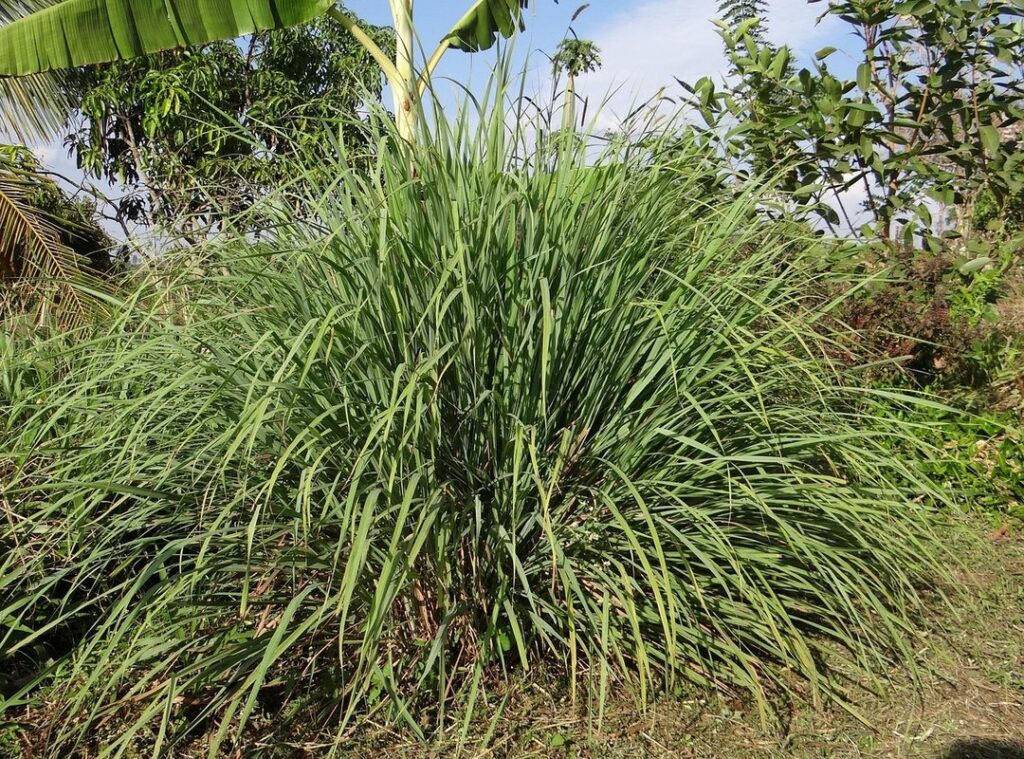
Understanding Lemongrass Requirements
To grow lemongrass successfully, it’s crucial to understand its specific needs and adapt to them, rather than forcing it into a traditional herb garden. This section will break down those requirements for you.
Climate and Soil Preferences
When it comes to growing lemongrass, understanding its climate and soil preferences is crucial for optimal growth. Lemongrass thrives in warm and humid environments, with ideal temperatures ranging from 75°F to 90°F (24°C to 32°C). Temperatures above 100°F (38°C) can lead to stress, making it more susceptible to pests and diseases.
In terms of humidity, lemongrass prefers a relatively high level, typically between 50% to 70%. This means that you’ll want to maintain a humid microclimate around your plants by misting them regularly or placing them in a greenhouse. Soil-wise, lemongrass performs well in well-draining soils with a pH between 6.0 and 7.5. Sandy loams and clay soils are suitable options, but make sure to mix in organic matter like compost or manure to improve soil structure and fertility.
For example, if you’re growing lemongrass in a region with hot summers, consider providing some afternoon shade to prevent scorching. Additionally, monitor your soil’s pH levels regularly, as lemongrass is sensitive to extreme acidity or alkalinity. By understanding and accommodating these climate and soil preferences, you’ll be well on your way to cultivating healthy, thriving lemongrass plants.
Choosing the Right Variety
When it comes to growing lemongrass, choosing the right variety is crucial for success. With numerous options available, each with its unique characteristics and growth habits, selecting the perfect one can be overwhelming. Let’s take a closer look at some popular cultivars like ‘West Indian’, ‘Malabar’, and ‘Thai’ to determine their suitability for your specific growing conditions.
The ‘West Indian’ lemongrass variety is known for its robust growth and tall stalks, making it an ideal choice for container gardens or those with limited space. On the other hand, ‘Malabar’ has a more compact growth habit, requiring less maintenance and pruning. It’s perfect for small spaces or indoor growing.
For tropical climates, the ‘Thai’ variety excels, offering a robust growth rate and high yields of fragrant leaves. In contrast, ‘Baria’, another popular cultivar, is known for its dwarf growth habit and sweet aroma. This variety thrives in dry conditions, making it an excellent choice for those with limited watering schedules.
When selecting your lemongrass variety, consider the climate, space constraints, and maintenance level you can commit to. By choosing a suitable cultivar, you’ll be well on your way to enjoying a bountiful harvest of fragrant lemongrass in no time!
Preparing the Perfect Growing Environment
To grow lemongrass successfully, you need to create a specific environment that mimics its tropical origins. Let’s dive into the essential details for preparing your plant’s perfect growing space.
Container vs. In-Ground Growing
When growing lemongrass, one crucial decision is whether to cultivate it in containers or in-ground. Both methods have their advantages and disadvantages that impact the plant’s health, growth, and overall yield.
Growing lemongrass in containers offers flexibility and control over soil quality. Since containers are isolated systems, you can tailor the mix to meet your plant’s specific needs. This is particularly beneficial for urban gardeners with limited space or those dealing with poor native soil conditions. However, be mindful of root depth: lemongrass requires a significant amount of space to expand its roots, so choose deep containers (at least 6-8 inches) and prune the plant regularly to encourage healthy growth.
In-ground growing, on the other hand, allows for deeper root development and better soil aeration. Lemongrass plants grown directly in the ground tend to be more robust and resilient. Nevertheless, this method requires a significant amount of space (around 1-2 square feet per plant) and may not provide the same level of control over soil quality as container growing.
In practice, consider your specific climate, available space, and lemongrass cultivation goals when deciding between these two methods. If you’re short on time or have limited space, containers are a more forgiving option. However, if you can dedicate sufficient room and want to cultivate the largest possible plants, in-ground growing is likely your best bet.
Light and Air Circulation Management
When growing lemongrass, light intensity and duration play crucial roles in promoting optimal growth. Lemongrass requires at least 4-6 hours of direct sunlight per day to produce well. However, if you’re growing indoors or in areas with intense sunlight, it’s essential to provide shade for your plants during the hottest part of the day to prevent scorching.
Air circulation is also vital for healthy lemongrass growth. Adequate air movement helps prevent fungal diseases that thrive in humid environments. To ensure good air circulation, keep a gap of at least 6-8 inches between each plant and provide sufficient space around them for air to circulate freely.
Pruning and training techniques can help maximize yields while promoting healthy foliage. Remove any dead or damaged leaves regularly to maintain the plant’s appearance and encourage new growth. You can also prune your lemongrass to control its height, encouraging bushy growth that can be harvested more frequently. Train your lemongrass by tying the stalks to a trellis or stake to promote upright growth and prevent it from falling over.
Watering and Fertilization Strategies
To grow lemongrass successfully, you’ll need to master the art of watering and fertilizing your plants, ensuring they receive just the right balance of moisture and nutrients. This section will cover expert tips for achieving optimal growth.
Efficient Watering Practices
When it comes to watering lemongrass, it’s essential to strike the right balance between providing enough moisture and not overwatering. Lemongrass plants prefer well-draining soil and can be susceptible to root rot if the soil is too wet for extended periods.
To prevent overwatering, establish a regular watering schedule based on your local climate and soil type. As a general rule of thumb, lemongrass plants require about 1-2 inches of water per week during the growing season (spring-fall). You can also use the “finger test” to check the moisture level of the soil: insert your finger into the soil up to the knuckle; if it feels dry, it’s time to water.
Mulching around the base of the lemongrass plants helps retain soil moisture and suppress weeds. Choose a organic mulch like coconut husk or wood chips, which will also help regulate soil temperature. Drip irrigation is another efficient method for delivering water directly to the roots, reducing evaporation and runoff. Consider harvesting rainwater during periods of high rainfall to supplement your watering schedule – this can be an excellent way to reduce your water bill while maintaining a healthy lemongrass crop.
Organic vs. Synthetic Fertilizers
When it comes to lemongrass cultivation, choosing the right fertilizer is crucial for optimal growth. You may be torn between using organic and synthetic fertilizers, but understanding their differences can help you make an informed decision.
Organic fertilizers are derived from natural sources like animal waste, plant matter, and minerals. They promote soil health, improve structure, and provide nutrients to your lemongrass plants without harming the environment. Options include compost tea, which is a liquid solution made by steeping compost in water; worm casting, also known as vermicompost, produced from worms’ digestive processes; and bone meal, derived from animal bones.
On the other hand, synthetic fertilizers are chemical-based products that provide quick results but can have long-term negative effects on soil health. They often contain nitrogen, phosphorus, and potassium (NPK), which may lead to over-fertilization and subsequent deficiencies in micronutrients.
If you decide to use organic fertilizers, apply them at a rate of 1-2 cups per square foot for compost tea or worm casting. For bone meal, follow the manufacturer’s instructions for application rates, typically around 10-20 pounds per acre. This approach not only benefits your lemongrass plants but also fosters a healthy environment for future crops.
Pest and Disease Management
To ensure a healthy and thriving lemongrass plant, it’s crucial to manage pests and diseases that can quickly spread and cause damage. Effective management techniques will be shared in this section.
Common Pests and Diseases Affecting Lemongrass
As you tend to your lemongrass plants, it’s essential to be aware of common pests and diseases that can affect their health. Aphids, whiteflies, and spider mites are notorious for infesting lemongrass, sucking sap from the leaves and stems, and spreading plant viruses.
To prevent these pests, maintain a clean growing environment by removing weeds and debris, which can harbor them. Inspect your plants regularly, looking for signs of infestation such as curled or distorted leaves. If you notice any issues, treat with neem oil or insecticidal soap according to the product’s instructions.
Root rot, leaf spot, and powdery mildew are common fungal diseases that affect lemongrass. Root rot is often caused by overwatering, while leaf spot and powdery mildew can be triggered by high humidity and poor air circulation. To prevent these issues, ensure your soil drains well, water carefully, and provide good air circulation around the plants.
Monitor your plants’ watering schedule, as this can make a significant difference in preventing root rot. Additionally, avoid overcrowding your lemongrass patch, as this can create an ideal environment for disease to spread.
Integrated Pest Management Techniques
When growing lemongrass, it’s essential to maintain a balanced ecosystem in your garden or greenhouse. This is where integrated pest management (IPM) techniques come into play. IPM involves using a combination of methods to prevent pests and diseases from taking over, rather than relying on pesticides alone.
To start with, introduce beneficial insects like ladybugs, lacewings, and parasitic wasps that prey on common lemongrass pests such as aphids, whiteflies, and spider mites. These natural predators can be encouraged by planting nectar-rich flowers nearby or creating a beneficial insect hotel using bamboo sticks and straws.
Physical barriers are another effective IPM strategy. Use fine mesh or row covers to prevent pests like thrips and fungus gnats from reaching your lemongrass plants. You can also use copper tape around plant stems to deter slugs and snails.
Cultural controls are the most critical aspect of IPM for lemongrass. Ensure good air circulation by spacing plants at least 12 inches apart, and maintain optimal soil moisture levels. Avoid overwatering, which can lead to root rot and other issues. By implementing these IPM techniques, you’ll create a healthy environment that minimizes the need for pesticides and promotes lush, disease-free lemongrass growth.
Harvesting and Propagation Techniques
To successfully propagate lemongrass, you’ll need to know when to harvest and how to divide the plant, ensuring a steady supply of new growth. We’ll walk through these essential techniques together.
Optimal Harvest Time and Methods
When it comes to harvesting lemongrass, timing is everything. Lemongrass is typically ready for harvest when the stalks reach a height of about 2-3 feet and the leaves are mature and fully developed. You’ll know it’s time to cut back the plant when you notice the central stem beginning to turn a light brown color, signaling that it’s past its prime.
To determine if your lemongrass is ready, inspect the stalks regularly for signs of maturity. Cut the stalks near the base, using scissors or pruning shears, leaving about an inch of stem intact. This will help the plant continue to grow and produce new shoots. Be sure to harvest in the morning, after the dew has evaporated but before the heat of the day sets in.
After cutting back the lemongrass, allow the stalks to dry completely for a few days to prevent moisture from promoting mold or fungal growth. You can then store the dried lemongrass in an airtight container, such as glass jars or plastic bags, to preserve its flavor and aroma.
Tissue Culture and Division Propagation
When it comes to lemongrass propagation, many growers rely on traditional methods like seed sowing and stem cuttings. However, if you’re looking for a more advanced approach, consider exploring tissue culture and division techniques. These methods can significantly increase yields while ensuring genetic consistency.
Tissue culture involves taking small pieces of stem or leaf tissue from a mature lemongrass plant and using specialized equipment to coax new roots and shoots into growth. This process can be used to mass-produce identical plants with desirable traits, such as high oil content or disease resistance. To attempt this at home, you’ll need access to a sterile laboratory environment, specialized media, and equipment.
Division propagation involves cutting lemongrass stalks near the base of the plant and separating them into individual sections, each containing roots and shoots. These sections can then be planted in new pots, allowing for rapid multiplication of your favorite varieties. For best results, divide mature plants during their dormant season to minimize root disturbance.
Advanced Tips and Considerations
As you’ve mastered the basics of growing lemongrass, it’s time to dive into more advanced techniques that’ll take your harvests to the next level. In this section, we’ll cover expert methods for optimizing growth and yield.
Companion Planting and Interplanting Strategies
Companion planting and interplanting are essential strategies for growing lemongrass successfully. By pairing lemongrass with other herbs, vegetables, or flowers, you can create a diverse ecosystem that enhances growth, reduces pests and diseases, and promotes overall health.
When choosing companion plants, consider those that complement lemongrass’s tall, grassy habit and its fragrance. For example, basil and mint are natural partners for lemongrass as they repel pests like mosquitoes and flies that target lemongrass. Alternatively, you can pair lemongrass with flowers like marigold or nasturtiums, which attract beneficial insects and add color to your garden.
To interplant effectively, select crops that have different growing requirements, such as mature size, sun preference, and watering needs. For instance, grow compact herbs like thyme or oregano alongside lemongrass, allowing them to make the most of the available space. By combining compatible plants, you can create a thriving ecosystem where each plant benefits from the others’ presence.
Large-Scale Lemongrass Production
Growing lemongrass on a commercial scale requires careful planning and execution to ensure high yields and quality products. To start, land preparation is crucial for large-scale cultivation operations. This involves clearing the land of debris, tilling the soil to a depth of at least 12 inches, and incorporating organic matter such as compost or manure to improve fertility and drainage.
When it comes to labor management, you’ll need to consider the number of workers required for tasks like planting, irrigation, pruning, and harvesting. A well-organized schedule is essential to maximize efficiency and minimize downtime. Additionally, investing in equipment such as automated irrigation systems, tractors, or mulching machines can greatly increase productivity while reducing manual labor costs.
Another critical aspect to consider is crop rotation and disease management. Regular monitoring of soil health and implementing integrated pest management (IPM) strategies can help prevent infestations and maintain optimal growth conditions.
Frequently Asked Questions
What are some key considerations for transitioning my lemongrass from container to in-ground growing?
When transferring your lemongrass from containers to in-ground growing, it’s essential to choose a location with suitable climate and soil conditions. Ensure the area receives adequate sunlight (at least 4-6 hours of direct sunlight) and has well-draining soil to prevent waterlogged roots. Dig a hole twice as wide and just as deep as the container, adding organic matter like compost or manure to improve soil fertility.
How can I optimize light and air circulation for my lemongrass plants in a small indoor space?
To enhance light and air circulation for your lemongrass indoors, use grow lights with a balanced spectrum (400-700W) to mimic natural sunlight. Place the plants 1-2 feet away from the lights and ensure good air circulation by keeping at least 6 inches of space between each plant. Avoid over-crowding to prevent fungal diseases.
What’s the best way to handle lemongrass propagation, especially when it comes to division and tissue culture?
For division propagation, carefully dig up the mature lemongrass plant, separating the rhizome into smaller sections with at least one “eye” each. Replant immediately in well-draining soil. Tissue culture involves rooting individual lemongrass shoots in a sterile environment; this method is ideal for mass production or when working with limited space.
How can I maintain optimal watering and fertilization practices, especially during periods of drought or extreme weather?
During dry spells, reduce watering to prevent stress and potential fungal diseases. Fertilize your lemongrass regularly (every 2-3 weeks) using a balanced, water-soluble fertilizer (20-20-20 NPK). Dilute the fertilizer to half the recommended strength during winter months or periods of slow growth.
What’s the best approach for managing pests and diseases in large-scale lemongrass production?
To prevent pest and disease issues in commercial lemongrass cultivation, adopt Integrated Pest Management (IPM) techniques. Regularly inspect your plants, and use physical barriers or row covers to prevent insect infestations. Practice crop rotation, maintain good hygiene, and apply organic pesticides only when necessary.