
If you’re like many gardeners, you’ve probably fallen in love with the vibrant, citrusy charm of lemongrass. But as beautiful as this tropical grass is during its flowering stage, it’s equally important to know when and how to prune it back to keep it healthy and thriving. Pruning your lemongrass after flowering not only enhances its aesthetic appeal but also boosts essential oil production – a key benefit for both garden enthusiasts and herbalists alike. In this comprehensive guide, we’ll walk you through the step-by-step techniques of pruning lemongrass post-flowering, including tips on how to care for it afterwards. By following our expert advice, you can enjoy a lush, fragrant lemongrass plant that’s not only stunning but also productive and full of life.
Understanding Lemongrass Growth Cycles
To grow lemongrass effectively, it’s essential to understand its growth cycles and how they affect its flowering patterns, which is crucial for pruning after blooming.
Normal Growth Cycle of Lemongrass
Lemongrass plants have a distinct growth cycle that’s influenced by factors like climate, soil quality, and watering habits. The typical growth cycle of lemongrass can be divided into three phases: rapid growth, flowering stage, and dormancy period.
During the rapid growth phase, which usually lasts for 6-12 months, lemongrass plants grow rapidly, producing long stems and leaves. This is the ideal time to prune your lemongrass plant, removing any dead or damaged stalks to promote healthy growth. However, if you’re planning to harvest your lemongrass for culinary use, it’s best to wait until the flowering stage has begun.
As the plant reaches its mature height, usually around 2-3 feet tall, it will start producing a long stem that grows upwards and eventually produces white or purple flowers. This is a sign that the plant is reaching the end of its active growth phase. After the flowering stage, the lemongrass plant will enter a dormancy period, where new growth slows down significantly.
It’s essential to prune your lemongrass plant after it has finished flowering to encourage new growth and prevent the plant from going dormant prematurely. This is usually around 6-8 months after the initial flowering stage, depending on factors like climate and soil quality.
Factors Influencing Lemongrass Flowering
As you anticipate the flowering phase of your lemongrass plants, it’s essential to understand the environmental factors that induce this process. Temperature plays a significant role, with optimal growth temperatures between 75°F and 90°F (24°C and 32°C). Above these ranges, lemongrass may bolt or produce flowers, signaling the end of its vegetative phase.
Light exposure also affects flowering in lemongrass. Plants grown under full sun tend to produce more abundant and robust flowers compared to those receiving partial shade. However, it’s worth noting that excessive light can cause stress, potentially leading to premature flowering.
Soil quality is another crucial factor influencing lemongrass flowering. Well-draining soils with a slightly acidic pH (around 6.0-7.0) tend to promote healthy growth and robust flowering. Conversely, nutrient-deficient or poorly draining soils may stunt the plant’s ability to produce flowers.
To optimize your lemongrass plants for maximum yields, ensure they receive sufficient light and nutrients while maintaining optimal temperatures. This understanding will help you anticipate and manage the flowering phase more effectively, ultimately leading to better results when pruning after flowering.
Pre-Pruning Preparation
Before you start pruning, make sure your lemongrass plants are prepared for the task. This involves inspecting them for pests and diseases, and removing any dead or damaged growth.
Assessing Lemongrass Health Before Pruning
Before you start pruning your lemongrass after flowering, it’s essential to assess its health. This step is crucial to ensure that your lemongrass plant can withstand the stress of pruning and continue to thrive.
To evaluate lemongrass health, look for signs of stress or disease such as yellowing or browning leaves, droopy stems, or visible pests like aphids or whiteflies. Check the base of the plant for any fungal growth or soft rot, which can be a sign of overwatering. Also, inspect the roots by gently removing the soil to check if they’re rotting.
If you notice any issues, take corrective action before pruning your lemongrass. For example, if the leaves are yellowing due to nutrient deficiency, fertilize your plant with a balanced fertilizer. If you find pests, treat your plant with insecticidal soap or neem oil according to the product’s instructions.
By assessing your lemongrass health first, you’ll be able to prune it safely and effectively, promoting healthy growth and preventing potential problems.
Tools and Equipment Needed for Pruning
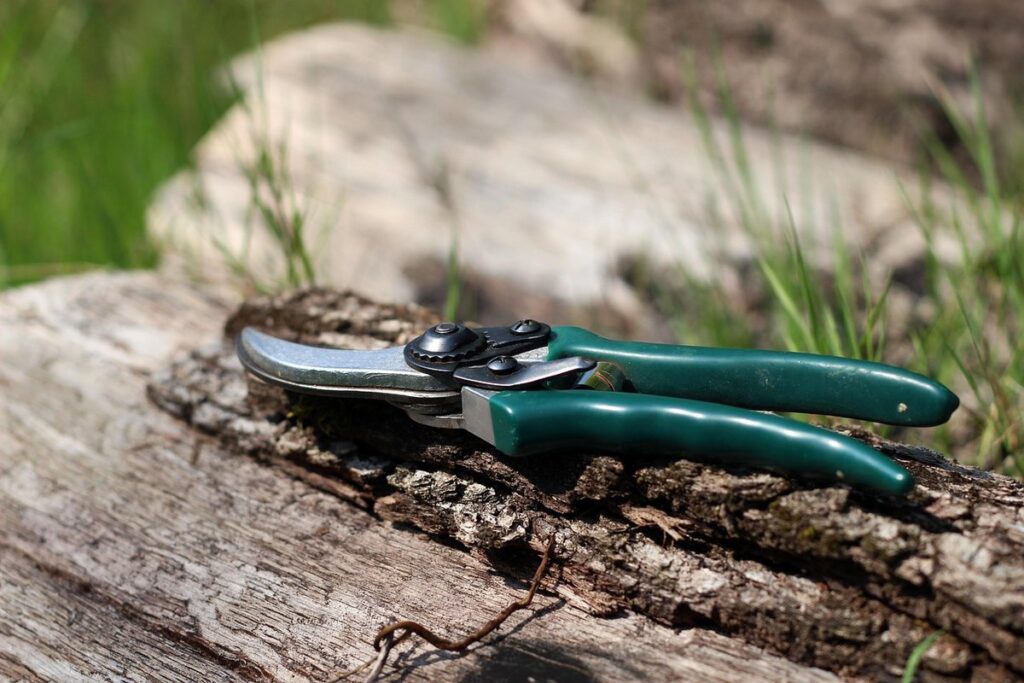
To tackle lemongrass pruning after flowering effectively, you’ll need to have the right tools and equipment at hand. A good pair of sharp pruners is essential for making clean cuts through the plant’s stems without causing damage or promoting disease. Look for pruners with long handles and curved blades to help navigate thicker sections.
Gloves are also a must-have when pruning lemongrass, as the sap can cause skin irritation in some individuals. Choose gloves made from durable materials like leather or synthetic fabrics that provide grip and protection.
When dealing with taller lemongrass plants, consider investing in a pole saw or loppers to make the pruning process easier and more efficient. Pole saws are ideal for reaching high areas without using a ladder, while loppers can help you tackle thicker branches.
It’s also worth having some basic gardening supplies on hand, such as a pruning guide or string to support new growth. Remember to clean your tools thoroughly after each use to prevent the spread of disease and maintain their longevity.
Step-by-Step Lemongrass Pruning Techniques
Now that you’ve learned how to identify when lemongrass is ready for pruning, it’s time to dive into the nitty-gritty of pruning techniques. Let’s walk through each step together!
Removing Old Flower Stems and Seedheads
Removing old flower stems and seedheads is an essential step in maintaining the health and vigor of your lemongrass plant. After flowering, it’s crucial to remove these dead parts to prevent disease transmission and encourage new growth.
When removing old flower stems and seedheads, make sure to wear gloves or use pruning shears with a long handle to avoid getting sap on your skin. Cut back the old stems as close to the base of the plant as possible, taking care not to damage any nearby healthy shoots. This will help redirect the plant’s energy towards producing new foliage and roots.
It’s also important to remove seedheads to prevent self-seeding, which can lead to patchy growth and reduced yields. By removing these dead parts, you’ll be promoting a healthier, more robust lemongrass plant that’s better equipped to withstand pests and diseases. To ensure you’re removing all the old stems and seedheads, inspect your plant carefully after pruning, and repeat the process as needed.
By following this step, you’ll be taking a crucial step towards maintaining a thriving and productive lemongrass plant.
Cutting Back Lemongrass Canes for Renewal
When lemongrass has finished flowering, it’s essential to cut back the canes to encourage new growth and maintain its shape. This process is called renewal pruning. The goal is to remove the old flower stalks, which are no longer productive, and allow the plant to focus its energy on producing new leaves and stems.
To do this, start by identifying the oldest and tallest lemongrass canes. Cut them back to about one-third from the ground using sharp, clean pruning tools. This will help control the plant’s height and encourage bushy growth. For smaller plants, you may only need to remove a few inches of the top growth.
Make sure to cut at a 45-degree angle just above a node (where a leaf meets the stem). This helps prevent water from collecting on the cut end and promotes healthy regrowth. By pruning your lemongrass in this way, you’ll be able to enjoy a lush, full plant that’s ready for another blooming cycle.
Post-Pruning Care and Maintenance
Now that you’ve pruned your lemongrass after flowering, it’s essential to care for the remaining stalks to promote healthy growth and prevent pests from taking over. In this next step, we’ll cover post-pruning care and maintenance techniques.
Watering and Fertilization After Pruning
Proper watering and fertilization after pruning are crucial for lemongrass’s new growth and overall health. When you prune your lemongrass, you’re essentially giving it a haircut that allows it to focus its energy on producing new shoots. However, this process can be stressful for the plant, and it needs extra care during the recovery phase.
To ensure your lemongrass recovers well from pruning, make sure to water it thoroughly but not excessively. Lemongrass prefers well-draining soil, so avoid overwatering that might lead to root rot. Instead, water your lemongrass when the top 1-2 inches of soil feels dry to the touch.
In terms of fertilization, you can start applying a balanced fertilizer (10-10-10 NPK) 1-2 weeks after pruning. This will provide your lemongrass with essential nutrients for healthy growth. You can also consider using compost tea or worm casting as an organic alternative. Remember to follow the manufacturer’s instructions and apply fertilizers in moderation, as overfertilization can harm your lemongrass.
By providing proper care during this critical period, you’ll encourage your lemongrass to produce new shoots, leaves, and ultimately, more essential oils.
Monitoring for Pests and Diseases
Monitoring for Pests and Diseases is crucial after pruning lemongrass. The removal of flowers can weaken the plant temporarily, making it more susceptible to pests and diseases. Common issues that may arise include:
* Aphids: These tiny insects feed on plant sap, causing curled or distorted leaves.
* Whiteflies: They can spread plant viruses and suck sap from plants.
* Spider mites: Small, spider-like arachnids that feed on plant sap.
Regularly inspect your lemongrass for signs of pests or diseases. Check the undersides of leaves and stems for eggs, eggs sacs, or actual insects. Yellowing or droopy leaves can indicate nutrient deficiency or disease. Remove any infested or diseased parts to prevent spread.
For treatment, use neem oil or insecticidal soap to control soft-bodied insects like aphids and whiteflies. For spider mites, spray with a strong jet of water or treat with an acaricide specifically designed for this pest. Maintain good air circulation around the plant, keep it clean, and ensure proper drainage to prevent fungal diseases.
Benefits and Considerations of Lemongrass Pruning After Flowering
Now that you’ve learned how to prune lemongrass before it flowers, let’s explore the benefits and considerations of pruning after the blooming stage has finished. This can be a game-changer for lemongrass enthusiasts!
Enhancing Aesthetic Appeal
Regular pruning after flowering can significantly enhance the aesthetic appeal of lemongrass plants. By removing spent flowers and foliage, you encourage a bushy growth habit, which not only makes the plant look more compact but also promotes healthy new growth.
Cut back about one-third to one-half of the mature stalks to the base of the plant immediately after flowering. This will help control its height and direct energy towards producing new stems and leaves. You can also remove any dead or damaged leaves, as these can detract from the plant’s overall appearance.
To further enhance aesthetic appeal, consider dividing and replanting your lemongrass every 3-4 years to maintain its shape and vigor. This will also help prevent overcrowding, which can lead to disease and pest issues. Remember to handle the new divisions gently to minimize transplant shock.
By implementing these pruning techniques, you’ll be able to enjoy a lush, vibrant lemongrass plant that adds visual interest to your garden or indoor space all year round. With regular maintenance, lemongrass can become a stunning focal point in any setting.
Maximizing Essential Oil Production
Timely pruning after lemongrass flowering can have a significant impact on essential oil production. Lemongrass is widely cultivated for its citrusy and refreshing aroma, making it a popular ingredient in herbal and culinary applications. When pruned correctly, lemongrass plants direct their energy towards producing more essential oils.
To maximize essential oil production, prune your lemongrass plant immediately after flowering to encourage new growth. This process, known as “topping,” involves cutting off the flower stalks just above a node (where a leaf meets the stem) to promote branching and increase yields. Regular pruning also helps maintain the plant’s shape and prevents it from becoming leggy.
Studies have shown that lemongrass plants pruned after flowering can produce up to 30% more essential oils than those left unpruned. This increase in oil production is due to the plant’s ability to redirect its energy towards producing new growth, rather than focusing on seed development. By incorporating regular pruning into your lemongrass care routine, you can boost your yields and reap the benefits of this versatile herb.
Frequently Asked Questions
Can I Prune My Lemongrass Immediately After Flowering, or Do I Need to Wait?
It’s generally best to wait for a few days after the flowering stage has ended before pruning your lemongrass plant. This allows any remaining flowers to fully dry and prevents the spread of potential diseases. However, if you notice dead or damaged stalks, it’s okay to prune them as needed.
What Happens If I Prune My Lemongrass Too Aggressively – Will It Survive?
Yes, lemongrass plants can survive aggressive pruning, but it may temporarily shock the plant. To minimize this risk, make clean cuts just above a node (where a leaf meets the stem), and avoid removing more than one-third of the plant’s foliage at once. With proper care, your lemongrass should recover quickly.
How Often Should I Water My Lemongrass Plant After Pruning?
Watering after pruning is crucial for lemongrass health. Keep the soil consistently moist but not waterlogged during the first few weeks following pruning. As new growth emerges, gradually return to your plant’s usual watering schedule. Be cautious not to overwater, as this can lead to root rot and other issues.
Can I Use Regular Scissors or Pruning Shears for Lemongrass Pruning?
While regular scissors might work in a pinch, using dedicated pruning shears or loppers specifically designed for tropical plants like lemongrass is recommended. These tools will make the task easier and help prevent damage to your plant’s delicate stalks.
Will Pruning My Lemongrass Plant Really Boost Essential Oil Production?
Yes, pruning your lemongrass plant after flowering can indeed increase essential oil production. By removing old flower stems and seedheads, you’re directing the plant’s energy towards producing new growth and essential oils. This technique is especially beneficial for herbalists and gardeners looking to maximize their harvests.