
If you’re looking to add a touch of tropical charm to your outdoor space, you’re in luck! Lemongrass is not only a beautiful addition to any garden, but it’s also incredibly versatile. From creating a fragrant lemongrass-friendly bed to incorporating it into an existing design, the possibilities are endless. In this article, we’ll take you on a journey around the world to explore traditional and modern lemongrass garden designs that will inspire your next outdoor project. We’ll share expert tips on how to choose the right plants, incorporate them into your landscape, and even show you how to make the most of their unique citrusy scent. Whether you’re a seasoned gardener or just starting out, get ready to breathe new life into your garden with these stunning lemongrass garden design ideas!
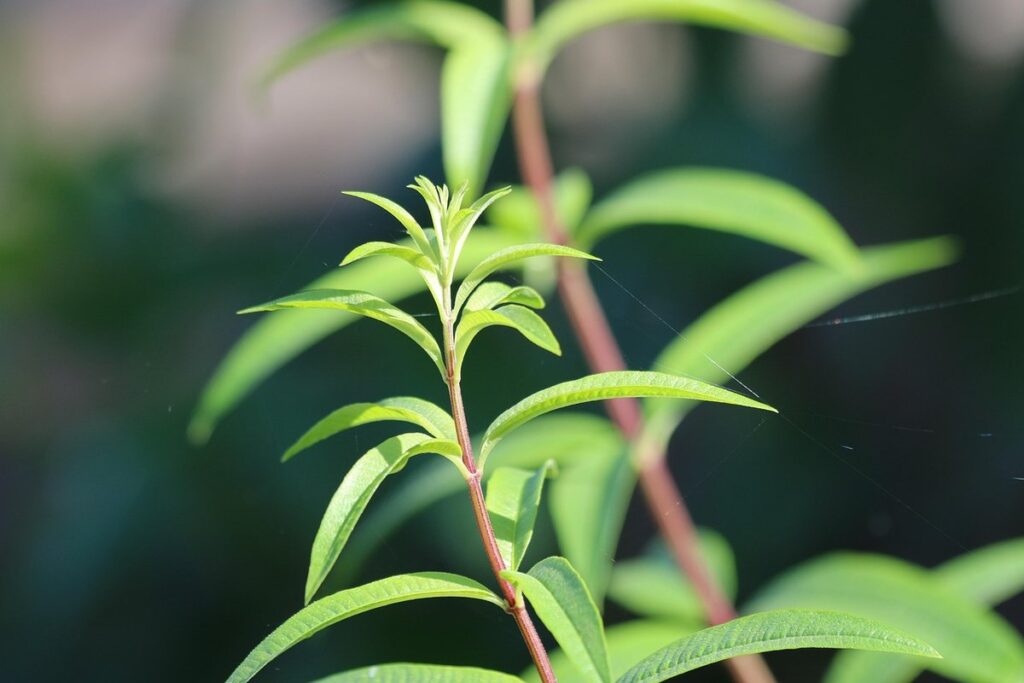
Creating a Lemongrass-Focused Garden
To create a stunning lemongrass-focused garden, you’ll want to think about planting companion plants that complement its unique flavor and aroma. We’ll walk through some top picks for these harmonious pairings.
Understanding the Benefits of Growing Lemongrass
Growing lemongrass is not only a great way to add a touch of tropical paradise to your outdoor space, but it also offers numerous benefits. One of the most obvious advantages is its versatility in cooking. Lemongrass is a key ingredient in many Southeast Asian dishes, and its citrusy flavor pairs well with a variety of ingredients. You can use fresh lemongrass leaves in salads, soups, or as a garnish for grilled meats.
In addition to its culinary uses, lemongrass has several medicinal properties. It’s been used for centuries to reduce inflammation and relieve muscle pain. Lemongrass essential oil is also known for its antiseptic and antibacterial properties, making it a popular natural remedy for skin issues like acne and minor cuts. As an ornamental plant, lemongrass adds a pop of color and texture to your garden with its bright yellow flowers.
Another benefit of growing lemongrass is that it attracts pollinators and beneficial insects to your garden. Bees and butterflies are drawn to the fragrant blooms, which can help increase crop yields in nearby plants. To encourage this effect, plant lemongrass alongside other herbs like lavender or rosemary, which also attract pollinators.
Choosing the Right Variety for Your Climate
When creating a lemongrass-focused garden, choosing the right variety is crucial for success. Different types of lemongrass are suited to various climates and regions, so it’s essential to select one that can thrive in your specific environment.
Consider the hardiness zone where you live. Lemongrass generally grows well in zones 9-11, but some varieties can tolerate cooler temperatures and be grown in zones 6-8. ‘Silverbird’ and ‘Tahiti’ are popular choices for warmer climates, while ‘Citrala’ is more suitable for cooler areas.
Temperature tolerance is another critical factor to consider. Lemongrass prefers warm temperatures above 64°F (18°C) and can tolerate temperatures up to 90°F (32°C). If your area experiences frequent frosts, look for a variety with cold hardiness.
Sun requirements also play a significant role in lemongrass growth. Most varieties require full sun to partial shade, but some can handle more shade than others. For example, ‘Meyeri’ prefers full sun, while ‘Korean’ can tolerate partial shade. Be sure to research the specific needs of your chosen variety and provide it with the right conditions for optimal growth.
Designing a Lemongrass-Friendly Garden Bed
When designing a lemongrass-friendly garden bed, it’s essential to consider the unique needs of this tropical plant. Companion planting is crucial for lemongrass, as it can be susceptible to pests and diseases. Pairing lemongrass with plants like mint, basil, or chives can help deter unwanted insects and add an extra layer of flavor to your cooking.
To prepare the soil for your lemongrass bed, focus on well-draining conditions and a slightly acidic pH (around 6.0-7.0). Lemongrass prefers moist soil but can be sensitive to overwatering. To avoid root rot, ensure that water drains quickly from the bed and consider incorporating compost or organic matter to improve soil structure.
Irrigation strategies are also vital for lemongrass. Mulching around plants can help retain moisture, reduce evaporation, and suppress weeds. Water your lemongrass garden deeply but infrequently to encourage deep root growth and make it more drought-tolerant. Avoid frequent shallow watering, which can lead to weak stems and a higher risk of pest issues. By implementing these strategies, you’ll create an ideal environment for your lemongrass plants to thrive in.
Incorporating Lemongrass into Your Existing Garden Design
Now that you’ve added lemongrass to your garden, learn how to seamlessly integrate it into your existing design, boosting its beauty and functionality. This section shares expert tips for a harmonious blend.
Mixing Lemongrass with Other Tropical Plants
When it comes to incorporating lemongrass into your existing garden design, one of the most exciting ways to do so is by mixing it with other tropical plants. This not only adds visual interest but also creates a harmonious and thriving ecosystem.
Consider pairing lemongrass with vibrant heliconias or bird-of-paradise flowers for a pop of color and texture. These bold blooms will draw attention to the area, while the lemongrass provides a subtle yet fragrant backdrop. Alternatively, combine lemongrass with tall palm trees or bamboo for a striking vertical element.
Companion planting is also an excellent way to create visually appealing combinations. For instance, plant lemongrass alongside sweet basil and ginger for a medley of aromatic delights that will entice pollinators and other beneficial insects to your garden.
When choosing companion plants, consider their mature sizes, growth habits, and sunlight requirements to ensure they won’t compete with the lemongrass or outgrow the space. With a little planning, you can create a lush and inviting tropical oasis in your very own backyard.
Using Lemongrass as a Focal Point in Your Garden
Using lemongrass as a focal point in your garden can add a dramatic touch to your outdoor space. One way to do this is by creating a lemongrass border around a patio or walkway, allowing the tall stalks of lemongrass to provide a lush, green screen for your outdoor living area.
To take it up a notch, consider incorporating lemongrass into a larger theme or concept in your garden. For example, you could create a tropical paradise by surrounding your lemongrass border with other plants and elements that evoke the feeling of a far-off island getaway, such as hibiscus flowers, bird-of-paradise plants, and weathered wooden planters.
When designing your lemongrass centerpiece, don’t forget to consider the maintenance needs of this tropical grass. Make sure to provide enough space for the lemongrass to grow, and be prepared to trim it back regularly to keep it looking its best. With a little creativity and planning, lemongrass can become the crowning jewel of your outdoor oasis.
Creative Uses for Lemongrass in Your Outdoor Space
Take your lemongrass garden design to the next level by learning creative ways to incorporate its unique fragrance and beauty into your outdoor space. From planters to pathways, we’ll explore it all!
DIY Lemongrass Planters and Containers
Transform old containers into unique lemongrass planters that add a touch of tropical charm to your outdoor space. Gather items like wooden crates, terracotta pots, and old buckets, and get creative with the DIY process. Clean and disinfect each container thoroughly before filling it with fresh lemongrass plants.
Consider adding a personal touch by incorporating decorative elements such as seashells, pebbles, or even glass beads into your planters. This not only adds visual interest but also provides drainage and prevents waterlogged soil. To give your containers an extra boost of style, you can wrap them with twine or ribbon in tropical-inspired colors like turquoise or coral.
For a more rustic look, try repurposing wooden boxes as lemongrass planters. Simply add some holes to the bottom for drainage, fill with potting mix and lemongrass plants, and you’re done! This eco-friendly approach not only reduces waste but also creates a unique and Instagram-worthy garden feature.
Incorporating Lemongrass into Outdoor Decor
Lemongrass is not just a delicious ingredient in Thai cuisine; it’s also a versatile element that can add a tropical touch to your outdoor space. One of the most creative ways to incorporate lemongrass into your decor is by using its stalks in unique flower arrangements. Simply cut a few lemongrass stems, tie them together with twine or ribbon, and place them in a vase as a centerpiece for your patio table.
You can also repurpose old glass containers or vases and fill them with potpourri made from dried flowers, leaves, and – you guessed it – lemongrass! The fragrance of the lemongrass will mingle with the other ingredients to create a beautiful, aromatic blend that’s perfect for your outdoor space. Another practical use is as a natural insect repellent: simply place a few stalks around your patio or grill area to keep mosquitoes and other pests at bay.
Try mixing a few drops of lemongrass essential oil with water in a spray bottle and spritzing it on your plants or garden paths for an instant refresh.
Tips for Maintaining and Caring for Your Lemongrass Garden
Now that your beautiful lemongrass garden is thriving, let’s dive into some essential tips to keep it looking its best all season long, from watering to pruning.
Watering and Irrigation Strategies for Lemongrass
Watering and irrigation are crucial aspects of maintaining a thriving lemongrass garden. Lemongrass plants prefer well-draining soil and can be prone to root rot if the soil is too moist. To avoid this, it’s essential to water them correctly.
When to Water: Check the top 1-2 inches of soil daily for moisture by inserting your finger or a chopstick into the soil. Water only when the soil feels dry to the touch, typically in the morning to allow the plants to absorb the moisture throughout the day.
Frequency: Lemongrass plants need about 1 inch of water per week, either from rainfall or irrigation. Water them deeply but infrequently to encourage deep root growth and make the plant more drought-resistant.
Methods for Delivering Moisture Directly to Roots:
* Soaker hoses are an excellent option as they release water directly to the roots without wetting the leaves.
* Drip irrigation systems also work well, allowing you to direct the water precisely where it’s needed.
* Avoid overhead watering, which can lead to fungal diseases and waste a significant amount of water.
By implementing these strategies, you’ll be able to provide your lemongrass plants with the right amount of moisture without compromising their health.
Fertilization and Pest Control Techniques
When it comes to maintaining a thriving lemongrass garden, fertilization and pest control are crucial steps that can make all the difference. Lemongrass is a tropical grass that requires a balanced diet of nutrients to grow strong and healthy. A general-purpose fertilizer high in nitrogen (10-20%) is ideal for young plants, promoting healthy leaf growth. As your lemongrass matures, switch to an organic fertilizer rich in phosphorus (10-15%), which will encourage root development and flowering.
To control pests that target lemongrass, keep a watchful eye out for aphids, whiteflies, and spider mites. For small infestations, try using neem oil or insecticidal soap to gently repel these insects without harming beneficial bees and butterflies. For more severe outbreaks, mix 1 tablespoon of mild dish soap with 1 quart of water and spray it on the affected area. Avoid using chemical pesticides, as they can damage soil health and harm non-target organisms.
Regularly inspect your lemongrass plants for signs of nutrient deficiencies or pest infestations. By adopting these simple fertilization and pest control techniques, you’ll be well on your way to creating a lush and resilient tropical paradise in your own backyard.
Troubleshooting Common Lemongrass Garden Problems
We know that even with a lush and thriving lemongrass garden, problems can arise. Let’s tackle some common issues together to keep your tropical oasis in top shape.
Identifying and Resolving Common Issues with Lemongrass Growth
Identifying and resolving common issues with lemongrass growth is crucial to maintaining its lush appearance and preventing more severe problems from arising. One of the most common issues gardeners face is overwatering, which can lead to root rot and kill the plant altogether. To prevent this, ensure that your soil drains well and avoid watering your lemongrass excessively, especially during periods of high rainfall.
Another common issue is underwatering, which can cause stress to the plant and make it more susceptible to pests and diseases. Check your lemongrass regularly by inserting a finger into the soil up to the first knuckle; if the soil feels dry at this point, it’s time to water. Regularly inspect your plants for signs of pest infestation, such as tiny holes in the leaves or presence of sticky sap.
Early intervention is key to preventing more severe problems from arising. For example, yellowing leaves are often a sign of nutrient deficiency or root damage; if left unchecked, this can lead to premature death of the plant. To address these issues promptly, keep an eye out for early warning signs and adjust your care routine accordingly.
Overcoming Challenges in Growing Lemongrass in Your Specific Climate
Growing lemongrass in your specific climate can be a challenge, but with some adjustments to your garden’s microclimate and watering schedule, you can overcome these obstacles. If you live in an area with hot summers, for instance, lemongrass may require more frequent watering to prevent drying out. Conversely, if you reside in a region with mild winters, lemongrass might need protection from frost.
To adapt to your climate, consider using mulch or a cold frame to shield your lemongrass plants from extreme temperatures. You can also experiment with different varieties of lemongrass that are bred for specific climates, such as ‘Morinda’ or ‘Ginger’. These varieties tend to be more resilient and adaptable.
When it comes to watering, monitor the soil moisture by inserting a finger into the soil up to the first knuckle. If the soil feels dry, it’s time to water. Keep in mind that lemongrass prefers well-draining soil, so avoid overwatering which can lead to root rot.
By understanding and accommodating your climate’s specific needs, you can successfully grow lemongrass in your garden, adding a touch of tropical paradise to your outdoor space.
Inspiration from Around the World: Lemongrass Garden Design Variations
Let’s take a tour of how lemongrass garden design is interpreted in different cultures around the globe, from elegant Asian courtyards to vibrant Latin American patios. From tropical gardens to tranquil oases, each region adds its unique twist.
Exploring Traditional Southeast Asian Designs
In Southeast Asia, lemongrass is not just a fragrant herb, but an integral part of traditional garden design. From the intricate patterns of Thai temples to the vibrant gardens of Indonesian villas, lemongrass has been used for centuries to create visually stunning and culturally rich outdoor spaces.
One of the most iconic uses of lemongrass in Southeast Asian design is the concept of “sala” from Thailand. A sala is a covered pavilion that often features lemongrass as a dominant decorative element, symbolizing the transition between indoors and outdoors. This design element not only adds visual interest but also creates a sense of serenity and connection to nature.
To incorporate this style into your modern garden design, try using lemongrass as a focal point in a patio or courtyard area. Plant it in large pots or containers and surround it with natural stone or wooden accents to create a seamless transition between indoors and outdoors. Consider adding traditional Thai textiles such as batik or hand-woven rattan furniture to complete the look.
Modern Interpretations of Lemongrass Gardens
In modern lemongrass garden designs, innovative structures and materials are being used to create visually stunning spaces that evoke a tropical paradise feel. For instance, avant-garde greenhouses made from sustainable materials like recycled glass and reclaimed wood are providing an ideal environment for lemongrass cultivation, while also serving as a striking feature in the garden.
Another trend is the use of unique materials such as concrete planters, metal sculptures, or even repurposed containers to create visually interesting arrangements of lemongrass plants. This not only adds a touch of industrial chic to the space but also allows for creative flexibility in terms of layout and design.
When it comes to using space unorthodoxly, consider incorporating vertical gardens or living walls into your design. Lemongrass is particularly well-suited for these types of spaces due to its compact growth habit and ability to thrive in a variety of conditions. By utilizing wall-mounted planters or trellises, you can make the most of even the smallest outdoor areas and create a lush, tropical oasis that’s perfect for relaxation or entertainment.
Frequently Asked Questions
Can I grow lemongrass in a container if I have limited space?
Yes, lemongrass can thrive in containers as long as they are at least 6-8 inches deep to accommodate the plant’s extensive root system. Make sure the container has good drainage holes and use a well-draining potting mix specifically designed for tropical plants.
How do I propagate lemongrass from cuttings, and what’s the best time to do it?
Lemongrass can be propagated through stem cuttings or division of established plants. The ideal time for propagation is during the spring or early summer when new growth is occurring. Cut 3-4 inch stem sections with at least two nodes, remove lower leaves, and plant them in a moist potting mix.
What are some common pests that can affect lemongrass plants, and how do I control them?
Lemongrass plants can be susceptible to aphids, whiteflies, and spider mites. Regularly inspect your plants for signs of infestation, such as yellowing leaves or sticky honeydew droplets. Use neem oil or insecticidal soap to control pest populations, and maintain good garden hygiene by removing weeds and debris.
Can I use lemongrass in my indoor space if it’s not directly exposed to sunlight?
While lemongrass prefers direct sunlight, it can still tolerate low-light conditions. However, its growth may be stunted or less fragrant indoors. Consider using grow lights or placing the plant near a sunny window to ensure it receives sufficient light.
How often should I water my lemongrass plants, especially during hot and dry weather?
Water your lemongrass plants regularly, keeping the soil consistently moist but not waterlogged. During hot and dry weather, increase watering frequency to once or twice a week, depending on soil conditions. Adjust your watering schedule based on your local climate and plant’s specific needs.