
Lemongrass plants can be notoriously finicky, but with the right care, they can bring a burst of citrusy freshness to your garden or indoor space. If you’re struggling to keep your lemongrass plants healthy and thriving, you’re not alone. Many gardeners find themselves lost in a sea of conflicting advice on how to care for these beautiful plants. A comprehensive checklist is just what you need to get back on track.
In this article, we’ll cover everything from environmental factors like light and temperature to soil needs and watering techniques that will help your lemongrass plant reach its full potential. We’ll take a close look at common mistakes to avoid and provide actionable tips for troubleshooting common issues. By the end of this post, you’ll be equipped with all the knowledge you need to grow strong, fragrant lemongrass plants that will add beauty and charm to your space.
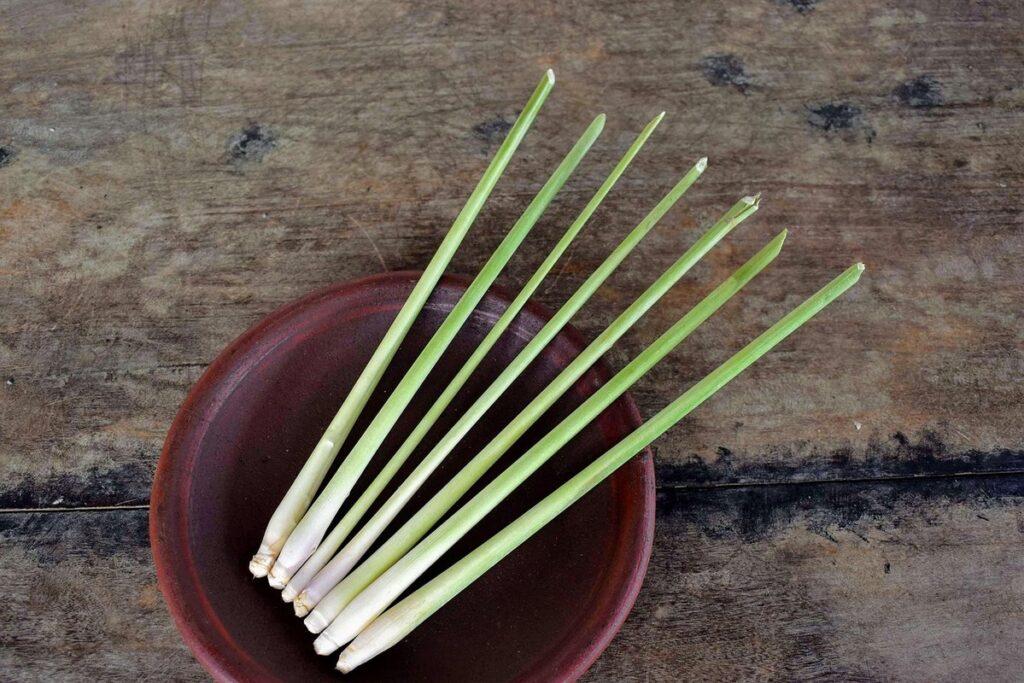
Understanding Lemongrass Plants
To truly optimize your lemongrass plant health, it’s essential to understand its unique needs and characteristics. Let’s dive into the fascinating world of lemongrass plants.
Types of Lemongrass and Their Unique Needs
There are several types of lemongrass plants, each with its own unique needs to thrive. If you’re growing tropical lemongrass (Cymbopogon citratus), you’ll want to provide full sun to partial shade and regular watering. This variety requires at least 6 hours of direct sunlight per day and should be watered deeply once or twice a week, depending on the climate.
Temperate lemongrass (Cymbopogon flexuosus) is more adaptable and can tolerate partial shade and dry spells. However, it still needs well-draining soil and regular fertilization to maintain its robust growth. For both varieties, avoid over-fertilizing, as this can lead to weak stems and reduced oil production.
In addition to sunlight and watering, temperature also plays a crucial role in lemongrass cultivation. Tropical lemongrass prefers warmer temperatures above 64°F (18°C), while temperate lemongrass is more tolerant of cooler temperatures down to 50°F (10°C). By understanding the specific needs of your lemongrass variety, you can create an optimal growing environment for a healthy and productive plant.
Environmental Factors Affecting Lemongrass Plant Health
Environmental factors significantly impact lemongrass plant health. Temperature is one of the critical environmental conditions that affect lemongrass plants. They thrive best in temperatures between 65°F and 85°F (18°C to 30°C). However, extreme temperatures can be detrimental – below 40°F (4°C), and above 90°F (32°C), damage can occur.
Maintaining optimal humidity levels is also essential for lemongrass plants. They prefer a relatively high humidity environment, typically between 50% to 60%. This is why many growers place the pots on trays filled with water and pebbles or use humidifiers nearby. Air circulation is another crucial factor; it helps prevent fungal diseases that thrive in stagnant air.
To create an ideal environment for lemongrass plants, ensure proper air exchange by keeping a safe distance between plants and providing sufficient space for growth. Consider using fans or open windows to facilitate airflow. When moving the plant indoors or outdoors, acclimate them gradually to prevent shock. This can be done by placing the pot in a shaded area outside for a few days before exposing it directly to sunlight.
Soil and Fertilization Needs
To keep your lemongrass plant thriving, it’s essential to understand its unique soil and fertilization needs, which can vary depending on climate and region. Let’s dive into these crucial factors together!
Choosing the Right Potting Mix for Lemongrass
When it comes to growing lemongrass, choosing the right potting mix is crucial for optimal health and productivity. Lemongrass plants prefer well-draining soil that can handle frequent watering without waterlogging, which makes a mix with a high perlite or vermiculite content ideal.
Look for a potting mix with a slightly acidic to neutral pH level (around 6.0-7.0), as this range allows lemongrass to absorb essential nutrients efficiently. Avoid mixes with too much fertilizer, as they can cause salt buildup and harm your plant in the long run.
Some key characteristics of a good potting mix for lemongrass include:
• High organic matter content (around 20-30%) to support beneficial microbial activity
• Adequate aeration and drainage to prevent waterlogged soil conditions
• Neutral to slightly acidic pH level (around 6.0-7.0) to promote nutrient uptake
You can mix your own potting blend using ingredients like peat moss, compost, perlite, or vermiculite. Alternatively, opt for a commercial lemongrass-specific potting mix that combines these essential components in the right proportions.
Fertilizing Lemongrass Plants: Organic vs. Synthetic Options
When it comes to fertilizing your lemongrass plants, you’ll want to consider whether organic or synthetic options are best for your soil and plant needs. Organic fertilizers offer a more natural approach, relying on decomposed plant material, animal waste, or minerals to provide essential nutrients. These fertilizers tend to release their nutrients slowly, promoting healthy root growth and reducing the risk of over-fertilization.
However, organic fertilizers may not be as readily available or affordable as synthetic options, which can provide a quicker nutrient boost. Synthetic fertilizers, on the other hand, contain high concentrations of nitrogen, phosphorus, and potassium (NPK) that promote rapid plant growth but can also lead to imbalances in your soil’s pH levels.
When choosing between organic and synthetic fertilizers for lemongrass plants, consider your soil type: sandy soils tend to drain quickly and may require more frequent fertilization, while clay soils retain moisture and nutrients better. For younger lemongrass plants (less than a year old), opt for gentle, slow-release organic options to prevent burning their delicate roots.
Watering and Humidity Considerations
When it comes to keeping your lemongrass plant happy, proper watering and humidity levels are crucial for its overall health. Understanding these needs will help you provide optimal conditions.
Watering Frequency and Techniques for Optimal Health
Watering frequency and techniques are crucial for maintaining optimal health in lemongrass plants. The ideal watering schedule depends on several factors, including climate, pot size, and plant maturity.
In general, lemongrass plants prefer well-draining soil and should not be watered too frequently, as this can lead to root rot. Water your lemongrass plant when the top 1-2 inches of soil feels dry to the touch, usually every 3-5 days in hot and humid climates.
For smaller pots (less than 6 inches), it’s best to water every other day to prevent drying out. Larger pots can go a week or more between waterings, depending on the climate. Be cautious not to overwater, especially during periods of high rainfall or humidity.
Some effective watering techniques include soaking the pot in a sink or large container for 10-15 minutes to ensure the roots receive adequate moisture. Alternatively, use a drip irrigation system or water at soil level to minimize evaporation and prevent fungal diseases.
Maintaining Proper Humidity Levels for Lemongrass Plants
Maintaining proper humidity levels is crucial for lemongrass plants to thrive. Lemongrass requires a relatively high humidity level, typically between 50-70% relative humidity. To achieve this, you can use a humidifier specifically designed for indoor plants. These devices release moisture into the air, creating a suitable environment for your lemongrass.
When selecting a humidifier, consider one that’s compact and energy-efficient to avoid taking up too much space in your home or office. Some popular options include ultrasonic humidifiers and cool-mist humidifiers. Be sure to clean and maintain your humidifier regularly to prevent bacterial growth and ensure it functions properly.
In addition to using a humidifier, you can also employ other methods to increase humidity around your lemongrass plant. Place the pot on a tray filled with water and pebbles or group plants together to create a microclimate that promotes high humidity. These techniques are effective ways to maintain optimal humidity levels for your lemongrass without relying solely on humidifiers.
Pest Control and Disease Management
To keep your lemongrass plant thriving, it’s essential to stay on top of common pests and diseases that can compromise its health. This section will walk you through effective pest control and disease management techniques.
Common Pests Affecting Lemongrass Plants and How to Manage Them
Aphids, whiteflies, and spider mites are some of the most common pests that affect lemongrass plants. These tiny insects feed on the sap of the plant, causing curled or distorted leaves, stunted growth, and reduced yields.
To control these pests, it’s essential to use an integrated pest management (IPM) approach. This involves combining physical, cultural, biological, and chemical controls to manage infestations. Start by inspecting your plants regularly for signs of pest activity, such as sticky honeydew droplets or actual insects on the leaves.
For aphids and whiteflies, introduce natural predators like ladybugs or lacewings to your garden. These beneficial insects will feed on the pests, controlling their population. To prevent infestations, maintain good air circulation around your plants and keep them well-watered but not waterlogged.
In severe cases, use insecticidal soap or neem oil to control pest populations. Always follow the product label instructions and take necessary precautions to avoid harming beneficial insects. With a combination of these techniques, you can effectively manage common pests and maintain healthy lemongrass plants.
Recognizing and Treating Fungal Diseases in Lemongrass
Fungal diseases can be a major issue for lemongrass plants if left unchecked. To identify fungal infections, look out for symptoms such as yellowing leaves, soft spots on the stem, and black or white mold growths. These issues often occur due to overwatering, poor air circulation, and high humidity.
Some common fungal diseases that affect lemongrass include root rot, leaf spot, and powdery mildew. Root rot is typically caused by Phytophthora spp. and can be identified by soft, mushy roots. Leaf spot, on the other hand, is often caused by Cercospora spp. and characterized by small, circular lesions on the leaves.
To treat fungal diseases in lemongrass, prune infected areas to prevent further spread, improve air circulation around the plant, and reduce watering to a minimum. Apply a fungicide specifically designed for tropical plants, following all label instructions carefully. Additionally, maintain good garden hygiene by disposing of infected plants and disinfecting tools regularly.
Keep an eye on your lemongrass plants during periods of high humidity or after heavy rainfall to catch any potential fungal issues early on. Regular monitoring can save you from dealing with more severe problems down the line.
Pruning and Training Lemongrass Plants
To keep your lemongrass plants healthy and thriving, it’s essential to prune them regularly and train their stems in a way that promotes balanced growth. Pruning also encourages new shoots to emerge.
The Importance of Regular Pruning for Healthy Growth
Regular pruning is essential for maintaining healthy lemongrass plants. Not only does it promote vigorous growth and prevent disease, but it also encourages new shoots to emerge, making the plant more resilient. Pruning helps control the plant’s size and shape, which is particularly important when growing in containers or where space is limited.
To prune your lemongrass effectively, start by removing any dead or damaged leaves to prevent the spread of disease. Next, cut back the top growth to about one-third to encourage bushy growth and prevent the plant from becoming leggy. You can also use this technique to control the height of your lemongrass plants.
When shaping your lemongrass, consider a ‘cut-and-come-again’ approach. Cut off the flower stalks as soon as they appear, which will encourage the plant to produce more foliage and prevent it from flowering. This method promotes healthy growth and encourages the plant to focus its energy on developing strong roots and new shoots.
Training Lemongrass to Grow Upright or as a Hedge
Training lemongrass plants to grow upright or as a hedge can be achieved with the right techniques and support. For an upright growth habit, stake the plant at planting time by inserting a bamboo stake beside it. As the plant grows, tie the stem loosely to the stake using twine or wire. This will encourage the stalks to grow upwards rather than sprawling.
For training lemongrass as a hedge, plant multiple stems close together and trim them regularly to maintain shape and promote bushy growth. To support the plants while they’re young, install a trellis or stake system that can be adjusted as needed. This will help keep the stalks upright and prevent damage from wind.
When training lemongrass, it’s essential to prune regularly to control height and encourage branching. Remove flower stalks and any weak or damaged leaves to direct energy towards leaf growth. Regular pruning also helps maintain plant health by removing disease-prone areas.
Common Problems and Solutions for Lemongrass Plant Care
Lemongrass plant care isn’t always a breeze, and many growers face common issues like yellowing leaves, pests, and overwatering. Let’s tackle these problems together!
Troubleshooting Common Issues with Lemongrass Plants
If you’re experiencing issues with your lemongrass plant, don’t worry – it’s more common than you think. One of the most noticeable problems is yellowing leaves. This can be caused by overwatering or underwatering, so make sure to check your watering schedule. If the soil feels too wet or waterlogged, repot your lemongrass in fresh soil with good drainage.
Another issue many owners face is droopy stalks. To resolve this, ensure that your lemongrass plant gets plenty of light – it thrives in bright spots but can tolerate partial shade. Prune any weak or damaged growth to encourage healthy new development and prevent pests from taking hold.
Lemongrass plants typically require around 12 hours of indirect sunlight each day, so if you’re concerned about your lemongrass plant’s light exposure, consider moving it closer to a sunny window. Failing to provide sufficient light can stunt the growth or cause the stalks to become weak and droopy.
Some owners might also notice poor growth in their lemongrass plants. This could be due to inadequate fertilization or lack of space for the roots to grow. Regularly fertilize your lemongrass with a balanced fertilizer, following the manufacturer’s instructions for application rates and intervals.
Preventative Measures for Long-Term Health and Success
To maintain healthy lemongrass plants over the long term, it’s essential to implement preventative measures that address potential problems before they arise. Regularly monitor your plant’s health by checking for signs of stress, pests, or diseases. Look out for yellowing leaves, droopy stems, or white powdery patches – these can be early warning signs of issues that need attention.
Adjust your care routine as needed to prevent problems from developing further. For example, if you notice your lemongrass plant is leaning towards the light source, consider pruning it back to encourage bushy growth and prevent legginess. Similarly, if you’re overwatering or underwatering, adjust your watering schedule accordingly.
Anticipate potential problems by understanding common issues that can affect lemongrass plants. Be aware of pests like spider mites, mealybugs, and scale, which can be controlled with neem oil or insecticidal soap. Also, know the signs of root rot, which can be caused by overwatering – if you notice your plant’s roots are soft and mushy, take action to adjust its watering schedule.
By being proactive and attentive, you can prevent many common problems that might otherwise compromise your lemongrass plant’s health and longevity.
Advanced Lemongrass Plant Care Techniques
If you’re looking for ways to take your lemongrass plant care to the next level, advanced techniques can make all the difference in achieving optimal health and resilience. These expert methods will guide you through that process effectively.
Soil Testing and Adjustments for Optimal Growth
Soil testing is an often-overlooked yet crucial aspect of lemongrass plant care. By understanding what’s happening beneath the surface, you can make informed decisions to create an optimal growing environment for your lemongrass.
When it comes to soil testing, you’re looking for a comprehensive analysis that includes pH levels, nutrient content, and potentially other factors like salinity or contamination. Interpretation of test results requires some expertise, but essentially, you want to identify any deviations from the ideal ranges for lemongrass growth. For instance, most lemongrass varieties prefer slightly acidic soil with a pH between 5.5 and 6.5.
Common adjustments include adjusting pH through lime or sulfur applications, adding fertilizers tailored to your plant’s nutrient needs, or even repotting into fresh soil. Be cautious not to overdo it – excessive fertilizer can cause more harm than good. Consider incorporating organic matter like compost or well-rotted manure to improve soil structure and fertility naturally.
To give you a better sense of what to look for, here are some ideal nutrient levels: nitrogen (N) around 50-70 ppm, phosphorus (P) around 10-20 ppm, and potassium (K) above 80 ppm.
Companion Planting Strategies for Healthy Lemongrass Plants
When it comes to growing healthy lemongrass plants, companion planting can be a game-changer. By strategically pairing lemongrass with other herbs and plants, you can create a balanced ecosystem that promotes growth, repels pests, and even adds flavor to your cooking.
One classic combination is pairing lemongrass with basil. Not only do they complement each other in culinary dishes, but basil also helps to repel pests that target lemongrass, such as aphids and whiteflies. Plus, their fragrance synergies can enhance the overall aroma of both plants.
However, it’s essential to note that mint and lemongrass don’t mix well. Mint can overpower lemongrass, stifling its growth and flavor. Instead, consider pairing lemongrass with other herbs like rosemary or thyme, which share similar growing conditions and can help to deter pests naturally.
Some other companion planting options for lemongrass include:
* Nasturtiums: These colorful flowers repel aphids and whiteflies, reducing the need for pesticides.
* Chives: They enhance soil fertility and attract beneficial insects that prey on lemongrass pests.
* Oregano: This hardy herb repels mosquitoes and other flying pests that target lemongrass.
Remember to research each combination carefully before introducing new plants to your garden. Some companions may require specific growing conditions or space requirements, so make sure to plan accordingly. By implementing these strategic pairing techniques, you’ll be well on your way to cultivating thriving, pest-resistant lemongrass plants.
Frequently Asked Questions
Can I use the same lemongrass plant care checklist for both indoor and outdoor plants?
Yes, while some specifics may vary depending on your environment, the general guidelines provided in this article can be adapted for both indoor and outdoor lemongrass plants. Just remember to consider factors like temperature, humidity, and light exposure unique to your specific setup.
How do I know if my lemongrass plant is getting enough humidity?
Maintaining proper humidity levels is crucial for lemongrass plants. If you notice brown tips on the leaves or a general decline in growth, it may be a sign that your plant needs more moisture in the air. Consider using a humidifier or placing the pot on a tray with pebbles and water to increase the surrounding humidity.
What’s the best way to propagate lemongrass plants from cuttings?
Propagation is a great way to multiply your favorite varieties, but it can be tricky. For successful propagation, use fresh cuttings (about 6-8 inches long) and plant them in well-draining soil with full sun. Water thoroughly and maintain high humidity until roots develop, usually within 1-2 weeks.
Can I grow lemongrass plants in containers year-round?
While lemongrass plants can thrive in containers, they do require some special care during the winter months when temperatures drop. To keep your plant healthy throughout the year, choose a container that drains well and use a high-quality potting mix specifically designed for tropical plants.
How often should I repot my lemongrass plant to ensure optimal health?
Repotting is essential for maintaining the health of your lemongrass plant. Generally, you’ll want to repot every 6-12 months as the roots outgrow their container. This allows you to refresh the soil and provide more room for the roots to expand, ensuring a thriving and fragrant plant.