
Starting a lemongrass garden can be an exciting project, but did you know that the temperature range for lemongrass germination is crucial for its success? If you’re looking to grow this fragrant and versatile herb, understanding the ideal temperature range will make all the difference. Lemongrass prefers warm temperatures between 65°F and 75°F (18°C-24°C) during the germination phase, which usually takes around 1-2 weeks. However, extreme temperatures can hinder or even prevent germination altogether. In this article, we’ll delve into the specifics of lemongrass germination temperature, including how to control temperature extremes and ensure optimal growth from seedling development to mature plant care. By following these tips, you’ll be well on your way to growing healthy, thriving lemongrass plants in no time!
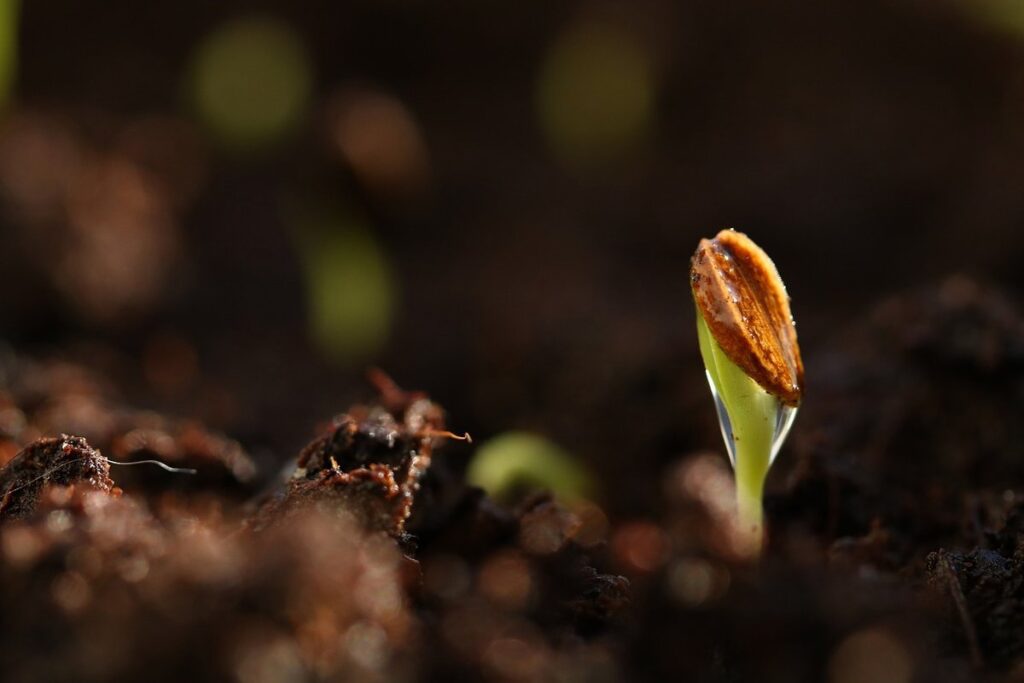
Understanding Lemongrass Seed Germination Basics
Before we dive into lemongrass germination temperature, it’s essential to understand the basics of seed germination. This process can be a bit mysterious for new gardeners, but don’t worry, I’m here to guide you through it.
What is Lemongrass and Why is Germination Important?
Lemongrass is a tropical grass native to Southeast Asia, widely cultivated for its citrusy scent and flavor. Its essential oil is used in aromatherapy, cooking, and perfumery, while the leaves are employed in herbal medicine. The plant’s popularity stems from its adaptability, drought tolerance, and versatility in various applications.
Proper germination is crucial for lemongrass to thrive. Without optimal conditions, seeds may not sprout or grow weakly, leading to reduced yields and lower quality essential oil. Factors such as temperature, humidity, and soil quality significantly impact germination rates. A suitable temperature range for lemongrass seed germination typically lies between 75°F to 85°F (24°C to 29°C), although some studies suggest a narrower window of 78°F to 82°F (25°C to 28°C) is more effective.
To ensure successful germination, it’s essential to provide seeds with adequate moisture and oxygen. Soil temperature can be raised by covering the container with a clear plastic bag or using a heating mat. Consistent temperatures and humidity levels promote even growth, preventing seedlings from becoming leggy or developing root rot. By controlling these conditions, growers can increase their chances of achieving healthy, robust lemongrass plants.
Factors Influencing Lemongrass Seed Germination
When it comes to lemongrass seed germination, several environmental factors come into play. One of the most crucial is light exposure. Seeds that receive adequate light tend to germinate faster and with higher success rates compared to those kept in dark conditions. However, excessive direct sunlight can lead to seed overheating, hindering germination.
Water availability is also vital for lemongrass seeds. Overwatering can cause the seeds to rot before they have a chance to sprout, while underwatered seeds may struggle to break through their shells. Aim for consistent moisture levels, keeping the soil damp but not waterlogged.
Temperature and soil quality are equally important factors in lemongrass seed germination. An ideal temperature range is between 75°F and 85°F (24°C-29°C), with most lemongrass varieties thriving at temperatures around 80°F (27°C). Ensure your potting mix has good drainage properties to prevent waterlogged soil, which can be detrimental to young seedlings.
Maintaining a stable environment will significantly improve your chances of successful lemongrass seed germination.
Optimal Temperature Range for Lemongrass Germination
When it comes to getting your lemongrass seeds to germinate, understanding the optimal temperature range is crucial. In this section, we’ll explore the ideal temperatures for successful germination.
The Ideal Temperature Range for Fastest Growth
For lemongrass germination to occur efficiently, it’s essential to maintain an ideal temperature range. Studies have shown that optimal temperatures for lemongrass germination lie between 22-30°C (72-86°F). A temperature of around 25°C (77°F) is considered the sweet spot, resulting in a high germination rate.
Prolonged exposure to temperatures above 32°C (90°F) can lead to seedling mortality. Conversely, temperatures below 15°C (59°F) slow down germination significantly. It’s crucial to maintain a consistent temperature during this critical phase to prevent stunted growth or reduced yields.
To achieve the ideal temperature range for lemongrass germination, consider the following tips: Provide seeds with adequate moisture and humidity. Ensure good air circulation around the planting area to promote healthy root development. If you’re growing in an indoor setup, use a thermometer to monitor the temperature fluctuations and adjust accordingly. By keeping your lemongrass seeds within the optimal temperature range, you’ll be on the right track for successful germination.
How Temperature Affects Seedling Development
When it comes to lemongrass germination, temperature plays a crucial role not just in initiating growth but also in subsequent seedling development. As seeds sprout and grow into young plants, they undergo various physiological changes that are influenced by the ambient temperature.
Root growth is one of the primary areas where temperature affects seedling development. At optimal temperatures between 75-85°F (24-29°C), lemongrass seedlings tend to develop a robust root system, anchoring themselves deeply into the soil. Conversely, temperatures beyond this range can hinder root elongation and lead to weaker plants.
Stem elongation is another critical aspect where temperature comes into play. When exposed to temperatures within the ideal range, seedlings exhibit rapid stem growth, enabling them to reach their full height potential. However, if temperatures become too high or low, stem growth may slow down or even halt altogether.
Leaf formation also experiences an impact from temperature fluctuations. During ideal temperatures, seedlings will exhibit healthy leaf development with a vibrant green color, while deviations in temperature can lead to stunted leaves and reduced chlorophyll production.
Effects of Temperature Extremes on Lemongrass Germination
Understanding how temperature extremes impact lemongrass germination is crucial for successful growth. This section explores the effects of hot and cold temperatures on lemongrass seed germination.
Impact of High Temperatures (Above Optimal Range)
When lemongrass seeds are exposed to temperatures above their optimal range, it can have devastating effects on germination. High temperatures can cause seed damage, leading to reduced germination rates and increased risk of fungal diseases.
At temperatures between 85°F to 95°F (29°C to 35°C), lemongrass seeds may experience heat stress, which can lead to a reduction in the number of viable seeds. This is because high temperatures can break down the cell walls within the seed, rendering it unable to germinate properly. In severe cases, the seeds may even become discolored or develop cracks.
As temperatures continue to rise above 95°F (35°C), lemongrass seeds are more susceptible to fungal diseases, such as root rot and leaf spot. These conditions can be particularly problematic in humid environments where water is readily available for pathogens to thrive. To mitigate the effects of high temperatures on lemongrass germination, it’s essential to provide optimal growing conditions, including adequate ventilation and temperature control within the greenhouse or indoor space.
By understanding the impact of high temperatures on lemongrass seeds, growers can take steps to prevent damage and promote healthy germination rates. This includes monitoring temperature fluctuations and maintaining a consistent temperature range between 75°F to 85°F (24°C to 29°C) during the germination phase.
Impact of Low Temperatures (Below Optimal Range)
When lemongrass seeds are exposed to low temperatures, their germination process slows down significantly. At optimal temperatures between 75°F and 90°F (24°C-32°C), lemongrass seeds typically germinate within 7-10 days. However, when the temperature drops below this range, germination can take anywhere from 14 to 21 days or even longer.
Low temperatures not only slow down growth rates but also affect plant density and vigor. Lemongrass plants grown in cooler conditions tend to be more compact and less bushy than those grown at optimal temperatures. This reduced plant density makes them more susceptible to pests, such as spider mites, mealybugs, and scale insects.
In addition to slower growth rates and reduced plant density, low temperatures can also increase the risk of fungal diseases in lemongrass. The increased moisture that often accompanies cooler temperatures creates an ideal environment for fungal pathogens to develop. To mitigate these effects, lemongrass growers should aim to maintain optimal temperature ranges throughout the germination process.
Temperature-Control Methods for Lemongrass Germination
To successfully germinate lemongrass, you’ll need to understand how temperature affects the process, and one of the most effective methods is using controlled temperatures. This section covers essential techniques for achieving optimal germination conditions.
Using Greenhouses or Indoor Grow Rooms
Using greenhouses or indoor grow rooms is an effective way to maintain optimal temperature control for lemongrass germination. These enclosed spaces allow you to regulate the temperature, humidity, and light levels, creating a precise environment that supports healthy growth.
When using greenhouses or indoor grow rooms, it’s essential to consider factors like insulation, ventilation, and climate control systems. Insulation helps maintain consistent temperatures within the space, while ventilation ensures air circulation and prevents the buildup of moisture. Climate control systems, such as heating and cooling units, enable precise temperature adjustments.
In a greenhouse or indoor grow room, you can create a microclimate tailored to lemongrass germination requirements. For example, if your area experiences frosty nights, you can maintain a warmer temperature within the space using heating elements. Conversely, on hot days, you can cool the environment using shading materials or evaporative cooling systems.
By leveraging greenhouses or indoor grow rooms, you’ll be able to provide lemongrass seeds with an ideal temperature range of 75-85°F (24-29°C) for germination, ensuring a higher success rate and healthier seedlings.
Creating a Warm Microclimate for Seedlings
When it comes to lemongrass germination temperature control, creating a warm microclimate is essential for encouraging seedlings to grow. You can use various materials to achieve this, such as cloches, row covers, or cold frames.
A cloche is essentially a mini-greenhouse that fits over individual pots or trays of seeds. It works by trapping warm air and preventing it from escaping, creating an ideal environment for germination. To set up a cloche system, simply place the cloche over the seed tray, securing it with stakes or weights if necessary.
Another option is using row covers, which are lightweight, breathable fabrics that allow light and water to reach your plants while keeping cooler temperatures at bay. These can be draped over individual pots or an entire bed of seeds. Cold frames, on the other hand, are larger structures designed for seed starting and early-season protection from frost.
When choosing a material, consider factors like durability, maintenance requirements, and the overall climate in your area. For example, cloches work well in areas with high humidity, while row covers are better suited to drier climates. By selecting the right microclimate method, you can create an optimal environment for lemongrass germination temperature control.
Troubleshooting Common Temperature-Related Issues
Don’t worry if you’re encountering problems with your lemongrass seeds; we’ll walk you through troubleshooting common temperature-related issues to get your crop back on track.
Identifying and Addressing Temperature Extremes
When it comes to lemongrass germination, temperature extremes can be a major concern. To identify and address these issues, keep an eye out for delayed germination, stunted growth, or seedling death. These symptoms can often be linked back to incorrect temperature conditions.
Delayed germination might occur if the soil is too cold (below 65°F/18°C) or too hot (above 90°F/32°C). On the other hand, stunted growth can result from temperatures that are consistently above or below the optimal range. Seedling death often indicates prolonged exposure to extreme temperatures.
To troubleshoot temperature-related issues, take a close look at your lemongrass’s growing conditions. Check for factors like inconsistent soil temperature, inadequate light, or overwatering. You might also consider investing in a soil thermometer to monitor the temperature in real-time. By taking prompt action and adjusting your care routine as needed, you can help prevent further damage and promote healthy growth. In extreme cases, it may be necessary to restart with new lemongrass seeds or seedlings.
Strategies for Recovering from Temperature Extremes
When dealing with lemongrass seedlings that have been exposed to extreme temperatures, it’s essential to act quickly to minimize damage. One of the most critical steps is adjusting the watering schedule. Lemongrass plants are sensitive to overwatering, which can exacerbate temperature-related stress. Allow the soil to dry out slightly between waterings, but avoid letting it become too parched. This balance will help the plant recover from heat shock.
Another strategy for recovering from temperature extremes is providing supplemental lighting. LED grow lights or fluorescent lights can provide a gentle boost of energy, helping lemongrass seedlings overcome stress. Place these lights 6-8 inches above the soil surface and maintain them at 12-14 hours of light per day. Be cautious not to overexpose your plants, as this can lead to scorched leaves.
In severe cases, repotting may be necessary to give lemongrass seedlings a fresh start. Choose a well-draining potting mix and transfer the plant to a slightly larger container. This change in environment will provide an opportunity for the seedling to recover from heat stress and establish a strong root system.
Best Practices for Lemongrass Germination and Care
To successfully grow lemongrass, it’s essential to understand the best practices for germinating seeds, including optimal temperature control and humidity levels. Let’s dive into these crucial tips next.
Maintaining a Consistent Environment
Maintaining a consistent environment is crucial for lemongrass germination and growth. Temperature fluctuations can cause stress to young seedlings, leading to reduced germination rates and stunted growth. To replicate the optimal temperature conditions found in tropical regions where lemongrass naturally grows, ensure your indoor space maintains a stable temperature range of 65-75°F (18-24°C) during the day.
Keep humidity levels consistent by placing the pot on a tray filled with water and pebbles or using a humidifier nearby. This will maintain an ideal relative humidity of 50-60% around the seedlings. It’s also essential to provide adequate light, but avoid direct sunlight which can cause scorching. Instead, use grow lights that mimic natural daylight, emitting blue and red spectrums in a 12-hour day-night cycle.
To minimize temperature fluctuations, place your lemongrass pot near an east- or west-facing window, where it will receive gentle morning or afternoon sunlight without overheating. Regularly monitor the temperature and adjust as necessary to ensure consistency. By maintaining these optimal conditions, you’ll be able to encourage healthy germination and promote robust growth in your lemongrass plants.
Providing Optimal Soil Conditions
When growing lemongrass, providing optimal soil conditions is crucial for successful germination and healthy plant development. Lemongrass prefers well-draining soil with a slightly acidic to neutral pH range, between 6.0 and 7.0. This allows the roots to breathe easily, preventing waterlogged conditions that can lead to root rot.
In terms of nutrient requirements, lemongrass needs a balanced diet of essential micronutrients like nitrogen (N), phosphorus (P), and potassium (K). However, it’s best to avoid over-fertilizing, as this can damage the roots. A mix of compost or organic fertilizer with slow-release nutrients will provide the necessary boost without causing harm.
Moisture retention is also vital for lemongrass growth. Soil that retains just the right amount of moisture allows the plant to absorb water and nutrients efficiently. Aim for a soil with good water-holding capacity, but avoid compacted soils that can hinder root growth. Mulching around the base of the plants will help maintain optimal moisture levels while keeping weeds at bay.
Frequently Asked Questions
How can I ensure consistent temperature control for lemongrass seed germination?
Consistent temperature control is crucial for successful lemongrass germination. To achieve this, consider using a heat mat or thermostat-controlled warming system specifically designed for seed starting. You can also place the pot on top of a heating vent or near a sunny window, but be cautious not to expose the seeds to direct sunlight or extreme temperatures. Monitor the temperature regularly and adjust as needed to maintain the optimal range.
Can I use LED grow lights to supplement natural light during lemongrass seed germination?
LED grow lights can be an excellent way to provide supplemental lighting for lemongrass seedlings, especially in areas with limited natural light. Choose LED grow lights specifically designed for seed starting and ensure they are placed at the correct distance from the seeds (about 6-8 inches). This will help promote healthy growth and prevent over-heating.
How do I handle temperature fluctuations during the lemongrass germination process?
Temperature fluctuations can be detrimental to lemongrass seed germination. To mitigate this, consider using a thermometer to monitor the temperature regularly. If you notice any extreme temperature changes, adjust your heating or cooling systems accordingly. You can also use techniques like moving the pot to a cooler location during the hottest part of the day.
Can I grow lemongrass from seeds indoors without a greenhouse or indoor grow room?
Yes, you can grow lemongrass from seeds indoors without a greenhouse or indoor grow room. However, ensure that your home maintains a consistent temperature between 65°F and 75°F (18°C-24°C) during the germination phase. Provide adequate lighting using LED grow lights or place the pot near a sunny window. Be cautious not to over-water or expose the seeds to extreme temperatures.
What are some common mistakes to avoid when controlling lemongrass seed germination temperature?
When controlling lemongrass seed germination temperature, be aware of common mistakes like exposing seeds to direct sunlight, using inadequate heating or cooling systems, and neglecting to monitor temperature fluctuations. Additionally, avoid over-watering or underwatering the seeds, as this can also affect germination success. By being mindful of these potential pitfalls, you’ll increase your chances of successful lemongrass seed germination.