
Starting your own lemongrass garden can be a thrilling experience, but it requires careful planning and attention to detail. One crucial aspect that often gets overlooked is stratification – the process of mimicking nature’s cold temperatures to break seed dormancy. Achieving optimal growth and high germination rates relies heavily on proper stratification techniques. But with so many variables at play, it can be overwhelming for even the most experienced gardeners.
If you’re struggling to get your lemongrass seeds off the ground or want to improve their overall health, this guide is for you. We’ll delve into the specifics of cold stratification and explore common mistakes that could be hindering your progress. From selecting the right seeds to troubleshooting issues along the way, we’ll cover everything you need to know about lemongrass stratification requirements. By the end of this article, you’ll have a solid understanding of how to give your lemongrass the best possible start in life and enjoy a bountiful harvest.
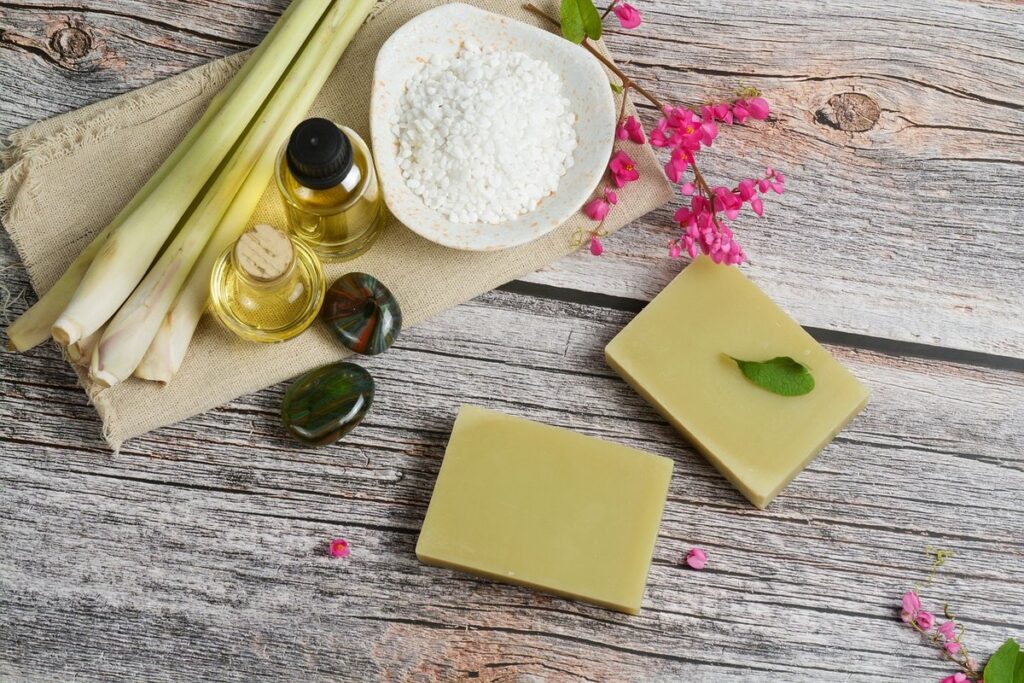
Understanding Lemongrass and Its Growth Habits
To fully grasp the stratification requirements of lemongrass, it’s essential to understand its growth habits and unique characteristics that affect how it responds to temperature fluctuations. This knowledge will serve as a solid foundation for our exploration of stratification needs.
Introduction to Lemongrass
Lemongrass is a tropical plant native to Southeast Asia, prized for its versatility and numerous uses. It’s a hardy perennial herb that can grow up to 3 feet tall, with long, slender leaves that are a vibrant green color. The lemongrass plant has a thick, woody base that stores energy during the dry season, allowing it to survive periods of drought.
As an essential oil extracted from its leaves, lemongrass is widely used in aromatherapy for its calming and uplifting properties. It’s also a popular ingredient in cooking, particularly in Southeast Asian cuisine, where it adds a citrusy flavor to dishes like curries and soups. Lemongrass tea, made by steeping the leaves in hot water, is consumed for its potential health benefits, including reducing inflammation and improving digestion.
For gardeners, lemongrass is an attractive addition due to its unique fragrance and ability to repel mosquitoes. However, it requires specific stratification conditions to thrive, which will be explored in more detail later. Understanding the basics of lemongrass growth habits is essential for determining the best stratification requirements, making it a crucial starting point for this comprehensive guide.
Types of Lemongrass
There are several types of lemongrass, each with its unique characteristics and growth habits. One of the most common varieties is East Indian lemongrass (Cymbopogon citratus), which is native to Southeast Asia and preferred for its culinary uses due to its citrusy flavor and aroma. This variety thrives in warm climates with high humidity, making it ideal for tropical regions.
Another popular type is West Indian lemongrass (Cymbopogon nardus), which is native to the Caribbean and parts of Central America. This variety has a stronger scent than East Indian lemongrass and is often used in perfumes and fragrances. It prefers well-drained soil and full sun, making it suitable for areas with mild winters.
Siam lemongrass (Cymbopogon citronella) is another notable variety that originated in Thailand. This type has a milder flavor than East Indian lemongrass but a stronger aroma. Siam lemongrass prefers warmer temperatures and high humidity, making it suitable for areas with mild winters.
When selecting a lemongrass variety for stratification, consider the specific climate and soil conditions of your region. Choose a type that thrives in those conditions to ensure successful growth.
Environmental Factors Affecting Growth
When it comes to lemongrass growth, environmental factors play a crucial role. Sunlight is one of the most significant contributors, with direct sunlight providing the necessary UV rays for photosynthesis and growth. Lemongrass thrives in full sun conditions, requiring at least 6 hours of direct sunlight per day. However, it’s essential to provide some shade during peak summer months to prevent scorching.
Temperature is another vital factor, with lemongrass typically growing best in temperatures between 65°F (18°C) and 95°F (35°C). Prolonged exposure to extreme temperatures can be detrimental, causing stress and stunted growth. In cooler climates, protect your lemongrass from frost by bringing it indoors or using a frost blanket.
Humidity levels also significantly impact lemongrass growth. It prefers a humid environment, with an ideal range between 50% and 70%. To maintain optimal humidity levels, ensure good air circulation around the plant and avoid overwatering, which can lead to root rot and other issues.
Preparing Lemongrass Seeds for Stratification
To successfully stratify lemongrass seeds, you’ll need to prepare them by extracting them from their seed pods and cleaning them thoroughly. This process is crucial for optimal germination rates.
Seed Selection and Acclimation
When it comes to growing lemongrass from seeds, selecting high-quality seeds is crucial for successful stratification. To choose healthy seeds, inspect them carefully for visible signs of damage or deterioration. Look for seeds that are plump and have a glossy appearance. It’s also essential to check the moisture content by gently scratching the surface; healthy seeds should be slightly firm to the touch.
Once you’ve selected your seeds, acclimate them to optimal growing conditions before stratification. This involves gradually introducing them to warmer temperatures (around 70-80°F) and high humidity levels. You can achieve this by placing the seeds in a plastic bag or a damp paper towel, then sealing it and letting it sit at room temperature for 2-3 days. By doing so, you’re helping the seeds adapt to their future environment, which will increase their chances of successful germination during stratification.
Keep in mind that lemongrass seeds have a relatively short viability period; they typically remain viable for only 6-12 months. So, if your seeds are older than this, it’s best to use fresh ones to ensure the highest success rate.
Seed Treatment and Storage
When storing lemongrass seeds for stratification, it’s crucial to prioritize seed treatment and storage to maintain their viability. Fungal infections can severely damage seeds, reducing their chances of germination.
To prevent fungal growth, disinfect the lemongrass seeds by soaking them in a 10% bleach solution (1 part bleach to 9 parts water) for about 15 minutes. This step should be performed before storage. Make sure to rinse the seeds thoroughly after bleaching and let them air dry completely.
For long-term storage, seal the lemongrass seeds in airtight containers or glass jars with silica gel packets to absorb moisture. Store them in a cool, dark place like a cupboard or drawer at room temperature (around 60-70°F). Avoid storing seeds near direct sunlight or heat sources as this can cause mold and fungal growth.
Regularly inspect your stored lemongrass seeds for signs of damage or contamination. Check their color, texture, and appearance. Any visibly damaged seeds should be discarded before stratification.
Cold Stratification: The Process and Its Benefits
Cold stratification is a crucial step in lemongrass germination, and understanding its process and benefits will give you a head start on successfully growing your plants. This section breaks down the intricacies of cold stratification for optimal results.
What is Cold Stratification?
Cold stratification is a crucial process for breaking dormancy in lemongrass seeds. In simple terms, it’s a period of cold temperature that mimics the natural winter cycle, allowing the seeds to germinate and grow. When lemongrass seeds are exposed to consistent moisture and cool temperatures, usually between 32°F (0°C) and 45°F (7°C), they begin to break their dormancy.
During this process, enzymes within the seed start to break down, preparing it for germination. It’s a critical step that replicates the natural conditions of winter, which would otherwise be difficult to replicate in a controlled environment like a greenhouse or indoor garden. For lemongrass, a period of cold stratification is necessary for successful germination and growth.
If you’re growing lemongrass from seed, it’s essential to provide a period of cold stratification before transferring the seeds to warmer temperatures. This can be achieved by placing the seeds in a refrigerator or using specialized equipment designed specifically for stratification. The length of time required for cold stratification varies depending on the specific conditions and temperature range used. Typically, lemongrass seeds require 30-60 days of cold stratification before they’re ready to germinate.
Preparing for Cold Stratification
Before starting the cold stratification process, it’s essential to prepare your lemongrass seeds correctly. This involves selecting a suitable container and preparing the necessary materials.
Choose a seed tray or small pots that are at least 1-2 inches deep, as this will give the developing roots room to grow. You can also use plastic bags or cell packs if you prefer. Make sure the container is clean and free of any debris or old plant material.
Next, prepare your seeds by gently scrubbing them with a soft brush under running water to remove any dirt or impurities. This step helps ensure good germination rates. Then, fill the container with a moistened seed starting mix, leaving about 1/4 inch of space at the top for watering. Finally, sow your lemongrass seeds on the surface and gently press them into place.
It’s also crucial to have a clear understanding of the temperature requirements during cold stratification. Typically, lemongrass seeds need to be exposed to temperatures between 35°F (2°C) and 45°F (7°C). You can use a refrigerator to simulate these conditions or create a makeshift cold frame in your greenhouse.
When selecting containers for cold stratification, keep in mind that larger pots may not provide enough oxygen for the developing roots. A smaller container will allow for better air circulation and help prevent root rot. Remember to label each container clearly so you can easily identify the seeds’ origin and any specific requirements.
Techniques for Cold Stratification
To successfully cold stratify lemongrass, you’ll want to learn specific techniques that ensure a healthy and thriving start to your plants’ growth. We’ll walk through these methods in more detail below.
Using a Refrigerator
Using a refrigerator for cold stratification is a straightforward process that requires careful attention to temperature settings and seed placement. To begin, set your refrigerator to its coldest temperature setting (usually around 39°F or 4°C). This will provide an optimal environment for cold stratification.
Next, prepare the lemongrass seeds by placing them on a moist paper towel or in a small container with a lid. Cover the seeds and place them inside the refrigerator. Make sure the seeds are not touching any surfaces that might cause mold growth or bacterial contamination.
Check on the seeds every 1-2 weeks to ensure they remain moist but not waterlogged. Replace the paper towel or container as needed to maintain humidity levels. After 30-60 days, remove the seeds from the refrigerator and plant them in well-draining soil, typically around ¼ inch deep and 12-18 inches apart. Keep in mind that lemongrass requires a warm environment for germination, so wait until the danger of frost has passed before transplanting. With proper care, you should start to see germination within 1-3 weeks.
Outdoor Methods: Burial or Exposure
If you don’t have access to a cold frame or greenhouse, you can still perform cold stratification outdoors using two alternative methods: burial and exposure. Burial involves digging a shallow hole, about 2-3 inches deep, and placing the lemongrass seeds or rhizome in it. Cover the seed or rhizome with soil, making sure not to pack it too tightly, as this can inhibit germination.
On the other hand, you can expose your lemongrass seeds or rhizomes to natural winter conditions by placing them on top of a layer of mulch or straw in a shaded area. This method allows for some flexibility in terms of temperature and moisture control. However, keep in mind that extreme temperatures, such as those below 40°F (4°C), can damage the seedlings.
For both methods, it’s essential to monitor the soil moisture regularly to prevent drying out, which can be a major setback during cold stratification. Water lightly but thoroughly when necessary, and ensure the soil remains cool but not frozen. By employing these outdoor methods, you can still achieve successful lemongrass germination without investing in specialized equipment.
Combination of Methods
Achieving optimal lemongrass stratification results often requires a combination of indoor and outdoor methods. This hybrid approach can be particularly beneficial for gardeners with limited space or those who need to adapt to changing weather conditions.
One common combination is to use a cold frame or greenhouse indoors during harsh winter months, then transition the lemongrass plants outside when temperatures rise in spring. For example, you can start by placing your lemongrass plants in a cold frame on a sunny windowsill or in a sunroom during winter. This will protect them from extreme cold and frost while still providing some light.
As soon as the threat of frost has passed, you can move the plants outside to a shaded area, such as under a tree or a trellis. This allows the lemongrass to receive more direct sunlight and warmth, promoting healthy growth and development. Alternatively, you can also use a combination of cold stratification indoors with outdoor storage in a container or pot.
Monitoring Progress and Sowing
Now that you’ve successfully stratified your lemongrass seeds, it’s time to monitor their progress and know when to sow them in a more permanent location. This section covers essential tips for tracking growth and transplanting success.
Checking Seed Viability
Checking seed viability is crucial during the stratification process to ensure you’re working with healthy seeds. To assess viability, you’ll need a sample of 10-20 seeds from each batch. Spread them evenly on a moistened paper towel and store it in an airtight container. After 7-14 days, inspect the seeds for signs of germination or mold growth.
Healthy lemongrass seeds should remain firm, while non-viable ones will appear soft or wrinkled. Discard any seeds that have developed mold. This process helps identify and separate viable from non-viable seeds.
If a significant portion of your seeds test as non-viable, consider adjusting your stratification strategy. If the issue persists despite optimizing conditions, it may be worth sourcing seeds from another supplier. Regularly assessing seed viability ensures you’re using high-quality seeds, which is vital for successful lemongrass cultivation.
Sowing Stratified Seeds
When you’re ready to sow your lemongrass seeds after cold stratification, it’s essential to follow best practices for optimal germination and growth. Start by preparing a seed tray or small pots with a well-draining potting mix specifically designed for tropical plants like lemongrass.
The ideal sowing depth is about ¼ inch (6-8 mm) deep, and you can sow one or two seeds per cell or pot, depending on the size of your container. Cover the seeds lightly with a thin layer of soil to prevent them from drying out. Water gently but thoroughly after sowing, making sure not to overwater as this can lead to rot.
Maintain consistent moisture levels by watering the seeds when the top inch (2.5 cm) of soil feels dry to the touch. Keep the seed tray or pots in a warm location with temperatures between 65-75°F (18-24°C), but avoid direct sunlight, which can cause overheating. Check on your seeds daily and remove any seedlings that have germinated unevenly or are showing signs of stress. This will give the remaining seedlings a head start on healthy growth.
Expected Germination Rates and Timing
When sowing lemongrass seeds that have undergone stratification, you can expect a significant improvement in germination rates and timing. In general, the expected germination rate for lemongrass is around 70-80%, although this can vary depending on factors such as seed quality and temperature.
As for timing, lemongrass typically takes 7-14 days to germinate after sowing, with optimal temperatures ranging from 70°F to 85°F (21°C to 30°C). However, it’s essential to maintain consistent moisture levels during this period. If the soil is too dry or waterlogged, germination may be delayed or even prevented.
To give you a better idea, let’s consider an example of a successful stratification process: A grower sowed lemongrass seeds that had been chilled at 41°F (5°C) for 30 days. After sowing, they kept the soil consistently moist and maintained temperatures between 75°F to 80°F (24°C to 27°C). As a result, their germination rate was an impressive 85%, with all seeds sprouting within 10-12 days. By following these guidelines and maintaining optimal conditions, you can expect similar results from your lemongrass sowing efforts.
Troubleshooting Common Issues
We’ve covered the basics, but sometimes things don’t go as planned; that’s why we’ll walk you through common issues and their solutions to ensure your lemongrass seeds germinate successfully.
Common Problems with Lemongrass Seed Stratification
Fungal infections and poor germination are two common problems that gardeners may encounter during lemongrass seed stratification. To avoid these issues, it’s essential to maintain a clean environment throughout the process.
Fungal infections can be caused by excess moisture, which can lead to mold growth on the seeds or in the stratification medium. This can be prevented by ensuring good air circulation and avoiding overwatering. It’s also crucial to use sterile equipment and containers when handling lemongrass seeds to minimize the risk of contamination.
Poor germination rates may be due to inadequate temperature control, insufficient light exposure, or incorrect moisture levels during stratification. To achieve optimal results, maintain a consistent temperature between 70°F to 80°F (21°C to 27°C) and ensure that the medium remains moist but not waterlogged. Additionally, provide lemongrass seeds with indirect light to promote healthy germination.
Regular monitoring of the seedlings’ progress can help you identify potential problems early on. Check for signs of fungal growth or root rot, which may require adjusting your stratification conditions or using fungicides as a last resort.
Solutions for Troubled Seeds
When lemongrass seeds don’t germinate as expected, it can be frustrating. One common issue is overwatering, which prevents seeds from absorbing oxygen and eventually leads to rotting. To avoid this, ensure that the propagation tray has good drainage holes and maintain a consistent moisture level. Water only when the top inch of soil feels dry.
Another problem is under-watering, causing seeds to shrivel up before germinating. To combat this, water your lemongrass seeds frequently but make sure not to overdo it. You can also try using a cloche or cover to maintain humidity and reduce transpiration loss.
Some seeds may experience dormancy, especially if they’re old or exposed to extreme temperatures. To address this, you can try cold stratification – placing the seeds in a plastic bag with some damp peat moss and refrigerating them for 30-60 days. This simulates winter conditions, helping the seed break its dormancy.
Monitor your lemongrass seeds closely during the stratification process to catch any issues early on.
Conclusion and Future Directions
Now that you’ve learned how to stratify lemongrass, let’s take a look at what to expect from your newly germinated plants and some ideas for future growth.
Recap of Key Takeaways
To successfully stratify lemongrass, it’s essential to remember that this tropical grass requires a delicate balance of moisture and temperature. We’ve discussed the importance of maintaining high humidity during the stratification process, which can be achieved by covering the pot with plastic wrap or a damp towel.
In terms of temperature, we established that lemongrass prefers temperatures between 65-75°F (18-24°C) to induce germination. It’s also crucial to provide adequate light, although not direct sunlight, as this can cause over-heating.
Additionally, our guide highlighted the significance of avoiding waterlogged soil and ensuring good air circulation around the pot. This helps prevent root rot and promotes healthy growth. To recap, successful lemongrass stratification requires a combination of high humidity, optimal temperature, sufficient light, and careful watering. By following these key requirements, you’ll be well on your way to successfully germinating lemongrass seeds.
In practice, this means maintaining consistent moisture levels, providing the right amount of light, and avoiding extreme temperatures. With patience and attention to detail, you can enjoy a bountiful harvest of fragrant lemongrass from your home garden.
Next Steps for Gardeners
Now that you’ve mastered the art of lemongrass stratification, it’s time to take your knowledge to the next level. As a gardener, you’re likely eager to apply what you’ve learned and continue exploring the world of tropical plants. Here are some exciting projects and research opportunities to consider:
Start by experimenting with different lemongrass varieties, such as ‘Mauritius’ or ‘Java’, to see which ones thrive best in your local climate. You can also try combining lemongrass with other herbs like ginger or galangal for a unique flavor profile. To take it up a notch, consider growing lemongrass from seed, which requires even more attention to stratification requirements.
For the curious gardener, there’s always room for further research on the topic of stratification and its impact on plant growth. You can explore other tropical plants that benefit from similar treatment, such as bamboo or elephant ear. Additionally, investigate ways to simulate natural conditions in your garden, like using temperature-controlled pots or creating a greenhouse effect with row covers.
By continuing to experiment and learn, you’ll become an expert in lemongrass cultivation and be able to share your knowledge with fellow gardeners. So don’t be afraid to get creative and push the boundaries of what’s possible with this versatile plant!
Frequently Asked Questions
Can I use warm stratification for lemongrass seeds if they’re not responsive to cold temperatures?
Some lemongrass varieties may not require cold stratification, or their tolerance may be lower than others. Warm stratification can still stimulate germination, but it’s essential to research your specific seed type and adjust the temperature accordingly (usually between 70°F-90°F). Keep in mind that warm stratification might reduce dormancy-breaking effectiveness compared to cold treatment.
What’s a suitable duration for lemongrass seed stratification?
The ideal stratification period depends on factors like temperature, moisture, and seed viability. As a general guideline, aim for 30-60 days at optimal temperatures (around 40°F-50°F). However, monitor your seeds regularly to determine when they’re ready for sowing. Be aware that longer periods may not improve germination rates significantly.
How do I determine if my lemongrass seeds are viable after stratification?
Before planting, perform a simple float test: gently place the seeds in water. Viable seeds will sink or at least partially submerge; non-viable seeds will float. This method is reliable for determining seed viability but doesn’t guarantee germination success.
Can I mix and match different lemongrass stratification methods (e.g., refrigerator and burial)?
Yes, you can combine multiple techniques to achieve the best results. For instance, pre-chill your seeds in a refrigerator and then transfer them outdoors or use a combination of cold stratification followed by warm treatment. However, be cautious when mixing methods: some lemongrass varieties may respond better to single or specific techniques.
How do I store stratified lemongrass seeds for longer-term preservation?
Once you’ve successfully stratified your seeds and they’re ready for sowing, store them in airtight containers at a consistent refrigerator temperature (around 40°F). This will help maintain seed viability until you’re ready to plant. Keep the containers away from moisture and direct sunlight to ensure prolonged storage quality.