
Growing lemongrass in a greenhouse is an ideal way to cultivate this aromatic herb, as it provides optimal temperature control and protection from harsh weather conditions. If you’re looking for a consistent supply of fresh lemongrass, a greenhouse setup can help you achieve just that. Lemongrass is a popular choice among gardeners due to its versatility in cooking and medicinal applications.
In this article, we’ll explore the benefits of growing lemongrass in a greenhouse, including strategies for optimal temperature control and effective pest management. We’ll also cover tips on how to ensure a bountiful harvest throughout the year. By the end of this post, you’ll be equipped with the knowledge needed to successfully grow lemongrass in your own greenhouse setup. Whether you’re a seasoned gardener or just starting out, this guide is designed to help you get started on growing your own lemongrass.
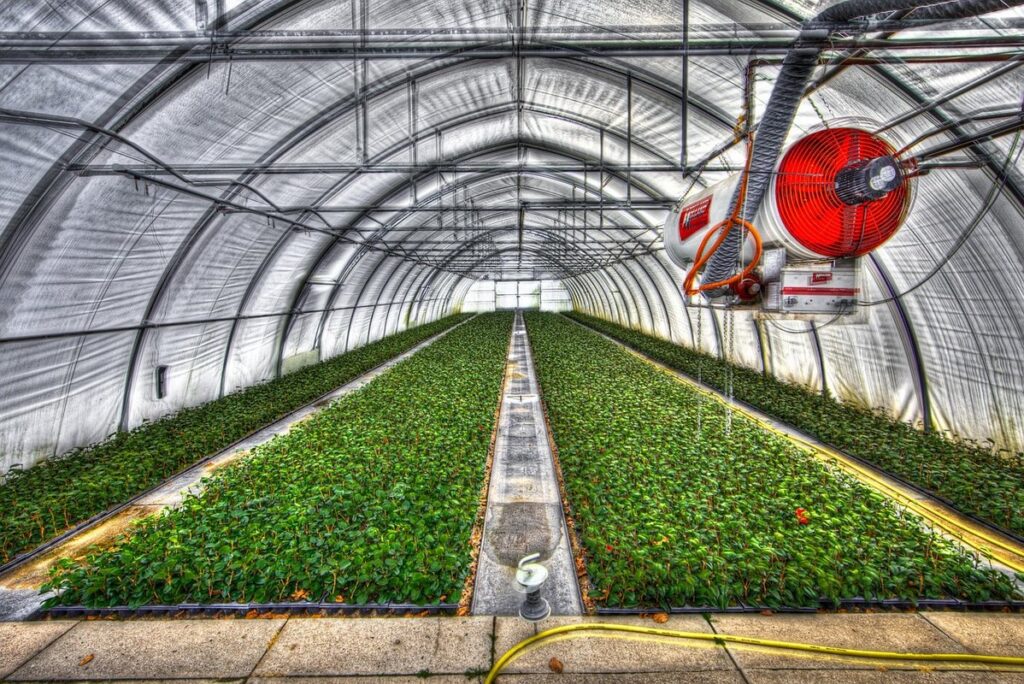
Benefits of Growing Lemongrass in a Greenhouse
Growing lemongrass in a greenhouse offers numerous advantages, from improved climate control to increased pest resistance. Let’s explore these benefits and see how they can enhance your greenhouse growing experience.
Advantages Over Outdoor Cultivation
Growing lemongrass in a greenhouse offers numerous advantages over outdoor cultivation. One of the primary benefits is better temperature control. In a greenhouse, you can maintain an optimal temperature range between 65°F to 90°F (18°C to 32°C), which is ideal for lemongrass growth. This level of precision is difficult to achieve outdoors, where temperatures can fluctuate significantly, affecting plant health and productivity.
Greenhouses also provide protection from pests and diseases that can decimate outdoor lemongrass crops. By encasing your plants in a controlled environment, you can prevent damage from insects, fungal infections, and other pathogens that thrive in outdoor conditions. For instance, the Asian longhorned beetle, which is notorious for attacking lemongrass, cannot penetrate a greenhouse.
Another significant advantage of growing lemongrass in a greenhouse is increased yields. By providing optimal temperature and humidity levels, you can stimulate healthy growth and development, resulting in more robust plants with higher oil content. This means that each plant will produce more essential oils, making it an attractive choice for commercial growers looking to maximize their harvests.
Optimal Climate for Lemongrass
When growing lemongrass in a greenhouse, it’s essential to maintain an optimal climate that promotes healthy growth and development. The ideal temperature range for lemongrass is between 60°F (15°C) and 80°F (27°C). Temperatures above or below this range can cause stress to the plant, leading to reduced yields and increased susceptibility to pests and diseases.
To create a conducive environment for lemongrass growth, ensure that your greenhouse maintains humidity levels of 50-70%. This will prevent excessive moisture loss from the leaves and encourage healthy root development. A humid microclimate also helps to promote the release of essential oils, which are responsible for the distinctive aroma and flavor of lemongrass.
In addition to maintaining optimal temperature and humidity levels, it’s crucial to provide adequate air circulation within your greenhouse. This can be achieved by installing fans or vents that allow for gentle air exchange. By replicating the natural conditions found in its native habitat, you’ll be able to grow healthy, aromatic lemongrass year-round, regardless of outdoor weather conditions.
For example, a study conducted in a controlled greenhouse environment found that maintaining optimal temperature and humidity levels resulted in an average increase of 25% in lemongrass yields compared to those grown under suboptimal conditions. By paying attention to these fundamental factors, you’ll be well on your way to cultivating lush, fragrant lemongrass in your greenhouse.
Preparing the Greenhouse Environment
Before you begin growing lemongrass in your greenhouse, it’s essential to create a favorable environment that mimics its tropical origins and promotes healthy growth. Let’s set up the perfect conditions for your lemongrass plants to thrive.
Lighting Considerations
When it comes to growing lemongrass in a greenhouse, sufficient light is crucial for optimal growth and development. Lemongrass requires at least 4-6 hours of direct sunlight per day, but this can be challenging depending on the location and time of year.
If natural sunlight is not available or is insufficient, supplemental lighting can be used to provide the necessary light requirements. LED grow lights are an excellent option for greenhouses as they are energy-efficient and produce minimal heat. Aim for a minimum of 20-30 watts per square foot to ensure your lemongrass plants receive the necessary light.
In addition to providing sufficient light, it’s also essential to consider the type of lighting used. Cool-white or daylight-spectrum LED lights promote healthy growth and prevent legginess in lemongrass plants. Avoid using warm-white or red spectrum lights as they can encourage flowering and reduce leaf growth. By ensuring your greenhouse receives adequate lighting, you’ll be well on your way to growing lush and fragrant lemongrass.
Soil Selection and Preparation
When it comes to growing lemongrass in a greenhouse, selecting the right soil is crucial for healthy root development. Lemongrass prefers well-draining soil with a slightly acidic pH between 5.5 and 6.5. A mix of peat moss or coconut coir, vermiculite, and perlite provides excellent drainage and aeration. You can also use a commercial potting mix specifically designed for tropical plants.
To prepare your soil, start by testing its pH level using a soil testing kit. If it’s too alkaline, add elemental sulfur or peat moss to lower the pH. Adding organic matter like compost or well-rotted manure will improve soil structure and fertility. Mix in 2-3 inches of compost or manure into the top 6-8 inches of soil before planting lemongrass. This will also help to suppress pests and diseases.
For greenhouse growing, it’s essential to avoid compacting the soil, which can lead to waterlogging and root rot. Use a gentle hand when mixing in amendments, and consider using raised beds or containers with good drainage holes. By selecting the right soil mix and preparing it properly, you’ll be creating an optimal environment for your lemongrass plants to thrive.
Sowing and Transplanting Lemongrass
To grow healthy lemongrass plants, you’ll need to sow seeds or transplant them at the right time, taking into account their specific needs and temperature requirements. Let’s dive into the sowing and transplanting process.
Seed Starting and Germination
When sowing lemongrass seeds indoors 6-8 weeks before transplanting, it’s essential to get them started off right. Begin by filling a seed tray or small pots with a well-draining seed starting mix. Moisten the soil gently but thoroughly.
Sow one lemongrass seed per cell or pot, about ¼ inch deep. While it may seem counterintuitive, sowing seeds at this depth allows for optimal germination and helps prevent overwatering. Space seeds 1-2 inches apart to allow for even growth.
Keep the soil consistently moist but not waterlogged. A temperature range of 75-85°F (24-29°C) is ideal for lemongrass seed germination, which typically occurs within 7-14 days. As soon as you notice sprouting, reduce watering to a slightly drier level to encourage strong root development.
By following these steps and providing the right conditions, you’ll be well on your way to growing healthy lemongrass plants from seed that are ready for transplanting into your greenhouse in no time.
Transplanting Techniques
When transplanting lemongrass into the greenhouse, it’s essential to minimize root disturbance to prevent shock and promote healthy growth. Start by gently removing the seedlings from their trays or pots, taking care not to touch the roots with your fingers. This can cause damage and lead to reduced plant performance.
To facilitate a smooth transfer, use a fork or a chopstick to carefully loosen the soil around the roots without damaging them. Once the seedling is out of its container, gently hold it by the leaves, making sure not to handle the stem or crown area.
Next, inspect the roots and trim any that are circling or growing outside the root zone. This will encourage the plant to focus its energy on developing a robust root system. Finally, place the seedling into its new pot or greenhouse bed, ensuring the soil level is the same as it was in the original container. Water thoroughly after transplanting to settle the soil and provide the roots with enough moisture to establish themselves.
By following these steps, you can successfully transfer your lemongrass seedlings into the greenhouse without causing undue stress on the plant.
Watering and Fertilization
To ensure your lemongrass thrives, mastering watering and fertilization techniques is crucial. This guide covers the specific needs for these two critical aspects of greenhouse care.
Irrigation Systems for Greenhouses
When it comes to maintaining optimal moisture levels in your lemongrass greenhouse, having an efficient irrigation system is crucial. There are several common systems you can consider, each with its own benefits and effectiveness.
Drip irrigation systems, for example, deliver water directly to the roots of the plants, reducing evaporation and runoff. This method is particularly useful for lemongrass, which has a deep root system and requires consistent moisture levels. By installing drip irrigation tubes alongside your plants, you can ensure that each one receives exactly the right amount of water.
Misting systems are another option, ideal for greenhouses with high temperatures and humidity levels. These systems release fine droplets of water into the air, creating a cooling effect while also providing the lemongrass with the moisture it needs. However, misting systems can be more expensive to install and maintain than drip irrigation.
It’s worth noting that both systems can be adjusted according to your specific greenhouse conditions. By monitoring temperature, humidity, and soil moisture levels, you can fine-tune your irrigation system to provide exactly what your lemongrass plants need.
Balanced Fertilization Schedule
Lemongrass requires a balanced fertilization schedule to meet its nutritional needs at different growth stages. During the seedling stage (0-2 weeks), use a starter fertilizer with a balanced N-P-K ratio of 10-10-10 or 20-20-20. Dilute this fertilizer to half the recommended strength to avoid burning the young roots.
As lemongrass grows, switch to a fertilizer high in nitrogen (e.g., 24-8-16) during the vegetative stage (2-6 weeks). This will promote lush growth and healthy foliage. During the flowering stage (after 6 weeks), reduce the nitrogen content and increase phosphorus (P) to encourage root development and fruiting.
Some examples of balanced fertilizers for lemongrass include Miracle-Gro, Scotts Osmocote, or E.B. Stone Organics Bloom! Fertilizer. When using these products, follow the recommended application rates and schedules. For best results, apply fertilizer every 1-2 weeks during the active growth phase.
Remember to also provide your lemongrass with adequate water and maintain good air circulation in the greenhouse. By following this fertilization plan, you’ll be rewarded with a healthy and thriving lemongrass crop.
Pest and Disease Management
When growing lemongrass in a greenhouse, it’s essential to be aware of common pests and diseases that can affect your plants. We’ll cover prevention methods and treatments for these issues below.
Common Pests Affecting Lemongrass
As you cultivate lemongrass in your greenhouse, it’s essential to be aware of common pests that can damage your crop. Early detection is key to preventing the spread and severe consequences. One such pest is the spider mite, which appears as fine webbing on leaves and stems. Their feeding can cause yellowing or bronzing of foliage.
Another issue is mealybugs, which resemble small cottony tufts attached to the plant’s surface. These pests feed on sap, slowing down growth and discoloration. Be mindful of aphids, tiny insects that congregate in clusters on tender shoots. They secrete sticky honeydew, attracting ants and promoting fungal growth.
Regular inspections are crucial for spotting these pests before they become severe. Monitor your plants’ health closely, checking the undersides of leaves and stems regularly. Use a hand lens or magnifying glass to inspect for tiny eggs or nymphs on plant surfaces. Take swift action if you notice any signs of infestation, applying targeted pesticides or introducing natural predators like ladybugs to control the problem.
Integrated Pest Management Strategies
When growing lemongrass in a greenhouse, it’s essential to adopt an Integrated Pest Management (IPM) strategy to minimize chemical use and maintain a healthy environment. This approach involves combining various methods to control pests effectively.
Biological control methods are a great starting point. For instance, introducing natural predators or parasites of common greenhouse pests like whiteflies and spider mites can help regulate their populations. Encourage beneficial insects by planting nectar-rich flowers nearby or installing an insect hotel.
Cultural controls also play a significant role in maintaining pest-free conditions. This includes ensuring proper ventilation, maintaining optimal temperature and humidity levels, and avoiding overwatering, which can lead to fungal diseases. Regularly inspect your lemongrass plants for signs of pests or diseases and take action promptly.
Physical barriers can be an effective deterrent against certain pests. For example, fine-mesh screens can keep aphids and thrips at bay while allowing beneficial insects to enter the greenhouse freely.
Harvesting and Post-Harvest Care
Now that your lemongrass plants are thriving, it’s time to learn how to harvest them at their peak flavor and aroma, as well as care for them after cutting. This is crucial for a successful crop.
Timing and Method of Harvesting
When it’s time to harvest lemongrass, you’ll know it’s reached its prime. Typically, this occurs after 12-18 months of growth, depending on factors like climate and greenhouse conditions. You can check for readiness by gently tugging on the stalks – if they come off easily, it’s ready.
To cut the stalks without damaging the plant, use a sharp tool or pruning shears. Cut the stalk as close to the base as possible, making sure not to damage any of the underground rhizomes. This will encourage new growth and prevent the plant from becoming leggy.
Remove any dead or damaged leaves from the harvested stalks to promote longevity and prevent mold. For continuous harvesting, simply cut back the entire plant to about 6 inches above the ground, allowing it to regrow within a few weeks.
Storing and Preserving Lemongrass
Proper storage and preservation of harvested lemongrass are crucial to maintain its quality for future use. Since lemongrass is a highly perishable crop, it requires careful handling to prevent spoilage.
Drying is an effective method for preserving lemongrass. Tie the stalks in small bunches and hang them upside down in a warm, dry, dark place with good air circulation. This will help retain the herb’s flavor and aroma. Alternatively, you can use a food dehydrator to speed up the process.
Freezing is another excellent option for preserving lemongrass. Chop the stalks finely and spread them out on a baking sheet lined with parchment paper. Place the sheet in the freezer until the lemongrass is frozen solid, then transfer it to an airtight container or freezer bag.
Refrigeration is also suitable for short-term storage of lemongrass. Trim the stalks to remove excess leaves and wrap them tightly in plastic wrap or aluminum foil. Store them in the refrigerator at a consistent temperature below 40°F (4°C). Be sure to check on the lemongrass regularly and use it within a week.
When storing lemongrass, make sure it’s completely dry to prevent moisture from accumulating and causing rot.
Additional Tips and Considerations
As you put your lemongrass greenhouse growing skills into practice, here are a few more things to keep in mind to ensure success: pest management strategies and troubleshooting tips.
Pruning and Training Techniques
Pruning and training techniques are crucial for promoting bushy growth and preventing lodging in lemongrass plants grown in a greenhouse. Regular pruning encourages the plant to produce new shoots and roots, making it more robust and less susceptible to wind damage. To prune your lemongrass effectively, remove any dead or damaged leaves and stems, cutting them off at the base of the plant.
When training your lemongrass, consider using trellises or stakes to provide support for the tall stalks. This not only helps maintain a neat appearance but also prevents lodging caused by strong winds. You can also try dividing the plants regularly to encourage new growth and prevent overcrowding.
Another technique is to prune back the tallest stems to about two-thirds of their height, which will stimulate branching and promote a fuller plant. Make sure to cut just above a node (the joint where a leaf meets the stem), as this will help the plant heal quickly and minimize the risk of disease entry points. By implementing these pruning and training techniques, you’ll be rewarded with healthy, bushy lemongrass plants that thrive in your greenhouse environment.
Monitoring Climate and Soil Conditions
Monitoring climate and soil conditions is crucial for optimal lemongrass growth within your greenhouse. To ensure your plants thrive, regular monitoring of temperature, humidity, and light levels is essential.
Firstly, check the temperature daily to avoid extreme fluctuations that can harm your lemongrass. Aim for a daytime temperature between 75°F to 85°F (24°C to 30°C) and around 65°F to 70°F (18°C to 21°C) at night. You can use a thermometer or install a smart climate control system to monitor temperatures remotely.
Next, monitor humidity levels closely, aiming for a relative humidity of 50-60%. This range will help prevent fungal diseases that thrive in high humidity environments. Use sensors or hygrometers to track changes and adjust the greenhouse environment as needed.
Regularly inspect soil moisture by inserting a finger into the soil up to the first knuckle. If the soil feels dry, it’s time for watering. Also, keep an eye on the pH levels of your potting mix, aiming for a slightly acidic to neutral range (pH 6.0-7.0).
By monitoring these conditions closely, you’ll be able to respond promptly to any potential issues and create an ideal environment for your lemongrass plants to flourish.
Frequently Asked Questions
Can I grow lemongrass in a greenhouse with low natural light?
Yes, you can still grow lemongrass in a greenhouse with limited natural light by using supplemental lighting such as LED grow lights. This will help ensure your plants receive the necessary photosynthetic active radiation (PAR) for healthy growth.
How do I prevent pests from damaging my lemongrass crop in the greenhouse?
To minimize pest issues, maintain optimal temperature control between 65°F to 90°F (18°C to 32°C), and use integrated pest management strategies such as introducing beneficial insects or using neem oil. Regularly inspect your plants for signs of infestation and take prompt action if necessary.
Can I use a self-watering system in my greenhouse for lemongrass cultivation?
Yes, self-watering systems can be an excellent option for greenhouse lemongrass cultivation, as they reduce the risk of overwatering and promote healthy root growth. However, ensure proper drainage to prevent waterlogged soil conditions that might lead to root rot.
How often should I fertilize my lemongrass plants in a greenhouse setting?
Fertilize your lemongrass plants regularly, but avoid overfertilizing which can cause more harm than good. Use a balanced fertilizer schedule, such as 10-10-10 NPK (nitrogen-phosphorus-potassium), and follow the recommended application rates for optimal results.
Can I harvest lemongrass year-round in my greenhouse, or is there a specific season?
With proper care and climate control, you can enjoy a year-round supply of fresh lemongrass from your greenhouse. However, peak harvesting typically occurs during the warmer months (spring-fall), while slightly reduced yields may be expected during the coldest winter periods when temperatures drop below 55°F (13°C).