
As you wander through the arid landscapes of the desert, have you ever spotted one of these tiny, winged creatures flitting from cactus to cactus? The cactus pollination hand, also known as a yucca moth or navel orangeworm, plays a vital role in maintaining the delicate balance of ecosystems. Without their help, cacti would struggle to reproduce, and the desert landscape would be vastly different. But human activities, such as habitat destruction and pesticide use, are threatening these crucial pollinators. In this article, we’ll delve into the fascinating world of cactus pollination hands, exploring their unique features, conservation efforts, and cultural significance. We’ll also examine how our actions impact these remarkable creatures and discuss ways to protect them for generations to come.
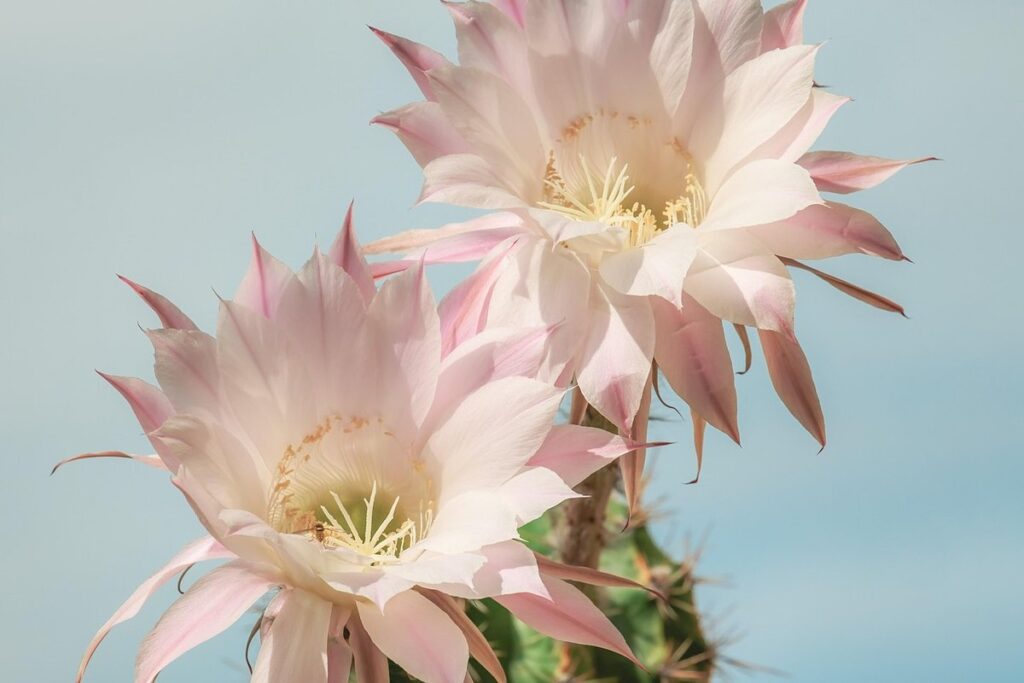
What Are Cactus Pollination Hands?
You’re probably wondering what cactus pollination hands are and how they play a crucial role in these unique plants’ reproductive cycles, so let’s dive into the details.
Definition and Importance
Cactus pollination hands are specialized structures found on certain species of cacti that play a vital role in their reproduction. These unique features allow the plant to collect and transfer pollen from one flower to another, facilitating fertilization and seed production.
In the ecosystem, cactus pollination hands are essential for maintaining biodiversity. By enabling cacti to reproduce, these structures help ensure the survival of these iconic desert plants. Without them, many cactus species would be unable to produce seeds, leading to a decline in their populations.
For cacti enthusiasts and gardeners, understanding cactus pollination hands is crucial for successfully cultivating these plants. By mimicking natural pollination processes, you can increase your chances of successful seed production and hybridization. For example, gently touching the pollen-filled stigma of one flower with the anther of another can facilitate pollination. This process may seem simple, but it requires patience and attention to detail.
In addition to their practical applications, cactus pollination hands offer a fascinating glimpse into the intricate relationships between plants and their environments. By studying these structures, we can gain a deeper appreciation for the complex mechanisms that govern plant reproduction and survival.
Types of Cactus Pollination Hands
One of the most fascinating aspects of cactus pollination hands is their incredible diversity. Different species have evolved unique adaptations to attract specific pollinators, such as bees, hummingbirds, and even bats. For instance, the iconic saguaro cactus (Carnegiea gigantea) has a distinctive long, curved “arm” that serves as a landing platform for hummingbirds, which transfer pollen from one flower to another.
The prickly pear cactus (Opuntia spp.), on the other hand, has modified areoles with a special type of hair that traps and guides pollinators like bees towards the flowers. Some species, such as the Christmas cactus (Schlumbergera bridgesii), have developed specialized structures called “pollen baskets” to collect and store pollen for later use.
Each of these adaptations is an example of co-evolution between the cactus plant and its pollinator. By examining these unique features, we can gain a deeper understanding of the intricate relationships between plants and animals in the desert ecosystem.
How Do Cactus Pollination Hands Work?
Cactus pollination hands are an intriguing phenomenon, and in this next part, we’ll explore how these unique adaptations work to facilitate seed production. Let’s dive into the fascinating mechanics behind it all!
Mechanisms of Pollination
Cactus pollination hands are unique structures that play a vital role in the reproduction of cacti. But have you ever wondered how they actually work? The process begins with the collection and transfer of pollen between flowers, ensuring successful fertilization.
Here’s how it works: as a visitor approaches the flower, the pollination hand springs into action. It catches onto the visitor’s clothing or skin, collecting pollen from their body. This usually occurs through gentle contact with a person, animal, or even another cactus. The pollen is then transferred to other flowers, allowing for fertilization and seed production.
In this intricate process, the type of pollinator can greatly impact the effectiveness of pollination. For instance, bees tend to visit multiple flowers in one session, significantly increasing the chances of successful transfer. On the other hand, birds and hummingbirds are often more discerning and may only visit a single flower before moving on.
To encourage healthy pollination, it’s essential to create an environment that allows for natural interactions between cacti and potential pollinators. By providing ample space and promoting coexistence with native species, you can foster the conditions necessary for successful fertilization to occur.
Role of Stigmas and Anthers
When it comes to cactus pollination hands, stigmas and anthers play a crucial role in facilitating pollen exchange and fertilization. In simple terms, stigmas are the female reproductive parts of the flower, responsible for receiving pollen from visiting pollinators, while anthers are the male reproductive parts that produce pollen.
As the pollination hand reaches out to collect nectar or pollen from the cactus flower, it comes into contact with both the stigma and anther. This interaction triggers a chemical signal that encourages the release of more pollen from the anther, increasing the chances of successful pollination. In some cases, the pollination hand may even transfer pollen grains directly from the anther to the stigma, ensuring fertilization.
To encourage effective interaction between stigmas and anthers during pollination hands, ensure your cactus flowers receive adequate moisture and sunlight. A well-watered flower with plenty of direct sunlight will produce more nectar and release more fragrance, making it more attractive to pollinators and increasing the chances of successful pollination.
Cactus Pollination Hands in the Wild
As you venture into the desert landscapes, have you ever wondered how cacti manage to pollinate when their flowers are often self-contained? Let’s explore this phenomenon in the wild.
Observations from Field Research
As I delved into the world of cactus pollination hands, I had the opportunity to conduct extensive field research, observing these fascinating creatures up close. One of the most striking aspects of their behavior is their affinity for certain habitats. They tend to thrive in dry, rocky areas with an abundance of succulent plants, where they can easily access nectar and pollen.
During my observations, I noticed that pollination hands are highly social creatures, often interacting with other organisms like bees, butterflies, and even hummingbirds. However, their relationships with these species are complex and multifaceted. For instance, while they may occasionally engage in competitive foraging with bees, they also exhibit cooperative behavior, allowing certain bird species to land on them and feed.
It’s worth noting that pollination hands have a unique adaptation that allows them to regulate their body temperature, enabling them to survive in extreme heat conditions. This ability, combined with their remarkable dexterity, enables them to navigate intricate floral structures and collect nectar with ease. As an observer, it was truly captivating to witness these incredible creatures at work, highlighting the intricate web of interactions within cactus ecosystems.
Conservation Efforts for Cactus Pollination Hands
As we’ve explored the fascinating world of cactus pollination hands, it’s essential to acknowledge their importance and take steps towards preserving them. Cactus pollination hands play a vital role in maintaining ecosystem balance, particularly in arid environments where they provide sustenance for various species.
To safeguard these remarkable creatures, conservation efforts must be prioritized. Habitat preservation is a crucial aspect of this endeavor. Protecting natural habitats from human activities such as deforestation, urbanization, and infrastructure development will help ensure the continued existence of cactus pollination hands. For instance, in the Sonoran Desert, the Arizona-Sonora Desert Museum has successfully established a nature reserve to safeguard habitats for these unique animals.
Another critical strategy is educating the public about the significance of cactus pollination hands and promoting coexistence with them. By raising awareness, we can encourage responsible tourism practices that minimize disturbances to their habitats. We can also support organizations dedicated to research and conservation efforts. Moreover, incorporating sustainable land-use practices in agriculture and urban planning can help mitigate the impact on natural habitats.
By working together and adopting a multi-faceted approach, we can ensure the continued survival of these enigmatic creatures.
Unique Features of Cactus Pollination Hands
One of the most fascinating aspects of cactus pollination hands is their unique structure, which allows for a precise and delicate transfer of pollen. Let’s take a closer look at what makes these tiny wonders so remarkable.
Adaptations for Survival
One of the most fascinating aspects of cactus pollination hands is their ability to adapt and thrive in arid environments. These remarkable organisms have evolved specialized features that enable them to survive in conditions where water is scarce.
Water storage, for instance, is a crucial adaptation that allows cactus pollination hands to conserve precious moisture. They achieve this through a combination of thick, waxy coatings on their leaves and stems, as well as by storing water within their stems. This stored water can be released during dry periods to sustain the organism until rainfall returns.
Temperature regulation is another vital adaptation for these plants. Cactus pollination hands often exhibit nocturnal growth patterns, growing rapidly at night when temperatures are cooler. This unique strategy helps them avoid heat stress and conserve energy during the scorching daytime temperatures.
Evolutionary History
Cactus pollination hands have evolved over millions of years to form complex relationships with other organisms. Their origins date back to the time when flowering plants and animals first interacted on Earth. One of the earliest records of cactus-pollinator associations is found in the fossil record, where pollen grains from ancient flowers are trapped alongside insect body parts. This suggests that pollination was occurring as far back as 100 million years ago.
Over time, certain species of cacti and animals began to co-evolve. These partnerships were mutually beneficial, with each organism providing something unique to the other. For example, some cacti developed bright colors or strong scents to attract specific pollinators. In return, these pollinators would transfer pollen between flowers, allowing for fertilization to occur.
Some species of cacti have even formed relationships with animals that are not typically associated with pollination, such as birds and bats. These unique partnerships demonstrate the diversity of adaptations in cactus-pollinator interactions.
Human Impact on Cactus Pollination Hands
As we explore the intricacies of cactus pollination, it’s essential to examine how human activities have affected this delicate process. Let’s dive into the human impact on these unique ecosystems.
Threats to Ecosystem Balance
Human activities have far-reaching consequences on the delicate balance of cactus ecosystems. Habitat destruction is a significant threat, as many cacti species rely on specific environments to thrive. The clearing of land for agriculture, urbanization, and infrastructure development has led to the loss of natural habitats, leaving cacti without the necessary shelter, food, or pollinators.
Over-pollination by humans is another pressing concern. While bees are essential pollinators for many cactus species, excessive human intervention can disrupt this delicate process. Over-collection of seeds and flowers, as well as over-visitation of cactus populations by amateur enthusiasts, can stress plants and reduce their ability to adapt to environmental changes.
Climate change poses a more insidious threat to cactus ecosystems. Rising temperatures alter the timing of plant growth and reproduction cycles, causing misalignment between pollinators and their hosts. This phenomenon is known as “mismatched phenology” and has been observed in various cactus species worldwide. To mitigate these impacts, we must adopt sustainable practices that prioritize conservation and preservation of natural habitats, reduce our reliance on human-pollinated seed production, and invest in climate-resilient ecosystem restoration efforts.
Opportunities for Coexistence
While cactus pollination hands may seem like an enigmatic phenomenon, there are opportunities for humans to coexist with these unique creatures. By adopting sustainable land use practices, we can preserve the habitats of cactus pollination hands and ensure their continued presence.
For instance, farmers can implement agroecological methods that prioritize biodiversity and minimize chemical inputs. This not only benefits cactus pollination hands but also promotes soil health and increases crop yields. Additionally, conservation initiatives like habitat restoration and species reintroduction programs can help recover declining populations of cacti and their pollinators.
Tourism can also play a crucial role in promoting coexistence with cactus pollination hands. Responsible tourism practices, such as guided tours led by knowledgeable guides who respect the natural environment, can educate visitors about the importance of preserving these ecosystems. By supporting conservation efforts through ecotourism, we can create a win-win situation where both humans and cactus pollination hands thrive.
By embracing sustainable land use, conservation initiatives, and responsible tourism practices, we can forge a harmonious relationship with cactus pollination hands, ensuring their continued presence in the wild.
Cactus Pollination Hands in Culture and History
In many cultures, cactus pollination hands have been a source of fascination and symbolism, with depictions found in ancient art and mythology from around the world. Let’s explore some of these unique representations together!
Symbolism and Significance
Cactus pollination hands have been imbued with rich symbolism and significance across various cultures. In some societies, they’re seen as a symbol of fertility and abundance, reflecting the cacti’s ability to thrive in harsh environments. For example, in some indigenous communities of the American Southwest, cactus pollination hands are associated with the goddess of fertility, who’s believed to bestow blessings upon her people through these mysterious hand gestures.
In other cultures, cactus pollination hands have mythological connections. In ancient Mexico, the cactus was considered a symbol of spiritual growth and renewal, and its pollination hand was said to hold mystical powers that could bring about transformation and healing. These associations have been reflected in various art forms, such as textiles and pottery, where depictions of cactus pollination hands can be found.
Whether viewed through a symbolic or mythological lens, cactus pollination hands continue to fascinate us with their enigmatic presence in our collective imagination. As you explore this phenomenon further, remember that the true significance of these hand gestures lies not just in their cultural context but also in their ability to inspire awe and wonder in those who experience them.
Historical Accounts and Observations
Cacti have been an integral part of human culture and history for thousands of years. As we explore the mysteries of cactus pollination hands, it’s essential to examine the role these plants have played throughout the ages.
In ancient Mesoamerica, the cactus was revered as a sacred plant, used not only for food but also in spiritual rituals. The Mayans and Aztecs believed that cacti possessed magical powers and were closely tied to their agricultural cycles. They observed that certain species of cacti would produce vibrant flowers, which attracted pollinators like bees and hummingbirds. These ancient civilizations recognized the significance of these interactions and often depicted them in their art and mythology.
Similarly, in modern times, researchers have documented fascinating observations on cactus pollination hands in natural habitats. For instance, a study in the Sonoran Desert revealed that some species of cacti can transfer pollen to other plants using specialized organs called “pollen baskets” on their stems. This remarkable phenomenon underscores the intricate web of relationships between cacti and their pollinators.
As we continue to unravel the mysteries of cactus pollination hands, it’s essential to appreciate the rich cultural heritage surrounding these enigmatic plants. By studying the historical accounts and observations from ancient civilizations to modern times, we can gain a deeper understanding of the complex interactions within this ecosystem.
Frequently Asked Questions
What are the primary threats to cactus pollination hands, and how can I help mitigate them?
Human activities such as habitat destruction, pesticide use, and climate change pose significant threats to these crucial pollinators. To help mitigate these risks, support conservation efforts by donating to organizations dedicated to protecting desert ecosystems. You can also make eco-friendly choices in your daily life, like using natural gardening methods or reducing plastic usage.
Can I replicate the cactus pollination hand mechanism in my own garden?
While it’s not possible to exactly replicate the complex relationships between cacti and their pollinators, you can create a pollinator-friendly environment by planting native species that attract these beneficial insects. This will help support local biodiversity and potentially even encourage the presence of cactus pollination hands.
How do I identify cactus pollination hands in the wild?
Cactus pollination hands are relatively rare to spot, but look for them on specific species like the yucca or navel orangeworm. Observe their behavior around cacti flowers; these moths or beetles will typically visit multiple plants in a single day. Be aware of your surroundings and respect protected areas when observing wildlife.
What are some ways to promote coexistence between humans and cactus pollination hands?
To ensure the long-term survival of these essential pollinators, implement integrated pest management strategies that avoid using broad-spectrum pesticides. Instead, adopt targeted methods for managing pests and encourage sustainable agricultural practices within your community.
How can I contribute to conservation efforts for cactus pollination hands as a individual or organization?
You can partner with local organizations or volunteer groups working on desert ecosystem preservation. Additionally, consider donating funds, resources, or expertise to support research initiatives focused on understanding and protecting these unique pollinators. Every contribution counts in the effort to safeguard their populations.