
Are you one of those lucky cactus owners who get to witness the breathtaking beauty of your prickly friend in full bloom? Or perhaps you’re eager to encourage your cacti to produce vibrant flowers and experience that magic for yourself. Either way, understanding how to promote healthy flowering is crucial for any serious cactus enthusiast. But let’s face it – getting your cacti to bloom can be a bit of a mystery, especially if you’re new to the world of succulents.
In this ultimate guide to cactus flowering tips, we’ll dive into the ins and outs of what makes your plants tick (or should I say, bloom?). From identifying optimal growing conditions and understanding bloom patterns to troubleshooting common issues that might be stunting your cacti’s ability to produce flowers. By the end of this article, you’ll have a solid grasp on how to encourage your cacti to thrive and put on a stunning display of blooms – no more disappointment or uncertainty!
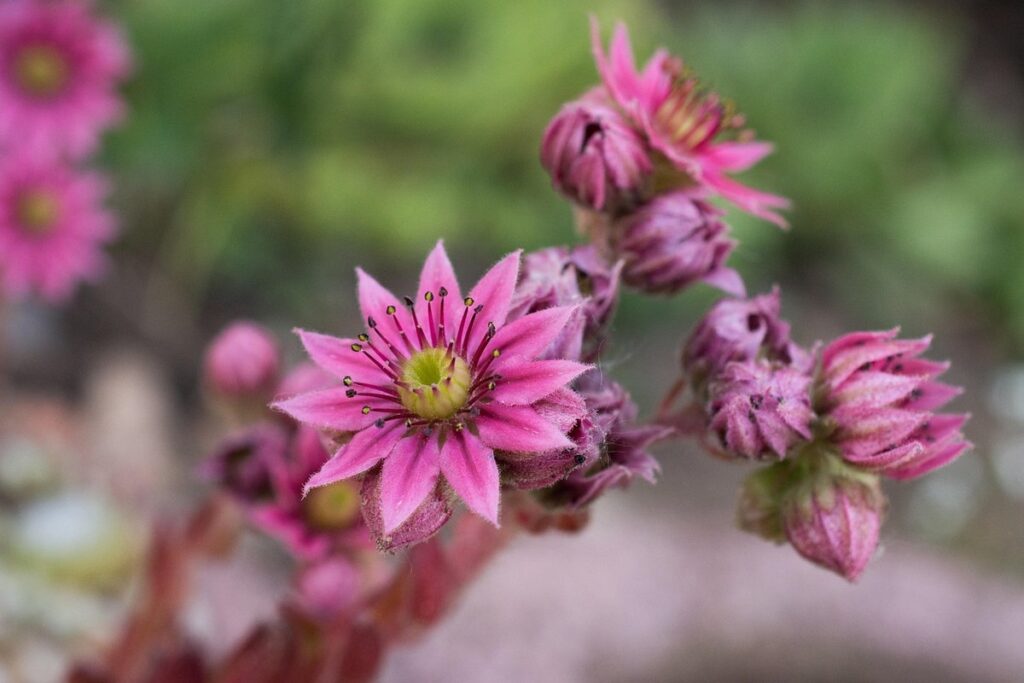
Understanding Cactus Bloom Patterns
To truly appreciate your cactus’s unique beauty, let’s dive into understanding the fascinating patterns behind its blooms and how they’re triggered. This will help you better anticipate when your plant is about to flower.
Types of Cacti and Their Blooming Habits
When it comes to understanding cactus bloom patterns, knowing which type of cactus you have is essential. There are several popular types of cacti that exhibit unique blooming habits, making them stand out from one another. For instance, desert roses (Adenium obesum) produce showy, funnel-shaped flowers in shades of pink and red, often after a period of drought or cooler temperatures.
Christmas cacti (Schlumbergera bridgesii), on the other hand, bloom around the holiday season, producing white, pink, or red flowers. To encourage blooming in Christmas cacti, make sure to provide them with bright, indirect light and maintain a consistent temperature between 50-60°F (10-15°C). Easter cacti (Hatiora gaertneri), also known as Lenten cacti, bloom around springtime, producing white or pink flowers. To promote blooming in these types of cacti, ensure they receive adequate light and water, but avoid overwatering.
Understanding the specific needs of your cactus can help you encourage blooming and enjoy their unique beauty.
Factors Influencing Cactus Bloom Timing
When it comes to cacti blooming, timing is everything. But what factors influence this process? As a cactus owner, understanding these environmental cues will help you optimize your plant’s flowering potential.
Temperature plays a significant role in triggering bloom. Most cacti species require a period of cooler temperatures (around 40-50°F) to induce flowering. This process can take several months, so be patient! For example, the iconic Saguaro cactus only blooms at night when the temperature drops below 60°F.
Light exposure also affects bloom timing. Typically, cacti need a period of shorter daylight hours and cooler temperatures to initiate flowering. In contrast, too much direct sunlight can inhibit blooming. Watering schedules and fertilization also come into play. Avoid overwatering, as this can prevent blooming altogether. Fertilize sparingly during the growing season (spring-fall) with balanced, water-soluble fertilizers.
Remember that different species have varying requirements, so research your specific cactus type to better understand its unique needs. By considering these environmental factors and adjusting your care routine accordingly, you’ll be well on your way to witnessing those stunning blooms.
Pre-Bloom Care for Optimal Flowering
To ensure your cactus blooms its best, it’s crucial to provide optimal care before they start flowering. This involves getting their roots and growth habits just right.
Watering and Fertilizing Before Bloom
Before your cactus starts blooming, it’s essential to focus on providing the right conditions for optimal flowering. This begins with watering and fertilizing practices that might seem counterintuitive at first. It’s natural to assume that your cactus needs a lot of water before it blooms, but this couldn’t be further from the truth.
In fact, overwatering is one of the most common mistakes people make when caring for their cacti. When you flood your cactus with too much water, it can cause root rot and prevent blooms from occurring altogether. To avoid this, stick to a gentle watering schedule that allows the soil to dry out between waterings.
When it comes to fertilizing, choose a balanced fertilizer specifically formulated for cacti and succulents. Feed your cactus lightly during the growing season (spring-fall), following the instructions on the label carefully. Avoid overfertilizing, as this can cause more harm than good. By striking the right balance between water and nutrients, you’ll be setting your cactus up for success when it comes to flowering.
Providing Adequate Light and Temperature
When it comes to pre-bloom care for optimal flowering, providing adequate light and temperature is crucial. Cacti require sufficient light to produce flowers, but the intensity of light needed varies depending on the species. Some cacti can thrive with low to moderate light, while others need bright direct sunlight.
To determine if your cactus needs more light, observe its natural habitat or research its specific lighting requirements. For indoor spaces, consider using grow lights as a supplement to natural light. LED grow lights are energy-efficient and produce minimal heat, making them an excellent choice for low-light areas.
Maintaining optimal temperatures is also essential for flowering. Most cacti prefer daytime temperatures between 65°F to 75°F (18°C to 24°C) and cooler nights around 55°F (13°C). Avoid placing your cactus near heating or cooling vents, fireplaces, or drafty windows, as these can cause temperature fluctuations.
If you’re struggling with low-light areas, consider using sheer curtains or shade cloths to filter natural light. This will allow you to provide the necessary light without overexposing your cactus. By replicating the natural environment and providing optimal lighting conditions, you’ll be well on your way to encouraging healthy flowering in your cacti.
Encouraging Cactus Bloom with Supplements and Pruning
To encourage your cacti to bloom, we’ll explore the role of supplements and pruning techniques that can stimulate flower production and promote healthy growth. Let’s dive into these essential tips now.
Using Fertilizers to Stimulate Blooms
When it comes to encouraging cacti blooms, fertilizers play a crucial role. Not all fertilizers are created equal, however, and choosing the right one can make all the difference. Organic fertilizers, such as fish emulsion or compost tea, provide a gentle, long-term boost of nutrients that promote healthy growth and flowering. These options work by stimulating microbial activity in the soil, which helps to break down complex nutrients into forms that are readily available to your cactus.
Synthetic fertilizers, on the other hand, offer a quicker fix but can also be more detrimental if overused or misapplied. They contain high levels of nitrogen, phosphorus, and potassium, which can promote blooming in the short term but may also lead to overfertilization and stunted growth. To use synthetic fertilizers effectively, start with a low concentration (5-10-5 NPK) and gradually increase as needed.
When applying either type of fertilizer, be sure to follow these best practices: avoid fertilizing during periods of drought or extreme heat, water thoroughly after application, and take care not to burn your cactus’s roots. A balanced approach that combines regular watering with periodic fertilizer applications can lead to a vibrant display of blooms year after year.
Pruning Techniques for Promoting New Growth
Pruning techniques are an essential tool for encouraging new growth and blooms in cacti. When done correctly, pruning can stimulate the plant to produce more flowers, making it a vital step in promoting cactus flowering.
To prune a cactus effectively, start by selecting healthy segments with at least two “eyes” or buds. These will serve as the starting points for new growth. Use sharp, clean tools to make precise cuts just above a node (where a branch meets the stem). This technique is called “taking cuttings.” Make sure each cutting has at least one eye facing upwards, allowing it to receive sunlight and develop into a new plant.
For more mature cacti, remove any dead or damaged segments to prevent decay from spreading. Cut back overgrown sections to encourage branching and promote even growth. Remove the top quarter of the plant to redirect energy towards producing blooms. These pruning techniques will help stimulate your cactus’s natural growth patterns and increase its chances of flowering. Regular maintenance will yield healthy, thriving plants that produce vibrant blooms.
Identifying and Troubleshooting Cactus Bloom Issues
When it comes to cacti flowering, not every bloom is a cause for celebration – sometimes issues arise that can be frustrating to diagnose. Let’s tackle common problems together.
Common Problems Preventing Cactus Blooms
When it comes to cacti blooming, problems can arise from various sources. Pests such as mealybugs, scale insects, and spider mites can suck the sap from your cactus’s stems, depriving it of nutrients needed for flowering. Regularly inspect your plants for these pests, and treat infestations promptly with insecticidal soap or neem oil.
Diseases like root rot and crown rot can also prevent blooming. Overwatering is a common cause of these diseases. Make sure the soil drains well and avoid watering your cactus when the top inch of soil feels dry. If you suspect disease, repot the plant in fresh, well-draining mix, and treat with a fungicide if necessary.
Inadequate care is another common problem. Cacti require full sun to partial shade, depending on their species. Insufficient light can prevent flowering, so ensure your cactus receives at least four hours of direct sunlight per day. Fertilize sparingly during the growing season, as overfertilization can lead to weak growth and no blooms.
Proper care and attention can help address these issues and encourage your cacti to bloom.
Adjusting Care Habits Based on Climate and Region
When it comes to cactus care, climate and region play a significant role in determining the optimal conditions for blooming. If you live in a hot and dry desert region, your cacti will likely thrive year-round, but if you’re in an area with distinct seasonal changes, adjustments to care habits are necessary.
Consider the temperature fluctuations between summer and winter. In cooler climates, cacti may require protection from frost and cold temperatures that can damage or kill them. This might involve bringing potted cacti indoors during winter months or using a frost blanket to shield them outdoors. Conversely, in warmer regions with mild winters, your cactus may continue to bloom throughout the year.
Light exposure is also crucial. In areas with intense sunlight, provide shade for your cacti during peak hours (usually between 11 am and 3 pm) to prevent burning. In cooler climates with limited sunlight, consider supplementing natural light with grow lights to promote blooming.
By understanding your climate and region, you can adjust your care habits accordingly, ensuring optimal conditions for your cactus to bloom its best.
Caring for Blooming Cacti: Post-Bloom Tips
Now that your cactus has bloomed, it’s essential to care for its delicate flowers and ensure they thrive in the coming days. Learn how to properly maintain your post-blooming cactus.
Aftercare for Fading Blooms
After blooms have faded, it’s essential to care for your cacti properly to encourage future flowering and maintain their overall health. One of the first steps is pruning spent flowers. This may seem counterintuitive, but removing the dead flowers will help redirect the plant’s energy towards producing new growth rather than seed production.
When pruning, use clean and sharp tools to prevent spreading diseases. Cut off the flower head at the base, leaving a small portion of stem intact. Make sure not to damage any nearby segments or spines.
Watering is also crucial during this period. Allow the soil to dry slightly between waterings to prevent root rot. Avoid getting water on the stems or leaves to reduce the risk of fungal diseases.
Fertilization can be beneficial at this stage, but use a balanced, water-soluble fertilizer (20-20-20). Dilute it according to the manufacturer’s instructions and apply it once a month. This will provide your cactus with essential nutrients without promoting excessive vegetative growth.
Encouraging Future Blooms with Proper Care
When you’ve enjoyed the vibrant blooms of your cactus, it’s natural to wonder if they’ll return next year. To encourage future blooms and keep your plants thriving, proper care is essential. First, consider repotting your cactus in the spring when new growth begins. This allows for fresh soil and a larger pot to accommodate increased root development.
Regular pest control is also crucial. Inspect your cacti regularly for signs of mealybugs, spider mites, or scale. Use neem oil or insecticidal soap to address any infestations promptly. A weakened plant is more susceptible to disease and may not produce blooms the following year.
Protecting your cactus from extreme temperatures is vital. Avoid placing them near heating vents, fireplaces, or drafty windows during cold months. In warmer climates, provide some shade for your plants during intense sunlight periods. By taking these simple steps, you’ll be more likely to enjoy a new wave of blooms come springtime. Remember that patience is key – it may take a year or two before your cacti recover from the stress of blooming and reward you with another stunning display.
Conclusion: A Final Checklist for Cactus Bloom Success
As you’ve made it through this comprehensive guide on cactus flowering tips, it’s time to put everything into practice. To ensure your prickly friends thrive and bloom beautifully, refer to this final checklist before heading out to care for them. Start by providing your cacti with the right amount of sunlight – a south-facing window or a spot outdoors in full sun is ideal. Next, monitor their watering schedule closely, as overwatering can be detrimental to flowering success.
Additionally, consider repotting your cactus if it has outgrown its container, and fertilize sparingly during the growing season. By following these simple steps, you’ll be well on your way to enjoying a vibrant display of colorful blooms from your beloved cacti.
Frequently Asked Questions
How do I know if my cactus is ready for fertilization after it blooms?
After your cactus has finished blooming, it’s essential to resume fertilizing to encourage future growth. Wait until new growth appears, usually within a few weeks or months after the bloom has faded. At this stage, start applying a balanced fertilizer (20-20-20) at half the recommended strength to promote healthy growth and prepare your cactus for its next blooming cycle.
Can I use any type of fertilizer to stimulate blooms in my cactus?
While any balanced fertilizer will work, using a high-phosphorus (10-20-10 or 15-30-15) formula specifically designed for flowering plants can enhance bloom production. However, be cautious not to overfertilize, as this can lead to weak growth and reduced flower formation.
How often should I prune my cactus after it’s finished blooming?
Pruning after blooming is crucial to control the plant’s size, shape, and promote new growth. Prune your cactus during its dormant season (usually winter), removing any dead or damaged segments. This will help redirect energy towards producing new flowers and improve overall health.
What are some common mistakes that can prevent my cactus from blooming?
Some common mistakes include underwatering, overwatering, providing inadequate light or temperature fluctuations. Regularly monitor your plant’s watering needs, ensure it receives sufficient light (4-6 hours of direct sunlight), and maintain a stable temperature between 65°F to 75°F (18°C to 24°C).
Can I induce blooms in my cactus during the off-season with the right care?
While some cacti species can be coaxed into producing blooms outside their natural blooming season, this requires careful attention to specific growing conditions and temperature fluctuations. Research your plant’s specific needs and experiment with adjusting its environment (e.g., providing a shorter daylight period) to encourage bloom formation during the off-season.