
Are you one of the many cactus enthusiasts out there who struggles with keeping their prickly friends healthy during the harsh winter months? Overwintering your cactus indoors is crucial to its survival, and it’s easier than you think! When the temperatures drop outside, your cactus needs a bit more TLC to make it through the season. Choosing the right location for your indoor cactus garden can make all the difference, from avoiding cold drafts to finding just the right amount of light.
In this comprehensive guide, we’ll walk you through everything you need to know about overwintering your cactus indoors, including tips on reducing watering and fertilizing, protecting against pests and diseases, and more. By the end of it, you’ll be a pro at keeping your cacti thriving all year round!
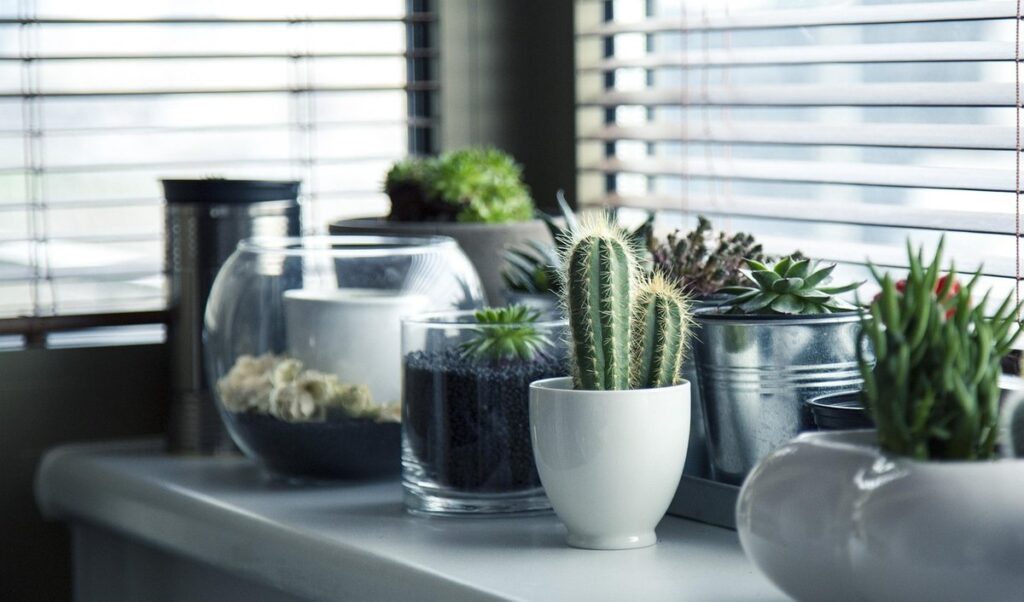
Understanding Cacti and Their Needs
To successfully overwinter cacti indoors, it’s essential to understand their specific needs, such as light, temperature, and watering requirements. Let’s dive into what makes these plants thrive in indoor conditions.
Introduction to Cactus Care
When it comes to overwintering cacti indoors, understanding their basic care requirements is crucial for success. Cacti are unique plants that thrive in dry environments with infrequent watering, which can be a challenge for indoor growers. Unlike other houseplants, cacti have adapted to survive in arid conditions, developing specialized traits such as thick, waxy skin and sharp spines to conserve water.
To care for your cactus indoors, start by providing it with bright, indirect light. Direct sunlight can cause the leaves to become scorched, so east- or west-facing windows are ideal. Water sparingly, allowing the soil to dry completely between waterings. Overwatering is a common mistake that can lead to root rot and other issues.
Some cacti species require more attention than others when it comes to temperature fluctuations. Be sure to research your specific type’s needs, as some may be sensitive to drafts or extreme temperatures. By understanding these basic care requirements and adapting them for indoor conditions, you’ll be well on your way to successfully overwintering your cactus indoors.
Types of Cacti Suitable for Indoor Overwintering
When it comes to choosing cacti for indoor overwintering, there are several species that thrive in low-light conditions and cooler temperatures. One of the most popular varieties is the Christmas cactus (Schumbergera bridgesii), which blooms around the holiday season with vibrant flowers in shades of pink, red, white, or bi-colored. Its flat, segmented stems make it an attractive addition to any room.
Another suitable option for indoor overwintering is the Easter cactus (Hatiora gaertneri), a smaller cousin of the Christmas cactus that produces similar flowers around Easter time. It prefers bright, indirect light and cooler temperatures between 50-60°F (10-15°C).
For those who want a more compact plant, the Pincushion cactus (Mammillaria) is an excellent choice. With over 200 species to choose from, you’re sure to find one that suits your style. These small, globular plants require minimal care and can tolerate low light conditions.
When selecting any of these cacti for indoor overwintering, make sure to research their specific needs to ensure a happy and healthy plant throughout the winter months.
Preparing Your Cactus for Winter
Now that you’ve got your cacti indoors, it’s time to prep them for winter by stopping their growth cycle and adjusting their care routine accordingly. This involves a few key changes.
Choosing the Right Location
When it comes to overwintering your cactus indoors, choosing the right location is crucial for its survival. A suitable spot will not only provide a safe haven from harsh winter conditions but also promote healthy growth and development.
Consider the temperature requirements of your cactus species when selecting a location. Most cacti prefer daytime temperatures between 65-75°F (18-24°C) and nighttime temperatures around 55-65°F (13-18°C). Avoid placing them near heating vents, radiators, or fireplaces, as these can cause fluctuations in temperature. For example, if you have a sensitive species like the Christmas Cactus, ensure it’s placed at least 3 feet away from any heat source.
Humidity is also an essential factor to consider. Indoor spaces tend to be dry, especially during winter months. To combat this, group your cacti together or place them on a tray filled with water and pebbles. This will help maintain a microclimate around the plants and prevent moisture loss. When it comes to lighting, most cacti require bright, indirect light. East- or west-facing windows are ideal for overwintering cacti, as they provide gentle, consistent illumination without causing scorching.
Reducing Watering and Fertilizing
During the winter months, cacti require significantly less water and fertilizer due to reduced light and cooler temperatures. To ensure your cactus thrives indoors during this period, it’s essential to adjust its watering and fertilizing schedule.
When to Stop Watering: As the days get shorter and temperatures drop, stop watering your cactus about 6-8 weeks before the first frost in your area. This will help prevent root rot caused by excessive moisture. Check for moisture levels by gently sticking a toothpick or skewer into the soil; if it’s dry to the touch, it’s time to stop watering.
When to Resume Watering: Typically, you can resume regular watering about 6-8 weeks after the last frost. However, this may vary depending on your cactus species and indoor conditions. Monitor your plant closely, resuming water when the soil is dry to a depth of about 1 inch.
Reducing Fertilization: Similarly, stop fertilizing your cactus about 6-8 weeks before the first frost. Resume fertilization in the spring, when new growth begins, using a balanced, water-soluble fertilizer at half the recommended strength.
By adjusting watering and fertilizing schedules accordingly, you’ll help your cactus conserve energy during its dormant period and prepare for optimal growth when the weather warms up again.
Protecting Your Cactus from Pests and Diseases
One of the biggest challenges when overwintering cacti indoors is keeping them healthy, which means being vigilant for pests and diseases that thrive in indoor conditions. Let’s take a look at how to protect your cactus from these unwanted visitors.
Common Indoor Pests Affecting Cacti
When bringing your cacti indoors for overwintering, it’s essential to be aware of common pests that can wreak havoc on these beautiful plants. Mealybugs, spider mites, and scale insects are among the most prevalent indoor cactus pests.
Mealybugs, with their white, cottony appearance, can multiply rapidly if left unchecked. To detect mealybugs, inspect your cacti thoroughly for any signs of these pests, such as sticky honeydew droplets or a fine, white powder coating on the plant’s surface. For management, use neem oil or insecticidal soap to treat infestations.
Spider mites are another common issue, often causing yellowing or bronzing leaves and web-like patterns on the plant’s undersides. Inspect for tiny moving dots or eggs on the soil surface. To control spider mite populations, increase humidity around your cacti by placing them on a tray filled with water and pebbles.
Scale insects are also problematic, as they feed on sap, causing damage to the cactus. Check for these pests by looking for small, usually white or yellowish bumps on the plant’s stems or leaves. For treatment, use horticultural oil to suffocate the scale insects.
By monitoring your indoor cacti regularly and taking prompt action against infestations, you can prevent these pests from causing significant damage.
Prevention and Treatment of Root Rot
Overwatering is one of the most common mistakes that can lead to root rot in cacti. When you overwater your cactus, it’s more prone to developing soft spots and eventually turning mushy. This happens because cacti have limited ability to store water, so excess moisture creates an ideal environment for fungal growth.
To prevent root rot, ensure good air circulation around your cactus by keeping a space of at least 6-8 inches between plants. Repotting in a well-draining potting mix can also help. When repotting, gently remove the old soil from the roots and inspect them for any signs of damage or rot. Prune off any affected areas with sterile scissors to prevent further spread.
If you do notice root rot, act quickly by reducing watering and providing a dry environment. Repot your cactus in fresh potting mix, and prune away as much infected tissue as possible. In severe cases, you may need to replace the entire plant. To avoid this, monitor your cactus’s water needs closely during winter months when they’re dormant.
Overwintering Cacti in Containers vs. In the Ground
When it comes to overwintering cacti, you’ve got two main options: keeping them in containers or planting them directly into the ground. Let’s explore both methods.
Container-Grown Cacti: Pros and Cons
When it comes to overwintering cacti indoors, one crucial consideration is whether to grow them in containers or in the ground. Container-grown cacti offer several benefits that make them an attractive option for indoor overwintering.
For instance, container-grown cacti allow for better temperature control and insulation, which can be especially important during periods of extreme cold snaps. You can easily move the pot to a warmer location or wrap it in insulation to maintain optimal temperatures between 40-50°F (4-10°C). Additionally, containers provide improved drainage, reducing the risk of root rot caused by waterlogged soil.
However, container-grown cacti may require more frequent watering and fertilization due to the smaller soil volume. Moreover, they can be more susceptible to pests like spider mites and mealybugs, which thrive in humid environments. To mitigate these risks, ensure you use a well-draining potting mix and inspect your plants regularly for signs of infestation.
Overall, container-grown cacti can be an excellent choice for indoor overwintering, but it’s essential to weigh the pros and cons carefully before making a decision. By understanding the advantages and limitations of this approach, you can provide your cactus with the best possible conditions to thrive during the cold winter months.
Outdoor vs. Indoor Overwintering
When it comes to overwintering cacti, you have two main options: keeping them outdoors or bringing them indoors. While some gardeners swear by the benefits of outdoor overwintering, others prefer the convenience and control that indoor care provides. Let’s weigh the pros and cons of each approach.
Outdoor overwintering can be a cost-effective and low-maintenance option, especially if you have a greenhouse or a sunroom with protection from harsh weather conditions. However, this method also exposes your cacti to potential pests like rodents, snails, and slugs that thrive in outdoor environments. Moreover, extreme temperatures, strong winds, and precipitation can cause damage to the plant’s roots, stems, and flowers.
Indoor overwintering, on the other hand, offers better control over temperature, humidity, and light levels. This method also reduces the risk of pest infestations and allows for easier monitoring of your cacti’s health. However, indoor care can be more expensive due to increased energy costs and the need for supplemental lighting. If you’re new to cactus care or have limited experience with overwintering, indoor conditions are generally safer and more forgiving.
Ultimately, the decision between outdoor and indoor overwintering depends on your specific climate, available space, and personal preferences. Consider factors like temperature fluctuations, humidity levels, and pest activity in your area before making a decision.
Special Considerations for Tropical and Semi-Tropical Cacti
If you’re growing tropical or semi-tropical cacti, they’ll likely require some special care during the cooler months to thrive indoors. This section will cover their unique needs and how to ensure their survival.
Adaptation to Cooler Temperatures
If you’re growing tropical and semi-tropical cacti indoors, it’s essential to adapt them to cooler temperatures during the winter months. These plants typically thrive in warm environments with average temperatures between 65°F (18°C) and 75°F (24°C). However, most homes are not equipped to maintain these high temperatures year-round.
To acclimate your tropical and semi-tropical cacti to cooler temperatures, you’ll need to make gradual adjustments. Start by reducing the temperature by 5-10°F (3-6°C) every week or two until you reach the desired level. For example, if your home is currently at 75°F (24°C), you could reduce it to 70°F (21°C) for a few weeks before further decreasing it.
Maintaining humidity levels between 40% and 60% will also help your cacti adjust to cooler temperatures. To achieve this, use a humidifier or group plants together to create a microclimate. Be cautious not to overwater during this process, as root rot can be a significant concern when transitioning tropical plants to cooler conditions. Monitor your plant’s response closely and make adjustments accordingly.
Managing Humidity Levels
Maintaining optimal humidity levels is crucial for tropical and semi-tropical cacti during the winter period. These species are accustomed to higher humidity environments, typically above 40-50% relative humidity, which can be challenging to replicate indoors.
Using a humidifier or misting system can help maintain the desired humidity level. For example, you can place a humidifier in the room where your cacti are located or use a tray filled with water and pebbles to increase the surrounding humidity. Misting systems can also be an effective solution, but make sure not to overwater your plants.
Monitor your cactus’s response to the changing environment by observing its leaves, stems, and flowers. If it starts to show signs of stress due to low humidity, such as wrinkled or shriveled skin, you may need to adjust the humidifier or misting system accordingly. Keep in mind that some cacti species are more sensitive to dry air than others, so research specific needs for your plants.
Monitoring and Maintaining Your Cactus During Winter
As winter months approach, it’s essential to adjust your cactus care routine to ensure their survival. Let’s dive into the specifics of monitoring and maintaining your cacti during this chilly period.
Regular Inspections and Maintenance
Regular inspections and maintenance are crucial during the winter months when cacti are indoors. This is because the dry air and low temperatures can create an ideal environment for pests and diseases to thrive. Check your cactus regularly for signs of infestation, such as tiny dots or moving specks on the skin, which could be mealybugs or spider mites. Look for yellowing or dropping spines, as these can indicate nutrient deficiencies.
To prevent problems, water sparingly during winter months. Overwatering is a common mistake that can lead to root rot and fungal diseases. Instead, rely on a well-draining potting mix and allow the soil to dry out slightly between waterings. Fertilize your cactus only during its growing season, typically from spring to fall, using a balanced, water-soluble fertilizer. This will help prevent over-fertilization, which can cause more harm than good during winter. By keeping a close eye on your cactus’s condition and adjusting its care accordingly, you’ll be able to enjoy it thriving all year round.
Record-Keeping and Planning Ahead
Keeping track of your cactus’s needs during winter is crucial to ensure it thrives. One effective way to stay organized is by maintaining a cactus care journal. This simple habit will help you monitor watering schedules, fertilization, and pruning activities. Allocate a page for each plant in your collection, and record every detail from the date of repotting to when it’s last watered.
To get started, identify a notebook or calendar that suits your preference. Digital apps like gardening journals can also be an excellent option if you prefer digital notes. Make sure to include essential information such as:
* Watering schedule with dates and amounts
* Fertilization regimen (type and frequency)
* Pruning activities including the date, type of cut, and any new growth observed
You can also use your calendar to set reminders for specific tasks like repotting or fertilizing. For example, if you know your cactus will require more water in January due to increased humidity levels, mark it down on your calendar so you don’t forget.
By keeping a record of these details, you’ll be able to identify patterns and adjust your care routine accordingly. This attention to detail will give your cactus the best chance at healthy growth even during the harsh winter months.
Frequently Asked Questions
What if I forget to adjust my cactus’s watering schedule during the winter months?
No worries! Cacti can survive with less water, so it’s better to err on the side of caution and underwater than overwater. Reduce watering by half or even more, depending on your plant’s specific needs. Monitor soil moisture closely and only water when absolutely necessary.
Can I still fertilize my cactus during the winter months, or should I hold off?
Yes, you can still fertilize your cactus during the winter months, but with less frequency. Cacti need nutrients to grow, but they also require a dormant period to conserve energy. Use a balanced, water-soluble fertilizer at half the recommended strength every 6-8 weeks.
How do I protect my cactus from pests like mealybugs and spider mites during indoor overwintering?
To prevent pest infestations, keep your cactus away from drafts, which can attract unwanted critters. Regularly inspect your plant for signs of pests, and treat promptly if you notice any issues. Use neem oil or insecticidal soap to control infestations.
Can I repot my cactus during the winter months, or is it best to wait until spring?
No, it’s not recommended to repot your cactus during the winter months. This can cause unnecessary stress and increase the risk of root rot. Wait until spring when temperatures rise, and new growth begins. Repot only when necessary, using a well-draining potting mix.
How do I know if my cactus is adapting to cooler temperatures, or if it’s still stressed?
Monitor your cactus for signs of adaptation, such as slower growth, reduced water intake, or changes in leaf color. Keep an eye out for stress symptoms like yellowing leaves, softening stems, or black spots. Adjust your care routine accordingly to ensure your cactus thrives during the winter months.