
Are you one of the millions of people who’ve brought home a Christmas cactus, eager to add some festive flair to your space? If so, you’re probably wondering how to keep this beautiful plant thriving throughout the holiday season and beyond. The good news is that Christmas cacti are relatively low-maintenance, but they do require proper care to stay healthy and bloom beautifully year after year.
In this article, we’ll take a closer look at the unique needs of your Christmas cactus, from understanding its species to addressing common problems like overwatering. We’ll also cover essential topics such as lighting, watering, temperature control, fertilization, repotting, and pruning, so you can give your plant the best chance to flourish. Whether you’re a seasoned green thumb or a holiday decorating newbie, our expert tips will help you grow a stunning Christmas cactus that brings joy to your home for years to come.
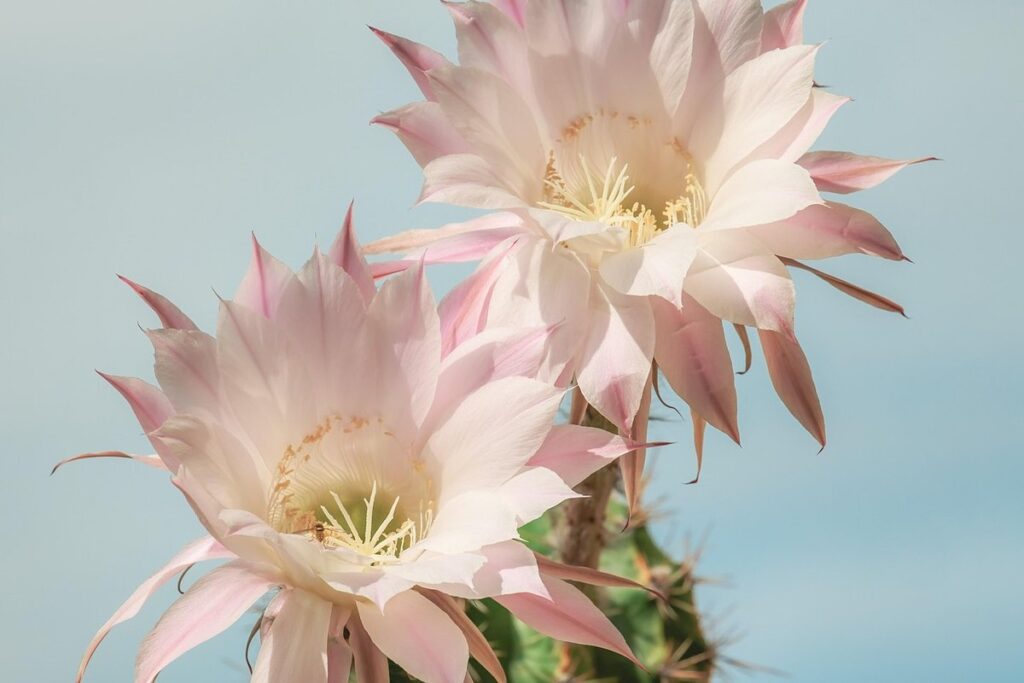
Understanding Your Christmas Cactus
To get started on the right path, let’s dive into what makes your Christmas cactus unique and how to identify its specific needs. This will help you tailor your care routine for a happy, thriving plant.
Identifying the Right Species
When it comes to choosing the right Christmas cactus for your home, understanding the different species is crucial. There are two main types of Christmas cacti: Schlumbergera and Hatiora. Schlumbergera is the most commonly available type and has segmented stems that grow in a rosette pattern. These plants produce long-lasting flowers in shades of pink, red, purple, and white.
Hatiora, on the other hand, has longer and more trailing stems with smaller segments. They also bloom in the winter months but tend to be less tolerant of frost. Knowing the differences between these two species will help you choose the right one for your needs.
If you’re a beginner or want a low-maintenance plant, Schlumbergera is an excellent choice. However, if you’re looking for a more unique and trailing Christmas cactus, Hatiora might be the better option. Consider factors such as space constraints, desired bloom colors, and level of care when selecting your species. By understanding these differences, you can ensure that your Christmas cactus thrives and brings joy to your home during the holiday season.
Recognizing Signs of Stress or Disease
As you care for your Christmas cactus, it’s essential to monitor its health and watch out for signs of stress, disease, and pests. A healthy Christmas cactus is a vibrant one, but neglecting its needs can lead to issues that affect its appearance and overall well-being.
One common sign of stress or disease in Christmas cacti is yellowing leaves. This can be caused by overwatering, underwatering, or exposure to extreme temperatures. If you notice your cactus’s leaves turning yellow, it’s crucial to adjust your watering schedule and ensure the plant is receiving sufficient light. Black spots on the leaves are another indication of a problem, often caused by fungal diseases that thrive in moist environments.
Pests like spider mites can also infest Christmas cacti, causing fine webbing between the stems and yellowing or bronzing of the leaves. Regularly inspect your plant’s underside for signs of pests and treat promptly if you notice any issues. By being aware of these potential problems and taking proactive steps to prevent them, you can maintain a healthy and thriving Christmas cactus.
Lighting Requirements for a Healthy Christmas Cactus
To thrive, your Christmas cactus needs the right lighting conditions, and getting it just right can be tricky. In this section, we’ll walk you through what works best for healthy growth.
Natural Light vs. Artificial Lighting
Light is essential for photosynthesis and plays a crucial role in the overall health of your Christmas cactus. When it comes to lighting, natural light is always preferred, but it can be challenging to provide sufficient light, especially during winter months when days are shorter.
If you’re unable to place your Christmas cactus near a sunny window, consider supplementing with grow lights. Choose LED grow lights, as they emit minimal heat and consume less energy. Place them 6-8 inches away from the plant’s foliage, adjusting their position according to the light spectrum’s requirements.
You can also make use of sheer curtains or blinds to filter natural light, which helps reduce harsh direct sunlight that might cause leaf scorching. East-facing windows are ideal for Christmas cacti as they receive gentle morning light without extreme temperature fluctuations.
Remember, over-supplementation with artificial lighting can be detrimental, so monitor your plant’s response and adjust accordingly.
Best Positioning Options in Your Home
When it comes to providing your Christmas cactus with the right amount of light, positioning is key. Placing your cactus near a window is one of the most effective ways to maximize natural light. South-facing windows are ideal, as they allow direct sunlight to filter through during the day. However, be mindful of extreme temperatures and potential scorching that can occur in direct sunlight.
If a south-facing window isn’t feasible, consider using south-facing curtains or blinds to diffuse the light. This will help prevent burning and ensure your cactus receives the necessary amount of light without overexposure. For example, you can place the curtains on a track system, allowing you to control the amount of light entering the room.
Remember, east- and west-facing windows also receive indirect sunlight, which is suitable for Christmas cacti. Experiment with different positions and light levels to find what works best for your plant. With proper placement, you’ll be well on your way to providing your Christmas cactus with the ideal lighting conditions it needs to thrive.
Watering and Humidity Considerations
When it comes to watering your Christmas cactus, getting the balance just right is crucial – too little water can be as problematic as too much. We’ll explore how to determine the perfect watering schedule for your plant.
Understanding the Right Soil Mix
When it comes to giving your Christmas cactus the best chance at thriving, selecting the right soil mix is crucial. This may seem like a small aspect of care, but trust us, it makes all the difference. A well-draining soil mix ensures that excess water doesn’t accumulate in the roots, which can lead to root rot and ultimately kill your plant.
So, what makes a good Christmas cactus soil mix? It should contain ingredients such as perlite or vermiculite, which help with drainage and prevent waterlogged soil. You can also add some peat moss for extra moisture retention – just be sure not to overdo it. If you’re feeling crafty, you can create your own DIY mix using a combination of these ingredients.
For example, try mixing together 2 parts potting soil, 1 part perlite or vermiculite, and 1/4 part peat moss. This blend provides excellent drainage while still retaining enough moisture for your cactus to stay happy and healthy.
Proper Watering Techniques
Watering is one of the most crucial aspects of Christmas cactus care. Overwatering and underwatering are common mistakes that can lead to root rot, leaf drop, and even kill your plant. So, how often should you water your Christmas cactus? The ideal watering frequency depends on several factors, including the time of year, temperature, and humidity.
As a general rule, allow the top 1-2 inches of soil to dry out between waterings during the spring and summer months when your plant is actively growing. During the fall and winter months when growth slows down, you can reduce watering to once every 4-6 weeks. Check for signs of underwatering by looking for wrinkled or shriveled leaves.
On the other hand, watch out for these common signs of overwatering: soft, mushy stems; droopy leaves; and a foul odor from the soil. If you notice any of these symptoms, immediately stop watering and repot your cactus in well-draining soil to prevent root rot. To avoid overwatering, make sure the pot has good drainage holes and water sparingly during the dormant season.
To determine when it’s time to water, stick your finger into the soil up to the first knuckle. If the soil feels dry, it’s time to water. Water thoroughly until you see water coming out of the bottom of the pot, and then wait another day or two before watering again. This way, you’ll ensure your Christmas cactus receives just the right amount of moisture without risking overwatering.
Temperature and Fertilization Guidelines
To ensure your Christmas cactus thrives, you’ll need to know when and how often to fertilize it, as well as the ideal temperature ranges for optimal growth.
Ideal Temperature Ranges
When it comes to temperature and fertilization guidelines for Christmas cacti, understanding the ideal temperature ranges is crucial. Different species of Christmas cacti have varying temperature requirements, so it’s essential to know which one you have to provide optimal care.
Schlumbergera bridgesii (also known as the ‘Ornata’ Christmas cactus) thrives in temperatures between 50°F and 70°F (10°C to 21°C). On the other hand, the more popular Zygocactus truncatus tolerates warmer temperatures, ranging from 65°F to 85°F (18°C to 30°C). Some species can even survive with brief periods of cooler temperatures as low as 40°F (4°C).
To protect your Christmas cactus from frost damage, keep it away from any cold drafts or windows during winter. If you live in an area prone to frost, consider moving the plant indoors until spring arrives.
In general, aim for a consistent temperature between 55°F and 65°F (13°C to 18°C) to ensure healthy growth and blooming. Remember that sudden changes in temperature can shock your plant, so avoid placing it near heating or cooling vents to maintain stability.
Fertilizing Your Christmas Cactus
Fertilizing your Christmas cactus is essential for its growth and blooming process. As a general rule, you should fertilize your plant during the growing season, which typically lasts from spring to fall. However, it’s best to avoid fertilizing during the dormant period, usually winter months, as this can cause damage.
When choosing a fertilizer, opt for a balanced one that contains equal amounts of nitrogen (N), phosphorus (P), and potassium (K). This will provide your plant with the necessary nutrients for healthy growth. You can also consider specialized fertilizers specifically designed for cacti and succulents, which often contain additional micronutrients like iron and magnesium.
To apply fertilizer, dilute it to half the recommended strength to prevent burning your plant’s roots. Water your Christmas cactus thoroughly before applying fertilizer, making sure the soil is moist but not waterlogged. Then, gently sprinkle the fertilizer over the soil, avoiding the leaves and crown of the plant. Repeat this process every 2-3 weeks during the growing season for optimal results.
Repotting and Pruning Techniques
When it’s time for your Christmas cactus to outgrow its pot, learn how to repot it successfully to prevent shocking the plant. Proper pruning techniques will also help promote new growth and flowering.
When to Repot Your Christmas Cactus
As you care for your Christmas cactus, it’s essential to monitor its growth and adjust its environment accordingly. One crucial aspect of this is knowing when to repot your plant. A Christmas cactus typically needs to be repotted every 3-5 years as it becomes root-bound.
This condition occurs when the roots have filled the pot and can no longer expand freely, hindering water and nutrient uptake by the plant. Signs that indicate a root-bound Christmas cactus include slow growth, droopy leaves, and failure to bloom despite proper care.
To check if your cactus is root-bound, gently remove it from its container and inspect the roots. If you notice them circling or growing out of the pot’s drainage holes, it’s time for repotting. Look for a new pot that is only 1-2 sizes larger than the original one to prevent the soil from becoming too wet.
When selecting a new pot, choose one with good drainage to prevent waterlogged soil. Also, avoid using garden soil as this can compact and cause more harm than good.
Basic Pruning Techniques for Shape and Size
Pruning is an essential part of Christmas cactus care, helping to control its shape and size. When pruning for symmetry, it’s crucial to maintain the plant’s natural growth pattern. To achieve this, prune the segments that are growing inwards or are not receiving enough light. This will encourage new growth towards the outside and promote even development.
To prune your Christmas cactus, start by removing any dead or damaged segments using sterile scissors or pruning shears. Next, gently twist and pull off any weak or spindly growth to maintain shape and size. Cut back overgrown sections to about one-third of their length, making clean cuts just above a node (the joint where a segment meets the main stem). This will help control the plant’s overall size while encouraging new growth.
For more substantial pruning, prune the entire top section of the cactus to within an inch or two from the top. This technique is best done during the spring or summer months when the plant is actively growing.
Common Problems and Solutions
Even the most well-intentioned Christmas cactus owners encounter issues, so let’s troubleshoot some common problems and their easy solutions together.
Addressing Overwatering Issues
Overwatering can be a major issue for Christmas cacti, and it’s essential to address it early on to prevent damage. One of the most common problems caused by overwatering is root rot. This occurs when the roots are consistently exposed to waterlogged conditions, leading to fungal growth that destroys the roots.
To identify if your Christmas cactus has root rot, look for soft, mushy stems and a foul odor emanating from the pot. If you suspect root rot, gently remove the plant from its container and inspect the roots. Any affected areas should be trimmed away with sterile scissors or pruning shears.
To prevent overwatering in the future, make sure to check the soil moisture regularly by sticking your finger into the soil up to the first knuckle. Water only when the top inch of soil feels dry. Allow excess water to drain from the pot thoroughly after watering, and avoid getting water on the plant’s leaves or crown to prevent rot. By being mindful of these simple tips, you can help keep your Christmas cactus happy and healthy.
Tips for Encouraging Blooms
To encourage blooming on your Christmas cactus, it’s essential to create an environment that simulates its natural habitat. One crucial factor is temperature fluctuations. Provide a cool winter period with temperatures between 50-60°F (10-15°C), followed by warmer temperatures during the spring and summer months. This mimics the plant’s natural experience of hot summers and cold winters in its native Brazil.
Next, focus on maintaining humidity levels around your Christmas cactus. Mist the leaves regularly to keep them hydrated, especially during the blooming season. You can also place the pot on a tray filled with water and pebbles to create a humid microclimate.
Proper fertilization is another critical aspect of promoting blooms. Feed your Christmas cactus with a balanced, water-soluble fertilizer (20-20-20) from late winter to early summer. Dilute the fertilizer to half the recommended strength to avoid burning the roots. As a general rule, fertilize your Christmas cactus once a month during the growing season and skip fertilizing during the dormant period.
By incorporating these tips into your care routine, you’ll be well on your way to enjoying vibrant blooms from your Christmas cactus.
Frequently Asked Questions
What if I accidentally overwater my Christmas cactus, what are the next steps to prevent further damage?
If you notice your Christmas cactus is showing signs of overwatering (such as soft or mushy stems), stop watering immediately and allow the soil to dry out completely. Then, repot your plant in a well-draining potting mix, making sure not to compact the soil. This will help prevent root rot and give your plant a fresh start.
Can I use regular potting soil for my Christmas cactus or do I need a specific type of soil?
While regular potting soil can be used as a temporary substitute, it’s recommended to use a well-draining cactus mix specifically designed for epiphytes like the Christmas cactus. This will help prevent waterlogged soil and ensure optimal nutrient uptake.
How often should I fertilize my Christmas cactus during the growing season?
Fertilize your Christmas cactus during the active growth period (spring and summer) with a balanced, water-soluble fertilizer (20-20-20). Dilute the fertilizer to half the recommended strength to prevent burning the roots. Feed your plant every 4-6 weeks, and skip fertilizing during the dormant season (fall and winter).
What are some common signs that my Christmas cactus needs repotting?
Check for these signs: a pot-bound plant (roots growing out of the drainage holes), reduced growth or blooming, or visible roots above the soil surface. When you notice any of these indicators, choose a slightly larger pot with good drainage and gently remove the plant from its old container, taking care not to damage the roots.
Can I propagate my Christmas cactus using stem cuttings?
Yes! You can take 2-3 inch stem segments (with at least two nodes) from your mother plant, let them dry for a few days to form a callus, and then plant them in a well-draining mix. Water sparingly until roots develop (about 1-2 months).