
If you’re one of the many plant enthusiasts who can’t resist the allure of unique and exotic species, then you’re probably familiar with epiphyllum orchid cacti. These stunning plants have gained popularity in recent years due to their striking appearance and low-maintenance requirements. However, despite their ease of care, many people struggle to coax these beautiful blooms out of their dormant state. To help you achieve optimal growth and blooming success with your epiphyllum orchids, we’ll be covering the essentials of lighting, watering, fertilizing, and propagating in this article. With the right knowledge and techniques, you can enjoy vibrant flowers and a healthy plant that brings beauty to any indoor space. In the following sections, we’ll delve into the specifics of caring for these special cacti, so keep reading to learn how to bring your epiphyllum orchid to its full potential!
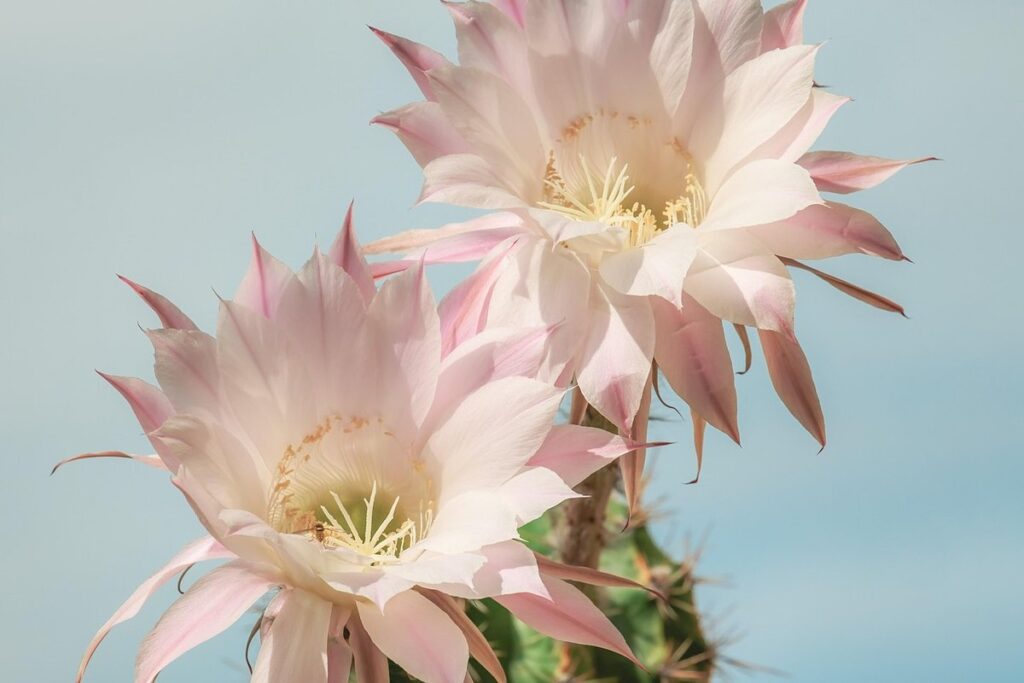
Understanding Epiphyllum Orchids
When it comes to caring for epiphyllum orchid cacti, understanding their unique growth habits and requirements is key to providing optimal care. This section will break down the basics of these fascinating plants.
What are Epiphyllum Orchids?
Epiphyllum orchids are indeed one of a kind, and understanding their characteristics is essential for providing them with optimal care. These plants belong to the cactus family, but they don’t behave like typical cacti. Instead of growing on sandy dunes or rocky outcrops, epiphyllum orchids thrive in trees and other surfaces where they can absorb moisture and nutrients from the air.
There are several types of epiphyllum orchids, with Epiphyllum oxypetalum being one of the most popular varieties. Native to Central and South America, this plant is prized for its delicate white flowers that bloom at night, hence its common name “queen of night”. Other notable species include Epiphyllum pumilum and Epiphyllum angulatum, which offer similar characteristics but with slight variations in appearance.
When it comes to choosing an epiphyllum orchid, consider the specific needs of each type. For example, some varieties prefer brighter light conditions, while others thrive in more shaded environments. By understanding these basic characteristics and types, you’ll be well on your way to providing your epiphyllum orchid with the care it deserves.
Origins and History of Cultivation
The epiphyllum orchid cactus has a rich history that spans thousands of years, with its origins dating back to ancient civilizations in Central and South America. Native to the tropical regions of these continents, epiphyllum orchids were first cultivated by the Aztecs and Mayans for their beautiful flowers and unique growth habits. These early cultures recognized the plant’s ability to thrive on other surfaces without harming them, a characteristic that earned it the name “epiphyte.”
In its natural habitat, the epiphyllum orchid cactus grows on tree trunks and branches in shaded areas, where it can absorb moisture and nutrients from the air. This adaptation allows it to survive in environments with limited water availability. Over time, indigenous people learned to replicate these conditions in their gardens, using rocks, logs, or other supports to create a humid microclimate for their epiphyllum orchids.
Today, epiphyllum orchid cactus cultivation has spread globally, with many enthusiasts and botanists experimenting with new methods of care and propagation. By understanding the plant’s origins and natural habits, we can provide the best possible conditions for these remarkable plants to thrive.
Choosing the Right Epiphyllum Orchid Variety
When selecting an epiphyllum orchid variety, it’s essential to consider your climate, available space, and personal preferences to ensure you choose a plant that thrives under your care. Let’s explore some popular options.
Factors to Consider When Selecting a Variety
When selecting an epiphyllum orchid variety, it’s essential to consider several factors beyond just its appearance. Bloom size and color can greatly impact the overall aesthetic of your plant. If you’re looking for a dramatic display, choose a variety with larger blooms like ‘Black Beauty’ or ‘Red Sparkle’. On the other hand, if you prefer a more subtle look, smaller blooms like ‘Albomaculata’ might be the way to go.
Bloom frequency is another crucial factor. Some epiphyllum orchid varieties bloom only once a year, while others may produce multiple flowers throughout the growing season. If you want a variety that will provide consistent color and interest, look for species that produce multiple blooms like ‘Dendrobium’ or ‘Cattleya’. Additionally, consider the plant’s growth habits, such as its ability to climb or trail. This can help you choose a variety that suits your available space and desired level of maintenance.
Ultimately, choosing the right epiphyllum orchid variety involves weighing these factors against your personal preferences and needs. By considering bloom size, color, frequency, and growth habits, you’ll be able to select a variety that brings joy and beauty to your home or garden for years to come.
Popular Varieties and Their Characteristics
When it comes to Epiphyllum orchids, you’ll find an array of stunning varieties that cater to different tastes and growing conditions. Some popular choices among growers include the ‘Aguavo’, ‘Pumila’, and ‘Tuberosum’ species.
The ‘Aguavo’ variety boasts vibrant green stems with beautiful white or yellow flowers, while its compact growth habit makes it an excellent choice for smaller spaces. On the other hand, the ‘Pumila’ type thrives in well-draining soil and full sun, producing showy white blooms that attract pollinators.
For those who want a more unique look, consider the ‘Tuberosum’, which boasts beautiful blue-green stems with delicate white flowers. This variety excels in partial shade and moist environments, making it perfect for growers with less direct sunlight available.
Remember to research specific care requirements for your chosen Epiphyllum orchid variety, as some may have unique needs.
Growing Epiphyllum Orchids: Essential Care Tips
To successfully grow your epiphyllum orchid, it’s essential to understand its specific care needs, which we’ll explore in depth below. Let’s dive into the crucial care tips for this unique and beautiful plant.
Lighting Requirements
When it comes to providing optimal care for your epiphyllum orchid, one of the most critical elements is lighting. These unique plants thrive in environments with a specific balance of light and shade, making it essential to understand their lighting requirements.
Firstly, it’s crucial to note that epiphyllum orchids are not cacti, despite being referred to as “orchid cactus.” As such, they require more delicate care when it comes to lighting. Provide your plant with bright, indirect light for 12-14 hours a day. This can be achieved by placing the plant near an east- or west-facing window or under grow lights.
Avoid direct sunlight, which can cause scorching and discoloration on the leaves. Instead, opt for dappled or filtered light that mimics the natural environment of these tropical plants. Keep in mind that too little light can lead to weak and leggy growth, while too much light can cause damage to the plant’s delicate tissues.
Monitor your plant’s response to its current lighting conditions and adjust accordingly. If you notice signs of scorching or discoloration, consider moving the plant to a shadier location. Conversely, if you observe weak or spindly growth, consider increasing the duration or intensity of the light.
Watering and Humidity Needs
Epiphyllum orchids require careful attention to their watering and humidity needs. Unlike other cacti, epiphyllums prefer a more humid environment to thrive. To maintain optimal humidity levels, you can place the plant on a tray filled with water and pebbles or use a humidifier nearby. However, be cautious not to overwater, as this can lead to root rot.
A good rule of thumb is to water your epiphyllum orchid when the top 1-2 inches of potting mix feels dry to the touch. This typically means watering once every 7-10 days during the growing season (spring and summer) and less frequently in the dormant season (fall and winter). You can also check for moisture by gently tugging on a leaf; if it comes off easily, the plant is ready for water.
To avoid overwatering, make sure to repot your epiphyllum orchid every 2-3 years using a well-draining potting mix specifically designed for cacti and succulents. This will help prevent waterlogged soil and root rot. By following these guidelines, you can create an environment that meets your epiphyllum orchid’s unique watering and humidity needs.
Repotting and Fertilizing Epiphyllum Orchids
When it comes time to give your epiphyllum orchid a new pot or some extra nutrients, follow these crucial steps to keep it thriving. Proper repotting and fertilizing techniques are essential for healthy growth.
When and How to Repot
When repotting your Epiphyllum orchid, it’s essential to choose the right moment. These plants typically need to be repotted every 2-3 years, but the exact timing depends on their growth rate and pot size.
Observe your plant’s behavior: if its roots start to grow out of the pot or if the soil becomes packed and hard, it’s likely time for a repotting. Spring and summer are the best seasons for repotting, as this allows the plant to establish itself in its new environment before the dormant period.
When selecting a new pot, choose one with good drainage holes to prevent waterlogged soil. A well-draining mix specifically designed for orchids will also help to keep your Epiphyllum healthy and thriving. Avoid using regular potting mixes, as they can retain too much water and cause root rot.
Consider repotting when the plant is actively growing, and use a gentle touch to minimize stress. Remove any dead or damaged roots before placing the plant in its new home, and water thoroughly after repotting to settle the soil. This will ensure your Epiphyllum continues to thrive with proper care.
Fertilization Schedule and Recommendations
When it comes to fertilizing your epiphyllum orchid cactus, timing is everything. To promote healthy growth and encourage blooming, you’ll want to follow a consistent fertilization schedule.
During the growing season (spring and summer), feed your epiphyllum orchid with a balanced, water-soluble fertilizer that’s specifically formulated for cacti and succulents. A 20-20-20 NPK ratio is ideal, as it provides equal amounts of nitrogen, phosphorus, and potassium. You can also use a fertilizer with micronutrients like magnesium and calcium to promote strong root development.
As a general rule, fertilize your epiphyllum orchid every 1-2 weeks during the growing season. However, dilute the fertilizer to half the recommended strength to avoid burning the roots. For example, if the instructions call for 5 ml of fertilizer per liter of water, use only 2.5 ml.
During the dormant season (fall and winter), reduce fertilization to once a month or every other month. This will help your epiphyllum orchid conserve energy and focus on root growth rather than producing new growth.
Common Pests and Diseases Affecting Epiphyllum Orchids
When it comes to epiphyllum orchid cactus care, being aware of common pests and diseases is crucial for preventing damage and ensuring your plant thrives. Learn how to identify and manage these issues effectively.
Identifying Common Issues
When caring for epiphyllum orchids, growers often encounter common pests and diseases that can be detrimental to these unique plants. Mealybugs are one of the most prevalent issues, feeding on sap and causing white, cottony patches on leaves and stems. They can multiply rapidly, so it’s essential to catch them early by inspecting your plant regularly.
Spider mites are another pest often seen on epiphyllum orchids, particularly in dry environments. These tiny arachnids feed on sap, causing yellowing or bronzing of leaves. Look for fine webbing between leaves and stems as a sign of infestation. To manage mealybugs and spider mites, use neem oil or insecticidal soap according to the manufacturer’s instructions.
Root rot is a common disease affecting epiphyllum orchids, often caused by overwatering. Check for soft, mushy roots, which are usually a sign of root rot. Reduce watering frequency and repot in well-draining media to prevent further damage.
Prevention and Treatment Strategies
To maintain a healthy epiphyllum orchid and prevent pest and disease issues, it’s essential to establish good growing habits from the outset. This includes providing optimal conditions for growth, such as bright, indirect light and moderate temperatures between 65°F to 75°F (18°C to 24°C). Regular watering is also crucial, but be cautious not to overwater, which can lead to root rot.
Prevention of pests like mealybugs, spider mites, and scale requires regular inspection of the plant. Check for signs of infestation, such as white cottony patches or fine webs on the leaves and stems. If you notice any issues, treat the plant promptly with insecticidal soap or neem oil. To prevent root rot and other fungal diseases, repot your epiphyllum orchid in a well-draining potting mix and ensure good air circulation around the plant.
In addition to prevention strategies, it’s also vital to know how to treat common pests and diseases effectively. For instance, if you notice leaf drop or yellowing leaves due to root rot, stop watering immediately and repot the epiphyllum orchid in fresh, well-draining potting mix. Regularly inspect your plant for signs of infestation or disease and take action promptly to prevent further damage.
Propagating Epiphyllum Orchids: Methods and Techniques
To successfully propagate your epiphyllum orchid, you’ll want to familiarize yourself with two primary methods: stem cuttings and division. Both techniques can produce great results with proper care.
Stem Cuttings vs. Seeds
When it comes to propagating Epiphyllum orchids, you have two primary options: stem cuttings and seeds. While both methods can be effective, they have distinct advantages and disadvantages that are worth considering.
Using stem cuttings is a popular method for Epiphyllum orchid propagation, especially since it allows you to reproduce plants with desirable characteristics like flower color or growth habit. To take a cutting, simply remove a healthy segment from the mother plant, making sure each section has at least one “eye” (a small bud that will grow into a new plant). Plant the cutting in well-draining mix and keep it moist but not waterlogged. Success rates are generally high, with cuttings typically producing flowers within 2-3 years.
On the other hand, growing Epiphyllum orchids from seeds can be a more time-consuming process. Seeds need to be sown on top of a potting mix and kept consistently moist until germination occurs (usually within 1-3 months). However, seedlings can take up to 5-7 years to mature and produce flowers, making it less practical for hobbyists who want to enjoy blooms sooner rather than later. Despite this, growing from seeds allows you to experiment with hybridization and create unique cultivars.
Step-by-Step Propagation Instructions
To successfully propagate an epiphyllum orchid, you’ll need to follow these step-by-step instructions. For stem cuttings, start by selecting a healthy segment with at least two nodes. Cut the segment from the mother plant using a sharp, sterile knife or pruning tool, making sure each node has some roots attached.
Next, allow the cut ends to dry for 2-3 days to form a callus over the wound. This will help prevent root rot and promote healthy growth. Afterward, dip the cut end into rooting hormone powder or liquid to enhance root development.
Plant the cutting in a well-draining potting mix, such as sphagnum moss or perlite, making sure the node is buried about 1-2 inches deep. Water sparingly until roots develop, usually within 2-4 weeks. For leaf cuttings, follow similar steps but use smaller sections of the leaf with some stem attached.
It’s essential to maintain high humidity and temperatures between 65-75°F (18-24°C) during propagation. Monitor your cutting for signs of growth, such as new roots or shoots, and adjust its environment accordingly. With proper care, you should be able to successfully propagate an epiphyllum orchid using either method.
Conclusion: Tips for Success with Epiphyllum Orchid Care
Now that you’ve learned how to care for your Epiphyllum orchid cactus, here are some final tips to ensure it thrives and brings joy to your space. Follow these expert recommendations for long-term success.
Final Reminders and Takeaways
As you conclude this comprehensive guide to epiphyllum orchid cactus care, it’s essential to revisit and reinforce the key takeaways that will ensure the long-term health and beauty of your plant.
Incorporating a balanced fertilization routine is crucial for epiphyllum orchids. This means providing your plant with a fertilizer specifically formulated for orchids during the growing season, and then switching to a more acidic fertilizer once the plant has finished flowering. By doing so, you’ll be giving your epiphyllum orchid the necessary nutrients to thrive.
Another critical aspect of epiphyllum orchid care is maintaining proper humidity levels. These plants prefer well-ventilated areas with relatively low humidity, around 40-50%. While they can tolerate some fluctuations in humidity, consistently high humidity can lead to root rot and other issues. To achieve this balance, consider using a humidifier or placing your plant on a tray filled with water and pebbles.
Furthermore, repotting your epiphyllum orchid is an essential part of its care. When repotting, use a well-draining potting mix specifically designed for cacti and succulents. Also, ensure that the new container has adequate drainage holes to prevent waterlogged soil. Repot every 2-3 years, or when your plant becomes pot-bound.
Remember to inspect your epiphyllum orchid regularly for pests and diseases. Regularly check for whiteflies, mealybugs, and spider mites by gently examining the plant’s leaves and stems. If you notice any signs of infestation, immediately take action by treating your plant with insecticidal soap or neem oil.
Lastly, don’t forget to monitor your plant’s watering needs during the winter months when it’s dormant. Cut back on watering significantly, allowing the soil to dry out between waterings. By following these simple steps and tips, you’ll be well on your way to becoming an epiphyllum orchid expert and ensuring a healthy, thriving plant for years to come.
Frequently Asked Questions
How do I ensure optimal blooming for my epiphyllum orchid?
Make sure to provide your plant with a period of cooler temperatures (around 50-60°F) during the winter months, followed by a gradual increase in warmth as spring approaches. This will signal your epiphyllum orchid to produce buds and eventually flowers. Keep in mind that consistent moisture levels and fertilization also play crucial roles in promoting blooming.
What are some common pests that can affect my epiphyllum orchid?
Scale, mealybugs, and spider mites are common pests that can infest your epiphyllum orchid. Regularly inspect your plant for signs of these pests, such as white cottony patches or tiny moving dots. If you notice any issues, treat your plant with neem oil or insecticidal soap according to the product’s instructions.
Can I propagate my epiphyllum orchid using seeds?
While it is possible to grow epiphyllum orchids from seed, this method can be unpredictable and may not produce plants that are true-to-type. Stem cuttings are generally a more reliable and efficient way to propagate these cacti, as they ensure the new plant will have the same characteristics as the parent.
How often should I repot my epiphyllum orchid?
Repot your epiphyllum orchid every 2-3 years, or when the potting mix starts to break down. Choose a well-draining potting mix specifically designed for cacti and succulents, and gently remove the plant from its container to inspect the roots.
Can I grow my epiphyllum orchid outdoors year-round in mild climates?
While epiphyllum orchids can tolerate some outdoor exposure, it’s essential to provide them with protection from extreme temperatures, direct sunlight, and precipitation. If you live in a mild climate, consider growing your epiphyllum orchid under a shaded area or a sunroom during the warmer months, and bring it indoors during periods of intense heat or cold.