
Are you ready to fall in love with one of the most stunning and unique cacti out there? The Cereus night blooming cactus is a true marvel, with its breathtaking flowers that bloom only at night. Native to the Americas, this species has been captivating botanists and plant enthusiasts alike for centuries with its ethereal beauty. But beyond its striking appearance, the Cereus night blooming cactus also requires some special care – understanding its habitat, propagation methods, and growth habits is essential to bringing out its full potential. In our comprehensive guide, we’ll delve into the world of this extraordinary species, covering everything from habitat and propagation to tips on how to grow it successfully at home. Whether you’re a seasoned cactus enthusiast or just starting your plant journey, get ready to discover the wonders of the Cereus night blooming cactus.
What is a Cereus Night Blooming Cactus?
So, you’re new to the world of cacti and want to learn more about the majestic Cereus night blooming cactus. Let’s start by understanding what makes this unique plant so special.
Introduction to the Cereus Species
The Cereus genus is one of the most beloved groups among cactus enthusiasts, and for good reason. With over 25 species spread across the Americas, these majestic plants have been a source of fascination for botanists and plant lovers alike. One of the standout characteristics of Cereus is its incredible diversity in terms of size, shape, and color. Some species can grow up to 20 feet tall, while others remain compact and bushy.
What sets Cereus apart from other cacti is its unique ability to bloom at night, hence the name ‘night-blooming.’ This phenomenon occurs when the flowers are pollinated by nocturnal creatures like moths and bats. The blooms themselves can be a sight to behold – delicate, fragrant, and often tubular in shape.
For those new to cacti, starting with a Cereus species is an excellent choice due to their relatively easy care requirements and stunning appearance. With proper attention to watering and temperature fluctuations, these plants can thrive in your home or garden, adding a touch of the wild and exotic to your surroundings.
Identifying the Cereus Night Blooming Cactus
One of the most distinctive features of the Cereus night blooming cactus is its unique growth habit. Unlike other cereus species that grow upright and columnar, the night blooming variety tends to sprawl and trail, making it a great choice for hanging baskets or containers. Its stems can reach up to 10 feet in length, but they often branch out and become more compact as they mature.
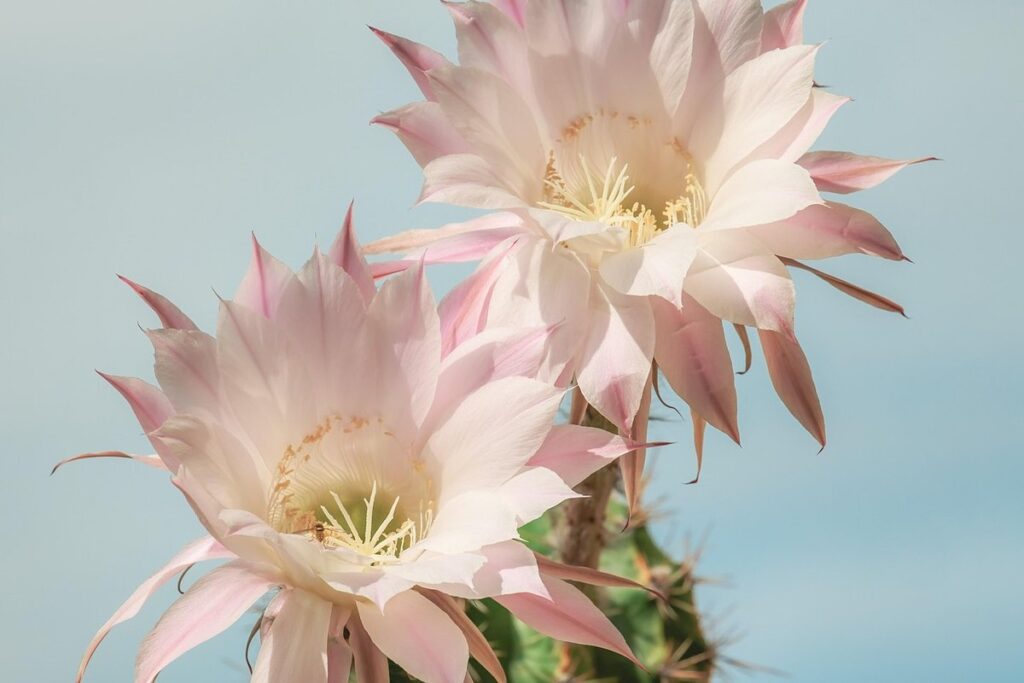
The plant’s flowers are another key identifier of this species. The blooms are typically white or pale pink, with a strong sweet fragrance that attracts pollinators at night. They usually open in the evening and remain open for only a few hours before closing again at dawn.
To identify your Cereus night blooming cactus, look for these characteristic features: sprawling stems, long flower stalks, and large, showy blooms with a strong scent. With proper care and conditions, this unique plant can thrive in your garden or indoor space, providing beauty and interest throughout the year.
Habitat and Distribution
The Cereus night blooming cactus is found in its natural habitat throughout the deserts of South America, where it thrives in arid conditions. You’ll also learn how to replicate this environment at home.
Native Range and Climate
The Cereus night blooming cactus is native to the arid regions of Central and South America, stretching from Mexico to northern Argentina. Its typical climate consists of hot summers and mild winters, with an average annual rainfall of around 20-30 inches. This unique environment has shaped the plant’s growth patterns, allowing it to thrive in areas with limited water availability.
In its natural habitat, Cereus night blooming cacti grow in well-draining soil, often on rocky outcrops or hillsides. The intense sunlight and high temperatures during the day force the plant to store water in its stems, which can expand up to 10 times their normal size. At night, when the temperature drops significantly, the flowers bloom, releasing a fragrance that attracts pollinators.
When caring for your Cereus night blooming cactus at home, it’s essential to replicate these conditions. Provide full sun and moderate watering, allowing the soil to dry out between waterings. This will help prevent root rot and encourage healthy growth. By mimicking its native climate, you’ll be able to enjoy the plant’s unique beauty and blooms for years to come.
Adaptability to Different Environments
One of the most appealing aspects of the Cereus night blooming cactus is its ability to adapt to various environments. Whether you’re a seasoned gardener or just starting out, this low-maintenance plant can thrive in different spaces with proper care. For instance, if you’re planning to keep your Cereus indoors, choose a bright and airy location near an east- or west-facing window. However, be cautious not to expose it directly to direct sunlight during peak hours, as this may cause scorching.
Cereus can also do well in outdoor settings with some protection from extreme temperatures and moisture. In hot climates, consider planting it under a shaded area or using a trellis for partial shade. This will help prevent water loss through transpiration and minimize the risk of root rot due to excessive moisture. To ensure optimal growth indoors or outdoors, maintain temperatures between 65°F (18°C) and 75°F (24°C), and water sparingly, allowing the soil to dry out completely between waterings.
In terms of humidity, Cereus can tolerate average indoor humidity levels but may benefit from a gentle misting during particularly arid periods. Be mindful of sudden changes in temperature or humidity, which could shock your plant. With these basic considerations in mind, you’ll be well on your way to providing the right environment for your Cereus to flourish.
Care and Maintenance
Now that you’ve brought your Cereus Night Blooming Cactus home, it’s time to learn how to give it the TLC it needs to thrive in its new environment. This section covers essential care and maintenance tips to keep your plant happy and healthy.
Lighting Requirements
When it comes to lighting requirements for your Cereus night blooming cactus, striking the right balance between sunlight exposure and shade is crucial for optimal growth. This may seem counterintuitive, as many cacti thrive in full sun, but the Cereus species has specific needs.
In general, a south-facing window or a spot with bright, indirect light is ideal for your Cereus. Direct sunlight can be too intense and cause the leaves to become scorched, while insufficient light can lead to weak and spindly growth. To achieve the perfect balance, start by placing your cactus in a location that receives 4-6 hours of direct sunlight per day.
Be cautious not to overdo it, as excessive sun exposure can also cause the blooms to drop off prematurely. If you live in a particularly sunny region or have a large window with intense light, consider using sheer curtains or blinds to filter the sun’s rays and provide gentle shade for your plant.
Keep an eye on your cactus’s response to its environment, and adjust its placement as needed. With a little experimentation and patience, you’ll find the sweet spot that brings out the best in your Cereus night blooming cactus.
Watering Schedule
When it comes to watering your Cereus night blooming cactus, it’s essential to strike the right balance. Overwatering is a common mistake that can lead to root rot and other problems, while underwatering can cause stress and affect flowering.
Water your Cereus cactus sparingly, allowing the soil to dry out completely between waterings. A good rule of thumb is to wait until the top 1-2 inches of soil are dry before watering again. This may mean watering every 7-10 days in the spring and summer months when the plant is actively growing, but only every 4-6 weeks in the fall and winter.
Keep an eye on your cactus’s surroundings – if it’s exposed to direct sunlight or high temperatures, you’ll need to water more frequently. Conversely, if it’s in a shaded area or cooler temperatures, you can get away with less frequent watering. Be cautious not to get water on the plant’s sensitive stem or flowers, as this can cause damage.
By following these guidelines and observing your cactus’s individual needs, you can avoid common pitfalls and keep your Cereus night blooming cactus thriving.
Fertilization
Fertilizing your cereus night blooming cactus is an essential part of its care and maintenance. During its growing season, which typically runs from spring to fall, feed your plant with a balanced, water-soluble fertilizer. Dilute the fertilizer to half the recommended strength to avoid burning your cactus’s roots.
You can fertilize your cereus night blooming cactus every 2-3 weeks during this period. However, make sure not to fertilize it when it’s dormant or during the winter months. This is because your cactus is not actively growing and will not benefit from the fertilizer.
It’s also essential to choose a fertilizer that’s specifically formulated for cacti and succulents. These types of fertilizers have a higher concentration of phosphorus, which promotes healthy root development and flower production. Look for a fertilizer with an N-P-K ratio of 5-10-10 or 5-20-20.
As you’re fertilizing your cereus night blooming cactus, make sure to water it thoroughly after application to prevent any chemical burns on the roots. With proper fertilization, your plant should thrive and produce more vibrant blooms in the evening hours.
Blooming and Reproduction
As we delve into the fascinating world of the Cereus, it’s time to explore how these incredible plants bloom and reproduce, ensuring their unique beauty lives on. Let’s take a closer look at this process!
The Night Blooming Phenomenon
As night falls, the cereus night blooming cactus transforms into a breathtaking spectacle. This phenomenon is not just visually stunning but also holds some fascinating secrets. The reason why this species blooms at night lies in its adaptation to survive in arid environments with limited water availability.
During the day, the temperature can soar, and water loss through transpiration can be excessive. By opening their flowers at night, these cacti take advantage of the cooler temperatures and reduced evaporation rates. This allows them to conserve energy and resources for seed production. At dusk, the plant’s stem begins to swell, and the flower bud starts to expand, releasing a sweet fragrance that attracts pollinators like moths and bats.
As the sun sets, the flowers typically bloom between 7-10 pm, revealing their pure white or pale pink petals with yellow centers. The blooms usually last for only one night, but they can be observed in various stages throughout the evening, making it a unique experience to witness this natural display. By understanding and appreciating these nocturnal blooms, we can better care for our cereus cacti, ensuring they thrive and produce an abundance of flowers.
Propagation Methods
When it comes time to share your beloved Cereus night blooming cactus with friends and family, or to simply propagate more plants for yourself, there are several effective methods to consider. One of the most straightforward ways to reproduce this species is through stem cuttings. To do so, carefully select a section of mature stem, ideally around 4-6 inches long, from a healthy parent plant. Remove any spines and allow the cutting to dry out for a few days to form a callus over the wound. Then, plant it in well-draining soil, providing moderate watering until roots develop.
Another method is through seed propagation. This process can be more challenging, as Cereus seeds are very small and sensitive to moisture. However, if you’re willing to provide optimal conditions – such as a warm location with high humidity – you may successfully germinate the seeds in about 1-3 months. Alternatively, division is also an option for experienced growers who have multiple mature plants. This method involves carefully separating the root system of a well-established Cereus and replanting each section individually.
When taking stem cuttings or dividing established plants, be sure to select sections with at least one ‘eye’ (the small white nodules that will eventually produce new growth) for optimal success rates.
Common Pests and Diseases
As you care for your Cereus Night Blooming cactus, it’s essential to be aware of common pests and diseases that can affect its health, such as mealybugs and root rot. These issues can be prevented with proper attention and maintenance.
Prevention and Treatment
Recognizing signs of infestation or infection is crucial for preventing further damage to your Cereus night blooming cactus. Check for pests like mealybugs, spider mites, and scale insects on the plant’s stems, leaves, and flowers. Look for white powdery patches, yellowing or discoloration of the leaves, and black spots on the skin – these are common signs of fungal infections.
To prevent infestations, maintain good hygiene by disinfecting your tools between use and washing your hands before handling the plant. Inspect new plants carefully before introducing them to your collection to avoid bringing pests into your home. Keep your Cereus in a well-ventilated area to reduce humidity and prevent fungal growth.
If you suspect an infestation or infection, treat your Cereus promptly with insecticidal soap or neem oil. Spray the affected areas thoroughly, making sure to cover all surfaces. For fungal infections, use a fungicide specifically designed for cacti and succulents, following the product’s instructions carefully.
Monitor your plant closely after treatment and take preventative measures to avoid future infestations. Regular repotting can also help prevent root rot and other issues by providing fresh soil and air circulation. Keep in mind that some pests or infections may require professional attention, especially if left untreated for an extended period.
To further minimize risks, research the specific needs of your Cereus variety to ensure you’re meeting its requirements for watering, light, and temperature. By staying vigilant and taking prompt action when needed, you can enjoy a healthy and thriving Cereus night blooming cactus that continues to bloom beautifully each year.
Tips for Successful Growing
To ensure your Cereus Night Blooming Cactus thrives, here are some valuable tips on proper care and growing conditions that’ll make it flourish. Follow these guidelines carefully!
Monitoring and Adjusting Care
Monitoring and adjusting care is an essential aspect of successful growing, especially when it comes to the Cereus night blooming cactus. As you observe your plant’s responses to its environment, you’ll need to adjust its care accordingly. This may involve tweaking watering schedules, pruning habits, or even providing additional support.
One way to gauge your plant’s needs is by paying attention to changes in its appearance and behavior. For instance, if the stems are becoming weak and spindly, it may be a sign that the plant needs more direct sunlight. On the other hand, if the skin is developing brown patches or soft spots, this could indicate over-watering.
To adjust care effectively, observe your cactus regularly for signs of stress or contentment. Be prepared to make changes as needed – perhaps introducing a slightly drier environment during winter months or increasing watering frequency in warmer seasons. By doing so, you’ll be well on your way to creating an ideal setting for your Cereus night blooming cactus to thrive and produce its stunning nighttime blooms.
Common Mistakes to Avoid
When it comes to growing a beautiful and healthy Cereus night blooming cactus, there are some common mistakes that can harm your plant. To avoid these pitfalls, let’s take a closer look.
Overwatering is one of the most significant errors you can make when caring for your Cereus. These plants are adapted to dry conditions and will rot if their roots are consistently waterlogged. Be sure to only water your cactus sparingly, allowing the soil to dry out completely between each watering. A good rule of thumb is to wait until the top inch of soil feels dry to the touch.
Another mistake to avoid is exposing your Cereus to extreme temperatures. These plants thrive in warmer temperatures above 50°F (10°C), so keep them away from drafty windows or air conditioning vents. Also, be cautious when moving your cactus outdoors during the warmer months – a sudden drop in temperature can cause damage.
Finally, don’t assume that your Cereus needs full sun to bloom well. While these plants do appreciate some direct sunlight, they can easily become scorched if left in intense light for too long. Place them near an east- or west-facing window to provide gentle, indirect light and promote healthy growth and blooming.
Frequently Asked Questions
Can I grow a Cereus Night Blooming Cactus indoors without losing its natural night-blooming habit?
Yes, it is possible to maintain the plant’s natural blooming schedule indoors with proper care and attention to lighting requirements. To ensure optimal growth and flowering, provide your Cereus with bright indirect light during the day and complete darkness at night, using blackout curtains or a grow tent if necessary.
How often should I water my Cereus Night Blooming Cactus in hot, dry climates?
Watering frequency will depend on the temperature and humidity levels in your environment. In hot, dry climates, it’s essential to water sparingly but thoroughly when watering, allowing the soil to dry out completely between waterings. Be cautious not to overwater, as this can lead to root rot.
Can I propagate a Cereus Night Blooming Cactus from seed or cuttings?
Both methods are viable for propagation, with seed germination being a more time-consuming process that requires careful monitoring of temperature and humidity levels. Taking cuttings is a quicker method but demands attention to detail regarding cutting orientation and rooting medium.
What should I do if my Cereus Night Blooming Cactus develops pests or diseases?
Early detection and swift action are crucial in addressing infestations or infections. Isolate the affected plant, inspect it for any signs of damage, and apply targeted treatments according to the type of pest or disease. Regular monitoring and preventative measures will also help maintain a healthy environment.
Are there specific nutrient requirements for Cereus Night Blooming Cacti that I should be aware of?
Fertilize your Cereus with balanced, water-soluble cactus fertilizer during the growing season (spring and summer) to promote optimal growth. Dilute the recommended dosage by half to avoid burning the roots. Avoid fertilizing during winter months when the plant is dormant.