
Identifying the unique species of barrel cacti can be a fascinating yet challenging task, especially for beginners. With over 20 species spread across North America, each with its distinct physical characteristics and specialized features, it’s no wonder that accurate identification is crucial for both enthusiasts and conservation efforts. In this article, we’ll delve into the world of barrel cactus identification, covering essential topics such as physical traits, habitat preferences, and the unique features that set each species apart. By mastering these key elements, you’ll be well-equipped to embark on a journey of discovery and appreciation for these incredible desert dwellers. Whether you’re a seasoned botanist or an avid hiker, this guide will provide valuable insights into the world of barrel cacti, empowering you to make informed observations and contribute to their conservation.
Introduction to Barrel Cacti
Let’s start by exploring what makes barrel cacti so unique, and learn how to identify these distinctive plants that are loved by desert enthusiasts worldwide. We’ll dive into their characteristics and traits.
What are Barrel Cacti?
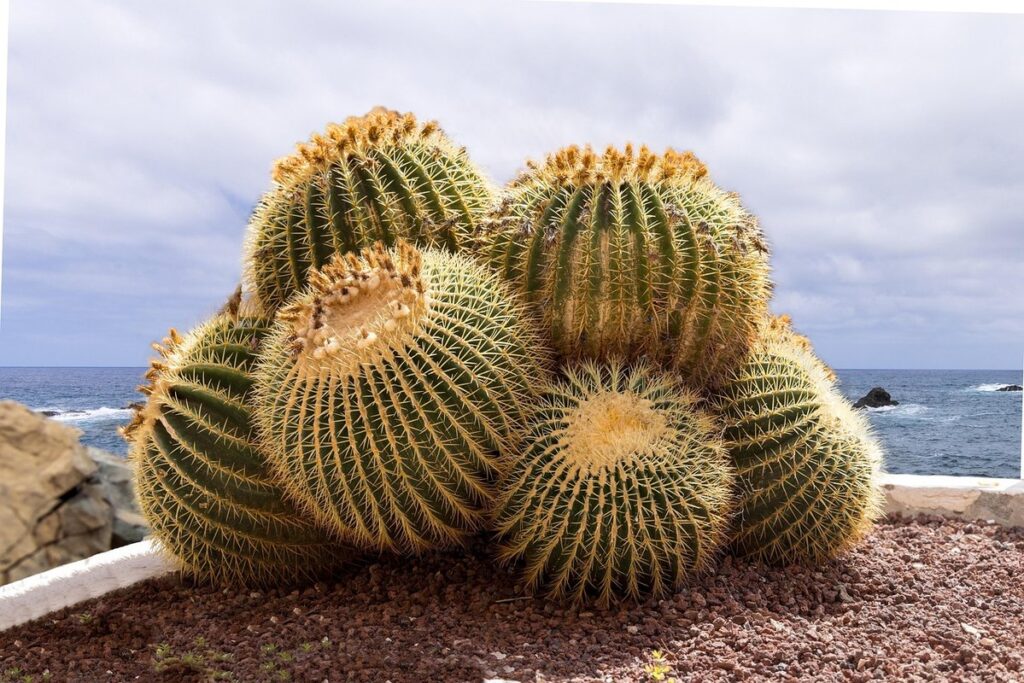
Barrel cacti are one of the most recognizable and iconic desert plants, with their distinctive cylindrical stems and vibrant flowers. These remarkable succulents have adapted to survive in some of the harshest environments on Earth, where water is scarce and temperatures soar. One of the key characteristics that set barrel cacti apart from other types of cacti is their unique growth habit – they store water in their thick, waxy stems, allowing them to go for extended periods without rain.
In fact, barrel cacti can live for up to 100 years or more in the wild, making them a vital part of the desert ecosystem. These long-lived plants play a crucial role in providing food and shelter for a wide range of animals, from birds and insects to mammals and reptiles. For example, the Goliath barrel cactus (Ferocactus diguetii) is an important source of food for the lesser long-nosed bat (Leptonycteris yerbabuenae), which feeds on its sweet, juicy fruits.
As a result, understanding the unique characteristics and habits of barrel cacti is essential for effective identification. By recognizing their distinctive growth patterns, flower shapes, and other key features, you’ll be better equipped to identify these amazing plants in the wild.
Importance of Identifying Barrel Cacti
Accurate identification of barrel cacti is crucial for various stakeholders, including botanists, researchers, and enthusiasts. By correctly identifying these plants, you can significantly contribute to conservation efforts and expand our understanding of plant evolution.
For instance, precise identification helps scientists track the spread of invasive species, enabling them to implement targeted control measures. In contrast, misidentification can lead to ineffective or even counterproductive strategies. Moreover, accurate classification enables researchers to study the unique characteristics of specific barrel cactus varieties, shedding light on their adaptations and evolutionary history.
In conservation efforts, identifying barrel cacti also aids in the development of species-specific protection plans. For example, some barrel cactus species are listed as threatened or endangered due to habitat destruction or overcollection. By correctly identifying these plants, conservationists can focus their efforts on protecting the most vulnerable populations.
To identify barrel cacti accurately, consult reliable field guides and online resources, such as the Cactus and Succulent Society of America or the International Plant Names Index.
Physical Characteristics of Barrel Cacti
Let’s take a closer look at the physical characteristics that set barrel cacti apart from other species, such as their distinctive shape and color patterns. These unique features can help you identify them with confidence.
Stem and Spine Morphology
One of the most distinctive features of barrel cacti is their unique stem morphology. Unlike other types of cacti, which often have columnar or cylindrical stems, barrel cacti have a distinctly rounded or barrel-shaped body. This shape allows them to store large amounts of water and withstand harsh desert conditions.
But it’s not just the shape that sets barrel cacti apart – their spine patterns are also incredibly distinctive. Barrel cacti typically have 13-30 radial spines, which are arranged in a spiral pattern around the stem. These spines can vary in length, but they’re usually quite short and often appear to be the same color as the rest of the plant.
When identifying barrel cacti, look for these characteristic spine patterns – they’re a dead giveaway that you’ve found a member of this unique species. Some common types of barrel cactus include Ferocactus emoryi (the Emory’s Barrel Cactus) and Ferocactus alamosanus (the Alamo Barrel Cactus), both of which are known for their vibrant spines and rounded stems. With practice, you’ll be able to spot these distinctive features in no time!
Size and Color Variations
When it comes to identifying barrel cacti, one of the most distinctive physical characteristics is their size and color variations. As these plants grow, they can range from small, compact specimens to towering columns that reach up to 6 feet tall.
Age plays a significant role in determining the size of a barrel cactus. Younger plants tend to be smaller, with diameters typically ranging from 3 to 12 inches. As they mature and receive optimal growing conditions, their stems can expand significantly, with some varieties reaching diameters of up to 2 feet or more.
Color variations are also noteworthy in barrel cacti. The epidermal layer, which is the outermost skin-like layer of cells, gives these plants their characteristic yellowish-green hue. However, environmental conditions and genetic variation can influence color intensity and distribution. For example, exposure to intense sunlight may cause the plant’s stem to develop a reddish or purplish tint.
Some species, like the classic Ferocactus alamosanus, display vibrant orange or red skin that deepens with age.
Habitat and Distribution
You’ll find barrel cacti growing in various parts of the world, thriving in arid regions with well-draining soil. Their unique habitats are crucial to understanding their growth patterns and characteristics.
Desert Ecosystems
If you’re planning to venture out into the wild to identify barrel cacti, it’s essential to know where to look. Barrel cacti are native to the deserts of North and South America, with the majority of species found in the southwestern United States and Mexico.
Some specific desert ecosystems where you can find barrel cacti include the Sonoran Desert, Mojave Desert, and Chihuahuan Desert. These regions provide the ideal conditions for barrel cacti growth: hot temperatures during the day, cool nights, and limited rainfall. For example, the iconic Saguaro (Carnegiea gigantea) grows in the Sonoran Desert, where it’s not uncommon to spot them standing tall alongside the Arizona desert floor.
To increase your chances of spotting barrel cacti in their natural habitat, research the specific species you’re looking for and the regions where they typically grow. Be sure to respect protected areas and regulations when exploring these ecosystems. With some knowledge and preparation, you’ll be well on your way to successfully identifying barrel cacti in their native habitats.
Adaptations for Survival
In their native habitats, barrel cacti have evolved incredible adaptations to survive against all odds. One of the most distinctive features of these plants is their waxy stems, which act as a water reservoir, storing moisture for extended periods. This adaptation allows them to withstand the harsh conditions of arid environments, where rainfall can be scarce and unreliable.
The deep roots of barrel cacti are another crucial survival mechanism. By digging deep into the soil, they’re able to tap into groundwater sources that remain accessible even during droughts. This enables them to survive for months without rain, relying on stored water reserves rather than relying on current weather patterns.
Spines and waxy coatings also play a vital role in protecting barrel cacti from predators and environmental stressors. The spines serve as an effective deterrent against herbivores, while the waxy coating helps prevent excessive water loss through transpiration. These adaptations are a testament to the remarkable resilience of these plants, which thrive in some of the harshest environments on Earth.
Identification Features
To confidently identify a barrel cactus, you’ll want to focus on several distinct features that set it apart from other species. Let’s break down these key characteristics together!
Shape and Size Considerations
When it comes to identifying barrel cacti, their shape and size can be crucial distinguishing features. One of the most notable differences between species is the overall height and width of the plant. For example, the classic “Ferocactus alamosanus” tends to grow much taller than other species, often reaching up to 10 feet in height.
On the other hand, the popular “Ferocactus pilosus” has a more compact growth habit, typically reaching only about 3-4 feet tall. This is where attention to detail comes into play – measuring the plant’s dimensions can help narrow down the possibilities when trying to identify it.
Another key aspect of shape and size considerations is observing any distinguishing features such as protrusions or ridges on the stems or ribs. For instance, the “Ferocactus cylindraceus” often has a distinctive ‘tepee-like’ profile due to its strong vertical growth.
Spine Patterns and Coloration
One of the most distinctive and recognizable features of barrel cacti is their spine patterns and coloration. These characteristics can vary significantly among different species, making them a valuable tool for identification. When examining the spines on a barrel cactus, consider both their pattern and color.
In terms of pattern, some barrel cacti have densely packed spines that cover the entire plant, while others may have more scattered or even absent spines. For example, the Engelmann prickly pear cactus (Opuntia engelmannii) has long, whip-like spines that are often covered in tiny hair-like protrusions, whereas the Santa Rita prickly pear cactus (Opuntia santa-ritaensis) has shorter, more rounded spines with fine teeth.
Spine coloration can also be highly variable, ranging from pure white or light yellow to deep purple or reddish-brown. In some cases, this coloration may shift in response to environmental factors such as temperature or humidity. For instance, the stems of certain barrel cacti may develop a vibrant red or orange tint during periods of high heat stress.
As you examine a potential barrel cactus specimen, take note of its overall spine pattern and coloration. Compare these characteristics with known species profiles to help narrow down your identification.
Specialized Features for Identification
Now that you’ve learned the basics, let’s dive deeper into some of the specialized features that will help you identify barrel cactus species accurately. These distinctive traits can be crucial in making a positive ID.
Flowering and Fruiting
One of the most distinctive and recognizable features of barrel cacti is their flowers and fruits. These specialized structures are crucial for identifying different species within the genus Ferocactus. When it comes to flowering, barrel cacti typically bloom in late spring or early summer, with the exact timing depending on factors like climate, altitude, and soil quality.
Flowers themselves are usually funnel-shaped, ranging from 2-5 inches (5-13 cm) in length, and come in a variety of colors such as red, orange, yellow, pink, purple, or white. Some species may have distinct markings or patterns on the petals, making them more visually striking. It’s essential to note that flowers often bloom for only a few days, so if you encounter a barrel cactus with buds or open flowers, make sure to take detailed notes and photos for future reference.
When it comes to fruits, barrel cacti produce small, spherical or oval-shaped pods containing numerous seeds. The timing of fruit production varies depending on the species, but it usually occurs after the flowering period. Rarely, you might encounter a barrel cactus with ripe or dried-up fruit still attached, which can be an excellent identifying feature.
Observing these specialized features will help you narrow down the possibilities and eventually pinpoint the specific barrel cactus species you’ve encountered.
Root and Stem Structure
The barrel cactus’s unique root and stem structure is a crucial adaptation that allows it to survive in arid environments. One of the most distinctive features of the barrel cactus is its taproot system, which extends deep into the soil to access groundwater. This deep root system enables the plant to store large amounts of water during periods of rainfall, allowing it to withstand prolonged droughts.
The stem itself is also designed for water storage, with thick, waxy skin that helps prevent water loss through transpiration. The stem can grow up to several feet in diameter and has a distinctive “barrel” shape, which gives the plant its common name. As the plant grows, it forms new stems that are tightly packed together, creating a dense, protective barrier against extreme temperatures.
In addition to these adaptations, barrel cacti have evolved other specialized features that aid in water conservation, such as small, hairy roots that increase surface area for water uptake and tiny, hair-like structures called trichomes on the stem’s surface.
Conclusion and Future Directions
Now that you’ve mastered the basics of barrel cactus identification, let’s take a look at what we’ve covered so far and discuss some future directions for your continued exploration.
Recap of Key Identification Features
When it comes to identifying barrel cacti, you’ll want to keep an eye out for several key features. These can often be used together to narrow down the possibilities and help you pinpoint the specific species.
Some of the most important physical characteristics to look for include the presence or absence of spines, their size and color, and any distinctive patterns or markings on the stem. We’ve also discussed the importance of examining the flower shape and color, as well as the time of year it blooms.
Other features worth noting are the cactus’s height and diameter, its growth habit, and whether it produces offsets or not. For example, some barrel cacti have a distinctive “bulb” at the base of the stem, while others may have a more elongated or cylindrical shape.
As you review your observations, think about how these different features interact with one another to create a unique profile for each species. Consider combining multiple characteristics – such as spine color and pattern, flower size and shape, and growth habit – to increase the likelihood of making an accurate identification.
Emerging Research and Trends
Recent research has shed new light on barrel cacti, revealing fascinating insights that will redefine our understanding of these remarkable plants. One exciting development is the discovery of a new species of barrel cactus in the Sonoran Desert, which has expanded our knowledge of the genus’s diversity. This breakthrough was made possible by advances in DNA sequencing technology, allowing researchers to identify subtle genetic differences between species.
Another significant trend emerging from recent studies is the focus on conservation efforts. As urbanization and climate change continue to encroach upon natural habitats, scientists are working tirelessly to develop effective strategies for protecting barrel cactus populations. For example, a study published in 2022 found that creating artificial refuges for native pollinators can have a positive impact on cactus reproduction rates. By adopting such approaches, we can ensure the long-term survival of these incredible plants and the ecosystems they inhabit.
Furthermore, ongoing research is also exploring the medicinal properties of barrel cacti. Preliminary findings suggest that certain compounds extracted from the plant may possess anti-inflammatory and antioxidant properties, paving the way for potential breakthroughs in human health care. As we continue to learn more about these extraordinary plants, it’s essential to prioritize responsible collecting practices and support conservation initiatives that safeguard their future.
Frequently Asked Questions
How do I determine the age of a barrel cactus?
Determining the age of a barrel cactus can be challenging, but one method is to examine the stem’s diameter. Older cacti tend to have thicker stems due to the cumulative growth over time. You can also look for signs of scars or scratches on the stem, which may indicate past damage or pruning.
What are some common mistakes beginners make when trying to identify barrel cacti?
One common mistake is relying too heavily on a single characteristic, such as spine color or flower shape. This approach can lead to misidentification, as barrel cacti often exhibit variable traits within the same species. Instead, consider multiple features and use them in combination to make an accurate identification.
How do I properly document my findings when identifying barrel cacti?
To ensure accurate documentation, take detailed notes on each observation, including photographs or sketches of the plant’s physical characteristics. Also, record information about the habitat, such as location, elevation, and weather conditions. This will help you create a comprehensive record for future reference.
Can I use online resources to supplement my identification skills?
Yes, numerous online resources are available, including field guides, taxonomic databases, and community forums. These tools can provide valuable insights and expert opinions to aid in your identification process. However, always verify information through multiple sources to ensure accuracy.
What if I’m still unsure about the identity of a barrel cactus after consulting various resources?
If you’re still uncertain, consider consulting with an experienced botanist or joining online communities focused on desert plant enthusiasts. These networks can offer expert guidance and help you refine your identification skills through hands-on experience and peer review.