
Growing ground cherries in containers can be a rewarding experience for anyone looking to add some variety to their garden. But, let’s face it, these unique fruits can be finicky and require specific care to thrive. Whether you’re a seasoned gardener or just starting out, choosing the right container and providing the perfect conditions is crucial for achieving a bountiful harvest. In this comprehensive guide, we’ll walk you through expert tips on growing ground cherries in containers, covering everything from selecting the ideal pot to pruning and pest control strategies. By following our advice, you’ll be well on your way to enjoying perfectly ripe ground cherries right in your own backyard. Get ready to unlock the secrets of container-grown ground cherries!
Choosing the Right Container
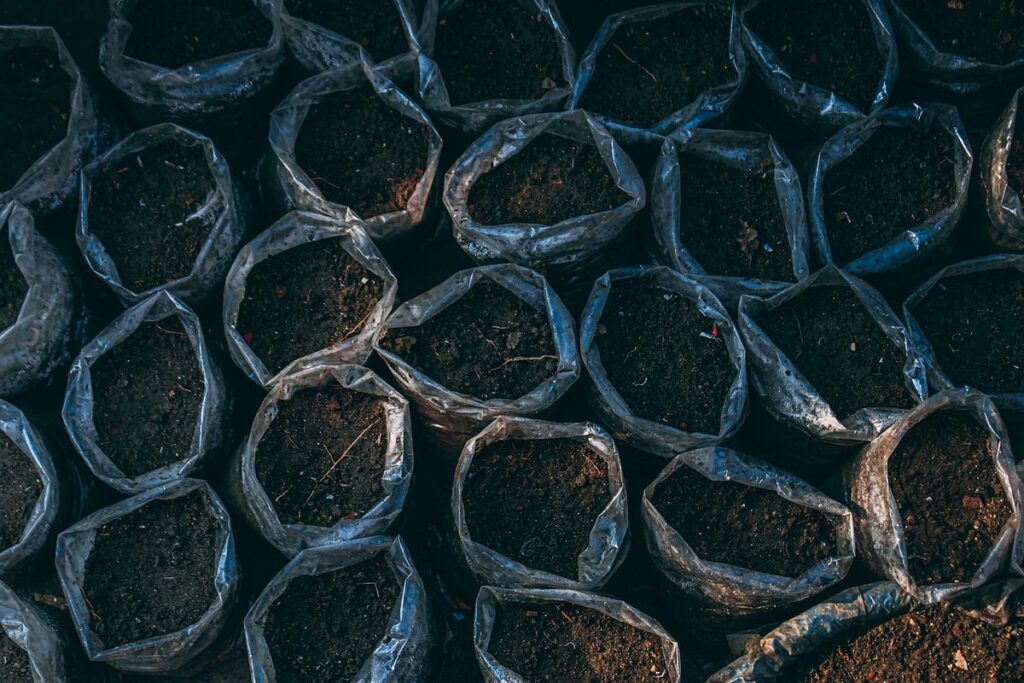
When selecting a container for growing ground cherries, it’s essential to consider factors such as size, drainage, and material to ensure optimal growth. Choose wisely to avoid root bound issues and disappointment.
Soil Mix and pH Requirements
When it comes to growing ground cherries in containers, one of the most crucial factors is having a well-balanced soil mix and optimal pH levels. Ground cherries prefer slightly acidic to neutral soil with a pH between 6.0 and 7.0. If you’re using a bagged potting mix, check the label for its pH level. However, if it’s outside this range or you’re unsure, creating your own blend is relatively simple.
To make a suitable mix, combine equal parts peat moss, vermiculite, and perlite with a small amount of compost. This will provide excellent drainage, aeration, and moisture retention while keeping the pH in check. You can also repurpose old potting mixes by adding a few tablespoons of sulfur or aluminum sulfate to lower the pH.
Keep in mind that ground cherries have a deep taproot, so the mix should be well-draining but not too loose. Avoid using mixes with high sand content, as they can cause the roots to dry out quickly. By creating or purchasing a suitable soil mix and maintaining an optimal pH level, you’ll set your ground cherry plants up for success in their containers.
Container Size and Depth Considerations
When selecting a container for growing ground cherries, it’s essential to consider its size and depth. Ground cherry plants have a deep taproot that can grow up to 2 feet deep, so you’ll want to choose a container with sufficient depth to accommodate this.
A minimum container size of 6-8 inches deep is recommended, but 12-14 inches or deeper is even better. This will give the roots enough room to develop and support the plant’s growth. Additionally, ensure the container has good drainage holes in the bottom to prevent waterlogged soil and root rot.
Consider using a deeper container if you’re growing a dwarf or compact variety of ground cherry, as these plants tend to have smaller taproots. On the other hand, if you’re growing a standard variety, a larger, deeper container will provide more room for the roots to spread out.
Remember, ground cherry plants prefer well-draining soil and can be sensitive to overwatering. A good rule of thumb is to water thoroughly when the top 1-2 inches of soil feel dry to the touch. By choosing the right size and depth of container, you’ll set your ground cherry plant up for success and help it thrive in its new home.
Propagation Methods for Ground Cherries
To successfully grow ground cherries from seed, you’ll want to learn about the various propagation methods that produce strong and healthy plants. We’ll cover these methods in detail below.
Seed Starting vs. Grafting
When it comes to propagating ground cherries for container growing, you have two primary methods at your disposal: seed starting and grafting. While both techniques can be effective, they each have their own set of advantages and disadvantages that are worth considering.
Seed starting is the most common method of propagation, and it’s a great way to get started with ground cherry cultivation. By sowing seeds indoors 4-6 weeks before the last frost date in your area, you’ll give them a head start on the growing season. This can be especially beneficial if you live in an area with short summers or early frosts. Seedlings are relatively inexpensive and easy to care for, but they may take longer to mature than grafted plants.
Grafting, on the other hand, involves joining a piece of stem (called a scion) from one ground cherry plant onto the root system of another (the rootstock). This can produce more vigorous and productive plants that are better suited to container growing. Grafted plants typically take longer to propagate and require specialized equipment, but they often yield faster results in terms of fruit production.
Consider your specific needs and goals before deciding between seed starting and grafting. If you’re short on time or want a high volume of fruit quickly, grafted plants may be the better choice. However, if you prefer a more cost-effective option with minimal equipment required, seed starting is an excellent way to go.
Using Cuttings or Division for Rapid Propagation
If you’re looking to multiply your ground cherry harvest quickly, using cuttings or division is an excellent alternative method. This approach allows you to create new plants without relying on seeds, which can be a time-consuming process. To start, select a healthy mature plant with plenty of growth. You’ll want to take 4-6 inch stem cuttings from the current season’s growth, making sure each cutting has at least two nodes (the joint where leaves meet the stem). Remove lower leaves, leaving only two or three sets of leaves at the top. Place the cuttings in a propagation tray filled with a well-draining mix, and keep them in a warm location with indirect light until roots develop.
Alternatively, division is another option for rapid propagation. Choose a mature plant with multiple crowns (where new growth emerges) and gently separate the individual sections using a fork or spade. Replant each section, making sure to provide enough space for proper growth. Be sure to handle the roots carefully during this process to minimize stress on the plants.
By utilizing these methods, you can produce multiple new ground cherry plants in no time, increasing your yield and expanding your container garden.
Lighting and Temperature Requirements
To grow ground cherries successfully in containers, it’s essential to provide them with specific lighting and temperature conditions that mimic their natural environment as closely as possible. This includes providing adequate light and keeping temperatures within a suitable range.
Full Sun vs. Partial Shade
When growing ground cherries in containers, one of the most critical factors to consider is providing them with the right amount of light. Ground cherry plants require full sun to produce an abundance of fruit, but partial shade can also work if you live in a region with intense sunlight.
To determine the right amount of light for your ground cherry plant, observe its leaves. If they’re a deep green color and have no signs of burning or scorching, it’s likely getting enough direct sunlight. However, if the leaves appear pale or discolored, consider providing some afternoon shade to prevent damage.
Aim for at least 6 hours of direct sunlight per day for optimal fruit production. If you’re growing in a container and can’t provide full sun, choose a location with partial shade, such as an east- or west-facing wall. This will give your plant the necessary light without causing damage from intense afternoon sun.
In areas with high temperatures, providing some shade during the hottest part of the day can be beneficial for overall plant health.
Ideal Temperatures for Growth and Ripening
When growing ground cherries in containers, it’s essential to provide them with optimal temperature conditions for growth and ripening. Ground cherry plants thrive in temperatures between 65°F (18°C) and 75°F (24°C) during the day, while nighttime temperatures should not drop below 55°F (13°C). These conditions promote healthy growth, fruiting, and ripening.
If your container is exposed to direct sunlight, ensure it’s provided with some shade, especially during peak summer months. This will help prevent scorching of the leaves and fruits. On the other hand, if you’re growing in a shaded area, consider using grow lights to supplement the natural light and maintain temperatures between 70°F (21°C) and 80°F (27°C).
Maintaining an optimal temperature range is also crucial for pest control. Many pests, such as aphids and whiteflies, are sensitive to cooler temperatures and can be controlled by ensuring your container isn’t too cold. By providing the right temperature conditions, you’ll enjoy healthy growth, prolific fruiting, and a bountiful harvest of delicious ground cherries. Keep in mind that ground cherry plants can tolerate some frost, but prolonged exposure to freezing temperatures can damage or kill them.
Watering and Fertilization Strategies
When it comes to growing ground cherries in containers, proper watering and fertilization are crucial for a bountiful harvest, but how do you strike the right balance?
Avoiding Overwatering and Root Rot
When growing ground cherries in containers, it’s easy to get carried away with watering. But overwatering is one of the most common mistakes container gardeners make. This can lead to root rot, which is a surefire way to kill your plants.
So how often should you water your ground cherry plants? The answer is simple: check the soil moisture daily. Stick your finger into the soil up to the first knuckle, and if it feels dry, it’s time to water. But don’t just water when the soil feels dry – also consider the weather forecast. If it’s been hot and dry for a few days, you’ll need to water more frequently.
Another key thing to monitor is the drainage holes in your container. Make sure they’re clear and unblocked to prevent water from accumulating at the roots of your plants. You can also use a moisture meter to measure the soil’s water levels. This will give you an accurate reading and help you avoid overwatering.
Remember, ground cherry plants prefer well-draining soil and can’t tolerate too much water. By monitoring the soil moisture daily and being mindful of the weather, you’ll be able to keep your plants happy and healthy.
Balanced Fertilizers and Organic Options
When it comes to fertilizing ground cherries grown in containers, it’s essential to choose a balanced fertilizer that meets their specific needs. Ground cherries are heavy feeders and require a fertilizer with a balanced N-P-K ratio (nitrogen-phosphorus-potassium) of 10-10-10 or higher. A fertilizer with a high phosphorus content will promote fruit production, while potassium will help maintain overall plant health.
For organic options, you can consider using compost tea or worm castings as a liquid fertilizer. These natural alternatives are rich in beneficial microbes that will help to improve soil structure and fertility. Another option is to use a balanced organic fertilizer like fish emulsion or bone meal. These products are slow-release and provide nutrients over an extended period.
When selecting a fertilizer, make sure to read the label carefully and choose one that’s specifically designed for container-grown plants. This will help prevent over-fertilization, which can cause more harm than good.
Pruning and Training Techniques
Pruning and training techniques are crucial for maximizing your container-grown ground cherry’s potential, allowing it to thrive in a compact space. Learn how to expertly prune and train your plants for optimal growth.
How to Prune Ground Cherry Plants
Pruning ground cherry plants is an essential technique to maintain their shape, promote new growth, and increase yields. When grown in containers, these plants can become quite leggy if not pruned regularly. To encourage bushy growth and prevent the plant from becoming too top-heavy, prune your ground cherries after they’ve finished fruiting in the summer.
To start, remove any dead or damaged branches to prevent the spread of disease and encourage healthy growth. Next, cut back any weak or spindly stems to about half their length. This will help the plant redirect its energy towards producing more fruiting branches. You should also remove any suckers that are growing from the base of the plant, as these can take energy away from the rest of the plant.
When pruning, make clean cuts just above a leaf node using sharp, sterile pruning shears. This will help the wound heal quickly and reduce the risk of disease. Aim to prune your ground cherries every 2-3 weeks during the growing season to keep them healthy and productive. By following these simple steps, you’ll be able to enjoy a bountiful harvest from your container-grown ground cherries.
Supporting Vines with Trellises or Stakes
When training ground cherry vines for optimal support and fruit display, using trellises or stakes is essential. As these plants can grow quite long and produce heavy yields, they require adequate support to prevent them from toppling over or becoming tangled.
To start, choose a sturdy trellis that’s at least 6 feet tall. You can use a wooden or metal trellis, but make sure it’s specifically designed for climbing plants like ground cherries. Alternatively, you can use individual stakes placed about 1-2 feet apart along the container to provide support.
For optimal fruit display, train the vines to grow up the trellis by gently twining them around the supports. You can also trim any wayward stems or branches to encourage horizontal growth and promote even fruiting.
Keep in mind that ground cherry plants are naturally vining, so they’ll readily adapt to their surroundings. However, with proper support, you can control the direction of the vines and ensure your plant produces an abundance of juicy fruits.
Common Pests and Diseases to Watch Out For
As you nurture your ground cherry plants in containers, it’s essential to be aware of common pests and diseases that can harm them, such as aphids and powdery mildew. Keep an eye out for these potential threats!
Signs of Infestation and Prevention Methods
Ground cherries are a favorite among container gardeners, but like any other plant, they’re susceptible to pests. Keep an eye out for common culprits like aphids, whiteflies, and spider mites. These tiny critters can suck the sap from your plants, causing curled or distorted leaves.
Aphid infestations often appear as small, soft-bodied insects on the underside of leaves. Whiteflies are more likely to be seen flying around your plant, while spider mites leave behind fine webbing and stippled leaves. If you notice any of these signs, act quickly to prevent the problem from spreading.
To prevent infestations in the first place, start with clean containers and sterilize any tools used for planting. Make sure your container has good air circulation and adequate space between plants. Keep an eye out for eggs or nymphs hiding on stems or leaves. Regularly inspect your plants and use neem oil or insecticidal soap to control infestations before they get out of hand.
Recognizing Fungal Diseases and Treatment Options
When growing ground cherries in containers, it’s essential to be on the lookout for common fungal diseases that can affect these plants. Fungal diseases like powdery mildew, leaf spot, and root rot are notorious for causing harm to container gardens.
Powdery mildew is characterized by a white, cottony growth on the leaves, while leaf spot appears as small, circular lesions on the leaves’ surface. Root rot, on the other hand, causes the plant’s roots to decay, leading to a decline in overall health.
To identify fungal diseases, inspect your plants regularly for these symptoms and take action promptly if you notice any issues. For powdery mildew, treat with a fungicide spray specifically designed for this disease. To prevent leaf spot, ensure good air circulation around the plant and avoid overhead watering.
For root rot, repot the affected plant in fresh potting mix and provide it with optimal growing conditions. A preventative measure is to use sterile potting mixes and maintain excellent drainage in your containers. By recognizing these symptoms early on and taking swift action, you can protect your ground cherry plants from fungal diseases and enjoy a bountiful harvest.
Frequently Asked Questions
Can I grow ground cherries indoors if I don’t have a sunny outdoor space?
Yes, you can still enjoy growing ground cherries by providing them with bright, indirect light indoors. Choose a south-facing window or use grow lights to simulate the necessary light requirements for optimal growth.
How often should I fertilize my container-grown ground cherry plants?
Fertilize your ground cherry plants regularly during the growing season (spring-fall) with balanced organic fertilizers. A general rule of thumb is to fertilize every 1-2 weeks, but make sure not to overdo it, as this can lead to weak growth and reduced fruit production.
Can I propagate ground cherries from cuttings?
Yes, you can take stem cuttings from mature ground cherry plants during the dormant season (winter). Remove lower leaves, dip in rooting hormone, and plant them in a well-draining potting mix. Keep the soil consistently moist but not waterlogged until roots develop.
How do I prevent common pests like aphids and spider mites from infesting my container-grown ground cherries?
Regularly inspect your plants for signs of infestation, such as sticky honeydew droplets or fine webbing. Use neem oil or insecticidal soap to control minor infestations, and implement integrated pest management strategies like introducing beneficial insects (e.g., ladybugs) or practicing good hygiene.
Can I use a self-watering container for growing ground cherries?
Yes, you can use a self-watering container, but ensure it has adequate drainage holes to prevent waterlogged soil. This type of container can help reduce watering frequency and promote healthy root growth, but be cautious not to overwater, as this can still lead to root rot issues.