
If you’re a ground cherry enthusiast, chances are you’ve experienced the frustration of low yields or poor fruit quality. Effective fertilization is key to unlocking your plant’s full potential, but with so many options available, it can be overwhelming to know where to start. Should you opt for organic or synthetic fertilizers? How about composting – is it a game-changer for ground cherries, or just a gimmick?
In this article, we’ll take the mystery out of fertilization and guide you through the best practices for nourishing your ground cherry plants. We’ll delve into the benefits and drawbacks of different fertilizing methods, share expert tips on how to create nutrient-rich compost, and explore advanced techniques to ensure optimal growth. By the end of this comprehensive guide, you’ll be equipped with the knowledge to give your ground cherries the TLC they need to thrive.
Understanding Ground Cherries and Their Nutritional Needs
To grow healthy ground cherries, it’s essential to understand their specific nutritional needs, including macronutrients and micronutrients that promote optimal growth. This section breaks down those requirements in detail.
What are Ground Cherries?
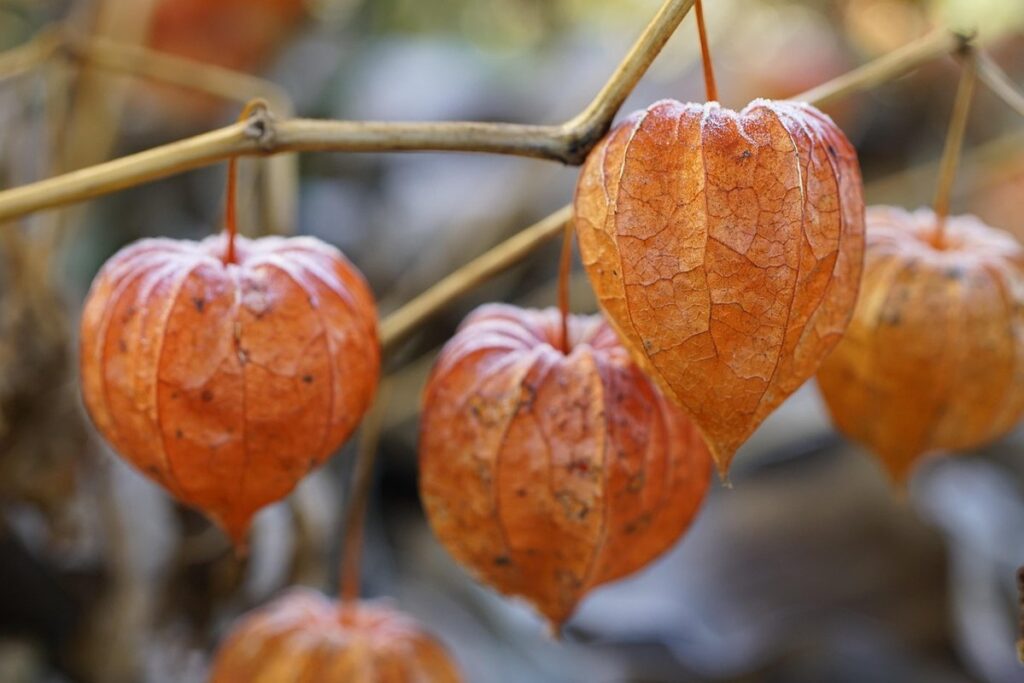
Ground cherries are a type of fruit that belongs to the nightshade family, native to South America. They are also known as Physalis pruinosa, and their origin can be traced back to the Andean region of Peru, Bolivia, and Ecuador. These small, round fruits have a papery husk that encloses a sweet and tangy pulp, similar to a combination of pineapple and strawberry flavors.
The ground cherry plant is an annual or perennial vine, growing up to 3 feet tall with oval-shaped leaves. They thrive in warm weather conditions, preferring well-drained soil and full sun to partial shade. The fruiting season typically occurs from mid-summer to early fall, producing small, yellowish-green fruits that are rich in antioxidants, vitamins, and minerals.
As you start exploring ground cherry fertilization techniques, understanding the plant’s natural characteristics is essential. By recognizing their unique needs and preferences, you’ll be better equipped to create a tailored fertilization plan for optimal growth and fruit production.
Importance of Soil Quality for Ground Cherries
Soil quality plays a critical role in the growth and productivity of ground cherries. A healthy soil ecosystem is essential for optimal growth, fruiting, and overall plant health. The three key factors that affect ground cherry growth are pH levels, nutrient content, and soil structure.
Maintaining an ideal pH range between 6.0 and 7.0 is crucial for ground cherries. If the pH level is too high or too low, it can lead to nutrient deficiencies and poor plant performance. For example, if the soil pH is too alkaline, calcium and magnesium levels may become imbalanced, causing issues with fruit set and development.
Adequate nutrient content is also vital for ground cherry growth. Nutrients like nitrogen, phosphorus, and potassium are essential for plant development, fruiting, and overall health. A well-balanced fertilizer application can help ensure that the soil has sufficient nutrients to support optimal ground cherry growth.
Soil structure also affects ground cherry growth. Well-draining soils with a mix of sand, silt, and clay particles allow roots to grow deeply, promoting healthy plant development and fruiting. Avoid compacted or poorly draining soils, as they can lead to root rot and reduced yields.
Nutrient Requirements for Optimal Growth
To achieve optimal growth, ground cherries require a balanced diet of essential nutrients. These small fruits are relatively low-maintenance but still demand adequate nutrient intake to produce abundant yields and fruit quality. A well-structured fertilization plan should prioritize the following key nutrients:
Nitrogen (N) is crucial for leaf development and overall plant health. Aim to provide 10-15 pounds per 100 square feet annually, broken down into multiple applications.
Phosphorus (P) promotes root growth and flowering. A minimum of 2-3 pounds per 100 square feet is recommended each year, with most of it applied during the pre-bloom stage.
Potassium (K) enhances overall plant resilience and aids in disease resistance. Allocate 10-12 pounds per 100 square feet on a regular basis throughout the growing season.
Additionally, microelements like calcium and magnesium also play vital roles in ground cherry growth. However, their requirements are relatively lower compared to macronutrients. A balanced fertilizer or soil amendments can help supplement these micronutrients effectively.
Preparing the Soil for Fertilization
Before you start applying fertilizers, it’s crucial to prepare your ground cherry soil properly to ensure maximum absorption and effectiveness. In this next step, we’ll cover how to ready your soil for optimal fertilization results.
Testing Your Soil: Why It Matters
Testing your soil is one of the most critical steps in preparing it for fertilization. Ground cherry plants thrive in well-draining soil with a pH between 6.0 and 7.0. However, without testing, you might end up using fertilizers that are not suitable for your specific soil type.
A simple pH test can reveal if your soil is too acidic or alkaline. For instance, if the pH level is below 6.0, it’s likely that your ground cherry plants will struggle to absorb essential nutrients. On the other hand, if the pH level exceeds 7.0, you might need to use more acidic fertilizers, which can be expensive and potentially harm your plants.
You can purchase a DIY soil testing kit or send a sample to a lab for analysis. This will provide you with detailed information about your soil’s nutrient content, including nitrogen, phosphorus, and potassium levels. With this data, you’ll be able to choose the right fertilizers for your ground cherry plants, ensuring they receive the necessary nutrients for optimal growth.
Understanding Soil Amendments and Their Role in Fertilization
When it comes to preparing the soil for ground cherry fertilization, understanding soil amendments is crucial. Soil amendments are substances added to the soil to improve its physical and chemical properties. They can be broadly categorized into three types: organic matter, fertilizers, and lime.
Organic matter amendments, such as compost or well-rotted manure, help improve soil structure, increase water-holding capacity, and provide nutrients to plants. For example, adding 2-3 inches of compost to your soil before planting ground cherries can significantly enhance its fertility. Fertilizers, on the other hand, provide essential macronutrients like nitrogen, phosphorus, and potassium that promote plant growth. Lime is another important amendment that adjusts soil pH levels, which is particularly crucial for acid-loving plants like ground cherries.
When choosing a soil amendment, consider your soil’s specific needs and pH level. For instance, if your soil is too acidic, adding lime can help raise its pH to an optimal range (5.5-6.5) for ground cherry growth. Remember to follow the manufacturer’s instructions when applying any soil amendments, and always test your soil before fertilizing to ensure you’re using the right type of amendment at the right dosage.
Organic vs. Synthetic Fertilizers for Ground Cherries
When it comes to fertilizing your ground cherries, one of the biggest decisions you’ll face is whether to use organic or synthetic fertilizers. In this section, we’ll weigh the pros and cons of each option.
Benefits and Drawbacks of Organic Fertilizers
When it comes to fertilizing your ground cherries, you’ll want to consider using organic options that are gentle on the environment and provide a slow release of nutrients. Organic fertilizers have numerous benefits for your plants and the soil.
One of the primary advantages of using natural compost is its ability to improve soil structure and fertility over time. Rich in beneficial microbes and humus, compost helps to retain moisture, suppress pests and diseases, and promote healthy root growth. Composting can be as simple as setting aside a bin in your kitchen or garden to collect food scraps.
Another organic option, manure from herbivores like horses, cows, or chickens, provides essential nutrients like nitrogen, phosphorus, and potassium. However, ensure you use aged manure that’s free of weed seeds and pathogens.
Fish emulsion, on the other hand, offers a concentrated dose of nutrients, but it can be pungent and expensive. Use it sparingly, following label instructions to avoid burning your plants’ roots.
Some drawbacks to consider when using organic fertilizers include the need for more frequent application, higher upfront costs, and potential spoilage if not stored properly. Despite these limitations, many gardeners swear by the long-term benefits of building healthy soil with natural compost or manure.
Understanding Synthetic Fertilizers: Pros and Cons
Synthetic fertilizers have been widely used in agriculture for decades due to their ability to provide a quick boost of nutrients to plants. However, they also come with some drawbacks that cannot be ignored.
One of the main advantages of synthetic fertilizers is that they contain high levels of nitrogen, which can lead to rapid growth and fruit production in ground cherries. Ammonium sulfate, for example, is a popular choice among farmers due to its cost-effectiveness and quick action. It’s often recommended for establishing new plants or promoting seed germination.
However, synthetic fertilizers have several disadvantages that cannot be overlooked. Overuse can lead to environmental pollution, soil degradation, and harm to beneficial microorganisms in the soil. Moreover, excessive nitrogen levels can cause an imbalance in the plant’s nutrient uptake, resulting in weak roots and reduced disease resistance.
When using synthetic fertilizers like ammonium sulfate on your ground cherries, it’s essential to follow the recommended application rates carefully and consider rotating with organic options seasonally to maintain a balanced fertility program.
Composting for Ground Cherry Fertilization
Composting is a fantastic way to create a nutrient-rich fertilizer for your ground cherry plants, and we’ll show you how to do it effectively in this section. By following our tips, you’ll be on your way to healthy and productive harvests.
Creating a Compost Pile: Tips and Tricks
Creating a compost pile is an essential step in creating nutrient-rich fertilizer for your ground cherry plants. To get started, you’ll need to select materials that are high in nitrogen, carbon, and microorganisms. Aim for a mix of “green” materials like kitchen scraps, grass clippings, and manure, which are rich in nitrogen, and “brown” materials like leaves, twigs, and shredded newspaper, which provide carbon.
When building your compost pile, start by layering the materials in a 2/3 brown to 1/3 green ratio. This will help maintain the perfect balance of microorganisms and prevent odors from developing. As you add more layers, make sure to mix the ingredients well to ensure even decomposition.
Maintaining moisture is also crucial for healthy composting. Aim for a damp, not soggy, consistency by sprinkling water between each layer. Turning your pile regularly will also help speed up the decomposition process and prevent anaerobic conditions from developing. Try to turn your compost every 7-10 days during the first few weeks, then reduce frequency as it breaks down.
By following these simple steps, you’ll be well on your way to creating a nutrient-rich compost that’s perfect for fertilizing your ground cherry plants.
Benefits of Composting for Ground Cherries
Composting is an excellent way to provide ground cherries with the nutrients they need to thrive. By incorporating compost into your soil, you’ll be giving your plants a concentrated dose of beneficial microbes and organic matter that will improve their overall health and productivity. This is especially important for ground cherries, which are notoriously sensitive to nutrient deficiencies.
When composted properly, it can provide up to 20% more nutrients than synthetic fertilizers. To make the most of composting for your ground cherries, be sure to create a balanced mix that includes equal parts “green” materials (such as food scraps and grass clippings) and “brown” materials (like leaves or shredded newspaper). Add this mixture to your soil regularly, ideally during the spring when new growth begins. By doing so, you’ll be able to see significant improvements in fruit size and quality within just a few weeks.
Some of the key benefits of composting for ground cherries include:
• Increased nutrient availability
• Enhanced microbial activity
• Better drought resistance
• Reduced need for synthetic fertilizers
By incorporating these simple tips into your gardening routine, you’ll be well on your way to growing healthy, thriving ground cherry plants.
Integrated Pest Management (IPM) and Fertilization
When it comes to growing healthy ground cherry plants, effective fertilization is just one part of the equation. In this section, we’ll explore how integrated pest management (IPM) and fertilization strategies work together.
Understanding IPM Principles for Ground Cherries
When it comes to growing ground cherries, implementing Integrated Pest Management (IPM) principles is crucial for maintaining a healthy and thriving crop. IPM involves monitoring pests, using physical barriers, and applying organic or synthetic controls as needed to minimize harm to the environment and human health.
Monitoring pests is an essential part of IPM. This involves regularly inspecting your ground cherry plants for signs of infestation, such as holes in leaves or stems, sticky substances on the plant surface, or actual insects like aphids or whiteflies. Be sure to check both above-ground and below-ground areas, as some pests can burrow into soil.
To prevent pest issues from arising, consider using physical barriers around your plants. These can include fine mesh screens or row covers that keep flying pests out while allowing beneficial insects in. You can also use copper tape to repel slugs and snails by creating a barrier around the plant’s stem.
When organic or synthetic controls are needed, apply them judiciously to minimize harm to beneficial insects and the environment. For example, neem oil is an effective pesticide against soft-bodied pests like aphids but can be toxic to bees, so use it during cooler parts of the day when pollinators are less active.
Role of Fertilization in IPM Strategies
Fertilization plays a crucial role in Integrated Pest Management (IPM) strategies for ground cherries. IPM aims to manage pests and diseases using a combination of techniques that minimize harm to the environment, human health, and beneficial organisms. Fertilization is one such technique that can help control pests and improve crop yields.
When it comes to fertilizing ground cherries, timing is everything. Over-fertilization can lead to weak plants that are more susceptible to pests and diseases, while under-fertilization can result in poor fruit quality and reduced yields. To strike the right balance, consider the following tips:
* Soil test: Get a soil analysis done to determine your soil’s pH level and nutrient content.
* Balanced fertilizer: Use a balanced fertilizer (e.g., 10-10-10 N-P-K) during planting or early growth stages.
* Organic matter: Add organic matter like compost or manure tea to improve soil structure and fertility.
* Foliar feeding: Apply a foliar spray with micronutrients (e.g., magnesium, sulfur) to support plant growth.
By incorporating fertilization into your IPM strategy, you can promote healthy plant growth, reduce pest pressure, and enjoy bountiful harvests of delicious ground cherries.
Advanced Fertilization Techniques for Ground Cherry Growers
As a ground cherry grower, you’re likely looking for ways to take your fertilization game to the next level. This section explores advanced techniques to boost your harvests and plant health.
Soilless Growing Systems: A High-Tech Approach to Fertilization
Soilless growing systems have revolutionized the way we grow ground cherries by providing a high-tech approach to fertilization. These systems offer numerous benefits over traditional soil-based methods, including increased crop yields, improved nutrient delivery, and reduced water consumption. Let’s take a closer look at hydroponics and aeroponics, two popular soilless growing systems for ground cherries.
Hydroponic systems involve suspending plant roots in a nutrient-rich solution rather than soil. This method allows for precise control over nutrient levels, reducing the risk of over-fertilization and ensuring that plants receive exactly what they need to thrive. For example, by using a hydroponic system, you can increase ground cherry yields by up to 30% compared to traditional soil-based methods.
Aeroponics is another effective soilless growing method that involves suspending plant roots in the air and delivering nutrients via a fine mist. This approach eliminates the need for soil altogether, making it an excellent option for growers with limited space or those who want to reduce their environmental impact. By adopting aeroponic systems, you can reduce water consumption by up to 90% and increase crop yields by up to 25%.
While soilless growing systems offer numerous benefits, they also present some challenges. For instance, the initial investment in equipment and setup can be significant, and growers may need to invest time in learning how to operate and maintain these complex systems. However, with proper training and expertise, the rewards are well worth the effort. To get started with soilless growing for ground cherries, consider beginning with a small-scale hydroponic or aeroponic system and gradually scale up as you gain experience and confidence.
When transitioning to a soilless growing system, it’s essential to choose a system that suits your specific needs and preferences. Consider factors such as climate control, air circulation, and lighting requirements when selecting a system. Additionally, be sure to research local regulations and obtain any necessary permits before setting up your soilless growing operation.
As you explore the world of soilless growing for ground cherries, remember that every system has its unique characteristics and advantages. Don’t be afraid to experiment and try out different approaches until you find what works best for you and your farm or garden.
Precision Fertilization Techniques Using Technology
As ground cherry growers strive for optimal yields and reduced environmental impact, precision fertilization techniques using technology have become increasingly important. These innovative methods leverage advanced tools to provide precise and targeted fertilizer application, minimizing waste and maximizing nutrient uptake.
One such technique is the use of drones equipped with sensors and cameras, which can monitor soil health, moisture levels, and nutrient deficiencies in real-time. For instance, a grower might deploy a drone to map the nutrient content of their fields, identifying areas where additional fertilization is needed. By applying precise amounts of fertilizer only where necessary, growers can reduce waste and minimize environmental pollution.
Another technology employed for precision fertilization is satellite imaging. Satellites equipped with multispectral cameras can collect data on soil moisture levels, crop health, and nutrient availability. This information can be used to optimize fertilizer application, allowing growers to fine-tune their application rates based on actual crop needs. Furthermore, sensor-based monitoring systems that track temperature, humidity, and light exposure enable real-time adjustments to fertilization schedules.
Some key considerations when implementing precision fertilization techniques using technology include:
* Choosing the right sensors and cameras for your specific soil type and climate
* Understanding how to interpret data from drone and satellite imaging
* Developing strategies for integrating new technologies with existing farm management practices
Frequently Asked Questions
How do I know if my ground cherry plants need more organic fertilizers or synthetic ones?
When deciding between organic and synthetic fertilizers, consider your soil’s pH level, nutrient content, and microbial activity. If your soil lacks essential micronutrients like boron, copper, or zinc, a balanced organic fertilizer may be the better choice. Conversely, if you’re facing severe deficiencies in macronutrients like nitrogen, phosphorus, or potassium, synthetic fertilizers might provide quicker results. Monitor your plants’ response to see what works best for them.
Can I use compost tea as a substitute for regular compost?
Yes, compost tea is a great alternative for those short on space or time. It’s a liquid solution made by steeping compost in water, which can be applied directly to the soil. Compost tea provides an immediate nutrient boost and helps establish beneficial microbial colonies. However, keep in mind that it might not last as long as regular compost, so reapply regularly for sustained benefits.
What happens if I mix synthetic fertilizers with organic amendments – will they cancel each other out?
No, mixing synthetic and organic fertilizers can have varying effects depending on the specific products used. Some combinations may neutralize each other’s effects, while others might create an unpredictable outcome. When blending these fertilizers, follow a 10% rule: start by applying 10% of the recommended dosage for synthetic fertilizers and adjust accordingly based on your plant’s response.
How often should I test my soil pH levels to ensure optimal ground cherry growth?
Testing your soil pH levels at least twice a year is essential, especially during periods of rapid growth or when introducing new amendments. This helps you identify any shifts in the pH level and make necessary adjustments. Use a reliable soil testing kit or consult with a local nursery for guidance on interpreting results and implementing corrective measures.
Can I use composted cow manure as a fertilizer for my ground cherries, and how do I create it?
Yes, composted cow manure can be an excellent organic fertilizer for your ground cherry plants. To make your own compost pile, collect equal parts “green” materials (food scraps, grass clippings) and “brown” materials (dried leaves, straw). Add a 2-inch layer of cow manure to the mix and maintain optimal moisture levels. Ensure regular turning to avoid anaerobic conditions and let it mature for at least six months before using it on your ground cherries.