
Ground cherries are a delicious and nutritious addition to any garden, but they’re also vulnerable to a variety of pests that can cause significant damage. From aphids and whiteflies to slugs and snails, it’s not uncommon for ground cherry plants to fall prey to unwanted visitors. Identifying and managing these pests is crucial to maintaining a healthy crop and preventing economic losses.
In this comprehensive guide, we’ll walk you through the best integrated pest management (IPM) strategies for controlling ground cherry pests. We’ll explore cultural controls that can be implemented at every stage of growth, from planting to harvest, as well as chemical measures that should only be used as a last resort. By the end of this article, you’ll have a solid understanding of how to identify, prevent, and control ground cherry pests for a bountiful harvest.
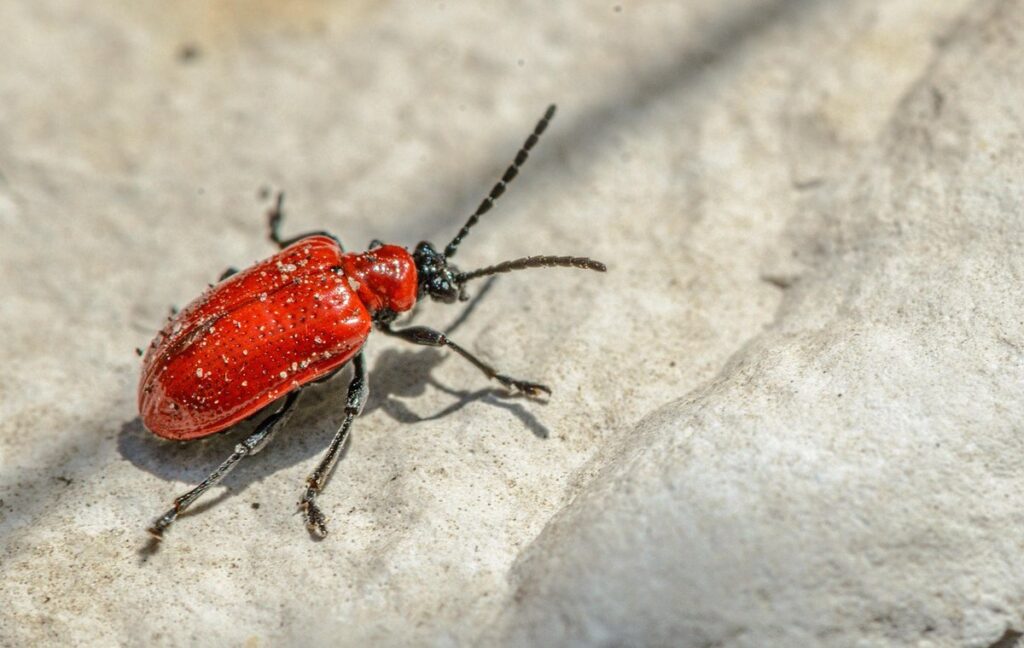
Common Ground Cherry Pests
One of the most frustrating things about growing ground cherries is dealing with pests that can damage your crop. Let’s take a closer look at some common cherry pests you should be aware of.
Insect Pests: Aphids, Whiteflies, and Thrips
Aphids, whiteflies, and thrips are among the most common insect pests that can infest ground cherry plants. These tiny insects can cause significant damage to your crop, reducing yields and affecting fruit quality.
Aphids, for example, have a distinctive pear-shaped body, typically green or yellow in color, with long, thin legs. They feed on plant sap, injecting a toxin that causes curled or distorted leaves. Infested plants may exhibit sticky honeydew droplets on the leaves, which can attract other pests and promote fungal growth.
Whiteflies, on the other hand, have a delicate, winged body and are often mistaken for tiny flying moths. They also feed on plant sap, causing stunted growth and yellowing leaves. Thrips, with their elongated bodies and feathery wings, can cause damage by piercing plant tissues, leading to stunted growth, distorted fruit, or even reduced yields.
To identify infestation, inspect your plants regularly for these pests. Look for curled or distorted leaves, sticky droplets on the leaves, or actual insects on the stems and leaves. Early detection is key to preventing further damage. To manage infestations, use integrated pest management techniques, including introducing beneficial insects, practicing good garden hygiene, and applying targeted insecticides when necessary.
For example, introducing natural predators like ladybugs or lacewings can help control aphid populations. Meanwhile, neem oil or insecticidal soap can be effective against thrips and whiteflies without harming beneficial insects.
Rodent Pests: Mice, Rats, and Squirrels
Rodents are one of the most common pests that target ground cherry plants. The three main types of rodents that infest these plants are mice, rats, and squirrels. Mice are the smallest of the group but can cause significant damage due to their high reproduction rate and ability to fit into tiny spaces.
Mice tend to gnaw on plant stems and leaves, causing them to weaken and become more susceptible to disease. They also forage on fruit, which can lead to contamination and a decrease in crop quality. Rats are larger than mice but exhibit similar behavior. However, they often target the roots of plants, which can cause long-term damage.
Squirrels are less destructive than mice and rats but still pose a threat. They tend to focus on fruit, especially when it’s ripe or fallen to the ground. Squirrels also have a tendency to dig up seedlings and young plants in search of food. To prevent rodent infestations, ensure that your garden is free from debris and clutter, keep fruits and vegetables covered, and seal any holes or gaps around plants.
Diseases That Mimic Pests
You might be surprised to learn that some diseases affecting your ground cherry plants can masquerade as pest problems, making accurate identification crucial for effective management. Let’s explore these tricky mimics together!
Fungal Diseases: Powdery Mildew and Leaf Spot
Powdery mildew and leaf spot diseases can be easily mistaken for pest infestations on ground cherries. These fungal diseases often manifest with symptoms that resemble those caused by pests, such as yellowing leaves, white powdery patches, or black spots.
Powdery mildew, in particular, appears as a fine, white dust on the upper side of leaves and stems. It can also cause curled or distorted leaves. Leaf spot diseases, on the other hand, manifest as small, circular lesions that may be gray, brown, or black. These symptoms can be mistaken for damage caused by pests like aphids, whiteflies, or spider mites.
To control these fungal diseases, remove any infected leaves to prevent further spread. Improve air circulation and reduce watering to create a less conducive environment for disease development. Use fungicides specifically labeled for ground cherry as a last resort. It’s also essential to maintain good sanitation practices by disposing of infected plant material and disinfecting tools.
Regular monitoring can help you identify fungal diseases early, allowing for more effective control measures. By knowing the signs and symptoms of powdery mildew and leaf spot, you can avoid misattributing them to pest infestations and take corrective action promptly.
Bacterial Diseases: Bacterial Leaf Spot and Soft Rot
Bacterial diseases such as bacterial leaf spot and soft rot can wreak havoc on ground cherry crops, causing damage that may be mistaken for pest infestations. These diseases are caused by various types of bacteria, including Xanthomonas and Pectobacterium, which can spread through water splash, contaminated tools, or infected seedlings.
Bacterial leaf spot is characterized by small, circular lesions on the leaves that eventually turn yellow and drop off. Soft rot, on the other hand, causes the fruits to become soft and mushy, often accompanied by a foul odor. If left untreated, these diseases can lead to significant yield loss and reduced marketability of your ground cherry crop.
To prevent bacterial leaf spot and soft rot, ensure good air circulation around your plants, remove any infected leaves or fruits, and avoid overhead irrigation that can splash bacteria onto healthy areas. Regularly inspect your plants for signs of disease, and use copper-based bactericides or biological control agents like Bacillus subtilis to control the spread of these diseases. By being vigilant and taking prompt action, you can minimize the impact of bacterial diseases on your ground cherry crop.
Integrated Pest Management (IPM) Strategies
When dealing with ground cherry pests, implementing effective integrated pest management strategies is crucial to minimize harm and maintain a healthy crop. This section highlights essential IPM techniques for your garden.
Cultural Controls: Crop Rotation, Sanitation, and Pruning
Crop rotation is a simple yet effective method to reduce pest pressure on ground cherries. By rotating crops, you break the life cycle of pests that specifically target ground cherries, such as aphids and whiteflies. For example, if you’ve grown potatoes or eggplants nearby, consider rotating these crops with your ground cherry patch to deter pests.
Sanitation is another crucial aspect in maintaining a healthy ground cherry ecosystem. Regularly remove weeds, debris, and infected plants to prevent pest infestations from spreading. Keep the area around your plants clean by disposing of any organic matter that can harbor pests or their eggs.
Proper pruning techniques also play a significant role in preventing pest issues. Prune your ground cherry plants during the dormant season to promote healthy growth and encourage air circulation, making it difficult for pests like spider mites and thrips to thrive. For example, remove weak or damaged branches and any crossing canes that may harbor pests.
Keep these farm management practices top of mind as you cultivate your ground cherries – your crop will thank you!
Biological Control Methods: Introduction of Beneficial Insects
Introducing beneficial insects into your ground cherry garden is an effective way to manage pests without harming the environment. These beneficial insects prey on or compete with pests, reducing their populations naturally. The most common beneficial insects used for biological control are parasitic wasps, ladybugs, lacewings, and hoverflies.
When selecting beneficial insects, it’s essential to choose species that specifically target your ground cherry pest problems. For example, the multicolored Asian lady beetle is known to feed on aphids and other soft-bodied pests that can damage ground cherries. To introduce these beneficial insects into your garden, release them at dawn or dusk when they are most active.
Before releasing beneficial insects, ensure that your garden environment is conducive for their survival. Provide a food source, shelter, and water for the introduced species. Monitor their populations and adjust your releases as needed to maintain effective pest control. By introducing beneficial insects into your ground cherry garden, you can create a balanced ecosystem that minimizes chemical pesticide use and promotes long-term sustainability.
Chemical Control Measures (Last Resort)
If you’ve tried other methods and your ground cherry plants are still under attack, it’s time to consider chemical control measures as a last resort. These options can be effective but must be used carefully and in accordance with safety guidelines.
Organic Pesticides: Neem Oil, Soap Solution, and Horticultural Oil
When it comes to controlling pest infestations on ground cherries, organic pesticides are a great alternative to chemical-based options. Three effective and widely used organic pesticides for managing pests on ground cherries are Neem Oil, Soap Solution, and Horticultural Oil.
Neem Oil is derived from the seeds of the neem tree and has natural insecticidal properties that can control a wide range of pests, including whiteflies, aphids, and spider mites. Apply Neem Oil at a rate of 2-3% concentration, mixed with water, to infested areas as a foliar spray. Safety precautions include wearing protective clothing and ensuring good ventilation.
Soap Solution is another effective organic pesticide that can be used to control soft-bodied pests like aphids and mealybugs. Mix 1-2 tablespoons of mild dish soap with 1 quart of water and apply it to the affected area using a spray bottle. However, use caution not to over-saturate the plants, as this can cause damage.
Horticultural Oil is another popular organic pesticide used to control pests like aphids, mealybugs, and spider mites. It’s a refined mineral oil that works by suffocating the pests. Apply Horticultural Oil at a rate of 1-2% concentration, mixed with water, using a spray bottle. Take necessary precautions when handling these oils to avoid any potential side effects.
It is essential to note that while organic pesticides are generally considered safer than chemical-based options, they can still cause harm if not used properly. Always follow the recommended application rates and take necessary safety precautions to minimize exposure risks.
Synthetic Insecticides: Systemic Insecticides and Contact Killers
When severe ground cherry infestations occur, synthetic insecticides may be considered as a last resort. These chemicals can offer quick relief from pests but come with risks and potential environmental harm.
There are two primary types of synthetic insecticides: systemic insecticides and contact killers. Systemic insecticides are absorbed by the plant’s roots or leaves, spreading throughout the entire system to target pests internally. They often have longer-lasting effects, but may require repeated applications. Contact killers, on the other hand, work instantly by killing pests upon direct contact with the chemical.
Some common systemic insecticides used in gardening include neonicotinoids and imidacloprid. These can be applied as soil drenches or foliar sprays, providing up to 30 days of protection against certain pests. However, their use has raised concerns about bee health due to potential neurotoxic effects.
Before applying synthetic insecticides, always follow the product instructions carefully and take necessary precautions to minimize exposure. It is also crucial to choose products that are specifically labeled for the target pest species and have a reasonable withdrawal period before harvesting ground cherries.
Long-Term Prevention and Management Strategies
To keep ground cherry pests at bay, it’s essential to implement effective long-term prevention and management strategies that protect your crops for seasons to come. We’ll dive into these key approaches next.
Soil Health Improvement: Organic Amendments and Cover Cropping
Maintaining healthy soil is crucial for reducing pest pressure on ground cherry crops. When soil health is compromised, it can lead to weakened plant growth and increased susceptibility to pests and diseases. By incorporating organic amendments and cover cropping into your farming practices, you can improve the overall health of your soil and reduce the need for chemical pesticides.
Organic amendments such as compost, manure, or green sand help to replenish nutrients in the soil, promote beneficial microbial activity, and improve water retention. These amendments work with natural processes to build a balanced ecosystem that promotes healthy plant growth. For example, adding compost can increase the population of beneficial microorganisms in the soil, which helps to fight off pathogens and pests.
Cover cropping is another effective method for improving soil health. Planting cover crops like legumes or grasses between harvest seasons allows the soil to rest and recover from previous crop cycles. This practice also adds organic matter, suppresses weeds, and provides habitat for beneficial insects. By adopting these methods, you can create a resilient ecosystem that reduces pest pressure on your ground cherry crops. Regularly incorporating organic amendments and cover cropping into your rotation can lead to healthier plants, reduced pesticide use, and improved crop yields over time.
Monitoring and Record Keeping: Early Detection of Pest Issues
Monitoring and record-keeping are crucial components of effective pest management for ground cherry plants. Regular monitoring enables you to detect pest issues early on, allowing for timely intervention and minimizing damage to your crop. This proactive approach can help prevent infestations from getting out of control.
To effectively monitor your ground cherry plants, set aside time each week to inspect them thoroughly. Look for signs of pests such as holes in leaves, chewed stems, or actual pest sightings like aphids, whiteflies, or spider mites. Record your observations and note the specific dates, times, and locations where you found issues.
Maintaining accurate records will help you identify patterns and trends that can inform future management decisions. For instance, if you notice that a particular area of your garden is consistently infested with pests, you may need to adjust your crop rotation strategy or implement targeted treatments in those areas. By combining regular monitoring with thorough record-keeping, you’ll be better equipped to manage pest issues and maintain the health of your ground cherry plants over time.
Conclusion: A Holistic Approach to Ground Cherry Pest Management
In conclusion, managing pests on your ground cherry crop requires a multi-faceted approach. As we’ve discussed throughout this article, identifying the types of pests you’re dealing with is crucial for developing an effective management plan. Prevention strategies such as using physical barriers and practicing good agricultural hygiene can also go a long way in minimizing pest issues. Additionally, incorporating integrated pest management (IPM) techniques that balance chemical controls with biological and cultural methods will help ensure a sustainable harvest.
By adopting a holistic approach to pest management, you’ll be able to protect your crop while minimizing the impact on the environment. For example, introducing beneficial insects like ladybugs or lacewings can help control pests naturally. Regular monitoring of your plants and using precision farming techniques can also reduce chemical usage. By combining these strategies, you’ll not only enjoy a healthier harvest but also contribute to a more sustainable food system.
Frequently Asked Questions
What’s the most effective way to monitor for ground cherry pests, especially during peak infestation seasons?
Monitoring is crucial for managing pests effectively. Set up a regular inspection schedule, checking plants frequently for signs of pests, such as aphids, whiteflies, or thrips. Use sticky traps or yellow traps to capture adult pests and inspect plant leaves, stems, and soil for eggs, larvae, or other indicators of infestation.
Can I use a single integrated pest management (IPM) strategy for all types of ground cherry pests?
While some IPM strategies can be effective against multiple pests, they may not work equally well for all. Consider the specific type of pest you’re dealing with and tailor your approach accordingly. For example, if you’re battling aphids, a combination of cultural controls (like pruning infested areas) and biological control methods (such as introducing beneficial insects) might be more effective than relying solely on chemical measures.
How do I prevent ground cherry pests from overwintering in my garden?
Preventing pests from overwintering is essential for long-term management. Remove any debris or infested plant material from the garden, and consider using physical barriers like fine mesh to keep pests out of vulnerable areas. Improve soil health through organic amendments and cover cropping, as healthy soil can help deter pests.
What’s the best way to dispose of infested ground cherry plants?
Dispose of infested plants carefully to prevent pest spread. Remove all plant material from the garden, including roots, and either compost it (if you’re sure the pests are dead) or bag it for disposal. Consider using a physical barrier to prevent re-infestation.
Can I use neem oil as a preventative measure against ground cherry pests?
Yes, neem oil can be used as a preventative measure. Mix neem oil with water according to label instructions and spray it on plants as needed. However, remember that repeated use of neem oil may lead to pesticide resistance in pests over time. Rotate your pest control methods regularly to maintain their effectiveness.