
Are you a fan of sweet and tangy fruits that add a burst of flavor to your recipes? If so, you’re probably familiar with ground cherries and husk cherries. These two popular varieties are often confused with one another due to their similar appearances and uses in cooking, but they have some key differences worth exploring. Not only do they boast unique nutritional profiles and flavors, but they also offer a range of creative possibilities for bakers, cooks, and gardeners alike.
In this article, we’ll delve into the distinct characteristics of ground cherries and husk cherries, highlighting their uses in cooking and baking, as well as their cultivation requirements. Whether you’re looking to incorporate these fruits into your next recipe or start growing them in your own backyard, we’ll cover everything you need to know about choosing between these two delicious options.
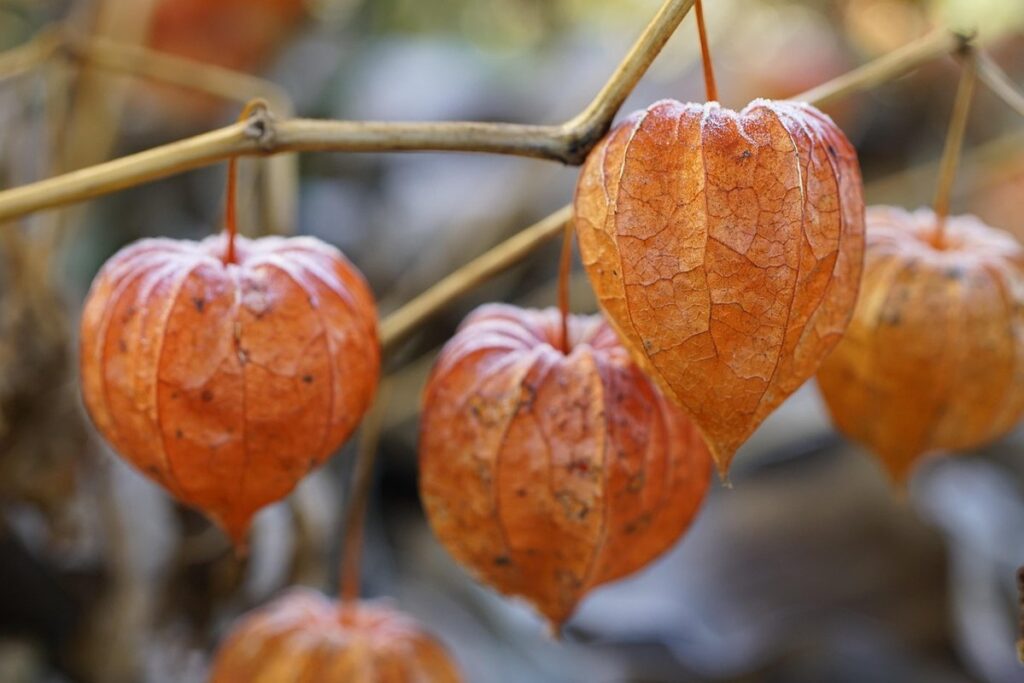
What are Ground Cherries and Husk Cherries?
Ground cherries and husk cherries may seem similar at first glance, but they’re actually distinct types of small, papery-husked fruits. Let’s break down what each one is all about.
Definition and Origin of Both Fruits
At its core, understanding ground cherries and husk cherries begins with their definition and origin. Ground cherries belong to the genus Physalis, a group of flowering plants native to South America, particularly in the tropical regions of Argentina, Chile, and Peru. The most widely cultivated species is Physalis pruinosa, commonly known as the “strawberry tomato.” This confusion surrounding its name stems from its appearance – it has the shape of a small tomato but is actually a type of fruit covered by a papery husk.
Husk cherries, on the other hand, fall under the genus Physalopsis and are native to Central America. They share similarities with ground cherries in their papery covering but possess distinct differences in taste and texture. Husk cherries have been used for centuries as a food source by indigenous communities due to their rich nutritional profile. The historical use of both fruits can be attributed to their accessibility and adaptability in various cuisines.
Interestingly, both fruits are now cultivated globally, with many countries using them as a novelty or alternative fruit option. Their unique characteristics make them suitable for consumption fresh, used in baked goods, or even employed as ingredients in jams and preserves.
Key Characteristics of Each Fruit Type
One of the key ways to tell ground cherries apart from husk cherries is by their physical characteristics. Ground cherries (Physalis pruinosa) have a small, round, yellow-orange fruit that’s about 1-2 inches in diameter, covered with a papery husk that’s loose and easily removable. The skin of the fruit itself is thin and tender, while the pulp inside is juicy and sweet.
In contrast, husk cherries (Physalis peruviana) have a slightly larger fruit, typically around 2-3 inches in diameter, also covered with a papery husk but one that’s more tightly attached to the fruit. The skin of the husk cherry is thicker than that of the ground cherry, and the pulp inside is often described as being more tart.
When shopping for either type of fruit, look for ones with bright colors and no signs of spoilage or damage. If you’re unsure whether a fruit is a ground cherry or a husk cherry, gently remove the husk to inspect the skin underneath – if it’s thin and tender, it’s likely a ground cherry.
Taste and Texture Comparison
Now that you know their differences, let’s dive into how ground cherries and husk cherries compare when it comes to taste and texture. Both have a unique flavor profile, but which one do you prefer?
Sweetness Level and Flavor Profile
When it comes to the sweetness level and flavor profile of ground cherry and husk cherry, you’ll notice some notable differences. Ground cherries are generally sweeter than husk cherries, with a sugar content that’s about 15-20% higher. This is due in part to the fact that ground cherries have a thicker skin, which helps to retain more sugars as they ripen.
In terms of flavor profile, both fruits share some similarities – they’re both slightly tart and have a hint of sweetness. However, ground cherries tend to be more intensely sweet with hints of vanilla and lemon, while husk cherries are often described as having a more grassy or hay-like undertone. The flavor profile of husk cherries can also vary depending on the ripeness – they’re often sweeter when they’re greener.
When trying both fruits, keep in mind that ground cherry’s sweetness level is typically higher, so you may want to consume them in moderation if you’re watching your sugar intake.
Crunchiness and Softness: Texture Analysis
When it comes to texture analysis, ground cherries and husk cherries exhibit distinct characteristics that set them apart. Ground cherries have a papery husk covering their small, round fruits, which are typically between 1-2 inches in diameter. Upon removal of the husk, the interior reveals a soft, succulent pulp surrounding a single seed.
In contrast, husk cherries lack the papery husk found on ground cherries and have a slightly larger size. Their texture is generally softer than that of ground cherries, with some varieties having a more juicy consistency.
When enjoying these fruits, it’s essential to consider their texture. Ground cherries tend to be more delicate due to their fragile pulp, making them perfect for using in baked goods or desserts where they can retain their shape and flavor. Husk cherries, being softer, work well in smoothies or as a topping for oatmeal or yogurt.
Nutritional Comparison
Now that you’ve learned about the differences between ground cherry and husk cherry, let’s dive into their nutritional profiles to see how they stack up.
Vitamins and Minerals Content
When it comes to vitamins and minerals, both ground cherry and husk cherry are nutrient-dense fruits that offer a range of essential nutrients. A 100-gram serving of ground cherries contains potassium (142 mg), vitamin C (14% DV), and manganese (12% DV). In contrast, the same serving size of husk cherries provides slightly more vitamin C (16% DV) but less potassium (128 mg).
One notable difference between the two fruits is their magnesium content. Ground cherries contain a significant amount of magnesium (15% DV per 100 grams), which plays a crucial role in muscle and nerve function, while husk cherries have minimal amounts of this essential mineral. On the other hand, both fruits are rich in antioxidants like anthocyanins and ellagic acid, which contribute to their potential health benefits.
For those looking to incorporate these fruits into their diet, consider pairing ground or husk cherries with whole grain cereals or yogurt for a nutrient-packed snack. When shopping for either fruit, opt for organic options when possible to ensure maximum nutritional value.
Antioxidant Properties and Health Benefits
Both ground cherries and husk cherries are rich in antioxidants, which play a crucial role in protecting our cells from damage caused by free radicals. Free radicals are unstable molecules that can cause oxidative stress, leading to chronic diseases such as cancer, heart disease, and neurodegenerative disorders.
Ground cherries contain a high amount of anthocyanins, powerful antioxidants responsible for their vibrant red or yellow color. These antioxidants have been shown to reduce inflammation, improve cardiovascular health, and even exhibit anti-cancer properties. In fact, studies have found that ground cherry extracts inhibited the growth of cancer cells in laboratory settings.
Husk cherries, on the other hand, contain a unique combination of anthocyanins and other polyphenolic compounds. These compounds have been demonstrated to possess strong antioxidant activity, protecting against cell damage and oxidative stress. Consuming both ground and husk cherries can provide a synergistic effect, maximizing their health benefits.
To incorporate these antioxidant-rich fruits into your diet, try adding them to salads, smoothies, or using them as a topping for yogurt or oatmeal. By doing so, you’ll be harnessing the potential of ground cherries and husk cherries to support overall well-being.
Uses in Cooking and Baking
When it comes to incorporating ground cherries and husk cherries into your recipes, their uses in cooking and baking are where the real differences shine through. You’ll be surprised at how versatile these fruits can be!
Traditional Recipes and Preparation Methods
When it comes to using ground cherries and husk cherries in cooking and baking, many traditional recipes have been passed down through generations. Ground cherries are often used in desserts like pies, crisps, and cobblers, where their sweet-tart flavor shines. In Mexico, they’re commonly paired with cinnamon and sugar to make a delicious dessert called “tarta de grosella”. To prepare ground cherries for baking, simply rinse them gently and remove the papery husks before slicing or chopping.
Husk cherries, on the other hand, are often used in savory dishes like stews, soups, and sauces. They add a burst of sweetness without overpowering the other flavors. In some Eastern European recipes, husk cherries are pickled with vinegar, sugar, and spices to make a tangy condiment. To use husk cherries in cooking, simply chop them coarsely and sauté them with onions and garlic as a base for your favorite stew or sauce.
When substituting one fruit for the other, keep in mind that ground cherries are generally sweeter and more fragile than husk cherries. This means they may break down quickly during cooking, releasing their juice and flavor. In contrast, husk cherries hold their shape better and add a firmer texture to dishes.
Modern Twists on Classic Dishes: Creative Ideas
When it comes to showcasing the versatility of ground cherries and husk cherries, incorporating them into classic dishes is a great way to put their unique flavors to use. Think about taking traditional recipes like salads, tacos, or even desserts, and giving them a modern twist by substituting common ingredients with these lesser-known fruits.
One great idea is to add diced ground cherries to a Caprese salad instead of cherry tomatoes for a burst of sweetness. The fruit’s natural tartness pairs beautifully with fresh mozzarella and basil. You could also use husk cherries in place of pomegranate seeds in a Middle Eastern-inspired quinoa bowl, adding a pop of color and tangy flavor.
To take it to the next level, try making a ground cherry salsa by combining diced fruit with red onion, jalapeno, cilantro, and lime juice. This sweet and spicy condiment is perfect for topping tacos or grilled meats. Remember, the key to successfully incorporating ground cherries and husk cherries into your cooking is to balance their unique flavors with complementary ingredients. Experiment with different combinations to find what works best for you.
Growing and Cultivating Ground Cherries and Husk Cherries
If you’re excited to grow your own ground cherries and husk cherries, you’ll want to learn how to cultivate these unique fruits successfully. We’ll walk you through the process of growing both varieties.
Climate and Soil Requirements
When it comes to growing ground cherries and husk cherries, understanding their specific climate and soil requirements is crucial for a bountiful harvest. Ground cherries are warm-season plants that thrive in full sun and well-drained soil with a pH between 6.0 and 7.0. They can tolerate some drought but will produce more fruit if consistently moistened.
Husk cherries, on the other hand, prefer partial shade and consistent moisture. They can grow in a wide range of soils but perform best in slightly acidic conditions (pH 5.5-6.5). To replicate their native habitats, plant both species in areas with some protection from strong winds.
In terms of climate, ground cherries are more adaptable to extreme temperatures than husk cherries. They can tolerate heat up to 95°F (35°C) but will not survive prolonged periods below 32°F (0°C). Husk cherries, while hardier than ground cherries in cold temperatures, may still require protection from frost.
By carefully selecting the right climate and soil conditions for your specific region and plant type, you can create an optimal environment for both ground cherry and husk cherry cultivation.
Propagation Methods: Seeds, Cuttings, and Grafting
Both ground cherries and husk cherries can be propagated through various methods. One of the most common ways is by using seeds. Sow the seeds about 1/4 inch deep and 6-8 inches apart in a well-draining potting mix. Keep the soil consistently moist but not waterlogged, as this can lead to rot.
Cuttings are another effective method for propagating ground cherries and husk cherries. Take stem cuttings from mature plants during the dormant season or when new growth begins. Remove lower leaves, leaving only two sets of leaves at the top of the cutting. Dip the cut end in rooting hormone powder or liquid and plant it 1-2 inches deep in a pot filled with well-draining mix. Water thoroughly and keep the soil moist until roots develop.
Grafting is also an option for propagation, particularly when working with ground cherries. Grafting involves joining a piece of stem (scion) from one plant onto the root system of another plant (rootstock). This method can be useful for producing multiple plants quickly and ensuring consistent flavor and texture. To graft ground cherry scions onto husk cherry rootstocks, choose healthy, disease-free stock plants with strong root systems. Remove lower leaves from both the scion and rootstock, then join them together using a specialized tool or technique. Secure the union with tape or twine until roots develop.
When taking cuttings or grafting, be sure to use clean and sterile equipment to prevent the spread of diseases. Regularly inspect your plants for signs of pests or disease, and take action promptly if you notice any issues.
Frequently Asked Questions (FAQs)
We know you may have some questions about ground cherries and husk cherries, so we’ve put together a list of frequently asked questions to help clarify any confusion. Below, we’ll answer your most pressing queries!
Common Misconceptions and Debunked Myths
Many people assume that ground cherries and husk cherries are essentially the same thing, but with different names. However, this is not entirely accurate. Some individuals even think that they can use the terms interchangeably, which can lead to confusion when it comes to cooking or gardening.
In reality, the main difference between ground cherries and husk cherries lies in their physical characteristics and growth habits. Ground cherries are actually a type of fruit that grows on a small bush, while husk cherries are a variant of ground cherry with a more compact growth habit. Despite these differences, both types of fruit have similar taste and texture profiles.
One common misconception is that all ground cherries and husk cherries are ripe at the same time. This isn’t necessarily true – each variety has its own unique ripening schedule, which can affect when they’re ready to be harvested or consumed. Understanding these differences can help you make informed decisions in your garden or cooking endeavors.
When shopping for ground cherries or husk cherries, it’s essential to look beyond the name and examine the fruit itself. Check for any signs of spoilage or damage before purchasing, and make sure to store them properly to maintain their flavor and nutritional value.
Answering Reader-Submitted Questions and Concerns
As we’ve explored the key differences between ground cherries and husk cherries, many of you have reached out with additional questions. We’re excited to address some of these frequently asked concerns.
One common question is about the taste difference between the two fruits. While both are sweet and slightly tart, ground cherries tend to be more delicate in flavor, while husk cherries are often described as having a richer, more intense sweetness. Another reader asked about the best way to store ground cherries, as they can spoil quickly if not handled properly. To keep them fresh for longer, simply rinse and pat dry the fruit before storing them in an airtight container in the refrigerator.
Some readers have also expressed concern about identifying which type of cherry is actually a husk cherry versus a ground cherry at the market. Look for the following characteristics: husk cherries typically have a thicker, more fibrous skin, while ground cherries are smooth and rounded. If you’re still unsure, simply ask your local farmer or vendor for guidance.
Frequently Asked Questions
What are some creative ways to use ground cherries in baking?
Ground cherries can be used in place of cranberries or cherries in many baked goods, such as muffins, cakes, and tarts. They also pair well with sweet spices like cinnamon and nutmeg. Consider using them in a sweet bread or scone recipe for added flavor.
Can I grow ground cherries and husk cherries together in the same garden bed?
Yes, both fruits have similar growing requirements and can be grown together in the same garden bed. However, be sure to provide enough space between plants for proper air circulation and sunlight penetration.
How do I store ground cherries and husk cherries after harvesting?
To preserve freshness, store ground cherries and husk cherries at room temperature until ripe, then refrigerate or freeze them once they’re fully ripened. Avoid storing them in airtight containers, as this can cause moisture buildup and spoilage.
Are ground cherries and husk cherries high in sugar content?
Yes, both fruits are relatively sweet due to their high sugar content. Ground cherries tend to be slightly sweeter than husk cherries, but the difference is minimal. Consider adjusting recipes accordingly to balance sweetness levels.
Can I use a dehydrator to dry ground cherries and husk cherries for snacking or preservation?
Yes, both fruits can be dried using a dehydrator to create crunchy, sweet snacks or preserves. Simply slice or chop the fruit and follow the manufacturer’s guidelines for temperature and time settings.