
You’ve probably heard of Passionflower tea, but do you know its true healing potential? For centuries, people have relied on Passiflora incarnata to calm their minds and soothe their bodies. Native Americans used it to treat anxiety, insomnia, and even seizures. But what makes this plant so special?
As we delve into the world of bioactive compounds, you’ll discover how Passionflower’s unique combination of alkaloids, flavonoids, and glycosides can tackle a range of issues, from anxiety relief and pain management to sleep disorders and inflammation. This article will explore the medicinal properties of Purple Passionflower, including its uses, potential interactions, and scientific research backing up its benefits. Whether you’re looking for natural remedies or just curious about this ancient plant’s secrets, keep reading to uncover the wonders of Passiflora incarnata.
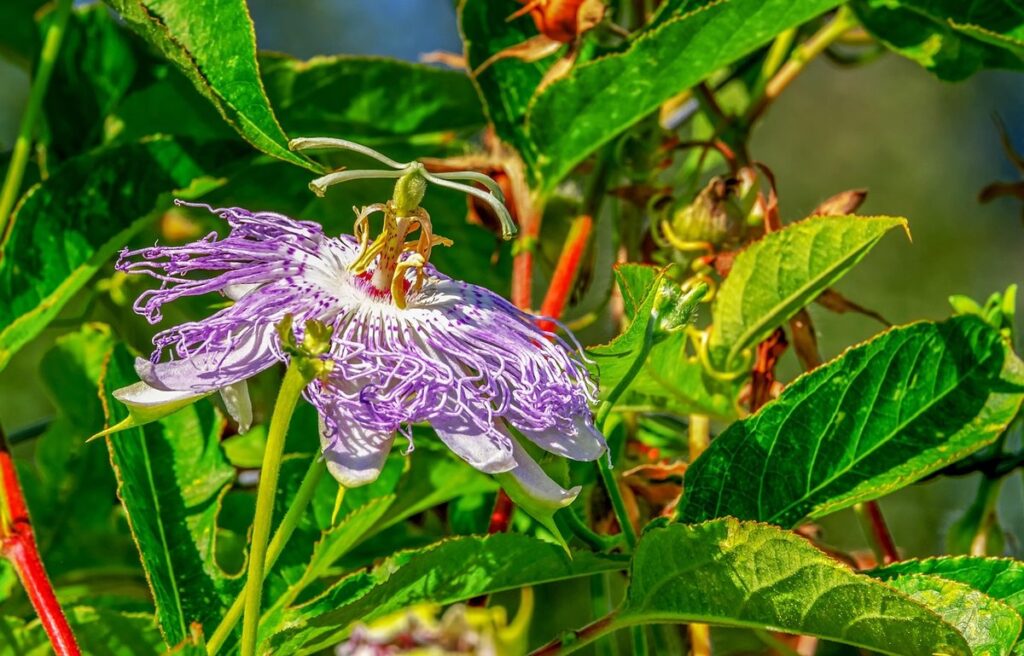
Introduction to Passiflora incarnata
As we delve into the world of natural remedies, let’s begin by exploring the fascinating properties and uses of Passiflora incarnata, also known as the purple passionflower. This section sets the stage for our journey through its medicinal benefits.
History and Traditional Use
Passiflora incarnata has been used for centuries in folk medicine, with its origins dating back to ancient civilizations in North and South America. The plant was highly revered by indigenous cultures, who valued its medicinal properties for treating a range of ailments, from anxiety and insomnia to fever and inflammation.
In traditional medicine, Passiflora incarnata was often combined with other herbs to create complex remedies for various health issues. For instance, it was paired with gentian root to treat digestive problems or blended with lemon balm to alleviate stress and promote relaxation. The plant’s versatility and effectiveness made it a staple in many folk medicine traditions.
One of the most significant cultural associations with Passiflora incarnata is its connection to mystical and spiritual practices. In some Native American cultures, the plant was believed to possess sacred properties, allowing it to bridge the physical and spiritual realms. Today, we can learn from these traditional uses by incorporating Passiflora incarnata into our modern wellness routines, harnessing its medicinal properties while respecting its rich cultural heritage.
Botanical Description and Identification
Passiflora incarnata is a perennial vine native to eastern North America. It has a distinctive appearance, with long, slender stems that can grow up to 30 feet in length. The leaves are trifoliate, meaning they have three leaflets that resemble a clover shape, and are typically dark green in color with pointed tips.
One of the key features for identifying Passiflora incarnata is its purple flowers, which are relatively small and fragrant. They bloom from mid-summer to early fall, often producing clusters of 3-5 flowers. The fruit of the plant is a large, yellow or orange berry that contains numerous seeds.
When trying to identify this species in the wild, look for the distinctive combination of trifoliate leaves and purple flowers. Note that Passiflora incarnata can be mistaken for other species within the Passiflora genus, but its unique characteristics make it relatively easy to distinguish from others.
Medicinal Properties and Uses
Passiflora incarnata has been used for centuries in traditional medicine, and its medicinal properties make it a valuable resource for natural remedies and treatments. We’ll explore some of its most significant uses here.
Antianxiety and Sedative Effects
Studies have consistently demonstrated that Passiflora incarnata has potent anxiolytic properties, which can be attributed to its ability to modulate the activity of GABA receptors. GABA (gamma-aminobutyric acid) is a neurotransmitter responsible for regulating various physiological and psychological processes, including anxiety. By enhancing GABA’s inhibitory effects on neural activity, Passiflora incarnata helps reduce anxiety-related behaviors.
In one notable study published in the Journal of Clinical Psychopharmacology, researchers found that an extract of Passiflora incarnata significantly reduced symptoms of generalized anxiety disorder (GAD) in patients. The study’s findings suggest that the anxiolytic effects of P. incarnata can be attributed to its ability to bind to GABA receptors and increase GABA-mediated synaptic transmission.
Passiflora incarnata’s impact on anxiety is also evident in animal studies, where it has been shown to decrease stress-induced behaviors such as hypervigilance and restlessness. The plant’s sedative effects have been attributed to its constituent flavonoids, which can enhance the activity of GABA receptors and promote relaxation.
Sleep Aid and Insomnia Relief
When it comes to promoting relaxation and improving sleep quality, Passiflora incarnata has been gaining attention for its calming effects. Studies have shown that the plant’s flavonoids and alkaloids can interact with the brain’s neurotransmitters, specifically GABA (gamma-aminobutyric acid), to produce a soothing effect.
Research published in the Journal of Ethnopharmacology found that Passiflora incarnata significantly improved sleep quality in individuals with insomnia. The study revealed that the plant’s extract was effective in reducing symptoms such as difficulty falling asleep, frequent awakenings, and morning grogginess.
The potential mechanisms behind Passiflora incarnata’s sleep-promoting properties involve its ability to:
* Inhibit the activity of stress hormones like cortisol
* Increase the production of calming neurotransmitters like serotonin and GABA
* Interact with the body’s natural circadian rhythms
If you’re struggling with insomnia or difficulty sleeping, consider incorporating Passiflora incarnata into your bedtime routine. You can find it in supplement form or use dried flower extracts as a tea. To get the most out of its sleep-promoting effects, try pairing it with relaxation techniques like deep breathing, meditation, or yoga.
Pain Relief and Inflammation Reduction
Passiflora incarnata has been long recognized for its potent analgesic and anti-inflammatory properties, which make it an effective natural remedy for pain relief. Research suggests that the plant’s flavonoids, alkaloids, and glycosides play a crucial role in modulating pain perception by interacting with opioid receptors in the brain.
Studies have shown that Passiflora incarnata can significantly reduce inflammatory markers such as interleukin-1 beta (IL-1β) and tumor necrosis factor-alpha (TNF-α), which are commonly associated with chronic inflammation. This is particularly relevant for conditions like arthritis, where inflammation can lead to debilitating pain and joint damage.
To harness the pain-relieving properties of Passiflora incarnata, you can try incorporating it into your daily routine through herbal teas or supplements. A study published in the Journal of Ethnopharmacology found that a 100mg dose of Passiflora extract reduced anxiety and improved sleep quality in patients with generalized anxiety disorder.
Phytochemistry and Bioactive Compounds
The fascinating realm of phytochemistry is where we find the hidden treasures of Passiflora incarnata, unlocking its medicinal properties through its diverse array of bioactive compounds. Let’s dive into the science behind these potent plant molecules.
Alkaloids and Glycosides
Passiflora incarnata is renowned for its rich alkaloid and glycoside composition, which underpin its medicinal properties. The primary alkaloids present in the plant are harmane, harmine, and cyclohexylamine, while its glycosides include passiflorin and vitexin. The structure of these compounds allows them to interact with various biological systems, influencing their functions.
Harmane, for instance, is a potent MAO-B inhibitor, which has been shown to alleviate symptoms of anxiety and depression by increasing the availability of neurotransmitters like serotonin and dopamine. Harmine, on the other hand, exhibits a range of effects including vasodilation, smooth muscle relaxation, and inhibition of platelet aggregation.
In terms of glycosides, passiflorin is a known sedative agent that helps regulate sleep patterns and alleviate insomnia. Vitexin, with its antioxidant properties, contributes to the plant’s anti-inflammatory potential. Understanding the mechanisms of action of these compounds provides valuable insights into Passiflora incarnata’s therapeutic applications.
These bioactive compounds work synergistically to produce the plant’s anxiolytic, sedative, and antispasmodic effects. Harnessing this knowledge can facilitate more targeted use of Passiflora incarnata in traditional medicine and phytotherapeutic practices.
Flavonoids and Phenolic Acids
Passiflora incarnata is rich in flavonoids and phenolic acids, which are key players in modulating biological pathways related to inflammation, oxidative stress, and cell signaling. These compounds work synergistically to exert their effects on the body. For instance, quercetin, a flavonoid found in Passiflora incarnata, has been shown to inhibit inflammatory cytokines, thus reducing inflammation.
In addition to its anti-inflammatory properties, Passiflora incarnata’s phenolic acids also possess antioxidant capabilities. They can neutralize free radicals, thereby protecting cells from oxidative damage and promoting overall cellular health. This is particularly important in conditions where oxidative stress is a contributing factor.
The modulation of cell signaling pathways by flavonoids and phenolic acids also deserves attention. These compounds can influence various signaling cascades, including those involved in immune response and neuronal function. As a result, they may contribute to the plant’s anxiolytic and sedative effects.
Preparations and Administration Methods
To safely harness the medicinal benefits of passiflora incarnata, it’s essential to understand how to properly prepare and administer the plant. This involves considering various methods and factors that impact its potency and efficacy.
Tea and Infusions
Passiflora incarnata tea and infusions have been used for centuries in traditional medicine to promote relaxation, reduce anxiety, and improve sleep quality. To prepare a soothing tea, you can steep 1-2 teaspoons of dried Passiflora incarnata flowers in boiling water for 5-7 minutes. The recommended dosage is typically 1 cup, 3 times a day.
In modern herbalism, the herb is often combined with other calming agents like valerian root or chamomile to enhance its sedative effects. For example, a combination of Passiflora incarnata and lavender tea can be used to promote relaxation before bed. However, it’s essential to note that excessive consumption (more than 3 cups per day) may cause drowsiness, headaches, or stomach upset.
When preparing infusions, you can use a cold-brew method by steeping the dried flowers in water for an extended period, usually 8-12 hours. This method is ideal for those who want to avoid hot water and preserve the delicate compounds of the herb. Always consult with a healthcare professional before using Passiflora incarnata tea or infusions, especially if you’re taking medications or have underlying health conditions.
Capsules and Supplements
When it comes to harnessing the medicinal properties of Passiflora incarnata, encapsulated preparations have become increasingly popular. These capsules or supplements offer a convenient and standardized way to access the plant’s active compounds.
One significant advantage of encapsulated preparations is standardization. By extracting specific alkaloids from the Passiflora incarnata plant and encapsulating them in a controlled amount, manufacturers can ensure that each dose contains a consistent concentration of bioactive molecules. This consistency can be particularly beneficial for researchers and clinicians seeking to study or prescribe Passiflora incarnata’s effects.
However, it is essential to consider the limitations of these preparations. Bioavailability – the body’s ability to absorb and utilize the active compounds – may vary depending on factors such as formulation, dosage, and individual metabolism. Moreover, regulatory considerations come into play when importing or selling encapsulated Passiflora incarnata products. Be sure to choose reputable manufacturers that adhere to Good Manufacturing Practices (GMPs) and follow local regulations.
When selecting a capsule or supplement product, look for third-party certifications like NSF International or ConsumerLab.com, which can ensure the product’s quality and purity. Additionally, consult with a healthcare professional before using any new herbal remedy, especially if you’re considering combining Passiflora incarnata with other medications or health supplements.
Safety, Efficacy, and Interactions
When exploring Passiflora incarnata as a potential medicinal solution, it’s essential to consider its safety profile and interactions with other substances you may already be taking. We’ll delve into these critical factors next.
Adverse Effects and Allergic Reactions
While Passiflora incarnata is generally considered safe for consumption, there have been some reported adverse effects and allergic reactions associated with its use. One of the most common concerns is gastrointestinal upset, including nausea, vomiting, and diarrhea. This can be particularly problematic for individuals taking Passiflora incarnata in large doses or in combination with other medications that may exacerbate these symptoms.
In rare cases, some users have reported headaches, dizziness, and fatigue after consuming Passiflora incarnata. These symptoms are typically mild and temporary but can be a concern for individuals who experience them. It’s also worth noting that there is limited research on the potential interactions between Passiflora incarnata and other medications, so it’s essential to consult with a healthcare professional before using it if you’re already taking prescription medications.
If you do choose to use Passiflora incarnata, start with small doses and monitor your body’s response. If you experience any adverse effects or allergic reactions, discontinue use immediately and consult with a healthcare professional for guidance.
Interactions with Conventional Medications
When considering the use of Passiflora incarnata as a medicinal plant, it’s essential to be aware of potential interactions with conventional medications. As with any herbal remedy, there’s a possibility that the plant may interact with certain prescription or over-the-counter drugs, which could lead to adverse effects.
One key mechanism of interaction involves cytochrome P450 enzymes, which are responsible for metabolizing various substances in our body, including some medications. Passiflora incarnata extracts have been shown to inhibit these enzymes, potentially leading to increased levels of certain medications in the bloodstream. For example, if you’re taking a medication that’s metabolized by CYP3A4, such as atorvastatin (Lipitor), consuming large amounts of Passiflora incarnata may increase your risk of adverse effects.
Certain risk factors should be considered when assessing potential interactions: individual tolerance to the plant, dosage and frequency of use, concurrent medications, and overall health status. To minimize risks, consult with a healthcare professional before combining Passiflora incarnata with conventional medications.
Conclusion and Future Directions
As we’ve explored the medicinal properties of Passiflora incarnata, let’s now discuss where our research leaves off and what exciting avenues lie ahead for further investigation.
Clinical Applications and Research Needs
As we delve into the world of Passiflora incarnata, it’s essential to explore its emerging clinical applications and identify research gaps that warrant further investigation. The medicinal properties of this plant have been gaining attention for their potential therapeutic benefits, and ongoing studies are shedding light on its promise in various areas.
One notable area of interest is the plant’s anxiolytic effects. Studies have shown that Passiflora incarnata extracts can reduce anxiety symptoms and improve sleep quality in individuals with generalized anxiety disorder (GAD). This has led to its use as a natural remedy for stress relief and anxiety management. However, more research is needed to fully understand the mechanisms behind these effects and to establish standardized dosages.
Another area where Passiflora incarnata shows promise is in pain management. Its analgesic properties have been observed in various studies, suggesting that it may be used as a complementary treatment for chronic pain conditions. Moreover, its anti-inflammatory effects could contribute to reducing inflammation-related pain, making it an attractive option for patients seeking natural alternatives.
Despite the growing body of research, there are still significant gaps in our understanding of Passiflora incarnata’s medicinal properties. Further studies are necessary to investigate its efficacy and safety in various patient populations, including children, pregnant women, and individuals with underlying medical conditions. Additionally, more research is needed to standardize the extraction processes and develop high-quality, commercially available supplements.
As we move forward in exploring Passiflora incarnata’s potential, it’s crucial that researchers prioritize collaborations between botanical experts, clinicians, and industry stakeholders. By working together, we can accelerate our understanding of this plant’s medicinal properties and unlock its full therapeutic potential for the benefit of patients worldwide.
Frequently Asked Questions
Can I grow my own Passiflora incarnata for medicinal purposes?
While it’s possible to cultivate your own Passionflower, ensure you follow local regulations regarding the cultivation of medicinal plants. Consider consulting with a qualified herbalist or botanist to understand specific growing requirements and potential cultivars suitable for medicinal use.
How do I choose between different preparations of Passiflora incarnata, such as tea, capsules, or tinctures?
Select a preparation based on your desired outcome and personal preferences. For example, teas are often used for anxiety relief and sleep aid, while capsules or tinctures may be more convenient for managing chronic pain.
Can I combine Passiflora incarnata with other herbal remedies to enhance its effects?
Yes. Passionflower’s unique bioactive compounds can complement other herbs’ properties when used in combination. However, consult a qualified healthcare professional before mixing different herbal preparations to avoid potential interactions or adverse effects.
Are there any specific precautions to take when using Passiflora incarnata for children or pregnant women?
While Passionflower is generally considered safe, its use in children and pregnant women requires caution. Consult with a healthcare provider before administering Passionflower to minors or expectant mothers, as excessive sedative effects can be detrimental.
Can I use dried or powdered Passiflora incarnata instead of fresh plant material for making teas or infusions?
Yes, dried or powdered Passionflower can still provide therapeutic benefits. When using dried materials, follow the recommended dosage and ensure proper storage to preserve the plant’s potency and stability.