
Passiflora caerulea, a plant with an attractive name but a sinister reputation. This invasive species is spreading its roots across the globe, outcompeting native vegetation and disrupting delicate ecosystems in its wake. You might be wondering why this should concern you – after all, what’s the harm in having a few more beautiful flowers around? The truth is, the impact of Passiflora caerulea on local wildlife and human activities cannot be overstated. From altering water cycles to displacing native species, the ecological consequences are far-reaching. In this article, we’ll delve into the world of invasive species management, exploring the factors contributing to its spread, the effects on native ecosystems, and most importantly, effective control methods to mitigate its impact.
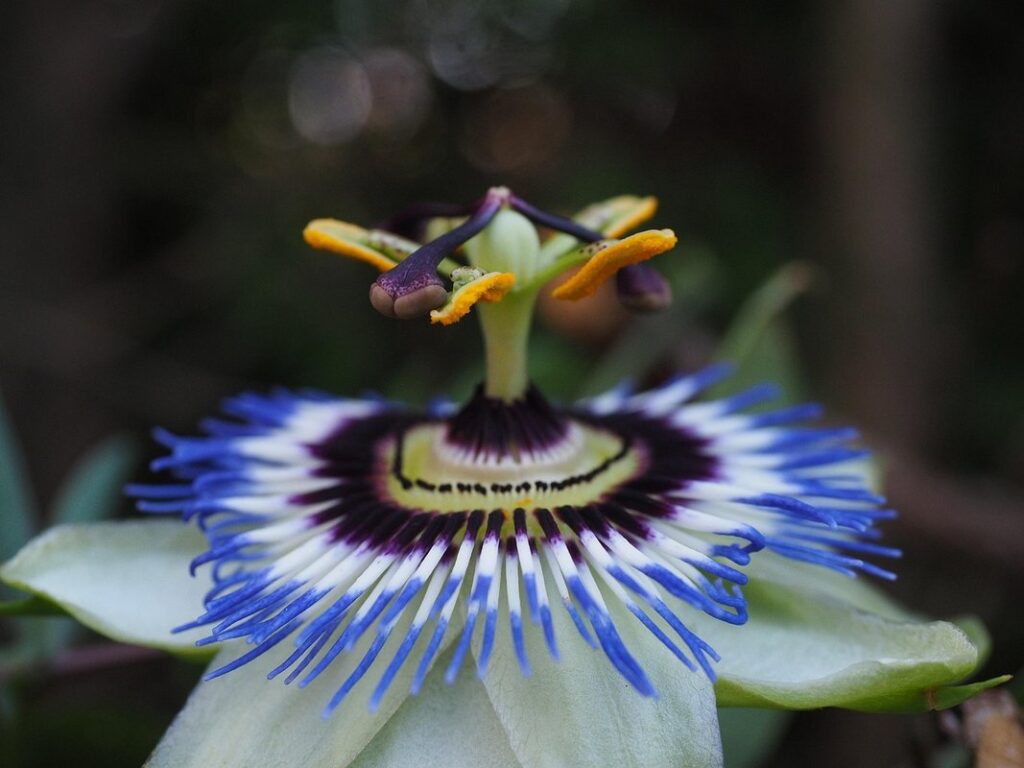
What is Passiflora caerulea?
Passiflora caerulea, also known as the blue passionflower, is a non-native plant species that has been widely introduced to new environments through human activity. Let’s explore its origins and characteristics.
Origin and Distribution
Passiflora caerulea is native to tropical and subtropical regions of Europe, Africa, and Asia. It typically thrives in areas with mild winters and warm summers, where it can grow as a perennial plant. However, its introduction to non-native areas has led to widespread invasions.
The plant’s ability to adapt to various environments has contributed significantly to its invasive potential. It has been introduced to the Americas, Australia, New Zealand, and many Pacific islands through human activity, such as horticulture and trade. Today, it can be found in over 20 countries, often growing in disturbed areas like roadsides, parks, and gardens.
In regions where it’s not native, Passiflora caerulea has outcompeted local species for resources, altered ecosystem processes, and even formed dense stands that threaten habitats and infrastructure. As a result, many countries have listed the plant as an invasive species, emphasizing the need to control its spread and mitigate the damage caused by its invasions.
Distinction from Similar Species
Passiflora caerulea can be easily confused with other species within the Passiflora genus. However, it has distinct characteristics that set it apart from its lookalike cousins.
To identify P. caerulea, look for its distinctive blue-purple flowers, which are often smaller than those of other Passiflora species. The flower’s shape is also unique, with five sepals and ten stamens. In contrast, the flowers of other Passiflora species may be larger or have a different coloration.
One way to distinguish P. caerulea from the edible passionfruit (Passiflora edulis) is by examining its leaves. While both plants have compound leaves with three leaflets, P. caerulea’s leaves are typically more elongated and pointed at the tip compared to the rounded tips of P. edulis.
It’s also essential to note that P. caerulea can hybridize with other Passiflora species, creating a new generation of invasive plants. This highlights the need for careful identification when dealing with these plants, especially in areas where they are known to be invasive.
Ecological Impact of Invasive Passiflora caerulea
Passiflora caerulea’s invasive tendencies pose a significant threat to native ecosystems, where it can outcompete native species and alter delicate balances. Let’s explore the devastating ecological impact in more detail.
Displacement of Native Vegetation
When P. caerulea invades an ecosystem, it rapidly outcompetes native plants for resources such as light, water, and nutrients. This displacement of native vegetation leads to habitat loss and degradation, ultimately altering the delicate balance of the ecosystem. The ability of P. caerulea to grow quickly and produce large amounts of seeds allows it to spread rapidly, often choking out native species that are less competitive.
For example, in Australia’s eastern regions, P. caerulea has been known to form dense monospecific stands that dominate entire areas, displacing native vegetation such as eucalyptus and acacia species. This not only leads to a loss of biodiversity but also affects the overall ecosystem function, including pollination services and nutrient cycling.
As an ecosystem manager or landowner, it’s essential to recognize the invasive potential of P. caerulea and take proactive measures to prevent its spread. Regular monitoring for early signs of invasion, such as small patches of P. caerulea growth, can help prevent widespread infestation.
Effects on Local Fauna
Passiflora caerulea’s aggressive spread not only disrupts native plant species but also has a profound impact on local fauna. As it outcompetes native vegetation for resources and space, many animal populations struggle to find suitable food sources and shelter.
For example, the once-thriving bird population in affected areas may see a decline in their preferred fruit-bearing plants, leading to malnutrition and reduced reproduction rates. This ripple effect is further exacerbated by the loss of habitat complexity, as P. caerulea’s dense canopies and twining stems displace native vegetation.
The consequences extend beyond birds; many small mammals, reptiles, and amphibians rely on specific plant species for food or shelter. By displacing these key resources, P. caerulea inadvertently drives these animals out of their native habitats, forcing them to adapt to unfamiliar environments in search of sustenance.
It’s essential for land managers and conservationists to recognize the invasive potential of Passiflora caerulea and take proactive measures to prevent its spread. Early detection and removal efforts can help mitigate the impact on local fauna, preserving biodiversity and ecosystem balance.
Human Activities Contributing to Invasiveness
We’ll take a closer look at how human actions inadvertently contribute to the spread and proliferation of P. caerulea, from horticulture to global trade.
Trade and Commerce
Passiflora caerulea’s widespread availability in trade and commerce is a significant contributor to its invasive spread. This plant is often sold as an ornamental in nurseries, garden centers, and online marketplaces, making it easily accessible to both experienced gardeners and novice enthusiasts. The demand for Passiflora caerulea is driven by its attractive blue-purple flowers and edible fruit.
As a result, large quantities of this plant are transported across countries, often without proper regulations or inspections. This uncontrolled movement enables invasive populations to establish in new areas. For instance, in the United States, it’s estimated that thousands of Passiflora caerulea plants are sold each year through online marketplaces alone.
To mitigate the spread of Passiflora caerulea, consumers should exercise caution when purchasing this plant. Before buying, research local regulations regarding invasive species and check with your nursery or supplier about the origin of their stock. When transporting the plant, ensure it’s properly secured to prevent escapees during transit. By being aware of these factors, we can reduce the contribution of trade and commerce to Passiflora caerulea’s invasive potential.
Land Use and Development
Human activities such as deforestation, agriculture, and urbanization play a significant role in facilitating the invasion of P. caerulea. Deforestation creates gaps in native vegetation that allow non-native species like P. caerulea to establish themselves more easily. As forests are cleared for agricultural purposes or urban development, native species lose their habitats, making it easier for invasive species like P. caerulea to outcompete them.
Agricultural practices can also contribute to the spread of P. caerulea. For example, the use of contaminated soil or water from areas where P. caerulea is already established can transport seeds and propagules to new areas. Urbanization creates a conducive environment for invasive species by providing a constant supply of nutrients and moisture through human activities such as lawn care and gardening.
To mitigate this issue, it’s essential to adopt sustainable land-use practices that prioritize native vegetation restoration and minimize the introduction of non-native species. This can be achieved by implementing measures such as crop rotation, using clean water sources, and promoting integrated pest management strategies. By taking a proactive approach to land-use planning, we can reduce the invasive potential of P. caerulea and protect ecosystem health.
Efforts to Control and Eradicate Passiflora caerulea
Efforts are underway globally to combat the invasive potential of Passiflora caerulea, and various methods are being implemented to control its spread. We’ll explore some of these initiatives in detail below.
Biological Control Methods
Biological control methods offer an attractive solution for managing P. caerulea populations. By introducing natural predators or competitors, we can create a balanced ecosystem where invasive species are kept under check. For instance, the Passiflora-infesting moth (Epipygas) has been known to limit P. caerulea growth in certain regions. Similarly, the native butterfly Papilio xenoceros exhibits a preference for the flower of this plant, potentially providing an additional layer of control.
One notable example is the use of wasps to target the inflorescences of Passiflora species. Research has shown that these wasp populations can effectively limit seed production and dispersal of invasive plants like P. caerulea. When implementing biological control measures, it’s essential to carefully select the species or insects used and ensure compatibility with existing ecosystems.
Some potential considerations for incorporating biological control methods include:
* Monitoring local ecosystems to identify native predators that may be beneficial
* Assessing the potential impact on non-target species
* Establishing a robust monitoring program to track the effectiveness of introduced control measures
Mechanical and Chemical Controls
Manual removal methods, herbicides, and other chemical controls are often employed to manage the invasive growth of Passiflora caerulea. When it comes to manual removal, a combination of mechanical and physical barriers can be effective. For instance, digging up the entire root system is crucial in preventing regrowth. Additionally, removing seedlings before they have a chance to mature and produce viable seeds significantly reduces the risk of further spread.
Herbicides are another control measure used to manage P. caerulea infestations. However, their use requires careful consideration due to potential environmental impacts and toxicity risks to non-target species. For example, glyphosate-based herbicides can be effective in controlling P. caerulea, but they should only be applied when absolutely necessary, and according to the manufacturer’s guidelines.
Other chemical controls include triclopyr and imazapic, which are often used in combination with manual removal methods to enhance efficacy.
Regional Variations in Invasive Potential
Passiflora caerulea has been observed to exhibit varying levels of invasiveness across different regions, influenced by factors such as climate and native vegetation. Let’s explore these regional variations in detail.
Climate and Soil Suitability
Passiflora caerulea’s invasive potential is significantly influenced by climate and soil conditions. In regions with mild winters, such as parts of North America and Europe, the plant can grow year-round, leading to rapid expansion. Conversely, areas with harsh winters can limit its growth, but not eliminate it entirely.
Soil type also plays a crucial role in Passiflora caerulea’s invasiveness. It thrives in well-drained soils with a pH between 6 and 7. In regions with acidic or alkaline soils, the plant may struggle to establish itself. However, if introduced, it can still spread and adapt.
In areas like California, where mild winters meet suitable soil conditions, Passiflora caerulea has become a significant problem. It outcompetes native vegetation for resources, leading to a loss of biodiversity. To mitigate this issue, land managers should monitor climate and soil data when assessing invasive species risk. This knowledge can inform targeted prevention strategies, such as selecting non-invasive alternatives or implementing early detection programs. By understanding the interplay between climate, soil, and Passiflora caerulea’s growth patterns, we can better prepare for its spread and protect vulnerable ecosystems.
Native Ecosystem Adaptations
When it comes to regional adaptations that may influence P. caerulea’s impact on local ecosystems, several factors come into play. In temperate climates like the Mediterranean region, P. caerulea can thrive due to its ability to tolerate drought and heat stress. This makes it a formidable competitor to native species, which often require more moisture-rich environments.
In contrast, in areas with high rainfall and mild winters, such as parts of North America, P. caerulea’s spread is also accelerated by the abundance of nutrients in these ecosystems. Here, its tendency to form dense stands can crowd out native vegetation, leading to a decline in biodiversity.
As an example, in Hawaii, P. caerulea has become a significant invasive species, altering entire ecosystem dynamics. Its ability to grow rapidly and produce large quantities of seeds allows it to quickly dominate the landscape. In managing this issue, land managers have implemented strategies such as targeted removals and restoration efforts to revive native habitats.
Understanding these regional adaptations is crucial for developing effective control measures to mitigate P. caerulea’s invasive potential.
Conclusion: Addressing the Threat of Passiflora caerulea Invasions
As we’ve explored the invasive potential of Passiflora caerulea, it’s essential to consider what can be done to mitigate its impact on ecosystems and prevent further damage. Now, let’s discuss ways to effectively address this growing threat.
Strategies for Prevention and Mitigation
To effectively prevent further invasions of Passiflora caerulea, it’s essential to adopt a multi-faceted approach that combines education, regulation, and public awareness. Educating local communities about the risks associated with this invasive species can significantly reduce its spread. This can be achieved through workshops, presentations, and online resources that provide information on identification, habits, and impact.
Regulatory measures also play a crucial role in mitigating the threat of Passiflora caerulea invasions. Governments and regulatory bodies must establish clear policies and laws to restrict the trade and sale of this species, as well as its seeds and propagules. Public awareness campaigns can help inform consumers about the risks associated with buying invasive species.
In addition, implementing early detection and rapid response (EDRR) programs can help contain the spread of Passiflora caerulea before it becomes a major problem. This involves training volunteers and professionals to quickly identify and remove new infestations. By combining education, regulation, and public awareness, we can significantly reduce the impact of this invasive species and protect our ecosystems.
Future Research Directions
As we conclude our exploration of Passiflora caerulea’s invasive potential, it is clear that there are still many unanswered questions and areas where further research is necessary to develop effective management strategies. One area of great importance is the study of P. caerulea’s seed dispersal mechanisms, as this remains a significant gap in our understanding of its invasion dynamics.
Research has shown that birds, particularly songbirds, play a crucial role in the long-distance dispersal of P. caerulea seeds (Vander Wall et al., 2015). However, more investigation is needed to determine the relative importance of different bird species and other seed-dispersing agents, such as bats and wind, in facilitating the plant’s spread.
Moreover, a comprehensive understanding of the ecological interactions between P. caerulea and native species is essential for developing effective management strategies. For example, studies have demonstrated that P. caerulea can outcompete native vegetation through its ability to form dense monospecific stands (Langeland et al., 2013). However, further research is needed to determine the long-term consequences of this competition and how it may impact ecosystem function.
To address these knowledge gaps, researchers should employ a combination of experimental and observational approaches. For instance, studies using mesocosms or greenhouses can be used to investigate P. caerulea’s seed dispersal mechanisms in a controlled environment. Meanwhile, field observations and monitoring programs can provide valuable insights into the plant’s invasion dynamics in different ecosystems.
Ultimately, the development of effective management strategies for P. caerulea will require a coordinated effort from researchers, land managers, and policymakers. By prioritizing research on key knowledge gaps, we can better equip ourselves to mitigate the invasive potential of Passiflora caerulea and protect our ecosystems from its impacts.
References:
Langeland, K., Burks, E., & Stocker, R. (2013). Effects of Passiflora caerulea on native vegetation in Florida, USA. Invasive Plant Science and Management, 6(2), 157-165.
Vander Wall, S. B., Perea, M., & Van Dijk, P. J. (2015). Long-distance seed dispersal by birds: A review of the literature. Seed Science Research, 25(3), 235-245.
Frequently Asked Questions
How can I identify Passiflora caerulea in my local area?
If you suspect that Passiflora caerulea has invaded your region, look for its distinctive blue flowers or large, lobed leaves with tendrils. Be aware that it can grow up to 40 feet tall and spread quickly through underground rhizomes. Take note of its habitat preference and any areas where it may be concentrated.
What are some common mistakes people make when trying to control Passiflora caerulea?
One mistake is underestimating the plant’s ability to regrow from even small pieces of stem or root left behind. Another error is relying solely on chemical controls, which can harm native species and have limited effectiveness in controlling invasive plants.
Can I use biological control methods on a large scale?
Biological control methods, such as using natural predators or pathogens, can be effective for small-scale infestations. However, scaling up these methods to large areas requires careful consideration of the potential risks and unintended consequences, including the possibility of harming native species.
How do I prevent Passiflora caerulea from spreading in the future?
Prevention is key when it comes to invasive species management. One effective strategy is to monitor your area regularly for signs of new infestations and take prompt action if you detect any. Additionally, educating local communities about the risks associated with non-native plants can help prevent further spread.
What role do land-use changes play in facilitating Passiflora caerulea invasions?
Land-use changes, such as urbanization or agricultural expansion, can create conditions favorable to invasive species like Passiflora caerulea. Changes in water cycles, soil disturbance, and increased connectivity between habitats all contribute to its spread.