
Are you ready to unlock the secret to growing a vibrant, thriving Maypop Passionflower? With its delicate purple flowers and intricate foliage, this exotic beauty is sure to captivate any plant enthusiast. However, taking care of your Maypop Passionflower requires some TLC, and that’s where we come in. In this ultimate guide, we’ll take you through the ins and outs of planting, maintaining, and propagating Maypop Passionflowers, ensuring you get the most out of these stunning plants.
From understanding their specific needs to mastering techniques for a healthy harvest, our expert tips will help you navigate the world of Maypop Passionflower care with confidence. We’ll cover everything from optimal growing conditions to pest management strategies, giving you the knowledge to create a thriving Maypop Passionflower that brings joy and beauty to your garden or indoor space.
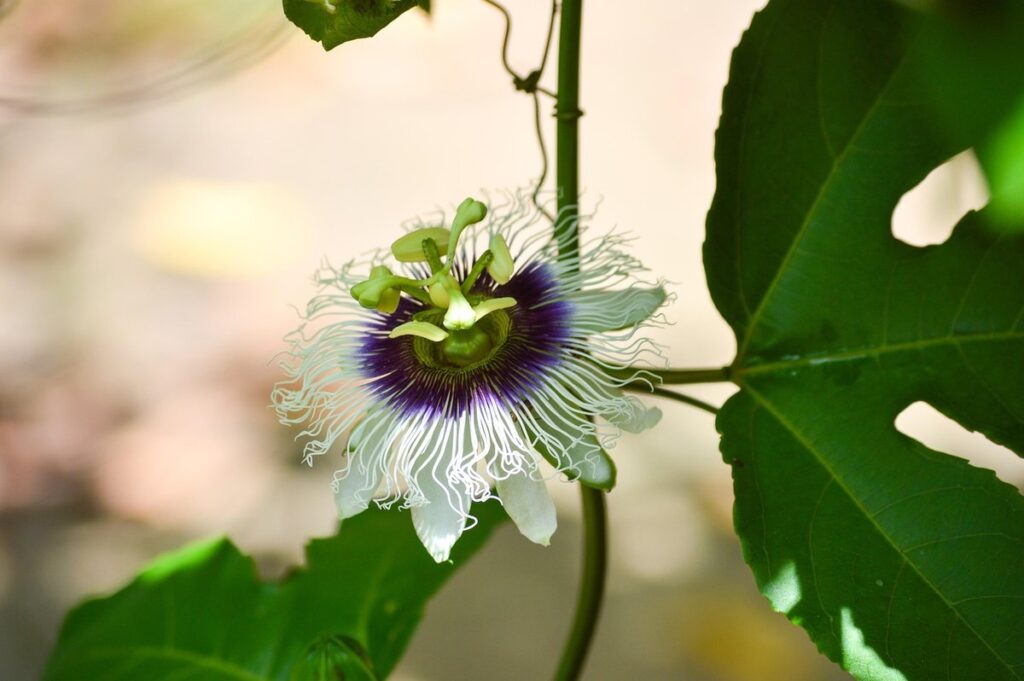
Understanding Maypop Passionflower
Let’s dive into the fascinating world of maypop passionflower, where its unique characteristics and properties will be explored to help you better understand this beautiful plant. In this section, we’ll examine its essential traits.
What is Maypop Passionflower?
Maypop passionflower (Passiflora incarnata) is an attractive and adaptable plant native to eastern North America. Its origin story begins with the Native American tribes who used it for medicinal purposes, including treating anxiety and insomnia. Today, maypop passionflower has gained popularity among gardeners due to its vibrant, intricate flowers and relatively low-maintenance requirements.
Hardiness zones 3-9 allow maypop passionflower to thrive in a wide range of climates, making it an ideal choice for both novice and experienced gardeners. This versatile plant can grow as a shrub or vine, with some specimens reaching up to 40 feet in length. Maypop passionflower’s growth habits also make it suitable for containers, trellises, or left to cascade over walls.
When considering maypop passionflower care, keep in mind its ability to spread quickly and form dense foliage. Regular pruning is essential to control its size and encourage new growth. This flexibility in growth patterns makes maypop passionflower an excellent choice for gardeners who want a plant that can adapt to different environments with minimal upkeep.
Benefits of Growing Maypop Passionflower
Growing maypop passionflower can be incredibly rewarding for gardeners and nature enthusiasts alike. One of the most significant benefits of this plant is its versatility in herbal medicine. The flowers, leaves, and roots have been used to treat a range of ailments, from anxiety and insomnia to wounds and skin conditions. By cultivating maypop passionflower in your garden, you can harvest these medicinal parts and create natural remedies for yourself or share with friends and family.
Maypop passionflower also provides vital support for local wildlife. The plant’s flowers attract pollinators like bees, butterflies, and hummingbirds, which are essential for the health of any ecosystem. Additionally, maypop passionflower serves as a host plant for the Gulf Fritillary butterfly caterpillars, supporting their life cycle. This makes it an excellent choice for creating a wildlife-friendly garden.
When grown in your garden, maypop passionflower can also add ornamental value with its unique, exotic flowers and foliage. Its twining stems can be trained to climb up trellises or other supports, making it a beautiful addition to any landscape.
Planting and Soil Requirements
To grow a thriving Maypop Passionflower, it’s essential to understand how to prepare its preferred planting site and ensure the right soil conditions for optimal growth. We’ll walk you through these critical requirements next.
Choosing the Right Location
When choosing a location for your maypop passionflower, it’s essential to consider several factors that will impact its growth and overall health. Sunlight is one of the most critical elements, as this plant requires full sun to partial shade. Aim to provide at least 6 hours of direct sunlight per day, but be mindful of extreme heat, which can cause damage.
Soil type is another crucial consideration. Maypop passionflower thrives in well-draining soil that’s rich in organic matter. Avoid planting in areas with standing water or where water tends to collect, as this can lead to root rot and other issues.
Wind protection is also vital, especially for young plants. Siting your maypop passionflower in a location that offers some shelter from strong winds will help prevent damage to the leaves and stems.
In terms of hardiness zones, maypop passionflower is suitable for USDA zones 6-10. If you live outside these zones, it’s still possible to grow this plant, but be prepared to provide extra care and protection during harsh winters. By carefully selecting a location that meets your plant’s needs, you’ll set your maypop passionflower up for success and enjoy its beautiful blooms for years to come.
Preparing the Soil
Before planting your maypop passionflower, it’s essential to prepare the soil to provide the right conditions for optimal growth. Maypops prefer well-draining soil with a slightly acidic pH between 6.0 and 7.0. If you’re unsure about your soil’s pH level, consider getting a soil test kit or consulting with a local nursery.
To create an ideal growing environment, maypop passionflower requires a balanced mix of essential nutrients. Add compost or well-rotted manure to provide a boost of organic matter and microorganisms that aid in nutrient uptake. You can also use a balanced fertilizer (10-10-10 NPK) during the growing season, but be cautious not to over-fertilize.
Some maypop passionflower cultivars are more sensitive to extreme pH levels than others. For instance, ‘Purple Haze’ is known to thrive in slightly acidic conditions (pH 6.0), while ‘Incense’ prefers a slightly alkaline environment (pH 7.5). Research your specific variety’s requirements and adjust the soil accordingly.
When mixing amendments or fertilizers, it’s crucial to follow the recommended application rates to avoid damaging your plant. A general rule of thumb is to mix 1-2 cups of compost or fertilizer per 10 square feet of planting area. Remember, maypops are adaptable, so even if your soil isn’t perfect, they’ll still thrive with proper care and attention.
Watering and Maintenance
Watering and maintenance are crucial aspects of maypop passionflower care, as they directly impact the plant’s overall health and longevity. Properly water your Maypop to keep it thriving.
Watering Needs
When it comes to watering maypop passionflower, getting it just right can be a bit tricky. This plant prefers well-draining soil and consistent moisture, but not so much that its roots rot.
As a general rule of thumb, water your maypop passionflower when the top 1-2 inches of soil feels dry to the touch. Check the soil by inserting your finger into it up to the first knuckle. If the soil feels dry, it’s time for a drink. Water thoroughly until you see water coming out of the drainage holes in the pot.
To avoid overwatering, which can lead to root rot and other problems, make sure not to let water sit on the leaves or crown of the plant. This is especially important in cooler temperatures or during periods of low humidity. A good rule of thumb is to water once a week in the spring and summer months when maypop passionflower is actively growing.
On the other hand, underwatering can cause leaves to wilt and drop. Check the soil regularly, especially during hot weather, and increase watering frequency as needed.
Pruning and Training
Pruning and training are essential practices to maintain a healthy and thriving maypop passionflower. Pruning helps control the plant’s spreading habit, encourages blooming, and promotes overall growth.
To prune your maypop passionflower effectively, remove any dead or damaged stems by cutting them back to about 6-8 inches from the ground in late winter or early spring. This allows new growth to emerge from the base of the plant. You can also thin out some of the older stems to encourage more blooms and prevent overcrowding.
For training, use a trellis or other support system to guide the climbing stems upwards. Attach the stem to the structure using soft ties, making sure not to constrict the stem. This will help direct the growth towards the desired direction and make pruning easier in the future.
Regular pruning also helps maintain a compact shape and encourages bushy growth.
Pest and Disease Management
To keep your maypop passionflower thriving, it’s essential to stay vigilant against pests that can damage its delicate vines and diseases that can spread quickly through its sensitive leaves.
Common Pests
As you tend to your maypop passionflower, it’s essential to be aware of common pests that can damage its delicate leaves and flowers. One of the most notorious pests is the aphid, a small, soft-bodied insect that feeds on plant sap, causing curled or distorted leaves. Whiteflies are another pest to watch out for; these tiny insects feed on plant sap, leaving behind a sticky residue that attracts other pests.
Spider mites are often overlooked but can cause significant damage to maypop passionflower. They’re tiny, spider-like creatures that spin fine webs and feed on plant cells, causing yellowing or bronzing of leaves.
To control these pests using organic methods, start by inspecting your plants regularly for signs of infestation. Look for curled or distorted leaves, sticky residue, or fine webbing. If you spot any issues, use neem oil or insecticidal soap to control the infestation. For severe cases, consider introducing beneficial insects like ladybugs or lacewings, which prey on aphids and whiteflies.
Remember, it’s always best to act quickly when dealing with pest infestations, as they can spread rapidly and cause significant damage if left unchecked.
Common Diseases
As you tend to your maypop passionflower, it’s essential to be aware of potential diseases that can affect its health. Three common issues are powdery mildew, root rot, and leaf spot. Powdery mildew is characterized by a white, powdery coating on leaves, which can lead to defoliation and weaken the plant. To prevent this disease, ensure good air circulation around your maypop passionflower and avoid overhead watering.
Root rot occurs when the roots are submerged in water for too long, causing them to decay. This can be prevented by repotting your maypop passionflower in well-draining soil and avoiding overwatering. Leaf spot is a fungal disease that causes circular lesions on leaves. To treat leaf spot, remove infected leaves and apply a fungicide.
To combat these diseases, maintain proper watering habits, provide adequate air circulation, and inspect your plant regularly for signs of infection. By taking proactive steps to prevent and address potential issues, you can keep your maypop passionflower healthy and thriving. Regular pruning and good hygiene practices will also help prevent the spread of disease.
Propagation and Division
To successfully propagate and divide your maypop passionflower, you’ll need to understand how to create new plants from existing ones and revive overgrown specimens. This process is crucial for maintaining a healthy and thriving vine.
Seeds vs. Cuttings
When it comes to propagating Maypop passionflower (Passiflora incarnata), you have two primary methods: seeds and cuttings. While both techniques can be effective, they have their own set of advantages and disadvantages.
Propagating from seeds is a cost-effective and environmentally friendly method. You can collect the seeds from mature Maypop flowers or purchase them online. To start, sow the seeds about ¼ inch deep in a well-draining seed starting mix. Keep the soil consistently moist but not waterlogged. Transplant the seedlings to individual pots once they have two sets of true leaves. This method can take several months to yield results.
Cuttings, on the other hand, allow you to propagate Maypop passionflower more quickly and efficiently. Take 3-4 inch stem sections with at least one node (where a leaf meets the stem). Remove lower leaves, leaving only those at the node. Dip the cut end in rooting hormone powder or liquid and plant it in well-draining soil. Water regularly, keeping the soil moist but not saturated. You can expect new growth within 1-2 weeks.
While both methods have their benefits, cuttings offer a faster route to establishing healthy Maypop passionflower plants. However, seeds provide an excellent way to share this beautiful vine with friends or explore its genetic diversity.
Dividing Established Plants
Dividing established maypop passionflower plants is an excellent way to share them with friends and family or to create new plants for different areas of your garden. As the plant matures and becomes pot-bound, it’s a good time to consider division. Spring is the ideal season for dividing maypop passionflowers, as the cooler temperatures and increased moisture promote healthy root growth.
To minimize stress on the plant, divide in the morning when the soil is still moist. Gently remove the plant from its container, taking care not to damage the roots or rhizome. Use a sharp, sterile tool to separate the sections, making sure each division has at least one growing eye (the small white bumps on the rhizome). This will ensure the new plants are healthy and able to thrive.
When dividing, aim for 2-3 divisions per parent plant, depending on its size and vigor. Replant immediately, watering well to settle the soil around the roots. Monitor your newly divided maypops closely, providing extra care until they establish themselves.
Tips for a Thriving Maypop Passionflower
To keep your maypop passionflower thriving, here are some valuable tips to ensure you’re providing it with the best care possible. From pruning to fertilization, we’ve got you covered.
Companion Planting
When it comes to creating a thriving Maypop passionflower garden, companion planting is an excellent way to promote healthy growth and minimize pest problems. By pairing your Maypop with the right plants, you can attract beneficial insects, repel pests, and create a balanced ecosystem.
Some excellent companion plants for Maypop include marigolds, which repel nematodes and other pests that target passionflower roots. Basil is another great choice, as it attracts pollinators like bees and butterflies that are essential for your Maypop’s reproduction. Comfrey is also a beneficial addition, as its deep taproots bring up nutrients from the subsoil, making them available to nearby plants.
To get started with companion planting, choose 2-3 species that complement your Maypop’s growing conditions. Plant them together in a mixed border or container garden. Remember to maintain good air circulation between plants and keep the soil consistently moist. With these simple pairings, you can enhance the overall health and resilience of your Maypop passionflower garden.
Winter Care and Protection
As winter approaches, it’s essential to protect your maypop passionflower from frost damage and harsh weather conditions. When temperatures drop below 32°F (0°C), the delicate vines can be severely damaged or even killed. To safeguard your plant, consider implementing a few simple winter care strategies.
Mulching is an excellent way to insulate the roots of your maypop passionflower, keeping them warm and protected from cold winds. Apply a thick layer of organic mulch around the base of the plant, making sure to keep it several inches away from the stem. This will help retain moisture and regulate soil temperature.
If you live in an area prone to severe frosts or prolonged periods of freezing temperatures, consider covering your maypop passionflower with a breathable cloth or frost blanket. Bring potted plants indoors during winter months, placing them near a sunny window or under grow lights to maintain their health and vigor.
Regularly monitoring the weather forecast will also help you prepare for potential cold snaps, allowing you to take action before damage occurs. By taking these precautions, you’ll be able to enjoy your beautiful maypop passionflower come springtime.
Conclusion
Now that you’ve learned about maypop passionflower care, it’s time to put your knowledge into practice. Remember to provide your plant with well-draining soil and a spot with partial shade to partial sun exposure. With regular watering and fertilization, your maypop passionflower will thrive in no time. Don’t be afraid to prune your plant back if you notice any overgrowth or dying vines.
By following the tips outlined in this guide, you’ll be able to enjoy your maypop passionflower’s beautiful blooms for years to come. With a little patience and attention, these unique flowers will add a touch of tropical elegance to any garden or indoor space.
Frequently Asked Questions
How do I know if my Maypop Passionflower is getting enough sunlight?
Maypop passionflowers require full sun to partial shade, with a minimum of 4-6 hours of direct sunlight per day. To determine if your plant is receiving sufficient light, observe its growth and flowering habits. If the leaves are pale or the flowers are sparse, it may be a sign that the plant needs more sunlight.
Can I grow Maypop Passionflower indoors, or does it only thrive outdoors?
Yes, you can grow Maypop passionflowers indoors, but they require a lot of light to bloom well. Place them near a south-facing window or use grow lights to provide sufficient illumination. Keep in mind that indoor plants may not produce as many flowers as those grown outdoors.
How often should I water my Maypop Passionflower during dry spells?
Water your Maypop passionflower when the top 1-2 inches of soil feel dry to the touch. During hot, dry weather, you may need to water more frequently, but avoid overwatering, which can lead to root rot and other issues.
Can I propagate my Maypop Passionflower using only seeds?
Yes, you can propagate your Maypop passionflower using seeds. However, this method is not as reliable as cuttings or division, as seedlings may not produce the same characteristics as their parent plant. Start by sowing fresh seeds in a well-draining mix, and maintain high humidity until germination occurs.
How do I protect my Maypop Passionflower from frost damage during winter?
To protect your Maypop passionflower from frost damage, bring potted plants indoors or mulch around the base of outdoor plants to insulate them. You can also apply a frost blanket or sheeting to cover vulnerable areas. If necessary, prune damaged stems and branches in early spring to promote new growth.