
If you’re anything like me, you’ve probably stumbled upon those gorgeous purple flowers at your local nursery or farmers market, wondering what exactly they are and how to use them. Passiflora edulis and Passiflora incarnata are two of the most popular species in the passiflora family, but have you ever stopped to consider their differences? From their origins and growth habits to their medicinal properties and culinary uses, understanding these distinctions can make all the difference when deciding which variety suits your needs best. In this article, we’ll dive into the fascinating world of Passiflora edulis vs incarnata, exploring everything from their history and habitat to their potential health benefits and cooking applications. Whether you’re a seasoned gardener or just starting out, keep reading to discover which of these incredible plants is right for you!
What is Passiflora and Why Are These Two Varieties Important?
Passiflora is a fascinating plant species that has been gaining attention for its unique properties, and in this section, we’ll delve into what makes Passiflora Edulis and Incarnata stand out. Let’s explore their characteristics together!
Overview of Passiflora Genus
The Passiflora genus is a vast and diverse group of flowering plants that have been gaining popularity worldwide for their unique characteristics and health benefits. Native to the Americas, these tropical plants have been cultivated for centuries, with over 500 species spread across various regions. The name “Passiflora” translates to “passion flower,” which refers to the intricate flowers resembling the crown of thorns worn by Jesus Christ during his crucifixion.
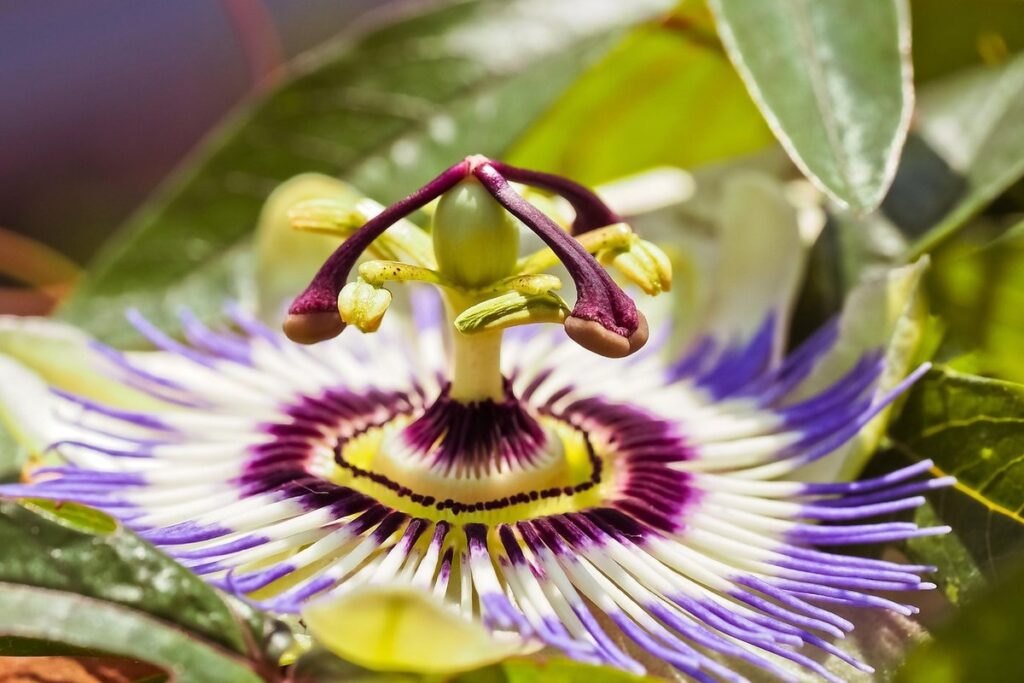
One of the reasons Passiflora edulis and incarnata are gaining popularity is due to their adaptability in various climates and environments. They thrive in warm temperatures, making them ideal for tropical regions and even some subtropical areas. The plants have a distinctive appearance, with intricate flowers featuring five sepals and five petals, surrounded by a corona of filaments. Their leaves are ovate or elliptical in shape, and the stems are woody and slightly prickly.
In recent years, Passiflora edulis and incarnata have been recognized for their medicinal properties, particularly in reducing anxiety and insomnia. These plants contain flavonoids, alkaloids, and glycosides that contribute to their therapeutic effects. As a result, they have become increasingly sought after by herbalists and health enthusiasts worldwide.
Difference in Origin and Habitat
One of the key differences between Passiflora edulis and Passiflora incarnata lies in their native habitats. While both varieties are native to tropical and subtropical regions, they have distinct preferences when it comes to climate, soil type, and geographical location.
Passiflora edulis is originally from Australia and New Zealand, where it thrives in the warm and humid climates of these regions. It prefers well-drained soil with a slightly acidic pH, often growing near rocky outcrops or coastal areas. In contrast, Passiflora incarnata hails from North America, where it can be found growing wild in eastern states and provinces. This variety is more adaptable to different soil types but still requires a relatively warm and moist climate.
Understanding the native habitats of these two varieties is crucial for growers looking to cultivate them successfully. For instance, if you’re planning to grow Passiflora edulis in a cooler climate, you’ll need to provide it with protection from frost and ensure well-drained soil to prevent root rot.
Characteristics and Appearance
When it comes to identifying these two species, understanding their distinct physical characteristics is essential. We’ll break down the differences in appearance that can help you tell Passiflora edulis from Passiflora incarnata apart.
Physical Differences Between Edulis and Incarnata
One of the most noticeable differences between Passiflora edulis and Passiflora incarnata is their physical characteristics. If you’re new to growing these species, it can be challenging to tell them apart at first glance. However, with a closer look, you’ll notice some distinct features that set them apart.
The leaves of Passiflora edulis are typically larger than those of P. incarnata, often measuring between 10-15 cm in length and 5-7 cm in width. They have a more oval shape with pointed tips, giving them a slightly more refined appearance. The leaf color is also an excellent way to differentiate between the two species, as P. edulis leaves tend to be a deeper green on the top side and a lighter green or even bluish-green on the underside.
In contrast, the leaves of Passiflora incarnata are smaller, measuring around 5-10 cm in length and 3-6 cm in width. They have a more heart-shaped appearance with rounded tips and often display a darker green color on both sides.
Comparison of Fruit Size and Shape
When it comes to the fruit of these two passiflora varieties, you’ll notice some notable differences. One key distinction is in size: Passiflora edulis tends to produce larger fruits, often measuring 5-7 cm (2-3 inches) in length and 4-6 cm (1.5-2.5 inches) in width. In contrast, the fruit of Passiflora incarnata is generally smaller, reaching lengths of around 3-5 cm (1.2-2 inches).
The shape of the fruits also differs between the two varieties. Passiflora edulis produces a more elongated fruit with a pointed tip at one end and a rounded base, while Passiflora incarnata’s fruit is typically rounder in appearance. It’s worth noting that both varieties can have some variation in size and shape depending on growing conditions and factors like soil quality and climate.
When choosing between these two varieties for your garden or edible purposes, consider what you value most: larger fruits with a more elongated shape, or smaller fruits with a rounder appearance.
Medicinal Properties and Uses
Both Passiflora edulis and incarnata have been used for centuries in traditional medicine, but what specific ailments do each plant help to alleviate? Let’s explore their unique medicinal properties.
Overview of Edulis and Incarnata’s Traditional Uses
Both Passiflora edulis and Passiflora incarnata have been used for centuries in traditional herbal medicine to treat various health issues. In ancient Greece and Rome, P. edulis was used to calm nerves and promote relaxation. Similarly, indigenous cultures in North America used P. incarnata to treat anxiety, insomnia, and restlessness.
Historically, P. edulis has also been employed to alleviate symptoms of menopause, including hot flashes and mood swings. This is attributed to its high levels of flavonoids and alkaloids, which are known for their estrogen-balancing properties. On the other hand, P. incarnata was traditionally used as a sedative and anxiolytic, helping people cope with stress and anxiety.
In many parts of the world, these two species have been used interchangeably in herbal remedies due to their similar properties. However, it’s essential to note that their unique chemical compositions may affect how they interact with individual bodies. This underscores the importance of understanding the specific uses and benefits of each plant when considering traditional treatments.
Modern Research on Edulis and Incarnata’s Potential Health Benefits
Recent studies have shed light on the potential health benefits of both Passiflora edulis and Passiflora incarnata. Research has shown that these plants contain a unique combination of flavonoids, alkaloids, and glycosides that may contribute to their medicinal properties. In 2020, a study published in the Journal of Ethnopharmacology found that Passiflora edulis extracts exhibited significant antioxidant activity, which could help protect against cell damage and inflammation.
Other studies have investigated the anxiolytic effects of both plants. A 2018 study published in the Journal of Alternative and Complementary Medicine found that P. incarnata significantly reduced anxiety symptoms in patients with generalized anxiety disorder. While the results are promising, it’s essential to note that more research is needed to fully understand the potential health benefits of these plants.
It’s also crucial to consult with a healthcare professional before using any herbal remedies, as individual results may vary. If you’re interested in exploring the medicinal properties of Passiflora edulis or P. incarnata, consider starting with small doses and monitoring your body’s response.
Growing Conditions and Care
To ensure your Passiflora edulis and incarnata plants thrive, let’s dive into their specific growing conditions and care requirements. This includes factors like temperature, humidity, and pruning practices.
Soil Requirements for Each Variety
When it comes to growing Passiflora edulis and Passiflora incarnata, understanding their individual soil requirements is crucial for optimal growth. Both varieties have different preferences when it comes to pH levels and nutrient needs.
Passiflora edulis prefers a slightly acidic to neutral soil pH, ranging from 6.0 to 7.0. It thrives in well-draining soils with moderate fertility, requiring adequate supplies of nitrogen, phosphorus, and potassium. A balanced fertilizer application during the growing season can promote healthy growth and fruit production.
On the other hand, Passiflora incarnata tolerates a wider pH range, from 5.5 to 7.5, making it more adaptable to different soil conditions. However, it still requires well-draining soils with moderate fertility, especially when it comes to phosphorus and potassium. Mulching around the base of the plant can help retain moisture and suppress weeds, while also reducing the need for fertilizers.
It’s essential to note that both varieties are sensitive to over-fertilization, which can lead to nutrient imbalances and reduce yields.
Climate and Sunlight Needs for Edulis and Incarnata
When it comes to climate and sunlight needs, Edulis and Incarnata have some distinct requirements that set them apart. While both varieties can thrive in a range of conditions, they do differ in their tolerance for temperature fluctuations and light exposure.
Edulis is generally more tolerant of cooler temperatures, ranging from 64°F to 90°F (18°C to 32°C), making it an excellent choice for growers in temperate climates. In contrast, Incarnata prefers warmer temperatures between 70°F and 95°F (21°C to 35°C). It’s essential to note that both varieties can be sensitive to frost, so if you live in an area with freezing winters, you’ll need to provide protection or choose a more resilient variety.
When it comes to sunlight, Incarnata requires full sun to partial shade, while Edulis prefers dappled shade to prevent scorching. To ensure optimal growth, aim for at least 6 hours of direct sunlight per day for both varieties.
Comparison of Taste, Aroma, and Culinary Uses
When it comes to choosing between Passiflora edulis and incarnata for your recipes, one crucial factor is their distinct taste profiles. Let’s dive into how these two varieties compare in terms of flavor and aroma.
Flavor Profile of Edulis vs. Incarnata
When it comes to flavor profiles and aromas, Passiflora edulis and Passiflora incarnata exhibit distinct characteristics. The flavor profile of Passiflora edulis is often described as sweet and slightly tart, with a hint of tropical fruitiness. This is due in part to its high concentration of sugars and malic acid. In contrast, Passiflora incarnata has a more mellow and earthy flavor profile, often associated with notes of green tea or grass.
When comparing the aromas of these two species, Passiflora edulis is known for its strong, sweet fragrance that’s reminiscent of ripe pineapple or mango. This powerful scent makes it an excellent choice for use in perfumes, fragrances, and herbal teas. On the other hand, Passiflora incarnata has a more subtle aroma, often described as floral or herbal.
In terms of using these plants in cooking and herbal remedies, understanding their flavor profiles is crucial. If you’re looking to add a sweet and fruity twist to your dishes, Passiflora edulis may be the better choice. However, if you prefer a milder flavor with earthy undertones, Passiflora incarnata could be the way to go. Experimenting with both species can help you discover their unique applications in various culinary contexts.
Culinary Applications for Each Variety
When it comes to cooking with Passiflora edulis and Passiflora incarnata, each variety has its unique characteristics that impact their culinary applications. Passiflora edulis is commonly used in sweet dishes, such as jams, preserves, and desserts, due to its sweeter and more intense flavor profile. Its pulp can also be eaten fresh or frozen for later use.
In contrast, Passiflora incarnata is often employed in savory preparations, like soups, stews, and teas, where its slightly bitter taste can complement other ingredients. To prepare Passiflora incarnata for cooking, it’s essential to remove the seeds and outer husk, as they can be quite fibrous.
One notable difference between the two varieties is their preparation method. For example, when making a sweet dish with Passiflora edulis, you might puree its pulp with sugar and lemon juice to create a smooth jam. Meanwhile, for savory dishes using Passiflora incarnata, you can add it to your pot as a whole fruit or use its extract to infuse soups and stews.
In summary, the choice between Passiflora edulis and Passiflora incarnata largely depends on the desired flavor profile of your dish. By understanding their unique characteristics and preparation methods, you can unlock the full potential of these versatile fruits in your cooking.
Hybrid Varieties: What’s Being Developed?
If you’re looking for a more resilient Passiflora, hybrid varieties are being developed to combine desirable traits from both species. These innovative options offer exciting possibilities for gardeners and growers.
Background on Hybrids Development
The need for hybrid varieties between Passiflora edulis and Passiflora incarnata stems from their distinct characteristics, growth habits, and adaptability to different environments. While both species are popular among gardeners and researchers alike, they have unique strengths and weaknesses that make them suitable for specific climates and uses.
For instance, Passiflora edulis is renowned for its high-quality edible fruits, but it requires a subtropical or tropical climate with well-defined wet and dry seasons to thrive. In contrast, Passiflora incarnata has shown remarkable resilience in temperate regions with moderate temperatures and rainfall patterns. By breeding hybrids between these two species, researchers aim to combine the desirable traits of each, such as increased disease resistance, improved fruit quality, or enhanced cold hardiness.
This cross-breeding approach not only enables gardeners to grow more resilient and productive Passiflora varieties but also facilitates further exploration into the genetic diversity of these plants. By studying the hybrids’ performance in various environments, scientists can gain valuable insights into the underlying mechanisms driving adaptation and improve our understanding of the complex relationships between species.
Advantages and Potential Benefits of Edulis-Incarnata Hybrids
The advantages and potential benefits of Edulis-Incarnata hybrids are a subject of great interest among botanists, horticulturists, and plant enthusiasts. By combining the desirable traits of both Passiflora edulis and Passiflora incarnata, these hybrids have the potential to offer improved yields, increased disease resistance, and enhanced nutritional content.
One of the primary benefits of Edulis-Incarnata hybrids is their ability to thrive in a wider range of environmental conditions. By introducing the drought-tolerant genes from Passiflora incarnata into the more water-sensitive Passiflora edulis, these hybrids can adapt to areas with limited water resources, making them ideal for regions prone to drought.
In terms of medicinal properties, Edulis-Incarnata hybrids have shown promise in possessing a higher concentration of flavonoids and phenolic acids than their parent species. These compounds have been associated with anti-inflammatory, antioxidant, and antimicrobial activities, which could lead to the development of new natural remedies for various health conditions.
From a culinary perspective, these hybrids can offer a unique flavor profile that combines the sweetness of Passiflora edulis with the subtle bitterness of Passiflora incarnata. This blend of flavors makes them an attractive choice for chefs and home cooks looking to add a new twist to their recipes.
As research continues to uncover the potential benefits of Edulis-Incarnata hybrids, it’s essential to note that these plants are still in the early stages of development. Further study is needed to fully understand their properties, growth requirements, and optimal uses. Nevertheless, the initial results are promising, and many experts believe that these hybrids have the potential to revolutionize the way we cultivate and utilize Passiflora species for medicinal, culinary, and ornamental purposes.
Frequently Asked Questions
Can I grow Passiflora Edulis and Incarnata together, or do they have different climate requirements?
Growing these two varieties together is possible but may require some consideration of their unique needs. Both species prefer tropical climates with high humidity, but Edulis requires more sunlight (at least 6 hours/day) compared to Incarnata (4-5 hours/day). If you’re planning to grow them in the same area, ensure you provide both varieties with suitable conditions for optimal growth.
Are there any potential health risks associated with consuming Passiflora Edulis or Incarnata?
While generally considered safe, large quantities of these fruits may cause gastrointestinal issues due to their high sugar content. Additionally, people allergic to passionflower should avoid consuming either variety. If you’re pregnant or breastfeeding, consult a healthcare professional before using these plants medicinally.
Can I use the same fertilizer for both Passiflora Edulis and Incarnata?
While both varieties require well-draining soil with a pH between 6.0-7.0, their nutrient needs differ slightly. Edulis benefits from higher phosphorus levels (10-15-10 NPK), whereas Incarnata prefers balanced fertilizers (20-20-20 NPK). Consider these differences when choosing a fertilizer to ensure the best growth for each variety.
How do I properly harvest and store Passiflora fruits, especially considering their short shelf life?
Harvest Passiflora Edulis and Incarnata fruits at peak ripeness, as they spoil quickly. Gently twist or cut the fruit from the vine, taking care not to damage the plant. Store them in a cool (around 50°F/10°C), dry place, away from direct sunlight. Consuming them within a few days is best for optimal flavor and nutritional value.
Can I use dried Passiflora Edulis or Incarnata as a herbal supplement?
Dried flowers and leaves can be used as tea or infusions, but be cautious of potential interactions with medications or exacerbation of underlying health conditions. Dried fruits are not commonly consumed as supplements due to their high sugar content and potential gastrointestinal side effects. Always consult a healthcare professional before using any herbal remedy.