
Are you growing passionflower plants and worried about how to protect them from harsh winter conditions? Overwintering your passionflower is crucial to ensure they thrive in the next growing season. If not done properly, a cold snap can be devastating for these delicate plants.
As a passionate gardener, you know that passionflowers are susceptible to frost damage and require special care during the winter months. In this article, we’ll delve into the essential techniques for overwintering your passionflower, including how to cut back and protect roots, as well as advanced strategies for revival and propagation. We’ll cover everything from basic care tips to expert methods for getting your plants through the cold season unscathed, so you can enjoy their beauty and benefits year-round.
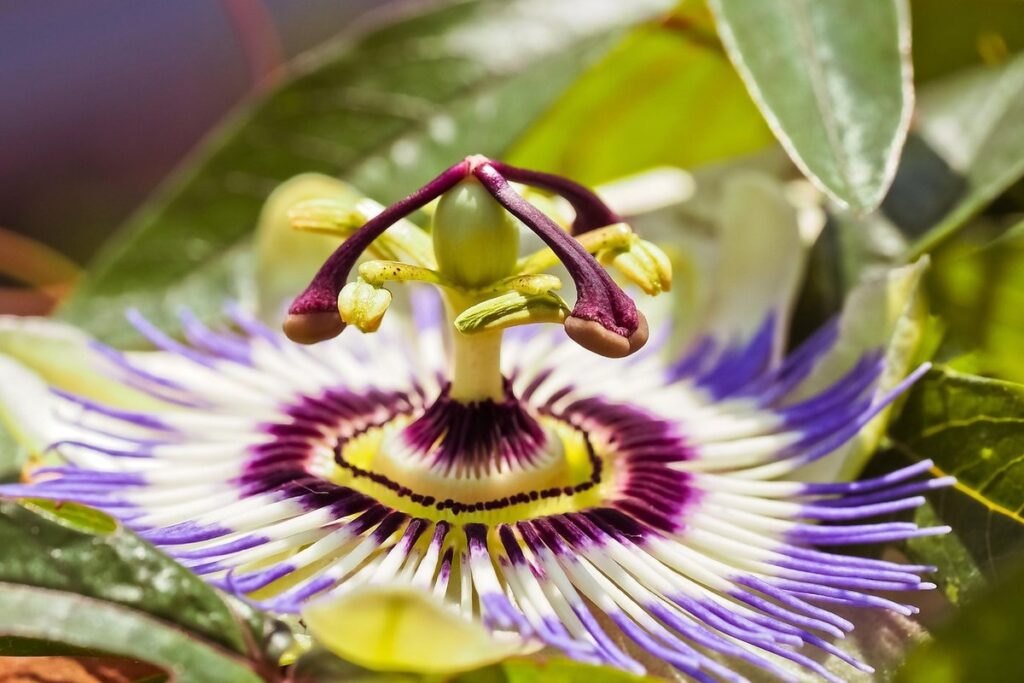
Understanding Passionflower’s Life Cycle
To successfully overwinter your passionflower, it’s essential to grasp its natural life cycle and how it adapts to different climates and seasons. Let’s explore its growth patterns and phases.
Dormancy and Survival Mechanisms
As winter approaches, passionflowers must prepare for dormancy to ensure their survival. One of the unique features of passionflower plants is their ability to adapt to harsh weather conditions through dormancy mechanisms. This process allows them to conserve energy and protect themselves from extreme temperatures, cold winds, and limited light.
During dormancy, passionflowers will typically stop growing new leaves and flowers, and may even drop their existing foliage. However, this doesn’t mean the plant is dead – it’s simply entering a state of reduced metabolic activity. In fact, many gardeners have reported seeing passionflower plants survive through harsh winters only to burst forth with new growth in the spring.
To encourage healthy dormancy, make sure to water your passionflower sparingly during the fall months. Avoid fertilizing the plant as this can stimulate new growth and leave it vulnerable to cold damage. By allowing your passionflower to go dormant naturally, you’ll be giving it the best chance of survival through winter’s chilliest temperatures.
Factors Influencing Winter Hardiness
When it comes to winter hardiness, passionflower plants can vary significantly depending on several key factors. First and foremost, the species of passionflower plays a crucial role. Some species, like Passiflora caerulea, are more tolerant of cold temperatures than others, such as Passiflora incarnata.
Climate is also a significant factor in determining winter hardiness. Passionflowers grown in areas with mild winters, like USDA zones 8-10, tend to be less cold-tolerant than those grown in cooler climates, like zones 5-7. In regions with harsh winters, it’s essential to provide protection for your passionflower plants to ensure their survival.
Soil quality also impacts a passionflower plant’s ability to withstand winter. Well-draining soil with a pH between 6.0 and 7.0 tends to promote healthy root growth, which is vital for the plant’s cold hardiness. By understanding these factors, you can take steps to prepare your passionflower plants for the coming winter, ensuring they remain healthy and thriving come springtime.
It’s worth noting that even in areas with moderate winters, a sudden drop in temperature can still cause damage or kill passionflower plants. To mitigate this risk, consider applying a layer of mulch or bringing potted plants indoors during periods of extreme cold.
Preparing Passionflower Plants for Winter
To successfully overwinter passionflower plants, it’s crucial to prepare them properly before the first frost sets in. Let’s dive into the steps you need to take.
Cutting Back and Pruning
Cutting back and pruning your passionflower plants before winter is essential to promote healthy growth and minimize damage from frost. As a passionate gardener, you know that winter can be harsh on plants, but with the right techniques, you can help your passionflowers survive and thrive.
In late fall, when the first frosts start to set in, cut back the stems of your passionflower plant to about 12 inches from the ground. This will help prevent damage from extreme cold temperatures and encourage new growth come springtime. Remove any weak or damaged stems, as these can be vulnerable to disease and pests.
To prune your passionflower, focus on removing any dead or dying wood, cutting back overgrown sections, and thinning out the plant to improve air circulation. This will also help prevent fungal diseases that thrive in moist environments. For example, if you notice a section of the plant is damaged or diseased, cut it back completely to just above a node (where a leaf meets the stem).
Protecting Root Systems
When it comes to overwintering passionflower plants, protecting their root systems is just as crucial as shielding them from cold temperatures. A well-protected root system will ensure that your plant survives the winter months and thrives come spring.
One of the simplest methods for protecting roots is mulching around the base of the plant. Apply a thick layer (around 4-6 inches) of organic mulch such as wood chips, bark, or straw to insulate the soil. This will help retain moisture, suppress weeds, and regulate soil temperature. Be sure to keep the mulch a few inches away from the stem to prevent moisture accumulation.
Breathable covers can also be used in place of or in addition to mulching. Choose lightweight fabrics such as burlap or canvas that allow for air circulation while still providing protection from wind and frost. Secure the cover with stakes or twine, making sure it’s not too tight and allowing for some movement.
By taking these precautions, you’ll be safeguarding your passionflower plant’s root system against harsh winter conditions, ensuring a healthy and robust start to the next growing season.
Methods for Overwintering Passionflower Plants
To successfully overwinter passionflower plants, you’ll need to choose a method that suits your climate and preferences, such as mulching or bringing them indoors. Let’s explore these methods in more detail.
Container Gardening
Container gardening is an excellent method for overwintering passionflower plants, allowing you to bring these beautiful vines indoors and maintain their health throughout the cold winter months. When selecting a container, choose one that is at least 14-16 inches deep and has good drainage holes to prevent waterlogged soil.
For a successful container garden, you’ll also need to select a high-quality potting mix specifically designed for indoor plants. A well-draining mix will help prevent root rot and ensure the plant’s roots receive sufficient oxygen.
Some key considerations when preparing your passionflower for overwintering in a container include pruning back the plant to about 12 inches from the top of the container, removing any weak or damaged vines, and providing support using a trellis or stake. Additionally, bring the plant indoors before the first frost and place it in an area with bright, indirect light.
In terms of specific care, water your passionflower sparingly during the winter months, as this is typically its dormant period. Monitor temperature closely, keeping it above 40°F (4°C) to prevent damage from cold temperatures.
Indoor Wintering
When winter arrives and it’s time to bring your passionflower plants indoors for overwintering, providing them with the right conditions is crucial. Lighting requirements are a top priority as most houseplants struggle during this period. Passionflowers need bright light to maintain their healthy appearance, so place them near an east- or west-facing window that receives plenty of natural light.
However, if a suitable location isn’t available, consider using grow lights to supplement the natural lighting. Aim for 12-14 hours of supplemental lighting per day to mimic the plant’s natural environment outdoors.
In addition to adequate lighting, maintain a consistent temperature between 50-70°F (10-21°C) during the winter months. Avoid placing your passionflower in areas with drafts or extreme temperature fluctuations, as this can cause stress and potentially lead to disease. Keep the humidity level moderate, around 40-60%, by grouping plants together or using a humidifier nearby. By replicating the plant’s natural environment indoors, you’ll ensure it thrives over the winter months until spring returns.
Outdoor Protection Methods
To keep your passionflower safe from harsh winter conditions, we’ll explore outdoor protection methods that can help prevent damage and ensure a healthy plant come spring. From mulching to burlap wraps, let’s dive in.
Mulching and Covering
When it comes to protecting your passionflower from harsh winter conditions, mulching and covering are two effective outdoor protection methods. Mulching involves layering a thick layer of organic materials such as wood chips, bark, or straw around the plant’s base. This helps retain moisture, suppress weeds, and regulate soil temperature.
For covering, opt for breathable materials like burlap or snow tarps to prevent damage from extreme temperatures and frost. Drape the material over the plant, securing it with stakes or weights if needed. Make sure to leave some space around the plant’s center to allow for air circulation.
When choosing a cover, consider the type of winter weather your area typically experiences. For example, snow tarps can be beneficial in regions prone to heavy snowfall, while burlap is better suited for milder winters. Regularly check on your covered passionflower to ensure it’s not waterlogged or damaged by strong winds.
By implementing these outdoor protection methods, you’ll help safeguard your passionflower from the worst of winter conditions and set it up for a healthy resurgence come springtime.
Wind and Frost Protection
When winter arrives, passionflower plants can be vulnerable to harsh winds and frost damage. To protect your passionflowers from these elements, you’ll need to provide some TLC during the cold months. Here are a few methods to shield your passionflowers from wind and frost:
Firstly, bring your potted passionflower indoors or move them to a protected area such as a garage or shed. This will not only safeguard against strong winds but also protect the plant from icy temperatures that can cause damage to delicate leaves and stems.
If you cannot bring your passionflowers indoors, create a makeshift windbreak using burlap or other breathable material. This can be draped over trellises or stakes around the plants to block harsh gusts of wind. You can also use evergreen branches or hedges as natural barriers to deflect wind and cold air away from the plant.
When frost is predicted, cover your passionflower with a frost blanket or sheeting. These breathable materials allow moisture to escape while keeping the cold out. Make sure to remove any covers during warmer days to prevent fungal diseases.
Tips for Reviving Winter-Damaged Plants
Many of you have probably noticed your passionflower plants looking a bit worse for wear after a harsh winter, and it’s time to give them some TLC. Here are some tips to revive damaged stems and get your plant thriving again.
Identifying Damage
As you begin to inspect your passionflower plants after winter, it’s essential to identify any damage that may have occurred. One of the first signs of winter damage is yellowing leaves, which can be a result of cold temperatures or lack of light. Broken stems are another common issue, caused by the weight of snow or ice. If you notice either of these problems, it’s crucial to address them promptly to prevent further damage.
To inspect your passionflower plants for damage, start by gently examining each stem and leaf. Look for any signs of breakage, tears, or discoloration. If you find damaged areas, prune the affected sections to prevent the spread of disease and encourage new growth. For yellowing leaves, try to determine if they’re simply dropping off naturally as part of the plant’s winter dormancy cycle, or if there’s a more serious issue at play.
In addition to physical damage, also keep an eye out for signs of root rot, such as soft, mushy stems or a sour smell from the roots. Addressing these issues promptly will help your passionflower plants recover and thrive in the coming growing season.
Revival Techniques
When your passionflower plant emerges from winter dormancy, it may appear battered and bruised. However, with some TLC, you can revive its beauty and vibrancy. One of the most essential steps is pruning, which helps to remove dead or damaged growth.
Start by carefully cutting back any broken or wilted stems to about 6-8 inches from the ground. This will help encourage new growth and prevent the spread of disease. Next, inspect your plant for any weak or spindly growth, and prune these areas as well. Remove any dead or dying flowers or buds, making sure to cut just above a leaf node.
Fertilizing is another crucial step in reviving winter-damaged passionflower plants. Feed them with a balanced fertilizer (10-10-10) once they begin to grow new leaves. You can also add a high-phosphorus fertilizer to promote blooming. Keep in mind that over-fertilization can damage your plant, so follow the recommended application rates.
By implementing these pruning and fertilizing techniques, you should see significant improvements in your passionflower’s health and appearance. Be patient, as it may take several weeks for your plant to fully recover. With proper care and attention, your passionflower will be thriving in no time.
Advanced Overwintering Strategies
For more experienced gardeners, we’ll dive into advanced overwintering strategies that can help you bring your passionflower plants through even the toughest winters. These techniques involve specialized care and equipment.
Propagation and Division
Propagation and division are advanced overwintering strategies that allow you to multiply passionflower plants while maintaining their hardiness. This method is particularly useful for gardeners who want to share their passionflower varieties with friends, family, or online communities.
To propagate passionflowers through division, wait until the plant has finished flowering in the fall. Cut back the stems to about 6 inches from the ground, and gently dig up the entire root system. Inspect the roots carefully for individual sections that have grown into new plants. Gently separate these sections, making sure each section has at least one growing point (where a new stem will emerge). Plant the divided sections in fresh, well-draining soil, providing them with partial shade and consistent moisture.
Some passionflower varieties are more suitable for division than others. Look for species like Passiflora caerulea or Passiflora incarnata, which tend to produce multiple stems from a central root system. When propagating through division, be sure to handle the roots carefully to minimize damage, as this can lead to reduced success rates.
Experimental Methods
If you’re looking to take your passionflower overwintering game to the next level, experimenting with different methods can be a great way to achieve success. One approach is to use greenhouses or cold frames to extend the growing season and protect your plants from harsh winter conditions.
Greenhouses provide optimal conditions for overwintering passionflowers, as they allow you to control temperature, humidity, and light levels. By maintaining a consistent temperature between 40-60°F (4-15°C), you can simulate the tropical environment passionflower thrives in during warmer months. This method is ideal for regions with extremely cold winters or limited greenhouse space.
Cold frames offer an alternative solution for smaller spaces or more budget-friendly options. They work by using transparent or translucent materials to allow sunlight in while retaining heat, extending the growing season by 4-6 weeks. By placing your passionflower plants within a cold frame, you can enjoy early blooms and continued growth during the winter months.
When experimenting with these methods, be sure to monitor temperature fluctuations, light exposure, and humidity levels closely to ensure optimal conditions for your passionflowers.
Frequently Asked Questions
How do I know if my passionflower plant has successfully overwintered?
After the winter season, inspect your passionflower plant for signs of new growth. Look for green shoots or leaves emerging from the base of the plant. This indicates that the plant has successfully overwintered and is ready to grow again in the spring.
Can I propagate my passionflower plant during the dormant season?
Yes, you can propagate your passionflower plant during dormancy by taking cuttings from healthy stems or roots. However, be sure to follow proper propagation techniques to ensure successful rooting. This method can help increase the chances of survival for your overwintered plants.
How often should I check on my mulched passionflower plant during winter?
Check on your mulched passionflower plant every 2-3 weeks during winter to ensure that it’s still protected from extreme temperatures and moisture fluctuations. If you notice any signs of damage or decay, reapply a fresh layer of mulch around the base of the plant.
Can I bring my potted passionflower indoors for overwintering?
Yes, if possible, move your potted passionflower to a bright, cool location indoors during winter. This will provide protection from harsh weather conditions and allow you to maintain better control over its environment. Be sure to adjust watering schedules according to indoor conditions.
What are some common mistakes to avoid when protecting my passionflower roots?
When protecting your passionflower’s root systems, avoid covering them with too much mulch or soil, which can cause rot and damage the plant. Also, make sure not to leave any uncovered areas of the stem exposed to wind or frost, as this can lead to desiccation and damage.