
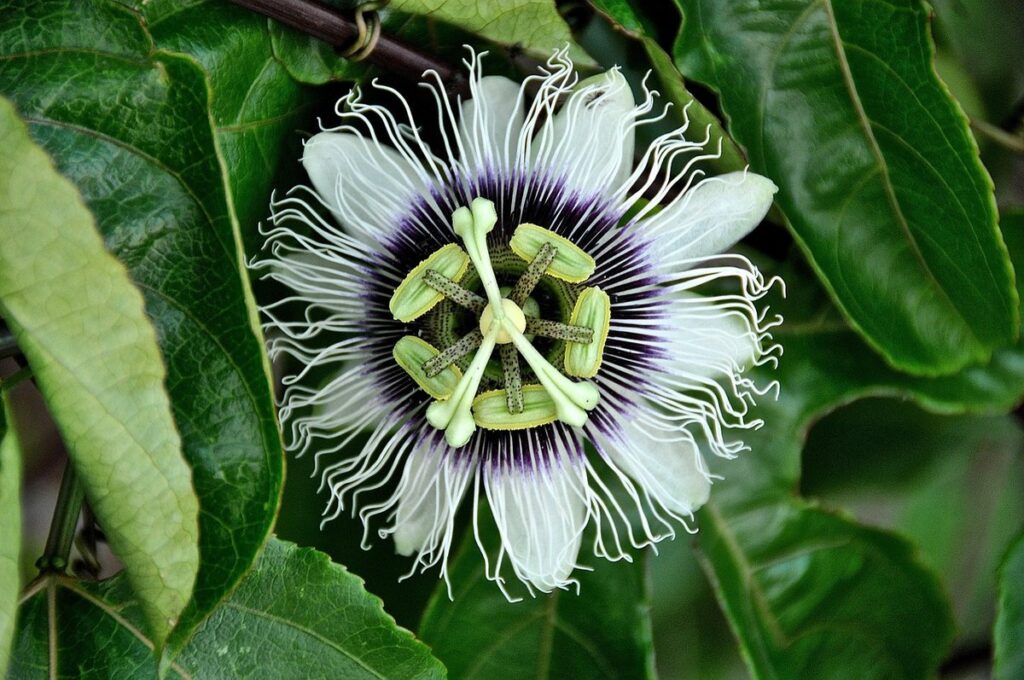
If you’re looking to add some tropical flair to your outdoor space, consider training a passionflower vine on a trellis. Not only is this plant relatively low-maintenance, but it’s also stunningly beautiful, with intricate flowers and delicate foliage. To bring out the full potential of your passionflower trellis, however, you’ll need to know how to create the right conditions for growth. In this article, we’ll cover everything from planning and preparation to training and maintenance. We’ll delve into specific soil requirements, pruning techniques, and climate adaptations to help you grow a thriving passionflower vine that will add beauty and charm to your trellis year-round. Whether you’re a seasoned gardener or just starting out, this guide will provide expert tips for creating the perfect passionflower vine trellis.
Planning Your Passionflower Vine Trellis
Now that you’ve decided on a passionflower vine, it’s time to plan its trellis – consider factors like size, material, and placement to create an ideal support system. Think carefully about how your trellis will interact with the surrounding landscape.
Choosing the Perfect Location
When choosing a location for your passionflower vine trellis, it’s essential to consider several key factors that will impact its growth and overall aesthetic appeal. First and foremost, think about sunlight – passionflowers need full sun to partial shade, but consistent warmth will promote healthy foliage and an abundance of flowers.
Consider the direction of wind in your garden as well; east- or west-facing spots can provide gentle morning or afternoon sun while shielding your trellis from harsh winds that may cause damage. Also, take note of nearby structures – trees, buildings, or power lines – which could obstruct sunlight or create shading issues.
In addition to these considerations, choose a location with good air circulation to prevent fungal diseases and promote healthy growth. A spot near a water source can be beneficial for irrigation purposes, but make sure the area is well-drained to avoid root rot. By carefully selecting a suitable location, you’ll set your passionflower vine trellis up for success and create a stunning focal point in your garden.
Understanding Soil Requirements
When planning your passionflower vine trellis, it’s essential to understand the soil requirements for optimal growth. Passionflowers prefer well-draining soil with a pH between 6.0 and 7.0. If your soil is too alkaline or acidic, it can affect nutrient availability and lead to poor plant health.
To ensure your passionflower vine receives the necessary nutrients, aim to maintain a balanced fertilizer ratio of 10-10-10 (nitrogen-phosphorus-potassium). Regularly test your soil to determine its pH level and adjust accordingly. You can also add organic matter like compost or well-rotted manure to improve soil fertility.
Specific conditions that need attention include adequate sunlight, which passionflowers love, but also require some shade to prevent scorching. Ensure the trellis is installed in a spot with full sun to partial shade and good air circulation to prevent fungal diseases. By meeting these basic soil requirements, you’ll be well on your way to growing healthy, thriving passionflower vines that will provide stunning blooms for years to come.
Note: A general rule of thumb is to amend your soil annually with a 2-inch layer of compost to maintain optimal nutrient levels and pH balance. This can also help prevent nutrient deficiencies and promote strong root growth.
Selecting a Suitable Trellis System
When selecting a trellis system for your passionflower vine, it’s essential to consider several factors. You have three main options: DIY systems, pre-fabricated trellises, and modular frameworks.
DIY trellis systems offer flexibility and affordability but require more time and effort. You can repurpose old pallets or create a custom wooden structure that suits your garden’s style. For instance, using reclaimed wood can add a rustic touch to your garden while minimizing waste. However, keep in mind that a DIY approach may compromise on durability.
Pre-fabricated trellises are more convenient and often come with a warranty. They usually feature a sturdy metal or wooden framework designed specifically for climbing plants like passionflower vines. Consider factors such as weight capacity and durability when selecting a pre-fabricated system. Some popular options include arbor-style trellises and obelisk-shaped supports.
Modular frameworks offer the best of both worlds: flexibility and sturdiness. These customizable systems can be assembled on-site or pre-assembled for easy installation. When choosing a modular framework, consider the style and design of your garden as well as the weight capacity required to support the mature vine’s growth.
Keep in mind that all trellis systems require regular maintenance to ensure optimal performance and longevity.
Preparing Your Passionflower Vine Plant
Before you start training your passionflower vine plant, it’s essential to prepare it for a healthy and thriving trellis growth. Here, we’ll walk through the crucial steps to ensure your plant thrives in its new environment.
Propagation Methods
Passionflower vines can be propagated using three main methods: seed germination, stem cuttings, and division. When it comes to seed germination, passionflower seeds have a relatively low success rate, around 20-30%. This method is often used by nurseries for large-scale propagation. To increase the chances of successful germination, sow seeds in the fall or early spring in well-draining soil and provide partial shade.
For stem cuttings, take sections from the current year’s growth, making sure each cutting has at least two nodes. Remove lower leaves and dip the cut end in rooting hormone powder before planting it in a propagation tray filled with a moistened potting mix. Keep the soil consistently moist but not waterlogged. Division is another option for established plants, where you dig up the roots and separate them into sections.
To achieve successful propagation, choose healthy parent vines with plenty of new growth, use clean and sterile equipment, and provide the right conditions for rooting to occur.
Acclimating Your Young Plants
When bringing home young passionflower vine plants to create your stunning trellis, it’s essential to acclimate them to their new environment. This process helps reduce shock and ensures a healthy start for your climbing plant.
To begin with, choose a location that provides bright, indirect light but not direct sunlight, which can scorch the delicate leaves of young passionflower vines. Water your plants gently but thoroughly, allowing excess water to drain from the pot. A consistent watering schedule is crucial during this period. Watering every 2-3 days for the first week will help settle the soil and reduce transplant shock.
Next, provide necessary care by keeping the temperature between 65°F to 75°F (18°C to 24°C) during the day and slightly cooler at night. This mimics the plant’s natural habitat in tropical regions. Fertilize your passionflower vines with a balanced fertilizer once a month, following the manufacturer’s instructions for proper application rates.
By acclimating your young plants gradually, you’ll be well on your way to creating a thriving passionflower vine trellis that will bloom beautifully and provide shade in no time.
Installing Your Passionflower Vine Trellis
Before you start planting your passionflower vine, let’s talk about how to properly install your trellis, a crucial step in creating a stunning support system for your climbing beauty.
Preparing the Site
Before installing your passionflower vine trellis, it’s essential to prepare the site properly. This involves clearing debris and leveling the ground to ensure a stable foundation for your trellis. Start by removing any obstructions such as rocks, weeds, or old plant material from the area where you’ll be installing the trellis.
Check if there are any underground pipes or utilities that may impact the installation of the trellis. If you’re not sure about the location of these, it’s always best to consult with a professional before proceeding. Make sure the ground is level and even by using a spirit level or laser level. This will ensure that your trellis stands upright and doesn’t lean to one side.
Additionally, consider checking for any tree roots or other underground obstacles that could interfere with the installation. By clearing and preparing the site thoroughly, you’ll be able to install your passionflower vine trellis securely and enjoy its beauty for years to come.
Assembling and Attaching the Trellis
Assembling and attaching your passionflower vine trellis system requires careful consideration of weight distribution, stability, and safety. Before you begin, ensure all components are included and in good condition.
To assemble the trellis, follow these steps:
- Lay out the frame pieces and attach the corner brackets using the provided screws.
- Add the horizontal beams, ensuring they’re evenly spaced and securely fastened to the corner brackets.
- Attach the vertical supports to the corner brackets, making sure they’re level and plumb.
When attaching the trellis to a wall or fence, consider the weight of the vine when fully grown. Use sturdy screws and make sure they’re at least 12 inches apart for added stability.
It’s also essential to check local building codes and consult with a professional if you’re unsure about any aspect of the installation process. With proper assembly and attachment, your passionflower vine trellis will provide a secure and stable structure for your climbing plant.
Training Your Passionflower Vine
Now that you have a beautiful passionflower vine growing, it’s time to train its long vines to maximize your trellis’s potential and enjoy stunning blooms all season. This section shares expert tips for guiding your plant’s growth.
Pruning Techniques
Pruning is an essential part of training a passionflower vine trellis to achieve the desired shape and promote healthy growth. Regular pruning not only controls the plant’s vigor but also encourages new growth, resulting in more blooms and a fuller appearance.
To prune a passionflower vine, start by removing any dead or damaged stems during the dormant season. Cut back overgrown sections to about one-third to encourage branching and prevent the plant from becoming too leggy. For smaller vines, aim for 3-4 main stems that will provide the framework for your trellis.
When pruning to control growth, focus on maintaining a balance between leaves and flowers. Remove any weak or spindly growths to direct the plant’s energy towards producing more robust blooms. Keep in mind that passionflower vines are naturally inclined to twine; prune these stems to encourage them to wrap around their support structures rather than getting tangled in the surrounding foliage.
By incorporating regular pruning into your maintenance routine, you can shape your passionflower vine trellis into a stunning display of flowers and foliage that will draw attention all season long.
Regular Maintenance
Regular maintenance is crucial to keep your passionflower vine trellis healthy and thriving. As you continue to enjoy its beauty, remember that it’s an ongoing process that requires attention throughout the growing season.
Start by pruning your passionflower vine regularly. This will not only promote new growth but also encourage a fuller plant with more flowers. Prune back leggy stems, removing any weak or damaged branches, and shape the trellis to maintain its desired form. For best results, prune in late winter or early spring before new growth begins.
Water your passionflower vine regularly, providing about 1-2 inches of water per week. However, be cautious not to overwater, as this can lead to root rot. Fertilize with a balanced fertilizer during the growing season to promote healthy growth and flowering.
Monitor for pests like aphids, mealybugs, and spider mites, which can damage your passionflower vine. Regularly inspect your trellis for signs of infestation and take action promptly if you notice any issues.
Tips and Variations for Enhanced Success
Now that you’ve built your stunning passionflower vine trellis, let’s explore ways to take it to the next level with creative tips and versatile variations.
Integrating with Other Plants
When creating a stunning passionflower vine trellis, consider integrating it with other plants or garden features to add visual interest and create a unique focal point. One idea is to combine the passionflower vine with an arbor or pergola, which can provide support for the climbing vines while also adding an element of structure to your garden.
For example, you could train the passionflower vines to cascade down from the arbor’s lattice work, creating a beautiful display of purple and white flowers. Alternatively, you could plant the passionflower vine alongside a pergola, using its latticework as a trellis for the vines to cling to.
You can also incorporate container gardens into your design by placing them at intervals along the path leading up to the trellis. This will not only add color and texture but also create a sense of movement through the garden. Simply choose plants with different bloom times and growth habits, such as annuals and perennials, to ensure that there’s always something in bloom.
Adapting for Specific Climate Conditions
When creating a stunning passionflower vine trellis, it’s essential to consider the unique climate conditions of your area. This will ensure that your trellis remains healthy and thriving despite extreme temperatures, high winds, or heavy rainfall.
In areas with scorching summers, provide shade for your passionflower vines using trellises or arbors with built-in canopies. You can also train the vines to climb up a south-facing wall or incorporate heat-tolerant plants nearby to absorb excess sunlight.
For regions prone to high winds, secure your trellis with heavy-duty stakes and anchor it firmly into the ground. Consider using wind-resistant materials like recycled plastic or metal for added durability.
In areas with excessive rainfall, opt for a trellis design that allows for good air circulation and drainage. You can also use rainwater collection systems to reduce water runoff and prevent erosion around your trellis.
Regular maintenance is crucial in adapting your passionflower vine trellis to specific climate conditions. Regularly inspect your trellis for damage, prune the vines as needed, and make adjustments accordingly to ensure your trellis remains a stunning addition to your garden.
Common Issues and Troubleshooting
If you’re experiencing problems with your passionflower vine trellis, don’t worry, we’ve got you covered. This section will walk you through common issues and their easy solutions to get your project back on track.
Pests and Diseases
As you work on creating a stunning passionflower vine trellis, it’s essential to be aware of the common pests and diseases that can affect these beautiful plants. Passionflower vines are generally hardy and adaptable, but they’re not immune to problems. Some common issues include aphids, mealybugs, and spider mites, which can be controlled with neem oil or insecticidal soap.
Root rot is another problem that can arise from overwatering, so make sure your trellis has good drainage holes and avoid watering too frequently. Fungal diseases like powdery mildew and leaf spot can also occur in passionflower vines, often caused by excess moisture or poor air circulation. To prevent these issues, ensure your trellis receives adequate sunlight and air movement.
When diagnosing a problem with your passionflower vine, inspect the plant carefully for signs of pests or disease. Look for white cottony patches (mealybugs), sticky honeydew droplets (aphids), or fine webbing (spider mites). Regularly inspecting your trellis will help you catch issues early on and prevent them from spreading.
Trellis Maintenance and Repair
As you enjoy your stunning passionflower vine trellis, it’s essential to perform regular maintenance and address any issues that may arise over time. This will ensure the longevity of your trellis and continue to provide a beautiful backdrop for your climbing vine.
Begin by inspecting your trellis every 6-12 months, checking for signs of wear and tear such as loose screws or rusty metal components. Make sure all wooden posts are securely fastened and that any wiring is still in good condition. If you notice any structural weaknesses, address them promptly to prevent damage from spreading.
When performing routine inspections, also check the passionflower vine itself, looking for signs of disease, pests, or nutrient deficiencies. Regular pruning will help keep your trellis healthy and promote new growth. To make repairs, simply replace damaged components with matching materials and reattach loose parts using the correct fasteners. By staying on top of maintenance, you’ll enjoy your stunning passionflower vine trellis for years to come.
Frequently Asked Questions
What if my passionflower vine doesn’t get enough sunlight in certain months?
If your location experiences seasonal changes in sunlight, consider providing supplemental lighting through a trellis-mounted grow light or shading device to ensure consistent warmth and promote healthy growth.
How often should I water my passionflower vine during the hot summer months?
Yes. During periods of intense heat, passionflowers require more frequent watering (every 2-3 days) to prevent dehydration and maintain optimal growth conditions. Monitor soil moisture levels and adjust your watering schedule accordingly.
Can I train a passionflower vine on an existing trellis or do I need to install a new one?
Yes. If you have an existing trellis in good condition, it can be repurposed for growing a passionflower vine. Simply clean and disinfect the structure, remove any debris, and provide support as needed.
Will a passionflower vine grow well in containers or should I plant it directly into the ground?
Yes. Passionflowers can thrive in large containers with proper care and attention to soil quality. Consider using a trellis-mounted container system to maximize space and create a visually appealing display.
How do I prevent pests like aphids and whiteflies from infesting my passionflower vine?
Regularly inspect your plant for signs of infestation, and use organic pest control methods (e.g., neem oil, insecticidal soap) as needed. Encourage beneficial insects by planting companion plants nearby to promote a balanced ecosystem.