
As a gardener or farmer, you’ve likely encountered two types of seeds in your quest for bountiful harvests: open-pollinated (OP) seeds and hybrids. But have you ever stopped to think about the differences between these two? Understanding the distinctions is crucial for maximizing crop yields, preserving biodiversity, and minimizing environmental impact.
The choice between OP seeds and hybrids can be overwhelming, especially with so many factors at play. This article aims to break down the key advantages and limitations of each type of seed, helping you make informed decisions about your farm or garden’s future. We’ll explore the benefits of OP seeds, including their ability to adapt to specific climates and environments, as well as the potential drawbacks of hybrids, such as their reliance on external resources.
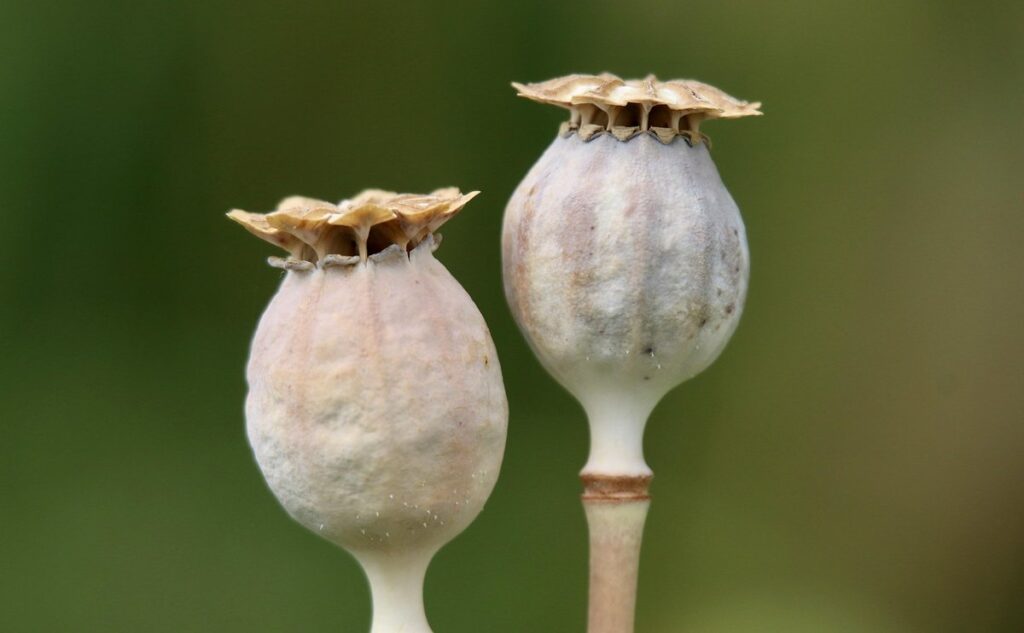
What are Open Pollinated Seeds?
Open pollinated seeds are a type of seed that can be saved and replanted, passed down from generation to generation without losing their unique characteristics. Let’s explore what makes them special.
Definition and Characteristics
Open pollinated seeds (OP) are a natural and traditional way of seed reproduction. Unlike hybrids, OP seeds reproduce through open pollination, allowing them to interact with other plants of the same species within a certain radius. This process allows for the exchange of genetic material, resulting in unique characteristics and traits that are passed down from one generation to the next.
One of the key benefits of OP seeds is their adaptability to specific environments and climates. Since they have been naturally pollinated by local bees, butterflies, and other pollinators, they develop a level of resilience that allows them to thrive under varying conditions. This trait makes them ideal for small-scale farmers, gardeners, and homesteaders who want to grow high-quality crops with minimal maintenance.
Open pollinated seeds also possess remarkable genetic diversity, thanks to their natural reproduction process. As they are not bred specifically for a particular trait or characteristic, they tend to retain the original genetic makeup of their parent plants. This diversity is essential in maintaining the health and vigor of plant populations over time. By saving and replanting OP seeds from one season to another, gardeners can promote genetic diversity and reduce dependence on external inputs such as fertilizers and pesticides.
Advantages of OP Seeds
Using open-pollinated (OP) seeds can have numerous benefits for gardeners and farmers alike. One of the most significant advantages is their potential to improve crop performance over time. As OP seeds are saved and replanted, they adapt to the specific growing conditions and microclimate of your land, allowing them to evolve into more resilient and productive varieties.
This adaptation process also enables OP seeds to produce higher yields compared to hybrid seeds. By selecting and saving seeds from the best-performing plants in each generation, you can gradually improve the overall yield and quality of your crop. In fact, many gardeners have reported increases in yield by up to 20% after just a few generations of saving and replanting OP seeds.
Another benefit of using OP seeds is their reduced reliance on chemical fertilizers. By selecting for plants that perform well in specific conditions, you can develop varieties that are more efficient at utilizing available nutrients from the soil. This not only reduces your reliance on external inputs but also promotes a healthier ecosystem by minimizing soil degradation and pollution.
Limitations and Challenges of OP Seeds
While open pollinated (OP) seeds have many benefits, they also come with some limitations and challenges. One of the main drawbacks is their lower disease resistance compared to hybrid seeds. This means that OP plants may be more susceptible to diseases, which can lead to reduced yields and decreased crop quality.
Another challenge associated with OP seeds is their increased susceptibility to environmental stresses such as drought, extreme temperatures, and pests. Without the genetic uniformity of hybrids, OP plants can be more sensitive to external factors, making them more challenging to grow in certain conditions.
For example, if you’re growing OP tomatoes in an area prone to fungal diseases, you may need to implement additional controls such as crop rotation, sanitation, or organic fungicides to prevent disease outbreaks. Similarly, if you’re experiencing drought conditions, OP seeds may require more frequent watering and careful monitoring to ensure optimal growth.
To overcome these challenges, gardeners can experiment with different growing techniques, choose varieties that are known for their resilience, and incorporate companion planting to promote healthy plant growth and minimize the risk of pests and diseases. By being aware of these limitations and taking proactive steps, you can successfully grow OP seeds in a variety of conditions.
What are Hybrid Seeds?
Let’s dive into what hybrid seeds are: a specific type of seed that’s bred for increased yield and disease resistance, but comes with some trade-offs. This section explains the ins and outs.
Definition and Characteristics
Hybrid seeds have been engineered to produce more yields and grow faster than their open-pollinated counterparts. By combining the genetic traits of two different plant species, breeders can create offspring that exhibit superior characteristics. One notable benefit is their high-yielding potential – hybrid seeds are often designed to produce up to 20% more yield per square foot than standard varieties.
This rapid growth rate is another defining characteristic of hybrid seeds. With a shorter maturity period and more uniform growth patterns, gardeners can expect to harvest their crops sooner. However, this accelerated growth also means hybrids may require more maintenance during the initial stages. To maximize their potential, make sure to provide your hybrid seeds with adequate water, nutrients, and support.
It’s worth noting that hybrid seeds are not a one-size-fits-all solution. Their benefits vary depending on factors like climate, soil type, and pest/disease resistance in your specific growing region. Be cautious of over-reliance on hybrids, as this can lead to reduced biodiversity and increased susceptibility to pests and diseases.
Advantages of Hybrid Seeds
Hybrid seeds offer several advantages over traditional open-pollinated varieties. One of the most significant benefits is improved crop yields. Hybrid seeds are bred to perform better under various conditions, resulting in increased productivity and higher harvests. According to a study by the University of Wisconsin-Madison, hybrid corn yielded 25% more than open-pollinated varieties.
Another advantage of hybrids is enhanced disease resistance. These seeds are often engineered with built-in defenses against common pests and diseases, reducing the need for costly pesticides and preserving soil health. For instance, a hybrid wheat variety developed in Canada showed significant tolerance to powdery mildew, a prevalent fungal disease affecting global wheat production.
Hybrids also exhibit better tolerance to environmental stresses such as heat, drought, and frost. This trait enables farmers to grow crops more consistently across diverse regions and climates. A hybrid soybean variety tested in Australia demonstrated improved yields under hot and dry conditions compared to open-pollinated counterparts. By using hybrid seeds, farmers can increase their chances of success while reducing crop failures.
Limitations and Challenges of Hybrid Seeds
While hybrid seeds have gained popularity for their increased yields and disease resistance, they also come with some limitations and challenges. One of the primary concerns is their lower genetic diversity compared to open-pollinated varieties. This reduced genetic pool can make hybrids more susceptible to pests and diseases, as well as less adaptable to changing environmental conditions.
As a result, hybrid seeds may require more maintenance and inputs, such as fertilizers and pesticides, which can increase costs for farmers. Furthermore, the potential for decreased yields over time is a significant concern, as hybrids often rely on external factors like fertilizers and irrigation systems to maintain productivity. In contrast, open-pollinated varieties tend to be more resilient and adaptable, making them a better choice for small-scale or organic farming operations.
To mitigate these risks, farmers can consider planting multiple hybrid varieties to spread out the genetic diversity, but this approach may not always be practical or cost-effective. As with any agricultural decision, it’s essential to weigh the pros and cons of hybrid seeds carefully and consider your specific growing conditions and needs.
Comparison: OP vs H Seeds in Modern Agriculture
Now that we’ve explored the basics of open pollinated and hybrid seeds, let’s dive into a critical comparison between them in modern agriculture. We’ll examine their performance side by side.
Factors Influencing Crop Selection
When selecting crops for modern agriculture, numerous factors come into play. Climate change, for instance, has led to increased unpredictability in weather patterns, affecting crop yields and quality. As a result, farmers often opt for varieties that are more resilient to heat stress, drought, or excessive rainfall. This can be particularly challenging when working with open-pollinated seeds, which may not exhibit the same level of uniformity as hybrids.
Soil health is another critical consideration in crop selection. Soil degradation and nutrient depletion can significantly impact plant growth, making it essential for farmers to choose varieties that are adapted to their specific soil conditions. Additionally, pest management strategies play a significant role in determining crop choice. With the rise of resistant pests and diseases, farmers may need to select varieties with built-in resistance or those that require integrated pest management (IPM) practices.
For example, corn growers facing issues with rootworms might choose hybrids with Bt toxin, while those concerned about soybean cyst nematode might opt for open-pollinated varieties. By carefully considering these factors and weighing the pros and cons of each seed type, farmers can make informed decisions that optimize crop yields and minimize environmental impact.
Economic Considerations
When it comes to modern agriculture, choosing between open-pollinated (OP) and hybrid (H) seeds can have significant economic implications. Let’s break down the costs associated with seed acquisition, production, and maintenance for both types.
The initial cost of OP seeds is often lower compared to H seeds. However, this advantage can be short-lived if you factor in the reduced yields and longer growth periods that can result from using OP seeds. In contrast, hybrid seeds are bred for specific climate conditions and tend to produce higher yields, but they also require more expensive seed purchases.
Another key consideration is the cost of seed maintenance. Hybrid seeds often require specialized care during germination and may be more susceptible to pests and diseases, increasing production costs. On the other hand, OP seeds can be saved and reused, reducing future seed expenses and providing a higher degree of control over crop quality.
To make an informed decision about which type of seed is best for your operation, consider your specific climate, soil conditions, and farming practices. By weighing these factors against the costs associated with each option, you can choose the seeds that will optimize your yields while minimizing your expenses.
Environmental Impact
When it comes to modern agriculture, choosing between open-pollinated (OP) and hybrid (H) seeds can have significant environmental implications. Let’s take a closer look at the impact of each option.
Using OP seeds generally requires more careful planning and management due to their lower yields. However, this can be mitigated through crop rotation, soil conservation techniques, and targeted water usage. In fact, studies have shown that OP seed crops tend to use up to 20% less water than their hybrid counterparts. This may seem like a minor difference, but considering the global water scarcity crisis, even small reductions can make a substantial impact.
On the other hand, hybrid seeds often come with higher fertilizer and pesticide requirements, which contribute to soil degradation and biodiversity loss. The intensive farming practices associated with hybrids also lead to increased greenhouse gas emissions from machinery and transportation. In contrast, OP seeds promote greater genetic diversity within crops, reducing dependence on single varieties and preserving ecosystem resilience.
In practical terms, choosing OP seeds can be as simple as seeking out local suppliers or purchasing from reputable companies that prioritize sustainability. By supporting regenerative agriculture practices and embracing crop diversity, farmers can significantly reduce their environmental footprint while maintaining productivity.
Breeding and Development: The Role of Seed Companies
Seed companies play a crucial role in breeding and developing new varieties, often focusing on characteristics that enhance yields and disease resistance. Let’s take a closer look at how they contribute to the hybrid seed market.
Commercial vs Open-Pollinated Seed Development
Commercial seed companies play a significant role in developing and marketing both open-pollinated (OP) and hybrid seeds. Their breeding programs are designed to cater to the diverse needs of farmers, gardeners, and consumers. When it comes to OP seed development, commercial companies focus on selecting for desirable traits such as disease resistance, drought tolerance, and yield stability.
These companies often collaborate with researchers, extension agents, and farmers to identify key characteristics that can improve crop performance. For example, a company might partner with a university to develop a new OP variety of corn that is resistant to fusarium wilt, a common disease affecting maize crops in certain regions.
In contrast, hybrid seed development prioritizes high yields, early maturity, and uniformity. Companies invest heavily in research and development to create hybrids that can outperform OP varieties in specific conditions or regions. However, this comes at the cost of reduced genetic diversity, as hybrids are often bred for specific traits that may not be adaptable to changing environmental conditions.
Commercial companies market both OP and hybrid seeds, highlighting their unique benefits and features to customers. They also provide technical support, including seed treatment recommendations and planting guides, to ensure optimal performance. By understanding the differences between commercial OP and hybrid seed development programs, gardeners and farmers can make informed decisions about which type of seed is best suited for their specific needs and goals.
Challenges and Opportunities in Seed Development
As seed developers navigate the complex world of plant breeding and development, they face numerous challenges that threaten to hinder progress. One major hurdle is the increasing demand for sustainable and environmentally friendly practices. Many consumers are turning away from hybrid seeds due to concerns about their dependence on chemical pesticides and fertilizers.
On the other hand, advances in biotechnology and genetic engineering have opened up new opportunities for seed developers. These technologies enable more precise manipulation of plant genetics, allowing for the creation of disease-resistant and high-yielding varieties. Precision agriculture also plays a significant role in this process, as it enables farmers to optimize crop yields while minimizing waste.
However, there are challenges associated with these advances as well. Regulatory frameworks can be slow to adapt to new technologies, creating uncertainty for seed developers who wish to capitalize on them. Moreover, there is growing public concern about the potential risks of genetic modification, which can limit market acceptance.
Case Studies: Real-World Examples of OP vs H Seeds
Let’s take a closer look at real-world examples where open pollinated seeds have proven to be a better choice, and how hybrids often fell short in certain situations. We’ll examine case studies that illustrate these differences.
Comparative Analysis of Crop Performance
Comparative Analysis of Crop Performance
Let’s take a closer look at some real-world case studies that highlight the differences in crop performance between open-pollinated (OP) and hybrid seeds. A study conducted by a leading agricultural research institution compared the yields of OP and H seeds for corn, soybeans, and wheat under varying conditions.
The results showed that under optimal conditions, both OP and H seeds performed similarly in terms of yield. However, when subjected to stressors such as drought or pests, the OP seeds demonstrated significantly higher adaptability and resilience. For example, a crop of OP corn yielded 20% more than its H counterpart during a dry season.
On the other hand, the quality of produce was found to be superior in H seeds under ideal conditions. A study on hybrid tomatoes showed that they had higher sugar content and better flavor profiles compared to their OP counterparts. However, when grown in less-than-ideal conditions, the OP tomatoes were more resistant to disease and maintained their quality.
These case studies demonstrate the importance of considering crop performance under different conditions when choosing between OP and H seeds. It’s essential to weigh the trade-offs between yield, quality, and adaptability based on your specific growing environment and needs. By doing so, you can make informed decisions that optimize your harvests and minimize losses.
Farmer Perspectives on Seed Choice
We spoke with several farmers who have chosen to use either OP or H seeds for their crops. The feedback they provided offers valuable insights into the practical implications of seed choice.
Some farmers noted that while H seeds may offer higher yields and better resistance to pests, they often require specialized equipment and more intensive management practices. For example, a farmer using H corn seeds may need to apply additional pesticides or fungicides, which can increase costs and environmental impact. In contrast, OP seeds tend to be more adaptable to different growing conditions and may not require such intensive management.
On the other hand, some farmers praised the reliability of H seeds, citing their ability to provide consistent yields even in challenging weather conditions. An organic farmer we spoke with mentioned that she relies on H tomato seeds for their high disease resistance, which reduces her need for costly organic pesticides.
Ultimately, seed choice depends on a range of factors including climate, soil quality, and the farmer’s specific growing goals. We’ll explore more case studies to illustrate the varying experiences farmers have had with OP and H seeds in our next section.
Conclusion: Rebalancing the Equation for Sustainable Agriculture
Now that we’ve weighed the pros and cons, let’s discuss how to rebalance the equation for sustainable agriculture by making informed choices about seed types. This is where your voice matters most.
Recap of Key Findings
In reviewing our findings, it’s clear that open pollinated (OP) seeds and hybrids exhibit distinct characteristics that impact their use in sustainable agriculture. While OP seeds promote genetic diversity, adaptability, and reduced reliance on external inputs, they may require more labor-intensive management to maintain quality. In contrast, hybrids offer improved yields and resistance to certain pests and diseases but often come with drawbacks such as decreased genetic diversity, increased dependence on external inputs, and potential for seed patenting.
Our research also highlights the importance of considering local conditions, climate, and agricultural practices when choosing between OP seeds and hybrids. For instance, a small-scale farmer in a marginal area may benefit from using OP seeds due to their adaptability and lower costs. Conversely, a large-scale commercial operation might opt for hybrids to maximize yields.
While our study underscores the value of both OP seeds and hybrids, we recognize that more research is needed to fully understand their implications for sustainable agriculture. Future studies should investigate methods for improving crop resilience in hybrid varieties, exploring alternative approaches to genetic modification, and identifying strategies for promoting the use of OP seeds in mainstream agricultural practices.
Future Directions for Seed Development
As we conclude our exploration of open pollinated seeds and hybrids, it’s essential to consider the future directions for seed development. The need for a balance between crop performance, genetic diversity, and environmental sustainability has never been more pressing.
To achieve this balance, researchers and breeders are turning to advanced technologies like marker-assisted selection (MAS) and genomics. MAS allows for precise identification of desirable traits, reducing the time and resources required for traditional breeding methods. Genomics, meanwhile, enables the analysis of entire genomes, paving the way for more informed decision-making.
Incorporating crop rotation, cover cropping, and integrated pest management practices into seed development can also help reduce environmental impact while promoting genetic diversity. For example, incorporating legumes into crop rotations can improve soil fertility and reduce synthetic fertilizer use.
By embracing a multifaceted approach to seed development, we can create more resilient, adaptable crops that thrive in diverse environments – ultimately contributing to sustainable agriculture and food systems for generations to come.
Frequently Asked Questions
Can I save seeds from hybrid plants for replanting?
Yes, you can save seeds from hybrid plants for replanting, but the resulting offspring may not retain the desirable traits of their parents. Hybrid seeds often rely on external resources like fertilizers and pesticides to thrive, which may not be available in future plantings.
How do I ensure open-pollinated seeds remain true to form?
To maintain the integrity of OP seeds, it’s essential to save seeds from plants grown under similar conditions (climate, soil, and sunlight). Also, separate OP varieties to prevent cross-pollination. This will help preserve their unique characteristics and traits.
Are there any risks associated with growing open-pollinated seeds in a large-scale farm?
Growing OP seeds can be beneficial for small-scale farmers or gardeners who want to preserve biodiversity. However, it may not be suitable for large-scale farms due to the potential variability in yields and the need for more labor-intensive seed selection.
Can I use hybrid seeds if I have limited resources (small space and low budget)?
Yes, hybrids can be a good option when resources are limited. They often produce higher yields quickly, which is beneficial for small spaces or tight budgets. However, keep in mind that their reliance on external resources may require additional investments in the long run.
How do I know if my open-pollinated seeds have been contaminated by hybrid varieties?
To ensure OP seeds remain uncontaminated, separate them from hybrid varieties during planting and harvest. Regularly inspect your crops for any signs of cross-pollination (e.g., unusual colors or growth patterns). Consider labeling and storing OP seeds separately to maintain their purity.