
Vole tunnels can be a frustrating problem for any gardener, causing damage to plants and undermining the structure of your garden. These small, furry critters are notorious for digging complex networks of underground tunnels, often leaving behind unsightly holes and mangled plant stems in their wake. But vole behavior is more than just destructive – it’s also a sign that something needs attention in your garden ecosystem.
In this article, we’ll delve into the world of voles, exploring their habits, habitats, and reasons for digging in the first place. We’ll cover how to identify vole tunnels, assess the damage they’ve caused, and most importantly, provide practical advice on humane control methods to prevent further destruction. By understanding vole behavior and taking proactive steps, you can keep your garden safe from these pesky tunnel diggers and enjoy a lush, thriving outdoor space all season long.
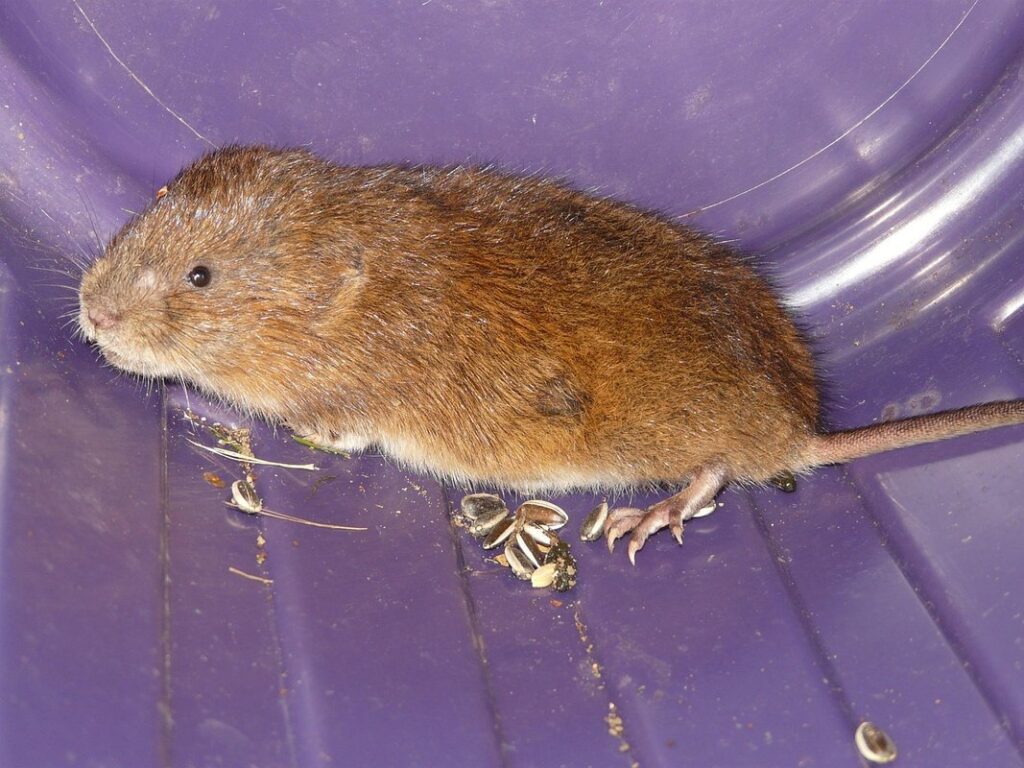
The Vole Problem: Identifying Vole Activity in Your Garden
To identify vole activity in your garden, look for signs of tunneling and burrowing, such as small holes, mounds of dirt, and disturbed vegetation. These subtle cues can reveal a larger problem.
Signs of Vole Activity
Identifying vole presence in your garden can be a challenging task, but recognizing early signs is crucial to effective management. One of the first signs of vole activity is the presence of tunnels and burrows in your soil. These underground passageways are often hidden from view but can be detected by observing changes in grass growth or noticing that soil appears disturbed.
Look for small holes or entrances to burrows, usually 2-5 inches in diameter, which may be scattered throughout your garden. Voles tend to create networks of tunnels and burrows, so finding one hole is a good indication there are more nearby. You can also check for vole droppings, which resemble small, dark pellets about the size of a grain of rice.
Recognizing vole activity early on allows you to take steps to mitigate damage before it becomes severe. Consider monitoring your garden regularly, especially during peak vole breeding seasons (spring and fall), to catch any signs of vole presence before they spread.
Understanding Vole Behavior and Habitat
When it comes to understanding vole behavior and habitat, it’s essential to know that these rodents thrive in specific environments. Voles prefer areas with dense vegetation, such as tall grasses, shrubs, and trees, where they can easily move through without being detected. They also favor moist soil and will often create burrows near water sources or areas with high humidity.
In terms of social behavior, voles are typically solitary animals but may occasionally form small family groups during breeding season. However, when competing for resources, such as food or shelter, they can become aggressive towards one another.
Voles are attracted to gardens because they provide an abundance of food and suitable habitats. They feed on a wide variety of plants, including fruits, vegetables, and flowers. To deter voles from your garden, consider removing attractants such as standing water, debris, and weeds that provide shelter. Installing physical barriers or repellents can also help discourage them from burrowing under your plants.
By understanding vole behavior and habitat preferences, you can take proactive steps to prevent these underground problems in your garden.
The Impact of Vole Tunnels: Effects on Your Garden’s Health
Voles can cause significant damage to your garden by creating extensive tunnel networks that disrupt soil structure and undermine plant growth, leading to reduced yields. We’ll explore how these underground tunnels impact your garden’s overall health in this section.
Damage to Plants and Soil Structure
When voles create their tunnels, they can cause significant damage to plants and disrupt soil structure. One of the most common types of plant damage is root disruption. As voles burrow underground, they often accidentally or intentionally sever roots of nearby plants, causing them to become unstable and even leading to their death. This can be especially problematic for young or newly planted trees, which may not have a strong enough root system to recover from such an injury.
In addition to root damage, vole tunnels can also contribute to soil erosion. When voles create new tunnels, they often collapse existing ones, causing loose soil to spill out and accumulate on the surface. This can lead to uneven terrain and create pathways for water to seep into the soil, potentially causing more damage down the line.
To mitigate this issue, gardeners can take a few steps. For example, they can try to identify vole tunnels early and fill them with natural materials like compost or soil. This can help to repair damaged roots and prevent further erosion.
Spread of Diseases and Pests
Voles are notorious for carrying diseases and pests that can decimate your garden. Their tunnels provide a highway for these unwanted visitors to spread throughout your garden, often without you even realizing it. For instance, voles have been known to carry tapeworms, which can infect birds, rabbits, and other small mammals, causing them to fall ill or die.
In addition to carrying diseases, voles can also introduce invasive species into your garden. These non-native pests can outcompete native plants for resources, leading to a decline in biodiversity. For example, the brown rat is an invasive species that often accompanies vole populations. Rats can carry diseases like leptospirosis and hantavirus, which can be transmitted to humans.
To manage this risk, it’s essential to monitor your garden regularly for signs of voles and other pests. Look for holes in plants, gnaw marks on bark, or unusual droppings. If you suspect an infestation, take immediate action by removing attractants like food sources and debris, sealing entry points, and using humane traps.
Vole Tunnel Identification: Types, Size, and Location
Now that you know what vole tunnels look like, let’s focus on identifying them properly by examining their types, size, and typical location in your garden. This will help you confirm a vole infestation and plan next steps.
Recognizing Vole Tunnels and Burrows
Recognizing vole tunnels can be a bit tricky, but with practice and knowledge, you’ll become an expert in no time. When it comes to size, vole tunnels are usually about 2-5 inches (5-13 cm) in diameter, and their entrances can be found near plant roots, under leaf litter, or even in garden paths. The shape of these tunnels is often irregular, with twists and turns that reflect the vole’s movement patterns.
To accurately identify vole tunnels, look for areas where soil has been disturbed or excavated. Voles are skilled engineers and can create complex networks of tunnels, but they tend to favor areas with rich soil and ample food sources. Check for small mounds of earth or soil debris around entrance points, which can indicate the presence of a tunnel system.
When inspecting your garden, remember that vole tunnels can be hidden from view, so it’s essential to get down on your hands and knees to search for them. Don’t be afraid to gently dig or probe the soil with your fingers or a small tool to uncover the entrance points. By doing so, you’ll not only identify vole activity but also gain insight into their behavior and habits.
Distinguishing Between Vole and Rodent Tunnels
Differentiating vole tunnels from those created by other rodents or animals can be challenging, but there are some key factors to consider. Voles tend to create more extensive tunnel systems with multiple entrances and exits, often near plants or under debris. In contrast, rodent tunnels like those made by mice may appear more scattered and random.
Another factor that influences tunnel patterns is the type of soil in your garden. Voles prefer digging through moist, loose soils where they can easily move underground. If you have compacted clay or rocky soil, voles are less likely to create extensive tunnel systems. Additionally, animals like rabbits and deer may also dig holes, but their tunnels tend to be more shallow and irregular.
When examining vole tunnels in your garden, pay attention to the presence of distinctive voles’ signature: small piles of vegetation, often with shredded bark or twigs at the entrance. These signs can help you determine if you’re dealing with a vole infestation.
Managing Vole Tunnels: Prevention and Control Strategies
To effectively manage vole tunnels, it’s essential to understand prevention strategies that discourage voles from burrowing in your garden. We’ll explore control measures to minimize damage and protect your plants.
Physical Barriers and Repellents
To effectively manage vole tunnels in your garden, it’s essential to use physical barriers and repellents strategically. Fencing is one of the most effective ways to prevent voles from entering your garden. Installing a fence with openings no larger than 2 inches (5 cm) can help keep these small rodents out. Consider using durable materials like wood or metal for long-lasting protection.
Repellents can also be used to deter voles without harming them. Planting vole-deterrent plants, such as lavender, rosemary, and daffodils, around the perimeter of your garden can help repel these pests. You can also use homemade repellents like a mixture of hot peppers and soap or commercial products containing predator scents.
When using repellents, it’s crucial to apply them consistently and in the right amounts. Make sure to follow the product instructions carefully, and reapply as needed. Some gardeners swear by using human hair, mothballs, or ammonia-soaked rags to deter voles, but these methods may not be as effective as other options.
Some key tips when using repellents are:
• Always read and follow the product label
• Apply repellents consistently around the perimeter of your garden
• Reapply after rainfall or heavy usage
Plant Selection and Garden Design
When it comes to managing vole tunnels in your garden, choosing the right plants and designing a vole-deterrent landscape can make all the difference. Voles tend to favor areas with dense vegetation, so selecting plants that are resistant to their grazing habits can help minimize tunneling activity.
Some excellent options for vole-resistant plants include shrubs like boxwood, holly, and lavender, as well as trees such as oak, pine, and spruce. These plants tend to be unappealing to voles due to their bitter or toxic properties. In contrast, plants with succulent stems, like sedum and yucca, are often avoided by voles because they contain low nutritional value.
In addition to selecting the right plants, consider incorporating vole-deterrent features into your garden design. This can include installing physical barriers around vulnerable areas, such as raised beds or planters, or creating a vole-proof fence around your entire garden. By combining these strategies with other preventative measures, you can significantly reduce the occurrence of vole tunnels in your garden and protect your plants from damage.
Non-Toxic Control Methods: Humane Solutions for Vole Management
If you’re looking for alternative ways to manage voles without harming them, we’ll explore non-toxic control methods that prioritize humane solutions in your garden. These options may just do the trick for vole management!
Trapping and Relocation
When it comes to managing vole tunnels in your garden, humane trapping methods can be an effective solution. One option is box traps, which are designed to capture voles without harming them. These traps typically consist of a wooden or plastic box with a trigger mechanism that closes when the vole enters.
Live cages are another type of trap that can be used to catch voles. These traps usually have a mesh enclosure and a door that swings shut when the vole enters. When setting up these traps, it’s essential to place bait inside, such as seeds or fruits, to attract the voles.
Proper relocation techniques are crucial to prevent re-infestation. Before releasing trapped voles, make sure they are at least 5-7 miles away from your garden to minimize the risk of them returning. Also, consider relocating them during cooler months when vole activity is less frequent.
It’s also important to note that trapping and relocation may not completely eliminate vole problems, as new voles can move into the area. Therefore, it’s recommended to combine trapping with other non-toxic control methods, such as modifying your garden environment or using repellents, for a more effective solution.
Plant-Based Deterrents and Traps
When it comes to managing vole tunnels in your garden, using non-toxic control methods is essential. Plant-based deterrents and traps can be an effective way to discourage voles from entering your garden without harming the environment.
One natural deterrent you can use is predator urine. For example, fox or coyote urine can be used to repel voles. You can purchase this at most gardening stores or online. Another option is plant extracts like hot pepper spray or garlic sprays that can deter voles from entering your garden. These sprays work by irritating the vole’s sensitive nose and eyes.
You can also create homemade vole traps using plants. One example is to place a container filled with water near areas where vole activity has been spotted. Voles are attracted to standing water, so they will likely fall into the container while trying to drink. Another option is to use a plant like daffodils or hyacinths, which are toxic to voles if ingested. Plant these around your garden to deter voles from entering.
Conclusion: Integrating Vole Management into Your Gardening Routine
Now that you’ve learned how to identify and manage vole tunnels, let’s talk about making vole control a regular part of your gardening routine.
Long-Term Strategies for Success
Managing vole activity effectively requires more than just a one-time solution; it demands an ongoing commitment to monitoring and adapting your approach. As you’ve learned throughout this guide, voles are intelligent and resourceful creatures that can quickly adapt to changes in their environment. If you want to maintain a vole-free garden, you must be prepared to continually assess and adjust your management strategies.
This involves regular monitoring of your garden’s ecosystem, including its soil quality, vegetation, and overall health. Look for signs of vole activity, such as fresh tunnel entrances or burrow systems, and take action before the problem escalates. Be patient and persistent in your efforts, as managing vole activity is a long-term process that requires dedication and flexibility.
A comprehensive approach to vole management involves combining multiple strategies, including physical barriers, repellents, and habitat modification. You may need to experiment with different combinations of these methods to find what works best for your garden. Don’t be afraid to try new approaches or adjust your existing ones based on the results you see.
For example, if you notice that voles are targeting a specific type of plant in your garden, consider replacing it with vole-resistant alternatives. Similarly, if you’re using repellents and noticing inconsistent results, explore alternative deterrents or modify the application method to improve effectiveness.
Remember, managing vole activity is an ongoing process that requires continuous effort and adaptation. By combining patience, persistence, and a willingness to learn and adjust your approach, you can effectively manage vole tunnels in your garden and protect your plants from these underground pests.
Frequently Asked Questions
How do I confirm vole activity is the primary issue, rather than another type of rodent or pest?
Confirming vole activity requires a closer look at the tunnel patterns, size, and location. Voles tend to dig more shallow tunnels with shorter entrances and exits compared to other rodents. Look for clusters of small holes near plant bases or areas with disturbed soil.
Can I use chemical repellents to deter voles from my garden, or are they ineffective?
Chemical repellents may provide temporary relief but can have unintended consequences on your garden’s ecosystem. Instead, focus on non-toxic control methods like physical barriers, plant selection, and habitat modification to discourage vole activity.
How do I balance vole management with the needs of other wildlife in my garden, such as beneficial insects or birds?
Consider creating vole-proof zones within your garden by using physical barriers or repellents that won’t harm other wildlife. Also, plant a diverse range of species that attract beneficial insects and provide food sources for birds.
What’s the best time to start managing vole tunnels, especially if I’ve just discovered infestation during peak growing season?
Don’t wait until next year; start managing vole activity immediately. Peak growing season may be challenging, but prompt action can help prevent further damage and minimize disruptions to your garden’s ecosystem.
Are there any long-term strategies for preventing vole infestations in the future, aside from regular trapping and relocation efforts?
Yes, incorporating physical barriers, repellents, and habitat modification into your garden design can help prevent future vole infestations. Consider adapting your garden layout to reduce soil disturbance and make it less appealing to voles.