
Are you tired of seeing your beautiful garden devoured by pesky insects, rodents, or even microorganisms? Identifying the culprit is often the first step to taking control and maintaining a healthy ecosystem. But, with so many types of garden pests out there, it can be overwhelming to know where to start.
That’s why we’ve put together this comprehensive guide to help you identify, prevent, and control common garden pests. From insects like aphids and slugs to animals such as rabbits and deer, and even microorganisms like fungal diseases, we’ll cover the basics of what to look out for and how to tackle these problems. Whether you’re a seasoned gardener or just starting out, this guide will provide you with expert advice on maintaining a thriving garden ecosystem. By following our tips and tricks, you can say goodbye to those pesky pests and hello to a lush, vibrant garden that brings joy all year round.
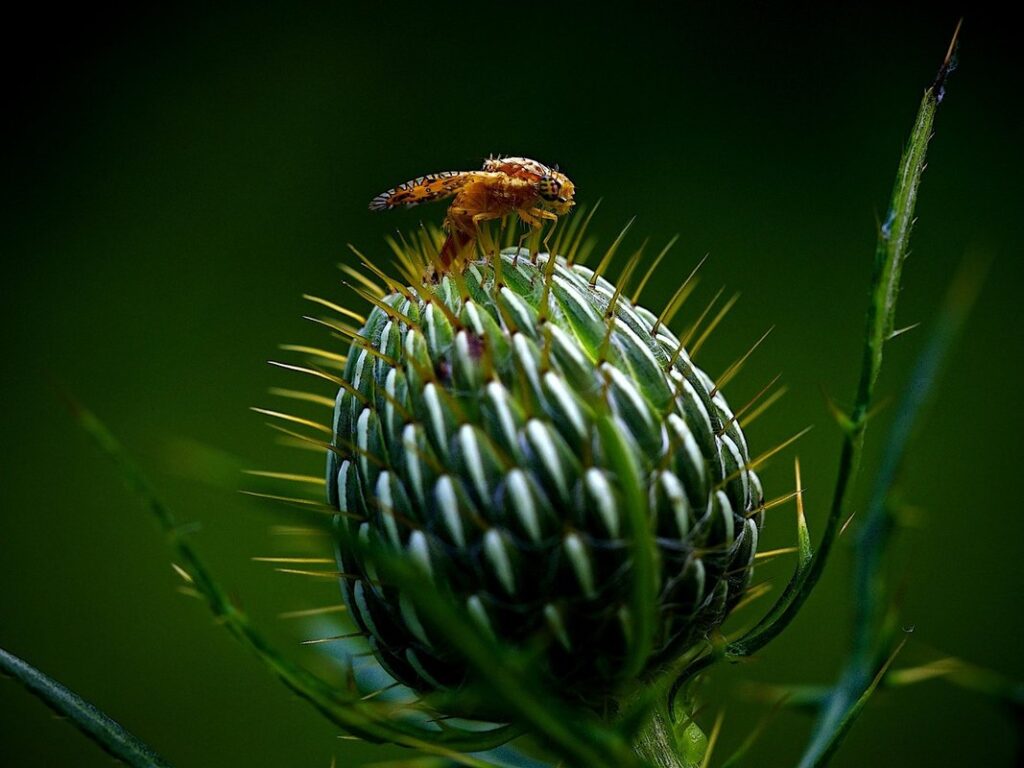
Understanding Garden Pests
When it comes to identifying garden pests, understanding their behavior and habits is crucial for effective management. Let’s dive into the world of common garden pests and explore what makes them tick.
Common Types of Garden Pests
As you navigate the world of garden pests, it’s essential to know the common types that can wreak havoc on your plants. Insects are one of the most prevalent garden pests, with some species being particularly destructive. Aphids, whiteflies, and spider mites are just a few examples of insects that feed on plant sap, causing curled or distorted leaves.
Beyond insects, animals like slugs, snails, caterpillars, and deer can also cause significant damage to your garden. These pests may chew through leaves, devour entire plants, or even uproot young seedlings. Microorganisms such as fungi and bacteria can be just as devastating, causing root rot, leaf spot diseases, or other plant infections.
Identifying these common pests is crucial for effective management. Keep an eye out for signs like holes in leaves, powdery coatings on stems, or actual insects on your plants. By knowing what to look for, you’ll be better equipped to develop a targeted control strategy and protect your garden from these unwanted visitors. Regular monitoring and prevention techniques can help prevent infestations, ensuring a healthy and thriving garden.
Signs of Pest Infestation
When it comes to identifying pest infestations in your garden, paying attention to subtle signs is crucial. Start by inspecting your plants regularly for chewed leaves, holes in fruits and vegetables, or unusual droppings. Chewed leaves can appear as ragged edges or torn fragments, while holes in fruits and veggies may have a characteristic “shotgun” appearance.
Keep an eye out for tiny insects like aphids, whiteflies, or spider mites that can leave behind sticky honeydew on leaves or stems. Also, be aware of the presence of ants, which often serve as a warning sign that other pests are present.
If you notice any of these signs, take immediate action by examining the plant’s roots and soil for evidence of pests. Check for unusual odors, mold growth, or signs of tunneling in the soil. By catching pest infestations early, you can prevent further damage to your garden. Regular monitoring is key to effective pest management.
The Impact of Garden Pests on Plant Health
Garden pests can have a devastating impact on plant health, leading to reduced growth rates, decreased yields, and increased susceptibility to disease. When plants are under attack by pests, they divert their energy towards defense mechanisms, rather than putting it towards healthy growth and development.
One of the most significant effects of garden pests is stunted growth. Aphids, whiteflies, and spider mites can all cause curled or distorted leaves, which not only affect the plant’s appearance but also hinder its ability to carry out photosynthesis. This can lead to a decrease in yields, as plants are unable to produce the energy they need to grow.
In addition to reduced growth rates, garden pests can also increase the susceptibility of plants to disease. Fungal diseases, such as powdery mildew and root rot, often take advantage of weakened plant defenses caused by pest infestations. For example, a study found that tomato plants attacked by aphids were 3 times more likely to develop fungal diseases.
To minimize the impact of garden pests on plant health, it’s essential to implement integrated pest management strategies. This includes monitoring your plants regularly, using physical barriers to prevent pest entry, and introducing beneficial insects that prey on pests. By taking proactive steps, you can protect your plants from the devastating effects of garden pests and enjoy a healthier, more productive garden.
Identifying Common Insect Pests
Identifying common insect pests is a crucial step in maintaining a healthy garden, and knowing what to look for can save you from costly damage and unnecessary pesticide use. Let’s start by exploring the most common culprits that plague gardens worldwide.
Aphids: Appearance, Behavior, and Damage
Aphids are one of the most common and destructive garden pests. They’re small, soft-bodied insects that feed on plant sap, causing curled or distorted leaves, stunted growth, and reduced yields. These tiny creatures can be identified by their pear-shaped body, long legs, and two cornicles (tail pipes) at the rear end.
Aphids are highly mobile and reproduce rapidly, often leading to infestations within days. They can be found on stems, leaves, and flowers of various plants, including vegetables, fruits, and ornamentals. To identify aphid colonies, look for sticky honeydew droplets on leaves or a white, cottony substance covering the plant.
The damage caused by aphids is more than just cosmetic; it can weaken the plant’s defenses, making it vulnerable to diseases and other pests. Regular monitoring and early detection are key to controlling aphid populations. Use sticky traps or yellow traps to capture adult aphids, and introduce natural predators like ladybugs or lacewings to control infestations.
In severe cases, use insecticidal soap or neem oil to manage aphid outbreaks. By understanding the behavior and damage caused by aphids, you can take proactive steps to protect your garden from these pesky insects.
Slugs and Snails: Identification and Control
Identifying slugs and snails is crucial to prevent damage to your garden plants. These slimy pests are often overlooked but can be devastating to crops, especially at night when they’re most active. To identify them, look for their characteristic shell-less bodies, typically gray or brown in color, with a velvety texture.
Slugs and snails prefer moist environments with high humidity, making lawns, gardens, and greenhouses ideal habitats. They thrive in areas with dense vegetation, as it provides shelter from predators and protects them from dehydration. To confirm an infestation, check for the presence of these pests at night using a flashlight or by searching for their silvery trails on leaves.
Controlling slugs and snails requires a multi-faceted approach. Organic methods include using copper barriers around plants, which deter slugs with their toxic properties, and creating physical barriers like crushed eggshells or sharp gravel to prevent them from crawling up stems. You can also use beer traps or yeast-based baits to lure them away from your plants. Chemical controls are also available but should be used as a last resort due to potential environmental harm.
Caterpillars: Types, Life Cycle, and Management
Caterpillars are one of the most common garden pests, and identifying them is crucial to preventing damage to plants. There are several types of caterpillars, including hornworms, tent caterpillars, and gypsy moths. Hornworms, for example, have a distinctive horn-like protrusion on their rear end and can be up to 4 inches long.
The life cycle of a caterpillar typically begins with eggs laid on plants by adult butterflies or moths. The eggs hatch into larvae, which feed on the plant’s leaves and stems. As they grow, the caterpillars shed their skin several times before entering a pupal stage, during which they transform into adult butterflies or moths.
To manage infestations, it’s essential to catch the problem early. Look for signs of feeding damage, such as holes in leaves or chewed-off stems. Use sticky traps or hand-picking to remove caterpillars from plants, and apply Bt (Bacillus thuringiensis) or spinosad insecticides as a last resort. Keep your garden clean by removing weeds, debris, and infested plants to prevent the spread of pests.
Identifying Common Rodent Pests
When it comes to unwanted critters, rodents can be some of the most frustrating garden pests, causing damage and spreading disease. Let’s take a closer look at how to identify these common culprits.
Mice and Rats: Identification, Habitat, and Damage
Mice and rats are some of the most common garden pests that can cause significant damage to plants. Identifying these rodents is crucial in preventing infestations. Mice typically have slender bodies, large ears, and long tails, often weighing between 1-2 ounces. Rats, on the other hand, are larger and heavier, with coarser fur and longer snouts.
These pests prefer to inhabit areas close to food sources, such as gardens, compost piles, or nearby buildings. They often nest in hidden spots like under decks, in burrows, or within walls of garden structures. Mice and rats can cause extensive damage by chewing on plants’ roots, stems, and leaves, leading to wilting, decay, and even plant death.
To manage these pests, inspect your garden regularly for signs of mouse and rat activity, such as droppings, gnaw marks, or burrows. Seal any entry points around buildings and store food in rodent-proof containers. Also, keep your garden tidy by removing debris and overgrowth, which can attract these rodents. Implementing humane deterrents like ultrasonic repellents or natural scented plants can also help discourage mice and rats from inhabiting your garden.
Other Rodents: Squirrels, Voles, and Gophers
When it comes to rodent pests in gardens, squirrels, voles, and gophers are often overlooked but just as problematic as mice and rats. Squirrels, for instance, may seem cute and harmless, but they can cause significant damage to plants, especially those with nuts or seeds. They tend to target young shoots, buds, and leaves, leaving behind a trail of chewed stems and branches.
Voles, also known as meadow mice, are another common rodent pest that can be detrimental to garden health. They’re small, insectivorous rodents that feed on roots, tubers, and underground plant parts, causing damage to lawns, flower beds, and vegetable gardens. Gophers, while not typically considered a food source for humans, can still wreak havoc on garden infrastructure by burrowing beneath plants and creating pathways through soil.
To identify these pests, look for signs of gnawing or digging in your garden. Squirrels often leave behind a mixture of acorns, seeds, and other plant material in their nests. Voles may create small holes in the ground, while gophers will typically have more extensive tunnel networks. Keep an eye out for these signs to catch infestations early on and prevent further damage to your garden.
Identifying Common Microbial Pests
Now that you know how to spot common insects and animal pests, it’s time to learn about the sneaky microorganisms that can harm your garden. Let’s identify some of the most common microbial pests.
Fungal Infections: Types, Symptoms, and Control
Fungal infections can be a major concern for gardeners, as they can cause significant damage to plants and even lead to their demise. There are several types of fungal infections that can affect garden plants, including powdery mildew, downy mildew, root rot, and leaf spot.
Powdery mildew is characterized by a white, powdery coating on the leaves and stems of infected plants, while downy mildew appears as yellow or brown spots on the underside of leaves. Root rot, caused by fungi that thrive in waterlogged soil, can lead to soft, mushy roots and even kill the plant if left untreated.
To control fungal infestations, it’s essential to identify the source of the problem and address it promptly. Regular watering, good air circulation, and crop rotation can help prevent fungal diseases from taking hold. If an infection is already present, applying fungicides or using physical barriers like row covers can help contain the spread. For example, if you’re growing tomatoes with powdery mildew, removing infected leaves and practicing good hygiene can help prevent re-infestation.
When dealing with fungal infections, it’s crucial to understand that prevention is often more effective than treatment. By taking proactive steps to maintain a healthy garden ecosystem, you can reduce the risk of fungal infestations and keep your plants thriving.
Bacterial Leaf Spot and Other Diseases
Bacterial Leaf Spot and Other Diseases can be devastating for gardeners. One of the most common bacterial diseases affecting leaves is Bacterial Leaf Spot, caused by the bacterium Xanthomonas campestris. This disease results in characteristic spots on leaves that turn yellow or die, and can spread quickly if not managed promptly.
To prevent bacterial leaf spot, ensure good air circulation around plants, avoid overwatering, and maintain a balanced fertilizer regimen. Regularly inspect your plants for signs of the disease, such as black or brown lesions on stems and leaves, and remove any affected areas immediately to prevent further spread.
Other bacterial diseases that affect garden plants include Bacterial Canker (Clavibacter michiganensis), which causes cankers on stems and branches, and Bacterial Soft Rot (Pectobacterium carotovorum), a disease characterized by soft, watery lesions on fruits and vegetables. To manage these diseases effectively, practice good hygiene when handling plants, use sterile equipment, and adopt integrated pest management strategies to minimize chemical usage.
Natural Methods of Pest Control
When it comes to keeping your garden pest-free, you don’t always need harsh chemicals: natural methods can be just as effective at controlling unwanted critters. Let’s explore some eco-friendly options together!
Using Physical Barriers to Exclude Pests
Using physical barriers to exclude pests is an effective and non-toxic method of protecting your garden. By creating a barrier between your plants and unwanted visitors, you can prevent damage and promote healthy growth. Fencing is one of the most common physical barriers used to keep pests out. Choose from various materials such as wood, metal, or plastic, depending on your budget and desired appearance.
Fine mesh is another excellent option for smaller areas or specific plants that need protection. These lightweight screens are easy to install around individual plants or along borders. When selecting a fine mesh, consider its mesh size (measured in microns) and ensure it’s large enough to allow air and water to reach your plants while keeping pests out.
When implementing physical barriers, remember to also consider the type of pest you’re trying to exclude. For example, deer-resistant fencing typically stands at least 8 feet tall, while smaller pests like rabbits or squirrels may require lower fencing or mesh screens. With proper installation, physical barriers can be a highly effective and long-lasting solution for pest control in your garden.
Encouraging Beneficial Insects
Incorporating beneficial insects into your garden ecosystem is an effective way to maintain balance and reduce pest problems. These insects prey on pests that harm plants, making them a crucial component of natural pest control methods.
To encourage beneficial insects, focus on creating a welcoming environment by providing the necessary resources they need to thrive. This includes food sources such as nectar-rich flowers, pollen, and aphid honeydew. Also, ensure an adequate water supply is available for these insects, which can be achieved through shallow dishes or birdbaths with fresh water.
Plant diversity also plays a vital role in attracting beneficial insects. Incorporate a variety of native plants, herbs, and flowers into your garden that are rich in nectar and pollen. Some examples include marigolds, lavender, and coneflowers. Additionally, consider creating a sheltered area for these insects to protect them from harsh weather conditions.
By following these steps, you’ll be able to attract beneficial insects that will help keep pest populations under control, reducing the need for chemical pesticides in your garden.
Chemical Methods of Pest Control
When it comes to dealing with pests, chemical methods can be a last resort, but we’ll walk you through how they work and their potential risks. Let’s explore these options together carefully.
Types of Pesticides: Systemic, Contact, and Organic
When it comes to managing garden pests, understanding the different types of pesticides is crucial. There are three primary categories: systemic, contact, and organic.
Systemic pesticides work from the inside out, absorbed by plants through their leaves or roots before being distributed throughout the plant’s tissues. These chemicals can provide long-lasting protection but also pose risks to beneficial insects and the environment. For example, neonicotinoids, a popular systemic pesticide, have been linked to bee deaths.
Contact pesticides, on the other hand, only affect pests that come into direct contact with the chemical. They’re often used for surface-level issues like aphids or whiteflies. However, repeated use can lead to pest resistance and environmental contamination. Pyrethrin, a synthetic version of natural pyrethrins found in chrysanthemums, is a common example.
Organic pesticides, made from naturally occurring substances, offer a more environmentally friendly option. These include plant-based oils like neem or horticultural soap, which can be just as effective at controlling pests without harming beneficial insects. When choosing a pesticide, consider the type of pest and potential risks to your garden’s ecosystem.
Safety Precautions When Using Chemical Controls
When using chemical controls to manage garden pests, safety should always be your top priority. Before applying any pesticides, it’s essential to take necessary precautions to protect yourself and the environment.
Firstly, wear personal protective equipment (PPE) such as long sleeves, long pants, gloves, and closed-toe shoes to prevent skin contact and exposure to chemicals. Make sure these garments are made of breathable materials that won’t trap chemicals next to your skin. If you have long hair, tie it back to avoid any accidental ingestion or exposure.
When handling chemical controls, read the label carefully before application. Follow all instructions provided by the manufacturer, including recommended dosages and safety precautions. Wear eye protection, such as goggles or glasses, to prevent chemical splashes from entering your eyes. In case of accidental exposure, have a first aid kit nearby with materials like soap and water for washing off excess chemicals.
Remember to always handle chemical controls in well-ventilated areas, away from pets and children. Keep them out of reach of those who shouldn’t be handling them. By following these simple safety precautions, you can minimize risks associated with using chemical controls in your garden.
Preventing Future Infestations
To ensure your garden stays pest-free, it’s essential to take proactive measures against future infestations by understanding their habits and learning effective prevention techniques.
Maintaining a Healthy Garden Ecosystem
Maintaining a healthy garden ecosystem is crucial to preventing future infestations. A balanced and diverse garden environment can help deter pests from taking hold. One way to achieve this balance is by creating a habitat for beneficial insects, such as bees and butterflies. These pollinators not only contribute to plant reproduction but also prey on pest species.
To attract beneficial insects, incorporate native plants into your garden that are rich in nectar and pollen. Avoid using pesticides, which can harm these crucial allies. Instead, adopt integrated pest management (IPM) techniques, such as introducing natural predators like ladybugs or lacewings to control pest populations.
Companion planting is another effective strategy for maintaining a healthy ecosystem. Certain plants, like marigolds and basil, repel pests that target specific crops. For example, basil can deter aphids and other soft-bodied insects from tomatoes. By incorporating these companion plants into your garden layout, you can reduce the risk of infestation and promote a balanced ecosystem.
In addition to attracting beneficial insects and using companion planting, ensure proper soil health through regular composting and mulching. This will improve nutrient cycling, structure, and overall fertility, making it more difficult for pests to thrive.
Early Detection and Intervention Techniques
Identifying early signs of pest infestation is crucial to preventing future damage. To detect potential issues before they become severe, keep a close eye on your plants’ appearance and behavior. Look for signs like unusual holes in leaves or stems, unexplained discoloration, or white powdery residue on plant surfaces.
Regularly inspect the undersides of leaves and around soil lines where pests often hide. Check for eggs, larvae, or adult insects. Some common pests to watch out for include aphids, spider mites, and caterpillars. Use a hand lens or magnifying glass to get a closer look at any suspicious areas.
Another effective early detection method is monitoring your plants’ water and nutrient intake. If you notice an unexplained increase in water consumption or changes in soil moisture levels, it may indicate the presence of pests that are disrupting normal plant functions. By staying vigilant and intervening promptly, you can prevent infestations from taking hold and save your garden from potential damage.
Frequently Asked Questions
Can I use natural methods of pest control alone to get rid of a severe infestation?
While natural methods are effective, they might not be enough to tackle a severe infestation. In such cases, combining natural methods with chemical controls or other management strategies may be necessary for successful garden pest control.
How do I identify the cause of damage on my plants if I’m unsure about what type of pest is present?
Look for clues like the time of day when damage occurs (e.g., at night for slugs and snails), patterns of damage, or specific feeding behaviors. Observe your plants carefully, checking for eggs, larvae, or actual pests themselves.
What are some effective ways to prevent future infestations after getting rid of a pest problem?
Maintaining a healthy garden ecosystem through proper watering, pruning, and fertilization can help prevent future infestations. Regularly inspecting your plants and taking prompt action when you notice any issues also helps keep pests at bay.
Can I use the same pesticide for both insect and rodent control?
No, it’s not recommended to use the same pesticide for both insect and rodent control due to potential health risks and ineffectiveness. Different pesticides are formulated specifically for different types of pests, so choose a product that targets your specific pest issue.
How do I know when to switch from chemical controls to natural methods or vice versa?
Monitor the effectiveness of your chosen method over time. If you notice that chemical controls are causing more harm than good (e.g., harming beneficial insects), it may be time to switch to natural methods. Conversely, if natural methods aren’t yielding results quickly enough, consider supplementing with chemical controls.