
As gardeners, we’ve all seen the devastating impact of declining bee populations on our ecosystem. But did you know that by creating a thriving bee habitat in your own garden, you can play a crucial role in supporting these vital pollinators? Not only will a well-designed bee-friendly space attract an abundance of bees and other beneficial insects, but it’ll also add beauty and biodiversity to your outdoor oasis.
In this article, we’ll guide you through the process of designing and maintaining a thriving bee habitat, from selecting the right plants and water features to implementing integrated pest management techniques. With expert advice and insider tips, you’ll learn how to create a haven for bees in your garden that’s both beautiful and functional. By the end of this article, you’ll be equipped with everything you need to start attracting these busy buzzers to your outdoor space – and support their vital role in our ecosystem.
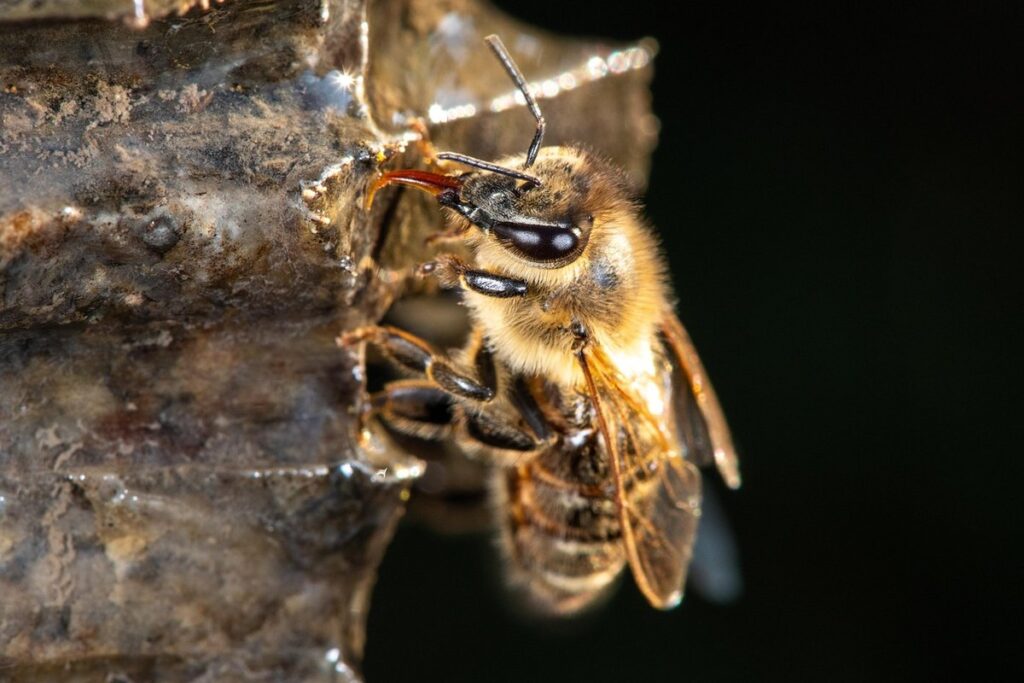
Understanding the Importance of Bee Habitats
Bee habitats are crucial for a healthy ecosystem, and understanding their importance is key to creating a welcoming space for these vital pollinators in your garden. Let’s explore why bee habitats matter.
Why Bees Need Our Help
Bee populations have been declining at an alarming rate over the past few decades. Between 2010 and 2020, bee colonies in the US decreased by approximately 40%. This decline is attributed to habitat loss, pesticide use, climate change, and other human activities that disrupt bees’ natural habitats. As a result, bees are facing significant challenges in finding food, shelter, and mates.
This is where creating bee-friendly habitats comes into play. By planting a variety of flowers, trees, and shrubs that provide nectar and pollen, we can help support local bee populations. Native plants are particularly beneficial as they have co-evolved with native bees over time. Consider incorporating bee-friendly species like coneflowers, lavender, and mint into your garden design.
Creating bee habitats is not only essential for the health of our ecosystems but also for our food supply. One-third of the crops we eat, including fruits, vegetables, and nuts, rely on bees for pollination. By providing a safe haven for bees in our gardens, we can contribute to their recovery and ensure a healthy environment for generations to come.
Benefits of Bee-Friendly Gardens
Having a bee-friendly garden is not only beneficial for these vital pollinators but also for the overall health of your ecosystem. One of the primary benefits of a bee-friendly garden is increased pollination. Bees play a crucial role in transferring pollen between plants, and by attracting them to your garden, you’ll see a significant boost in fruit and vegetable production. In fact, it’s estimated that one-third of the food we eat is directly or indirectly dependent on bee pollination.
In addition to increased pollination, a bee-friendly garden can also lead to improved biodiversity. By incorporating a variety of plants that provide nectar, pollen, and shelter for bees, you’ll be supporting a wider range of wildlife in your garden. This not only benefits the bees but also other beneficial insects, birds, and even microorganisms.
To create a bee-friendly garden, focus on planting a mix of flowers that are rich in nectar and pollen, such as sunflowers, lavender, and coneflowers. Avoid using pesticides, which can harm or kill bees, and instead adopt integrated pest management techniques that prioritize natural methods for controlling pests.
Choosing the Right Location for Your Bee Habitat
When it comes to creating a thriving bee habitat, selecting the perfect location is crucial. Let’s dive into the key factors to consider when choosing where to place your bee haven in your garden.
Assessing Your Garden’s Conditions
Before selecting the perfect spot for your bee habitat, it’s essential to assess your garden’s conditions. Take note of its climate, sunlight, and soil type – these factors will significantly impact the success of your bee-friendly haven.
Start by observing your garden’s microclimate. If you live in an area with cold winters, ensure that your garden receives sufficient winter sun (at least 4-6 hours) to provide a reliable source of warmth for your bees. Conversely, if your region experiences scorching summers, choose a location that offers dappled shade or morning sun.
Next, consider the sunlight patterns in your garden. Bees need a minimum of six hours of direct sunlight per day to thrive. Choose an area that receives consistent sunlight throughout the growing season. For example, if you have a south-facing wall, it may receive intense sunlight during peak summer months but be shaded during winter. Lastly, inspect your soil type and structure. Bees prefer well-draining soil with a pH between 6.0 and 7.0. If your garden has heavy clay or sandy soil, consider amending the soil to create a more suitable environment for your bees.
Selecting the Best Spot for Your Hive or Nests
When it comes to selecting the perfect spot for your beehive or nesting sites, there are several factors to consider. First and foremost, you’ll want to ensure that your hive is protected from strong winds. A location that provides some natural windbreaks, such as a group of trees or a fence, can help reduce the risk of damage to your hive.
Accessibility is also crucial when choosing a spot for your beehive or nesting sites. Consider how easy it will be to maintain and inspect your hive, especially during times of heavy pollen collection or honey production. A location that’s close to a path or walkway will make it easier to tend to your bees without disturbing them.
When evaluating a potential site, look for areas with direct sunlight and warmth, as these conditions are ideal for bee health. Avoid spots near water sources or areas prone to flooding, which can be detrimental to your hive. Consider your local climate and the types of pests that may be present in your area, such as mice or raccoons, when selecting a location. By taking these factors into account, you can create a safe and welcoming environment for your bees.
Designing and Planting a Bee-Friendly Garden
When designing your bee-friendly garden, it’s essential to choose plants that are rich in nectar and pollen, providing a vital source of nutrition for these busy pollinators. We’ll guide you through selecting the perfect flowers.
Selecting Pollinator-Friendly Plants
When selecting pollinator-friendly plants for your bee garden, it’s essential to choose flowers that are rich in nectar and pollen. Nectar is a sweet, energy-rich liquid produced by plants that attracts bees and other pollinators. Pollen, on the other hand, provides protein and other nutrients necessary for their growth and development.
To ensure a constant food source for your local bee population, consider planting flowers from different seasons. Spring-blooming flowers like lavender, coneflower, and black-eyed Susan provide nectar and pollen in early spring when bees are emerging from hibernation. Summer flowers such as sunflowers, zinnias, and cosmos offer a rich source of food during the warmer months.
In addition to selecting plants with a long blooming period, choose flowers that are native to your region. Native plants have evolved alongside local pollinators and provide the perfect blend of nectar and pollen for their specific needs. Some examples of native flowers include bee balm, milkweed, and goldenrod. By planting these species in your garden, you’ll create a haven for bees and support the health of your local ecosystem.
Remember to also consider plants with different shapes and sizes, as some pollinators prefer certain types over others. For example, long-tongued bees like bumblebees can access nectar deep within trumpet-shaped flowers like honeysuckle and fuchsia. By thoughtfully selecting a diverse range of plants, you’ll create a bee-friendly garden that provides a constant food source for your local pollinators all season long.
Creating a Diverse Landscape Structure
When designing and planting a bee-friendly garden, it’s essential to create a diverse landscape structure that mimics natural habitats. This means varying plant heights, textures, and colors to provide a dynamic environment that supports the needs of bees.
Start by incorporating plants with different growth habits, such as tall shrubs like lavender or rosemary, medium-sized perennials like coneflower or black-eyed Susan, and low-growing herbs like thyme or creeping juniper. This layering effect creates a diverse landscape structure that provides shelter, nesting sites, and food sources for bees.
In addition to varying plant heights, consider incorporating plants with different textures, such as soft-leaved ferns or grasses, and those with interesting foliage colors, like variegated hostas or heuchera. This mix of plant characteristics will not only attract a variety of bee species but also create a visually appealing garden that’s dynamic throughout the growing season.
When selecting plants, choose ones that bloom at different times to provide a constant source of nectar and pollen for bees. For example, incorporate early-spring bloomers like crocuses or daffodils, followed by mid-season bloomers like coneflower or black-eyed Susan, and finish with late-season bloomers like asters or goldenrod.
Providing Water Sources for Bees
When it comes to creating a thriving bee habitat, providing water sources is just as crucial as planting nectar-rich flowers. Let’s explore some simple and effective ways to do this in your garden.
Types of Water Features That Attract Bees
When it comes to creating a welcoming bee habitat in your garden, providing a reliable source of water is just as crucial as planting bee-friendly flowers. Bees need water to drink and cool their bodies, making it an essential component of their daily lives. Various types of water features can attract bees to your garden, including ponds, birdbaths, and shallow dishes with fresh water.
Ponds are a popular choice for attracting bees, as they provide a constant source of water for drinking and puddling. Bees can also be seen visiting the edges of ponds to collect water for their hives. Birdbaths, on the other hand, offer a more contained space for bees to drink from without being disturbed by larger birds or animals. Shallow dishes with fresh water are another simple yet effective option, perfect for small gardens or areas where a pond or birdbath may not be feasible.
When designing your water feature, consider using rocks or twigs to create landing sites and edges for bees to access the water easily. Regularly changing the water in shallow dishes will also keep them clean and free from mosquito larvae and other potential hazards. By incorporating one of these water features into your garden, you’ll be providing a vital resource that will attract more bees and support their well-being.
Tips for Maintaining Clean Water Sources
When it comes to creating a bee-friendly habitat, providing clean water sources is just as crucial as planting nectar-rich flowers. Bees need access to fresh water for drinking and cooling their bodies, but they can be susceptible to bacterial infections if the water source is contaminated. To keep your bees safe, it’s essential to maintain clean water sources.
Change the water frequently: A good rule of thumb is to change the water every 2-3 days during warm weather. This will prevent bacteria from building up and reduce the risk of infection. Use a dechlorinator or let the water sit for 24 hours before using it, as chlorine can also harm bees.
Clean the birdbath: Regularly scrub the birdbath with soap and water to remove any debris or algae buildup. A dirty birdbath can become a breeding ground for bacteria, so make sure to rinse it thoroughly after cleaning. Consider adding a few rocks or twigs to provide perches for the bees to land on while drinking.
Avoid using chemical cleaners: Refrain from using harsh chemicals like bleach or pesticides near your bee water source, as these can contaminate the water and harm the bees. Instead, opt for natural methods like adding a small amount of white vinegar to the water to help control bacteria growth. By following these simple tips, you’ll be creating a safe and healthy drinking environment for your bees.
Managing Pests and Diseases in Your Bee Habitat
As you nurture your bee habitat, it’s essential to keep a watchful eye out for pests and diseases that can harm your precious pollinators. This section offers practical tips on prevention and management.
Common Challenges Facing Bee Habitats
When creating bee habitats in your garden, it’s essential to be aware of common pests and diseases that can affect your bee colonies. Aphids, whiteflies, and spider mites are some of the most prevalent pests you’ll encounter. These tiny creatures feed on the nectar and pollen of plants, weakening the flowers’ ability to produce nutrients for your bees.
Aphids, in particular, are a significant threat to bee habitats. They secrete a sticky substance called honeydew, which attracts other insects and promotes the growth of sooty mold. This can lead to a decline in plant health and reduce nectar production, ultimately impacting the well-being of your bees.
Whiteflies, on the other hand, spread diseases like tobacco rattle virus (TRV) through their feeding process. TRV is particularly devastating as it can cause significant damage to bee colonies by killing off important pollinator species.
Diseases such as American Foulbrood and Nosema are also a concern for beekeepers. These bacterial infections can be fatal if left untreated, highlighting the importance of monitoring your bees regularly and taking prompt action when issues arise.
Some practical steps you can take to manage pests and diseases in your bee habitat include:
* Regularly inspecting your plants for signs of infestation or disease
* Implementing integrated pest management (IPM) strategies that combine physical barriers, biological controls, and chemical controls when necessary
* Providing a diverse range of plants with varying bloom times to reduce the pressure on individual flowers
* Ensuring your bees have access to clean water and nutritious food sources
Strategies for Integrated Pest Management (IPM)
When it comes to managing pests and diseases in your bee habitat, Integrated Pest Management (IPM) is a crucial strategy. IPM aims to minimize chemical usage by adopting a multi-faceted approach that incorporates natural methods of pest control. One effective way to achieve this is by using natural predators such as beneficial insects like ladybugs and lacewings.
These predators can be introduced into your bee habitat to feed on pests, reducing the need for pesticides. For example, you can purchase ladybug larvae or introduce a beneficial nematode species that attacks pest larvae but leaves beneficial bees alone. To encourage these beneficial insects, provide them with a food source by planting nectar-rich flowers like marigolds and sunflowers.
Additionally, practicing good garden hygiene is essential in maintaining an IPM strategy. This includes removing weeds that can harbor pests, cleaning tools regularly to prevent the spread of diseases, and keeping your bee habitat clean by disposing of dead bees and debris. By implementing these strategies, you’ll not only minimize chemical usage but also create a healthy environment for your pollinators to thrive.
Maintaining and Monitoring Your Bee Habitat
Now that you’ve set up your bee habitat, it’s essential to keep it thriving. This means regular maintenance and monitoring to ensure your bees stay happy and healthy throughout the seasons.
Regular Maintenance Tasks
Regular maintenance tasks are crucial to ensure the health and productivity of your bee habitat. Cleaning the hives is an essential task that should be done at least once a week during peak season. Remove excess propolis, dead bees, and debris from the hive frames and supers. This helps prevent disease spread and keeps the bees healthy.
Inspecting for pests and diseases is another critical task. Check for signs of American foulbrood, nosema, or varroa mite infestations. If you notice any issues, take immediate action to treat the problem. Regular inspections also help identify potential problems before they become severe.
Seasonal repairs or upgrades are necessary to keep your bee habitat thriving. In the spring, inspect and repair any damage to the hive stand, roof, or walls. Add new supers as needed to accommodate growing colonies. In the fall, clean and prepare the hives for winter by adding insulation and ensuring proper ventilation. By performing these regular maintenance tasks, you’ll be able to monitor your bee habitat’s health and address issues before they become major problems.
Tracking Progress and Adapting to Changes
As you monitor your bee habitat’s performance, it’s essential to track its progress and adjust your strategies accordingly. This will help you identify areas that need improvement and optimize the overall success of your garden ecosystem.
Start by keeping a record of your observations, noting changes in plant growth, pollinator activity, and pest populations. Take note of which plants attract the most bees, which areas receive the most sunlight, and any signs of disease or pests. This data will serve as a baseline for future comparisons and help you fine-tune your habitat’s design.
Regularly inspect your garden for changes in plant health, pruning back overgrown vegetation to maintain optimal growth conditions. Be prepared to adapt your strategies based on seasonal fluctuations – for example, adding supplemental water sources during dry spells or adjusting the types of plants to accommodate changing temperatures. By continuously monitoring and adjusting your bee habitat’s performance, you’ll create a thriving ecosystem that attracts pollinators year-round.
Frequently Asked Questions
What if I don’t have a lot of space in my garden for a dedicated bee habitat?
Start small by incorporating bee-friendly plants and features into your existing landscape design. Even a few strategically placed flowers or a shallow dish with water can make a difference.
How often should I replace the water in my bee-friendly water feature?
Change the water at least once a week to keep it clean and free of bacteria. You can also add a small amount of white vinegar to help maintain its clarity and prevent mosquito breeding.
Can I use pesticides in my garden if I have bees visiting, or will that harm them?
No, using pesticides in your garden can be detrimental to bee populations. Instead, adopt integrated pest management techniques like hand-picking pests or introducing beneficial insects to control infestations.
What types of plants are best for attracting solitary bees, which don’t live in hives?
Solitary bees prefer flowers with long, tube-shaped centers that provide a source of nectar and pollen. Consider planting herbs like lavender, rosemary, or thyme, as well as flowers like foxgloves, cosmos, or marigolds.
How do I know if my bee habitat is attracting the right types of pollinators?
Monitor your garden by observing the types of insects visiting your plants and using water features. Keep a journal to track changes in your ecosystem over time and adjust your design accordingly.