
Wisteria is one of those show-stopping plants that can add a touch of elegance to any garden. But did you know that with a little TLC, you can get even more out of your wisteria? That’s right – with the right pruning techniques, you can optimize its growth, enhance its aesthetic appeal, and even boost its blooming performance.
If you’re new to gardening or have been growing wisteria for years, it’s essential to learn how to prune these beautiful vines. Pruning at the wrong time or not knowing the proper techniques can actually harm your plant, so don’t worry – this article is here to guide you through everything you need to know.
In our comprehensive wisteria pruning guide, we’ll cover timing, post-pruning care, and expert tips for thriving wisteria plants. Whether you’re looking to create a stunning focal point in your garden or simply want to enjoy more vibrant blooms, keep reading – by the end of this article, you’ll be a pro at pruning wisteria like a pro!
Understanding Your Wisteria Plant
To truly make the most of your wisteria, it’s essential to understand its unique needs and characteristics, including how to spot signs of stress. By recognizing these cues, you’ll be better equipped to prune your plant effectively.
Choosing the Right Time to Prune
Timing is everything when it comes to pruning wisteria. The season you prune can make all the difference in its growth pattern and flowering performance. In general, wisteria grows most actively during the spring and summer months, producing long stems with leaves and flowers.
Pruning in the spring, typically late February or early March, is a good time to shape the plant and remove any dead or damaged branches. This allows the plant to put its energy into new growth rather than trying to repair itself. Summer pruning, on the other hand, can be done at any time after flowering has finished. However, be cautious not to prune too much as this can reduce flower production for the following year.
In the fall, wisteria slows down its growth, and pruning during this time is best for maintaining shape and controlling size. Winter pruning is generally avoided as it can stress the plant unnecessarily. By understanding the different seasons and their effects on your wisteria’s growth pattern, you can prune at the right time to promote healthy growth and an abundance of flowers.
Assessing the Health of Your Plant
When you’re busy tending to other aspects of your garden, it’s easy to overlook the needs of your wisteria plant. However, neglecting regular pruning and maintenance can lead to a host of problems that may seem daunting to tackle.
One common issue that arises from improper pruning is overgrowth. If left unattended, wisteria vines can quickly outgrow their support structures, becoming tangled and unwieldy. This not only affects the plant’s appearance but also hinders its ability to receive adequate sunlight and nutrients. To prevent overgrowth, make sure to regularly inspect your wisteria for any signs of excessive growth, such as long, leggy stems or an abundance of weak branches.
In addition to overgrowth, disease and pest infestations are also common problems that can arise from poor pruning practices. Fungal diseases like powdery mildew and black spot can take hold in moist environments, while pests like aphids, whiteflies, and spider mites can feed on the plant’s sap. By monitoring your wisteria regularly, you can catch these issues early on and take corrective action to prevent them from getting out of hand.
Some signs that your wisteria may be struggling include yellowing or dropping leaves, black spots or powdery mildew on the foliage, and an overall decline in flowering performance. If you notice any of these symptoms, it’s essential to investigate further and implement a treatment plan as soon as possible.
To prevent disease and pest infestations from taking hold, be sure to:
* Regularly inspect your wisteria for signs of stress or damage
* Remove any dead or diseased branches immediately
* Keep the area around your wisteria free from debris and weeds
* Avoid overwatering, which can create an environment conducive to fungal growth
Preparing for Pruning
Before you start pruning, it’s essential to prepare your wisteria for the task by gathering the right tools and understanding the plant’s needs during the different seasons. This section will guide you through that crucial preparation process.
Gathering Essential Tools and Equipment
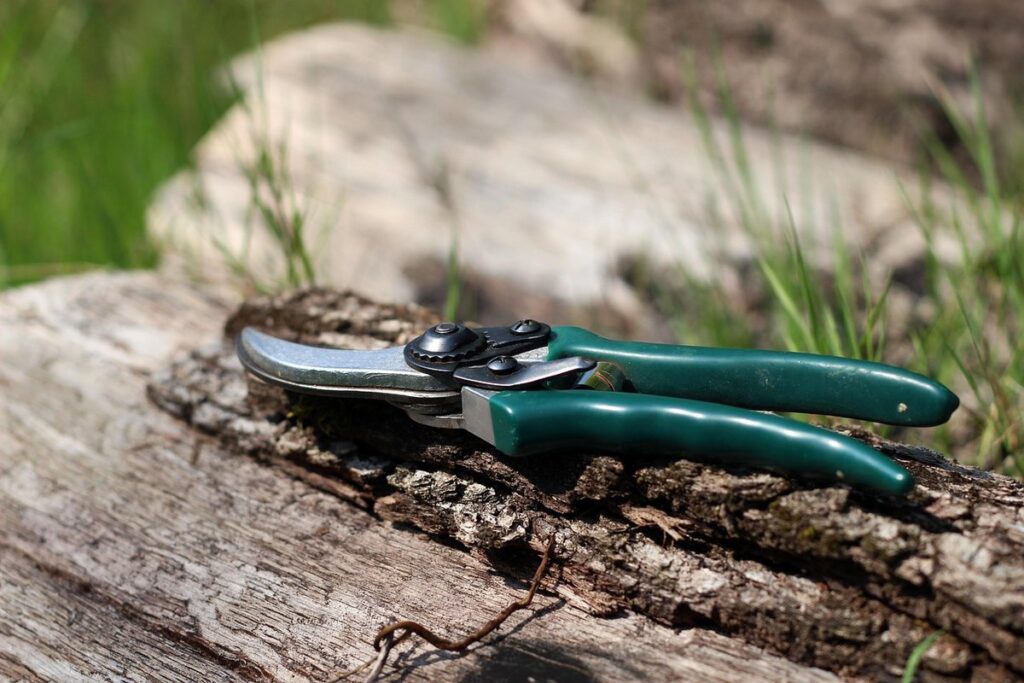
To embark on the wisteria pruning journey, you’ll need to gather the right tools for the job. Start with loppers – long-handled pruners ideal for cutting thicker branches (up to 2 inches thick). They’re essential for removing deadwood and reducing the plant’s overall size.
Next up are pruning saws, which come in handy when dealing with even thicker sections or those closer to the base of the plant. These specialized blades will help you make precise cuts without damaging surrounding tissue.
Wisteria vines can be quite unforgiving, so don’t forget protective gear: a good pair of gloves and safety goggles will shield your hands from thorns and any potential debris kicked up during pruning. Wear long sleeves and pants to minimize exposure to sap and thorns.
Lastly, consider investing in sturdy, comfortable gardening knee pads – they’ll provide relief for your knees while crouched over the plant. A well-stocked arsenal of wisteria-friendly tools will ensure a smooth, stress-free pruning experience and set you up for maximum bloom potential.
Safety Precautions for Pruning Wisteria
When tackling wisteria pruning, it’s essential to be aware of potential hazards and take necessary safety precautions. Entanglement is a significant risk when working with this vigorous climber, as its long, sinewy stems can quickly wrap around limbs or other objects, making it difficult to free yourself.
To avoid entanglement, always wear gloves and a long-sleeved shirt while pruning wisteria. Secure your pants with a wide leather belt or cord to prevent them from getting caught in the stems. Keep a pair of loppers or pruning shears handy for quick releases if you do get entangled.
Additionally, falling debris can be another concern when pruning heavy wisteria branches. Work beneath the area you’re pruning and clear any objects that could be damaged by falling branches. Be cautious not to touch your face or eyes after handling sap-stained tools or branches, as some people may experience allergic reactions to the plant’s sap.
Regularly inspect your tools for wear and tear, replacing them if necessary.
Basic Pruning Techniques
To get started, let’s focus on the basics: mastering pruning techniques is essential for a healthy and blooming wisteria, so we’ll cover the fundamentals first. We’ll break down these crucial skills step by step.
Removing Dead or Damaged Growth
When it comes to pruning wisteria, removing dead or damaged growth is an essential step to maintaining its overall health and encouraging new blooms. To identify these branches, simply inspect the plant, looking for areas with dry, brittle stems, or those that have broken off during strong winds.
Cut back any dead or damaged sections to about six inches from a healthy stem. This will help prevent the spread of disease and encourage new growth in its place. Be careful not to remove too much at once, as this can shock the plant and reduce flowering for the next season.
A delicate balance must be struck between removing old growth and preserving the existing structure. Prune no more than one-third of the plant’s branches each year to avoid stressing it too much. This will allow you to maintain a healthy framework while still promoting new blooms and a bountiful harvest of flowers. By doing so, your wisteria will continue to thrive for years to come.
Shaping the Plant for Aesthetics
When it comes to pruning wisteria for aesthetics, shaping the plant into a desired form can be just as rewarding as encouraging its abundant blooms. One popular technique is creating topiaries – spherical or oval shapes that are perfect for small gardens or containers. To achieve this look, start by cutting back the longest stems to about one-third of their length. This will help control the size and encourage new growth.
For a more dramatic effect, try shaping your wisteria into standards or obelisks. These can be achieved by pruning the main stem to create a single trunk, then training the sides to grow upwards towards a support. Use wire ties or twine to gently guide the stems in place, making sure not to constrict them too much.
As you shape your wisteria, remember that patience is key – it may take several seasons for the plant to adjust and conform to its new form. But with regular pruning and care, you’ll be rewarded with a stunning display of blooms and a beautifully shaped specimen that adds visual interest to any garden or landscape.
Advanced Pruning Strategies
Now that you’ve mastered the basics, let’s dive into some advanced pruning strategies for maximizing your wisteria blooms and maintaining its stunning shape.
Renovation Pruning for Mature Plants
Renovating mature wisteria plants requires careful attention to re-establish a central leader and promote new shoots. This process involves removing old growth to encourage vigorous renewal. Begin by inspecting the plant for dead, diseased, or damaged stems. Cut these back to about 3-4 feet from the ground using sharp, clean pruning tools.
Next, identify the most vigorous and healthy canes, usually located on the south side of the plant. Select 2-3 of these and gently remove any weak or crossing branches. This will allow sunlight to penetrate and promote even growth. Cut the selected canes back by about one-third to encourage lateral branching.
Renovating mature wisteria can be challenging due to its vigorous nature, but patience is key. Regular pruning will help maintain shape, promote blooming, and prevent overgrowth. Keep in mind that renovation may cause a brief decline in flowering, so be prepared for this temporary setback. With proper care, your wisteria should thrive and bloom beautifully for years to come.
When renovating mature plants, it’s essential to monitor for potential challenges such as pest infestations or diseases. Regularly inspect the plant for signs of these issues and address them promptly to prevent further damage.
Encouraging Reblooming in Wisteria
To encourage reblooming in established wisteria, you’ll want to employ specific pruning techniques that stimulate new growth and flowering. One key strategy is to prune the plant in two stages: first, remove about one-third of the oldest canes to the ground in late winter or early spring, just before new growth begins. This allows for a surge of energy to flow into the remaining canes, promoting healthy growth and blooming.
Next, focus on encouraging lateral branching by cutting back select shoots to about half their length after flowering has completed. This encourages new growth from those nodes, which will ultimately produce blooms the following year. Fertilization also plays a crucial role: feed your wisteria with a balanced, slow-release fertilizer in early spring to provide essential nutrients for growth and blooming.
When it comes to environmental considerations, ensure your wisteria receives at least six hours of direct sunlight per day and has adequate moisture during the growing season. By implementing these strategies, you’ll be well on your way to coaxing a rebloom from your established wisteria.
Post-Pruning Care and Maintenance
After pruning your wisteria, it’s essential to provide proper care to encourage healthy growth and a vibrant bloom next season. This includes regular watering and fertilization.
Watering and Fertilizing After Pruning
After pruning your wisteria plant, it’s essential to provide proper care and attention to ensure a healthy recovery. This is where watering and fertilizing come into play. Proper hydration and nutrition are crucial during the recovery period to promote new growth and encourage future blooms.
When it comes to watering, make sure to keep the soil consistently moist but not waterlogged. Avoid getting too much water on the plant’s leaves or crown, as this can lead to fungal diseases. Water your wisteria deeply once a week, depending on weather conditions. If you’re in an area with high rainfall, reduce watering frequency to avoid overhydration.
As for fertilizing, now is the perfect time to provide your wisteria with essential nutrients. Use a balanced, water-soluble fertilizer (20-20-20) and follow the manufacturer’s instructions. Apply it once a month during the growing season, avoiding any fertilizers high in nitrogen that can promote excessive foliage growth at the expense of blooms.
To boost blooming potential, add a slow-release fertilizer specifically formulated for flowering plants like wisteria. Follow the package instructions for application rates to avoid overfertilizing, which can harm your plant’s roots.
Monitoring for Pests and Diseases
Monitoring for Pests and Diseases is crucial to maintaining the health of your wisteria plant. Regularly inspect your plant for signs of potential issues, such as aphids, spider mites, or powdery mildew. These pests can weaken the plant and reduce its ability to produce flowers.
Check for white, cottony patches on the underside of leaves, which could be a sign of mealybugs or scale insects. Inspect stems and branches for soft growth, which may indicate infestation by aphids or other sap-sucking insects. Yellowing or curled leaves can also be a sign of pest problems.
To prevent pests, keep your plant well-watered but not waterlogged, as this can attract unwanted insects. Regularly clean up any debris or dead flowers around the base of the plant, and avoid over-fertilizing, which can stress the plant and make it more susceptible to disease.
If you notice any signs of pest infestation, treat your plant with insecticidal soap or neem oil according to the product’s instructions. For diseases like powdery mildew, use a fungicide specifically designed for garden use. Early detection and treatment are key to preventing these issues from spreading and causing further damage.
Troubleshooting Common Issues
Don’t worry if you’re encountering problems with your wisteria – this section will walk you through common issues and practical solutions to get your plant thriving again.
Addressing Overgrowth and Congestion
Overgrown stems can be a major issue when dealing with mature wisteria. If you notice that some of your plant’s stems have become woody and are producing fewer blooms, it may be time to remove them. Start by cutting back these overgrown stems to about 3-4 feet from the ground. This will help reduce congestion in the plant and encourage new growth.
When addressing congested areas on your wisteria, look for branches that are crossing or rubbing against each other. These areas can become weak spots, making it difficult for the plant to thrive. To resolve this issue, carefully remove any crossing branches, cutting them back to a main stem or lateral branch. This will help improve air circulation and reduce the risk of disease.
In some cases, you may notice that certain branches have died off completely. While this can be disheartening, it’s an opportunity to prune your wisteria more heavily and encourage new growth. Cut these dead branches back to the base, making sure to remove any weak or diseased wood in the process. This will help prevent the spread of disease and promote healthy growth for years to come.
Reviving a Wisteria Plant That’s Not Blooming
If you’ve recently pruned your wisteria plant but it’s not blooming as expected, don’t worry – this is a common issue that can be easily resolved. Insufficient sunlight is one possible reason why your wisteria may not be blooming. Wisteria plants require at least six hours of direct sunlight per day to produce flowers. If your plant is receiving partial shade or indirect light, it may not have the necessary energy to produce blooms.
Inadequate care can also hinder flowering. Make sure you’re watering and fertilizing your wisteria regularly during the growing season. Improper pruning practices can also lead to a lack of blooming. If your wisteria has been heavily pruned in the past, it may take time for new growth to develop. To encourage blooming, allow your plant to grow undisturbed for at least two years after pruning before cutting back again. This will give the plant time to focus on producing flowers rather than new foliage.
Conclusion
Now that we’ve covered the basics of wisteria pruning, let’s summarize what you need to do to keep your plant thriving and blooming beautifully. Review our top takeaways here!
Recap of Key Takeaways
When it comes to effectively pruning your wisteria, remember these key takeaways: First and foremost, timing is crucial – aim for late winter or early spring when the plant is dormant. This allows you to assess and control its growth without causing unnecessary stress.
To ensure a bountiful bloom, avoid cutting back too much of last year’s wood, as this can reduce flower production. Instead, focus on selectively removing dead, diseased, or damaged branches. Keep in mind that wisteria is a vigorous grower, so regular pruning will help maintain its shape and encourage new growth.
Prioritize your safety by wearing protective gear – gloves, long sleeves, and safety glasses will shield you from thorns and potential injuries. Don’t forget to remove any debris or cuttings to prevent the spread of disease and pests.
After pruning, provide your wisteria with optimal growing conditions: plenty of sunlight, well-draining soil, and consistent watering. With attention to these details, you’ll be rewarded with a stunning display of vibrant blooms that will leave your neighbors in awe. By following this guide’s key takeaways, you’ll set yourself up for success and enjoy the beauty of your wisteria for years to come.
Additional Resources for Further Learning
If you’re eager to master the art of wisteria care and take your pruning skills to the next level, we’ve got you covered. Here are some additional resources to help you continue learning:
Consider visiting online forums like GardenWeb or Reddit’s r/gardening community, where experts and enthusiasts share their knowledge on wisteria care, pruning techniques, and problem-solving tips. Joining these communities will allow you to ask questions, receive feedback on your work, and learn from others who share similar interests.
Take a look at the websites of reputable nurseries or botanical gardens that specialize in wisteria cultivation. Sites like the American Horticultural Society or the Wisteria Society offer valuable resources on pruning techniques, plant identification, and propagation methods.
To dive deeper into wisteria care, you can also explore online courses or workshops on platforms like Coursera, Udemy, or Skillshare. These educational resources cover a range of topics, from basic gardening to advanced horticulture practices, ensuring that there’s something for every skill level.
By tapping into these additional resources, you’ll be well-equipped to tackle even the most challenging wisteria pruning projects and enjoy stunning blooms year after year.
Frequently Asked Questions
Can I prune my wisteria in the winter if it’s not actively growing?
Yes, pruning your wisteria during its dormant season (winter) is acceptable for maintenance tasks like removing dead or damaged growth. However, avoid major pruning that affects flowering performance until spring.
How often should I water my wisteria after pruning to prevent stress and promote new growth?
After pruning, it’s essential to maintain consistent moisture levels around your wisteria plant. Water regularly, but make sure the soil drains well to prevent root rot. Aim for about 1-2 inches of water per week, either through rainfall or irrigation.
What are some common mistakes to avoid when renovating a mature wisteria plant?
When renovating a mature wisteria, it’s crucial not to remove too much growth at once. This can shock the plant and lead to reduced blooming performance. Prune judiciously, focusing on removing only the oldest or most damaged stems.
How do I prevent pest infestations after pruning my wisteria?
To minimize the risk of pests like aphids, whiteflies, and spider mites, keep your pruned wisteria plants clean by disposing of any debris. Regularly inspect for signs of infestation and treat promptly if necessary. Consider using neem oil or insecticidal soap as preventative measures.
Can I still get blooms on my wisteria this season after pruning, or will it be next year?
Pruning your wisteria can promote new growth and blooming performance in the same growing season. However, if you’ve done extensive renovation pruning, it may take some time for the plant to recover and produce flowers. Be patient, as wisteria typically blooms on last year’s wood.