
Lemon flower buds are often overlooked in favor of their more prominent citrus counterparts, but they’re truly a treasure trove waiting to be explored. Not only do they add a burst of citrusy freshness to dishes and drinks, but they also possess impressive medicinal properties that make them worth getting to know. From using them as a natural remedy for stress and anxiety to incorporating them into DIY crafts and decorations, the possibilities are endless. In this article, we’ll delve into the sweet and fragrant world of lemon flower buds, covering their culinary uses, medicinal benefits, creative projects, and expert preserving tips. Whether you’re a seasoned gardener or a curious home cook, get ready to discover the versatility and charm of these tiny, yet mighty, citrus wonders.
What Are Lemon Flower Buds?
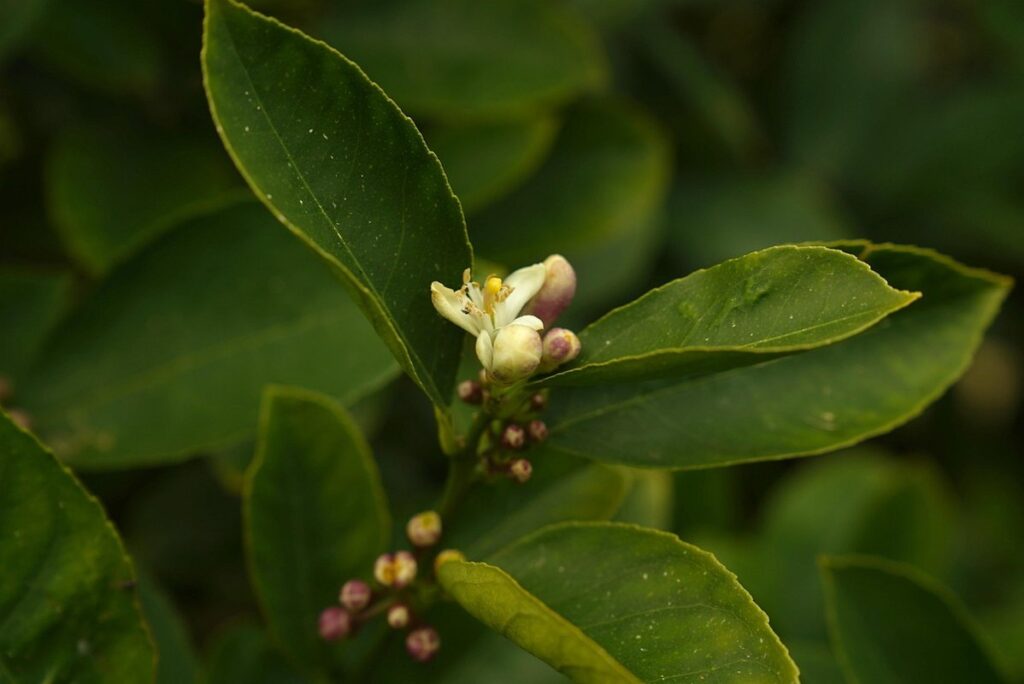
Lemon flower buds are a fascinating and lesser-known aspect of citrus cultivation, but what exactly are they and how do they contribute to the plant’s life cycle. Let’s explore their role together.
Types of Lemon Trees That Produce Buds
There are several types of lemon trees that produce fragrant flower buds, each with its unique characteristics and flavor profiles. The Eureka lemon tree, for instance, is a popular variety known for its high acidity and sweet aroma. Its flowers are particularly notable for their intense citrus scent, making them a favorite among gardeners and aromatherapy enthusiasts.
Another popular type is the Lisbon lemon tree, which produces buds with a sweeter and more delicate fragrance compared to Eureka. These trees are also known for their high yield and disease resistance, making them an excellent choice for home growers.
If you’re looking for something new to try, consider planting a Meyer lemon tree. This variety offers a unique blend of lemon and orange flavors in its buds, which can add a fascinating twist to your cooking or baking projects.
Remember that when growing lemon trees, proper pruning techniques are essential to encourage blooming and bud formation. Regular watering, fertilization, and protection from extreme temperatures will also help promote healthy growth and fragrant blooms. By choosing the right variety for your climate and needs, you can enjoy a bountiful harvest of these delightful flowers every year.
Characteristics of Fresh vs. Dried Lemon Flower Buds
When it comes to lemon flower buds, you’ll often come across two forms: fresh and dried. While both have their unique characteristics, they also offer distinct advantages and uses.
Fresh lemon flower buds are typically more vibrant and fragrant than their dried counterparts. They retain a delicate green or yellow hue and emit an intense citrus aroma when crushed or bruised. In cooking, fresh lemon flower buds can be used to add a subtle citrus flavor to dishes like salads, desserts, and beverages. However, they have a relatively short shelf life and must be stored in the refrigerator to maintain their potency.
Dried lemon flower buds, on the other hand, are more concentrated and retain their fragrance for an extended period. They can be brewed as a tea or used whole in potpourri blends, adding a sweet and uplifting scent to any room. Dried buds also make excellent additions to homemade cleaning products, like natural air fresheners and all-purpose cleaners. When choosing between the two, consider your desired use: fresh for culinary purposes and dried for fragrance and crafts.
In terms of storage, it’s essential to keep both forms away from direct sunlight and moisture to preserve their quality and longevity.
Benefits and Uses of Lemon Flower Buds
You’re probably eager to learn more about how you can use lemon flower buds in your daily life, and we’ve got some exciting benefits to share with you. From culinary delights to beauty treatments, there’s so much potential!
Culinary Uses for Lemon Flower Buds
Lemon flower buds are a treasure trove of culinary delights waiting to be unlocked. Not only do they add an unmistakable fragrance and flavor to various dishes, but their delicate aroma also pairs perfectly with an array of ingredients. To start experimenting with lemon flower buds in your cooking, let’s explore some mouth-watering options for teas, desserts, and savory dishes.
For a soothing evening tea, infuse dried lemon flower buds into hot water along with a few sprigs of fresh mint leaves to create a refreshing and citrusy brew. Alternatively, steep the buds in white tea or herbal blends like chamomile for a fragrant twist on classic flavors. In baking, use the subtle sweetness of lemon flowers to enhance lemon bars, cakes, and muffins by incorporating dried buds into the batter.
When it comes to savory dishes, try sprinkling freshly harvested lemon flower buds over roasted vegetables like asparagus or Brussels sprouts for an elegant and aromatic touch. You can also mix them with olive oil, garlic, and herbs to create a fragrant marinade for grilled meats or seafood. For a unique twist on traditional pesto, blend lemon flower buds with basil, parmesan, and pine nuts to make a delectable sauce perfect for pasta dishes.
When working with lemon flower buds in your cooking, be sure to use them fresh whenever possible and store them properly to maintain their fragrance and flavor. A gentle hand is key when handling these delicate buds – bruising or crushing can lead to loss of essence, so treat them gently while incorporating them into your recipes.
Medicinal Properties of Lemon Flower Buds
Lemon flower buds are not only a delight to the senses with their sweet fragrance and delicate appearance, but they also possess remarkable medicinal properties that have been harnessed for centuries. These tiny buds contain high levels of essential oils, including limonene, which is responsible for their antiseptic properties.
Studies have shown that lemon flower buds exhibit potent antimicrobial activity against a wide range of bacteria, viruses, and fungi, making them an effective natural remedy for wound care and skin infections. The anti-inflammatory properties of lemon flower buds also make them an excellent treatment for soothing sore throats, coughs, and colds. Furthermore, the antioxidant-rich compounds in these tiny buds have been found to neutralize free radicals, protecting cells from damage and promoting overall well-being.
To harness the medicinal properties of lemon flower buds, simply infuse a few fresh or dried buds in hot water to create a soothing tea that can be enjoyed as is or used as a base for homemade salves and lotions.
How to Grow and Harvest Lemon Flower Buds
To successfully grow and harvest lemon flower buds, you’ll need to pay close attention to your tree’s pruning needs and optimal harvesting times.
Planting and Caring for Lemon Trees
When planting lemon trees for optimal flower production, it’s essential to start with healthy trees. Choose a location that receives full sun and has well-draining soil. Lemon trees prefer slightly acidic soil, so consider adding organic matter like compost or citrus mix to the soil.
Water your tree regularly, but avoid overwatering, which can lead to root rot and other problems. A young lemon tree needs about 1-2 gallons of water per week, depending on climate and soil type. As your tree matures, it will require more frequent watering during dry spells.
Fertilize your lemon tree every 2-3 months with a citrus-specific fertilizer. This will provide essential nutrients for growth and flower production. Prune your tree annually to maintain shape and promote healthy growth. Remove any dead or diseased branches, as these can affect the overall health of the tree. With proper care, your lemon tree should begin producing fragrant flowers in about 2-3 years, providing you with an abundance of sweet-smelling buds for enjoyment and cooking.
When and How to Harvest Lemon Flower Buds
When it comes to harvesting lemon flower buds, timing is everything. The ideal time to harvest is early morning, after the dew has dried but before the sun gets too hot. This ensures that the buds are at their peak fragrance and flavor.
To identify ripe buds, gently touch them. If they feel slightly soft to the touch, they’re ready to be harvested. Avoid squeezing or pinching the buds, as this can damage the delicate flower stems and cause unnecessary stress to the tree.
For a gentle harvest, use scissors or pinch off the buds with your fingers. Cut just above a leaf node, making sure not to leave any stubs behind. You can also use a small pruning tool to snip the stem at an angle, which helps prevent water from collecting on the cut end and promoting disease.
Harvesting lemon flower buds by hand is not only essential for maintaining tree health but also ensures that you get the best quality buds. With practice, you’ll develop a keen sense of when to harvest and how to do it without harming your beautiful citrus tree.
DIY Crafts and Gift Ideas Using Lemon Flower Buds
Add a touch of elegance and fragrance to your handmade gifts by learning how to create beautiful crafts using lemon flower buds in various DIY projects. We’ll show you some lovely ideas!
Potpourri and Decorative Projects
Lemon flower buds are not just for cooking and perfumery; they also make a beautiful addition to potpourri blends and decorative projects. When it comes to crafting with lemon flower buds, the possibilities are endless.
For a bright and airy potpourri blend, combine dried lemon flower buds with other fragrant flowers like lavender and rose petals. You can also add a few sprigs of fresh mint or lemongrass for an extra burst of citrus flavor. To make your own potpourri blend, simply layer the ingredients in a decorative bowl or jar and let them dry together for a few days.
For a more elaborate project, try making a lemon-themed wreath using dried flower buds as the main attraction. You can use wire or foam to create the base of the wreath and then tie the dried buds onto it with ribbon or twine. Add some greenery like eucalyptus or ferns for a lush look.
To give your potpourri blend an extra touch, consider adding other natural elements like pinecones, cinnamon sticks, or star anise. These ingredients not only add fragrance but also texture and visual interest to the mix. When it comes to displaying your finished project, choose a spot where you can enjoy its beauty and fragrance every day.
Remember, lemon flower buds are delicate, so handle them gently when working with them.
Edible and Herbal Gifts
If you’re looking for a unique gift that combines flavor and fragrance, consider creating edible and herbal gifts using lemon flower buds. One idea is to make candied lemon flowers, which are a stunning and delicious addition to baked goods or cocktails. To do this, simply dip the lemon flowers in a hot sugar syrup and let them dry. You can also infuse oils with the citrusy flavor of lemon flowers by steeping them in a neutral oil like grapeseed or sweet almond oil.
For herbal gifts, consider making teas or tinctures using lemon flower buds. Lemon flower tea is said to have calming properties and can be made by steeping dried lemon flowers in hot water. To make a tincture, combine the dried flowers with a high-proof liquor like vodka or glycerin and let it sit for several weeks before straining and bottling. This makes for a thoughtful gift that’s both fragrant and flavorful.
How to Dry and Preserve Lemon Flower Buds
To dry and preserve lemon flower buds, follow these simple steps to keep their delicate fragrance and beauty intact for months to come. This way, you can enjoy them all year round!
Air Drying vs. Oven Drying Methods
When it comes to preserving lemon flower buds, you have two main methods at your disposal: air drying and oven drying. Both techniques can produce excellent results, but they differ significantly in terms of time, effort, and desired outcome.
Air drying is the more natural approach, allowing the flower buds to dry slowly over several days or weeks. This method helps retain the delicate flavor and aroma of the buds, making them perfect for using in tea blends or potpourri. To air-dry lemon flower buds effectively, tie them in small bunches and hang them upside down in a warm, dry area away from direct sunlight.
On the other hand, oven drying is faster but requires more attention to detail. Preheat your oven to its lowest temperature setting (usually around 150°F). Place the flower buds on a baking sheet lined with parchment paper and leave the oven door slightly ajar. Check on them every hour or so until they’re completely dry, which should take about 2-3 hours.
Storage and Handling Tips
Once you’ve dried your lemon flower buds to perfection, it’s essential to store them properly to preserve their delicate flavor and aroma. Store dried lemon flower buds in airtight containers, such as glass jars with tight-fitting lids or ceramic containers with silicone seals. This will protect the buds from moisture, which can cause them to become stale or develop off-flavors.
To maintain optimal humidity levels, consider using silica gel packets or desiccants inside your storage container. These absorb excess moisture, ensuring that the buds remain dry and fragrant. You can also store dried lemon flower buds in the refrigerator to keep them fresh for an extended period. Simply place the containers in a sealed plastic bag and store them in the fridge at a temperature below 40°F (4°C).
When storing dried lemon flower buds, make sure they are completely cool before sealing the container. This will prevent moisture buildup and spoilage. With proper storage, your dried lemon flower buds can remain fragrant and flavorful for up to six months.
Conclusion
As you’ve journeyed through the fascinating world of lemon flower buds, let’s summarize what we’ve learned and distill our findings into a few key takeaways.
Recap of Key Takeaways
In reviewing our journey through the sweet and fragrant world of lemon flower buds, it’s clear that these delicate wonders offer a multitude of benefits. Not only do they possess a sweet, citrusy scent, but they also hold various uses in cooking, perfumery, and even medicine.
As we explored, lemon flower buds can be used to create fragrances for soap-making, potpourri, and other crafts. They add a light, airy quality to homemade products, making them perfect for those seeking an all-natural approach to beauty and wellness.
When it comes to care tips, remember that these delicate buds require gentle handling and storage conditions. Keep them in an airtight container away from direct sunlight and heat sources. When using lemon flower buds in recipes or crafts, be sure to use only the highest quality products to ensure optimal results.
To get the most out of your lemon flower bud experience, consider experimenting with different recipes and applications. Add a few drops of lemon essential oil to a homemade candle for an uplifting scent, or infuse your favorite tea blend with dried buds for a refreshing twist.
Final Thoughts and Inspiration
As you’ve learned about the wonderful world of lemon flower buds, we hope you’re inspired to integrate them into various aspects of your life. From cooking and crafting to health and wellness practices, there are countless ways to harness their sweet fragrance and benefits.
Consider infusing lemon flower water into your favorite recipes for an added twist of citrus flavor. Add a few sprigs to salads or desserts for a burst of freshness. You can also use them in potpourri blends or as a natural air freshener.
In the realm of health, lemon flower buds have been shown to possess anti-inflammatory properties and promote relaxation. Steep a tea by adding dried buds to boiling water for a calming beverage. Or, try incorporating them into your skincare routine for their potential skin-soothing benefits.
Lastly, get creative with lemon flower buds in crafts! Use them to make wreaths, garlands, or other decorations that fill your space with their delightful scent. With a little imagination, the possibilities are endless.
Frequently Asked Questions
How do I store lemon flower buds to maintain their fragrance and potency?
To preserve the aroma and medicinal properties of lemon flower buds, store them in airtight containers, such as glass jars or paper bags, away from direct sunlight and moisture. Keep them in a cool, dry place, like a pantry or cupboard.
Can I use dried lemon flower buds for culinary purposes, or are they only suitable for potpourri?
Dried lemon flower buds can be used for both culinary and decorative purposes. They add a subtle citrus flavor to teas, soups, and desserts, making them a versatile ingredient in cooking. Simply rehydrate the buds by steeping them in hot water or using them as a garnish.
How do I dry lemon flower buds effectively to retain their medicinal properties?
Air drying is a simple and effective method for preserving lemon flower buds. Tie the stems together and hang them upside down in a warm, dry place with good air circulation. Avoid direct sunlight, which can cause fading or discoloration. Monitor the buds’ color change from green to light brown, indicating they’re dry.
Are lemon flower buds safe for children and pets to be around?
Lemon flower buds are generally considered non-toxic, but it’s essential to exercise caution when using them in crafts or decorations with young children or pets. Wash your hands thoroughly after handling the buds, and ensure pets can’t access them if used as a decorative element.
Can I grow lemon trees indoors using lemon flower buds?
Yes, you can propagate new lemon tree plants from lemon flower buds. However, success rates are lower compared to stem cuttings or seedlings. Ensure the bud has at least two sets of leaves and plant it in well-draining soil with adequate light and water.