
Ground cherry plants are a delight to grow, but if not pruned correctly, they can become leggy, produce less fruit, and even be more susceptible to disease. If you’re like many gardeners, you want to get the most out of your ground cherry harvest while keeping your plant healthy and thriving. Pruning is an essential part of this process, but it’s often misunderstood or overlooked. In this article, we’ll guide you through the best pruning techniques for ground cherries, when to prune for optimal fruit yield, and how to care for your plant after pruning. By the end of this comprehensive guide, you’ll be equipped with the knowledge to improve your ground cherry harvest and keep your plants happy and healthy throughout the growing season.
Benefits and Importance of Pruning
Pruning is a crucial aspect of ground cherry care, offering numerous benefits that can boost yields, prevent disease, and even extend the plant’s lifespan. Let’s explore these advantages in more detail.
Improving Fruit Yield
Pruning is one of the most effective ways to promote fruiting in ground cherry plants. By strategically removing select branches and leaves, you can redirect the plant’s energy towards producing more fruit. One key technique is to remove weak and spindly growth, which can divert nutrients away from the main stem and flowers.
When pruning for improved fruit yield, focus on thinning out branches to allow for better air circulation and sunlight penetration. This will help prevent disease and promote even ripening of fruits. For example, prune back about one-third of the plant’s canopy in late winter or early spring to stimulate new growth and encourage more flower production.
Also, consider removing any suckers that grow from the base of the plant, as they can compete with the main stem for resources. By carefully pruning these weak growths, you’ll be able to funnel more energy into fruiting branches, leading to increased yields.
Enhancing Plant Structure
When pruning ground cherries, it’s essential to consider not only the removal of unwanted growth but also how this can enhance the plant’s overall structure. By pruning correctly, you can improve air circulation within the plant, reducing the risk of disease and promoting healthy growth.
Pruning will also make harvesting easier by creating a more open and accessible canopy. To achieve this, focus on removing any interior branches that are competing for light and resources. These should be cut back to about one-third to encourage new growth from the center of the plant. This process is called “central leader pruning.” By doing so, you’ll create a balanced structure with a clear central leader.
Additionally, prune any weak or spindly shoots as soon as they appear to prevent them from taking over and depleting the plant’s energy. Regular pruning will encourage bushy growth and help maintain your ground cherry’s natural shape. This attention to detail may require some patience but is well worth it for healthier, more productive plants in the long run.
Pre-Pruning Preparation
Before you start pruning, make sure your ground cherry plant is ready. This means giving it a thorough check for pests and diseases to avoid spreading problems during the pruning process.
Choosing the Right Tools
When it comes to pruning ground cherry plants, having the right tools can make all the difference. As you prepare for this essential step in plant care, let’s take a closer look at the essential equipment you’ll need.
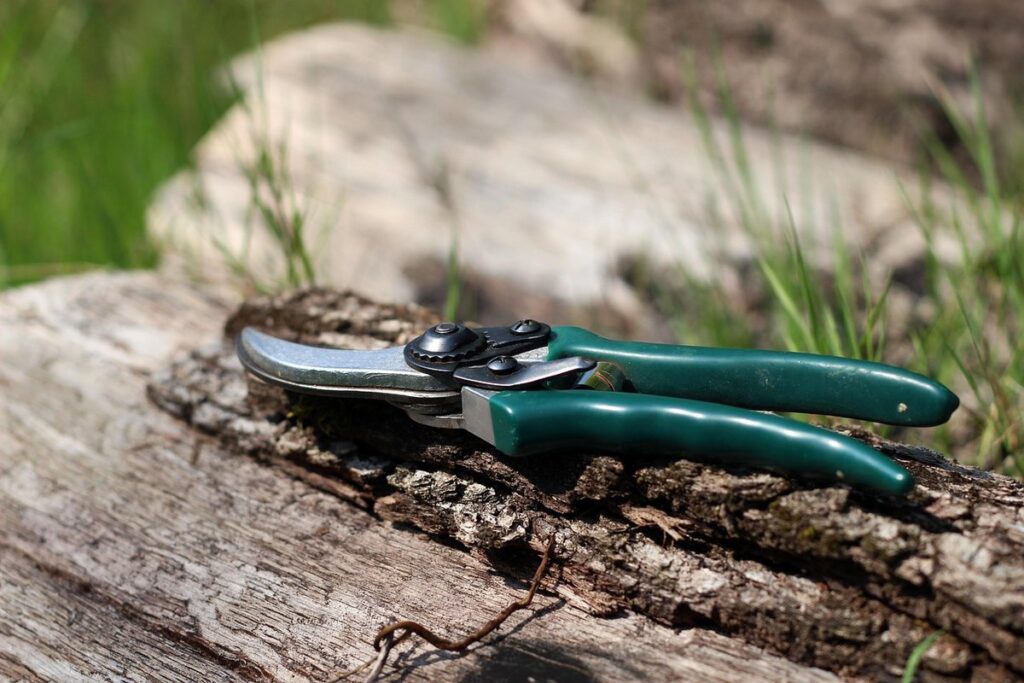
First and foremost, hand pruners are an absolute must-have. Look for ones with sharp blades that will allow you to make clean cuts without damaging the plant tissue. A good pair of loppers is also necessary for thicker branches that your hand pruners can’t quite handle. As a general rule, opt for long-handled loppers to give you more leverage and control.
It’s also crucial to have a good pruning saw on hand. A sharp saw will make quick work of thicker branches, while a dull one can cause damage to the plant. Consider investing in a pruning saw with interchangeable blades, which will allow you to tackle a range of branch sizes without needing multiple tools.
To ensure your tools remain in top condition, remember to regularly clean and oil them after use. This simple maintenance step will extend their lifespan and keep them performing optimally year after year. By choosing the right tools for the job, you’ll be well on your way to successful ground cherry pruning.
Selecting the Best Time to Prune
When it comes to pruning your ground cherry plant, timing is everything. The best time to prune depends on several factors, including the plant’s age, climate, and region. Younger plants typically require more frequent pruning to control their growth and encourage a bushy shape.
For ground cherry plants in cooler climates or areas with shorter growing seasons, spring pruning (late March to early May) is ideal. This allows the plant to focus its energy on producing fruit during the warmer months. In contrast, plants grown in warmer climates can be pruned in late summer or early fall (August to September), as this will help prevent the plant from putting too much energy into new growth at a time when it’s less likely to produce fruit.
As your ground cherry plant matures, you’ll want to prune it more minimally. Pruning established plants too heavily can stress them and reduce their productivity. Instead, focus on removing any dead or diseased wood, cutting back overgrown branches by one-third, and thinning out the center of the plant to improve air circulation.
Keep in mind that ground cherry plants typically produce two harvests: one in mid-to-late summer and a second smaller crop in late fall. Pruning at the right time will help you enjoy these bountiful harvests while maintaining your plant’s overall health and productivity.
Techniques for Pruning Ground Cherry
When pruning your ground cherry, timing and technique are crucial. In this next step, we’ll explore key methods to trim back your plant while encouraging optimal growth.
Reducing Branch Length
Reducing branch length is an essential part of pruning ground cherry plants to maintain their health and promote fruit production. When deciding which branches to cut back, look for those that are long and leggy, or those that are growing inward toward the center of the plant. These types of branches can be trimmed to encourage bushy growth and increase air circulation.
When cutting back a branch, make sure to use sharp, clean pruning tools to prevent spreading disease. Cut just above a growth node, using a 45-degree angle cut. This will help the plant heal quickly and reduce the risk of decay.
In general, it’s best to prune ground cherry branches in late winter or early spring, before new growth begins. This allows you to see the branch structure clearly and make more informed pruning decisions. By reducing branch length and promoting bushy growth, you’ll be able to encourage your ground cherry plant to produce more fruit and maintain its overall health.
Removing Dead or Damaged Wood
When pruning ground cherry plants, it’s essential to identify and remove dead or damaged wood to prevent disease spread and maintain plant health. Diseased or damaged branches can serve as a gateway for pathogens, such as fungal spores or bacteria, to enter the plant, leading to further decay and potentially killing the entire plant.
To inspect your ground cherry plant for dead or damaged wood, carefully examine the stems and branches for signs of decay, cracks, or splits. Look for areas with discoloration, brittleness, or soft spots that can be easily broken off. Remove any sections showing these characteristics using sterile pruning tools to prevent cross-contamination.
When removing affected areas, make clean cuts just above a growth node, about 1/4 inch from the point of removal. This will help the plant heal quickly and minimize the risk of disease entering through the wound. Be cautious not to damage nearby healthy tissue while making these cuts.
Pruning Specific Varieties
When pruning specific varieties of ground cherries, it’s essential to consider their unique growth habits and characteristics to ensure optimal results. This includes understanding differences in bloom times and branch structures.
Miniature Ground Cherry Varieties
When it comes to pruning miniature ground cherry varieties, precision is key. Due to their compact size, these tiny plants require more delicate handling than their larger counterparts. To prune them effectively, start by examining the plant’s overall shape and removing any dead or damaged branches. This will help maintain a balanced appearance and promote healthy growth.
When pruning individual stems, focus on making clean cuts just above a bud or node using sharp, sterile pruning tools. Avoid cutting too much of the stem at once, as this can shock the plant and lead to reduced fruit production. Instead, make multiple small cuts over several days to encourage new growth.
One popular miniature ground cherry variety is ‘Red Hinchinbrook’, which produces small, red fruits in abundance. To prune these plants, remove any weak or spindly stems, and trim back longer branches by about one-third to maintain a compact shape. This will help direct the plant’s energy towards fruit production rather than vegetative growth.
By pruning miniature ground cherry varieties with care and attention to detail, you can encourage them to thrive in even the smallest of spaces.
Standard Ground Cherry Varieties
When it comes to pruning standard ground cherry varieties, you’ll need to adapt your techniques to meet their unique needs. These plants are typically more compact and produce smaller fruit than their dwarf counterparts. To encourage healthy growth and maximize production, prune them regularly throughout the growing season.
Start by removing any dead or damaged branches in late winter or early spring. This will help prevent disease from spreading and promote new growth. Next, trim back the tips of the stems to about 6-8 inches from the ground. This will encourage branching and increase fruiting.
During the growing season, inspect your plants regularly for signs of overgrowth or suckers. Remove any weak or spindly growths that are competing with the main stem for resources. This will help direct the plant’s energy towards producing healthy fruit rather than supporting excessive vegetative growth. By pruning standard ground cherry varieties in this way, you’ll be able to promote a balanced and productive plant.
Post-Pruning Care
After pruning your ground cherry, it’s essential to provide proper care to ensure a bountiful harvest and healthy plant. This includes regular watering, fertilization, and monitoring for pests and diseases.
Watering and Fertilization
After pruning your ground cherry plant, it’s crucial to provide it with adequate watering and fertilization to ensure healthy regrowth. A well-watered plant is better equipped to absorb nutrients from the soil, promoting vigorous growth and fruit production.
Watering schedules for post-pruning care typically involve maintaining consistent moisture levels in the top 2-3 inches of soil. Check the soil daily by inserting your finger into it; if it feels dry, it’s time to water. Aim to provide about 1 inch of water per week, either through rainfall or irrigation. Avoid overwatering, which can lead to root rot and other issues.
For fertilization, choose a balanced, water-soluble fertilizer (20-20-20 NPK) and follow the manufacturer’s instructions for application rates. You can also consider using a fruit tree-specific fertilizer to promote healthy fruit production. For example, a fertilizer with high potassium content (such as 10-10-20 NPK) will encourage fruiting and flowering.
Monitoring for Pests and Diseases
After pruning your ground cherry plants, it’s essential to keep an eye out for signs of pests and diseases that can compromise their health. Common issues include aphids, whiteflies, spider mites, and scale insects, which can be identified by sticky honeydew droplets on leaves or a fine webbing on the plant.
To address these problems, inspect your plants regularly, checking for any unusual growths, discoloration, or holes in leaves. If you notice any issues, treat them promptly with neem oil or insecticidal soap. For more severe infestations, consider using horticultural oil or introducing beneficial insects like ladybugs or lacewings to control the pest population.
Diseases such as powdery mildew, leaf spot, and root rot can also affect ground cherries after pruning. Look for symptoms like white, powdery patches on leaves, yellowing or browning of foliage, or soft, mushy stems. To prevent the spread of disease, remove any infected plants immediately, dispose of them properly, and maintain good air circulation around your plants.
For diseases already present, treat with fungicides specifically labeled for use on ground cherries. Always follow label instructions carefully to avoid further harm.
Common Mistakes to Avoid
When pruning ground cherries, it’s easy to make mistakes that can harm your plants. Let’s go over some common errors to watch out for and avoid in the next section.
Over-Pruning
Over-pruning is a common mistake that can have severe consequences for your ground cherry plants. It’s essential to recognize when your plant requires minimal intervention and avoid unnecessary stress caused by excessive pruning.
When left unchecked, over-pruning can weaken the plant’s defense mechanisms, making it more susceptible to pests and diseases. This can lead to a decline in fruit production and overall plant health. For instance, if you prune more than 20% of the plant’s foliage in one go, it may take months for the plant to recover.
To avoid over-pruning, observe your ground cherry plants regularly and identify areas that require pruning. Instead of cutting back entire branches, focus on removing individual leaves or stems that are damaged or diseased. This approach will allow you to maintain a healthy balance between promoting growth and preventing stress. Remember, it’s always better to err on the side of caution when it comes to pruning your ground cherry plants.
By adopting this approach, you’ll be able to enjoy a bountiful harvest while keeping your plants thriving for years to come.
Under-Pruning
Under-pruning can be just as detrimental to ground cherry plants as over-pruning. When you don’t remove enough branches and leaves, it can lead to a reduction in yields, weaker plant growth, and increased susceptibility to diseases.
So, how do you know if your ground cherry plant is suffering from under-pruning? Look for signs such as:
• Reduced fruit production
• Weak or spindly growth
• Leaves that are too large or crowded
• An increase in pest or disease issues
To avoid under-pruning, focus on maintaining a balanced structure by removing select branches and leaves. Prune your ground cherry plant to promote air circulation and sunlight penetration.
Here’s how:
- Remove any dead or damaged branches.
- Thin out crowded areas to allow for better airflow.
- Cut back leggy growth to encourage bushy development.
- Prune fruiting branches after they’ve finished producing, but before the new growth starts. This will help redirect energy towards new fruit production.
By avoiding under-pruning and making these adjustments, you’ll be well on your way to a healthy, productive ground cherry plant.
Conclusion
In conclusion, pruning your ground cherry plants is an essential step in maintaining their health, promoting fruiting, and encouraging bushy growth. By following the techniques outlined in this guide, you’ll be able to successfully prune your plants and enjoy a bountiful harvest of delicious ground cherries. Remember, patience and regular maintenance are key – prune your plants regularly throughout the growing season to prevent overgrowth and encourage new growth. With practice, you’ll become more comfortable with pruning and be able to tailor your techniques to suit the specific needs of your plants. Whether you’re a seasoned gardener or just starting out, this guide has provided you with the knowledge and skills necessary to prune your ground cherry plants like a pro.
Frequently Asked Questions
What’s the ideal pruning schedule for ground cherry plants to ensure optimal fruit yield throughout the growing season?
The best time to prune ground cherries is during their dormant season, typically from late winter to early spring. Prune your plants about 1-2 months before new growth begins. This allows the plant sufficient time to recover and focus energy on producing fruit during the main growing season.
Can I still get a good harvest if I miss the optimal pruning window?
Yes, even if you miss the ideal pruning window, it’s not too late to prune your ground cherry plants for a decent harvest. However, keep in mind that delayed pruning may reduce overall yields and potentially lead to a smaller crop size. Prune as soon as possible after realizing the importance of pruning in your ground cherry care routine.
How can I tell if my ground cherry plant is over-pruned or under-pruned?
Over-pruning occurs when you remove too much foliage, leaving the plant vulnerable to disease and reducing its ability to photosynthesize. Signs include sparse new growth, yellowing leaves, or an overall decline in plant health. Under-pruning, on the other hand, means not removing enough weak branches, which can lead to reduced fruit yield and increased susceptibility to pests.
What are some common mistakes ground cherry growers make when pruning their plants?
A few common errors include: over-pruning, which can stress the plant; under-pruning, leading to reduced yields; and failing to remove dead or damaged wood. Make sure to prune your ground cherries regularly throughout the growing season to maintain optimal health and productivity.
Can I use any old gardening tool for pruning my ground cherry plants?
No, it’s essential to choose a high-quality pair of pruning shears specifically designed for plants with delicate stems, like ground cherries. Avoid using dull or rusty tools that can cause damage to your plant’s tissues, potentially leading to disease or infection.