
Are you ready to unlock the secrets of one of Japan’s most prized citrus fruits? The yuzu citrus plant is a game-changer in the world of gardening and cooking. Not only does it produce a tart and aromatic fruit, but its leaves are also steeped in history and have numerous cosmetic benefits. As a beginner or seasoned gardener, you’re probably wondering how to care for this delicate yet resilient plant.
In this article, we’ll take you on a journey through the ins and outs of yuzu citrus plant care, including growing requirements, culinary uses, and common problems. We’ll cover everything from pruning and watering techniques to its surprising skin and hair benefits. Whether you’re looking to grow your own yuzu tree or simply want to learn more about this incredible fruit, we’ve got expert guidance and tips to help you get started and make the most of this citrus superstar.
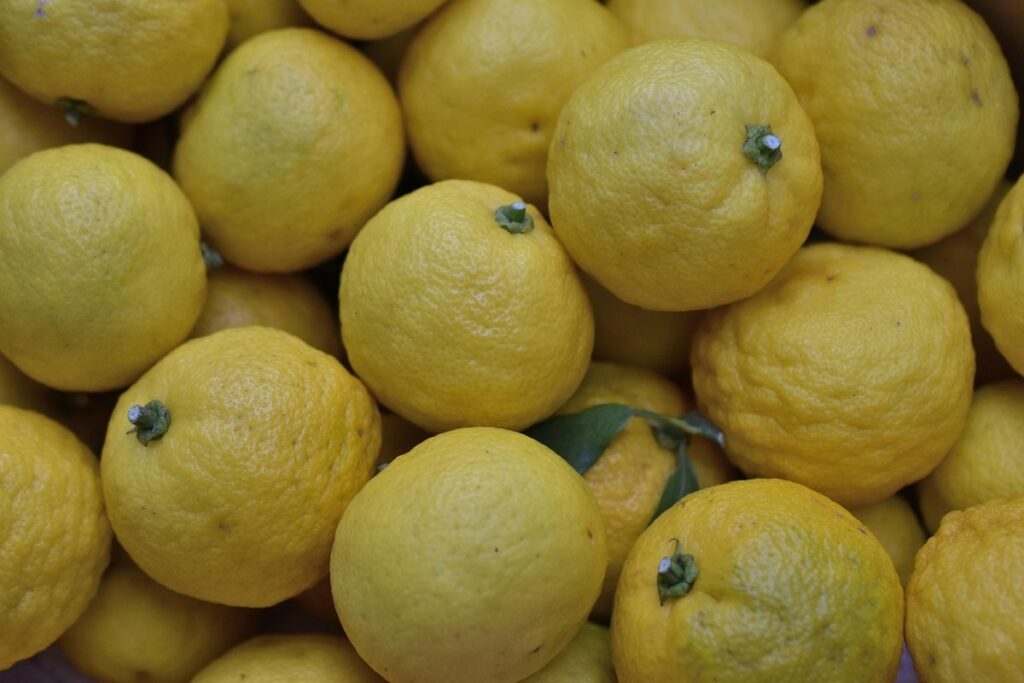
What is a Yuzu Citrus Plant?
So, you’re curious about the yuzu citrus plant and want to know what it’s all about. Let’s start by understanding its unique characteristics and how it differs from other citrus fruits.
Definition and Origins
The yuzu citrus plant is a unique and fascinating species that has gained popularity worldwide for its distinct flavor and versatility. Botanically known as Citrus junos, it belongs to the Rutaceae family, which includes other popular citrus fruits like oranges, lemons, and limes. The origins of the yuzu citrus plant date back to East Asia, specifically in China, Korea, and Japan, where it has been cultivated for centuries.
In traditional Japanese culture, yuzu is highly prized for its sour and slightly sweet flavor, often used as a garnish or added to soups and salads. Its seeds are also valued for their medicinal properties. The plant thrives in temperate climates with well-drained soil, making it an ideal choice for growers in regions like Japan’s subtropical islands.
Interestingly, the yuzu citrus plant is often referred to as the “Japanese grapefruit” due to its large size and rough, bumpy skin. Despite being a member of the citrus family, yuzu has some distinct characteristics that set it apart from other popular citrus fruits.
Characteristics and Appearance
The yuzu citrus plant is a stunning addition to any garden or indoor space, and its unique physical characteristics make it stand out from other citrus trees. On average, the yuzu tree grows to be around 10-15 feet tall, with a spread of around 6-8 feet wide, making it an excellent choice for small gardens or container growing.
One of the most distinctive features of the yuzu tree is its growth habit, which is naturally more compact and bushy than other citrus trees. This makes it easy to maintain and shape, and it’s perfect for those who want a smaller tree that still packs a punch in terms of fruit production. The leaves of the yuzu tree are also highly fragrant, with a sweet and tangy aroma that’s simply irresistible.
In addition to its compact growth habit and fragrant leaves, the yuzu tree has several other unique features that set it apart from other citrus trees. Its bark is thick and rough, with deep grooves and fissures that give it a rugged texture. The branches are also relatively short, which makes them perfect for training onto trellises or other supports.
When growing your own yuzu tree, it’s worth noting that the compact growth habit of this tree means it requires more frequent pruning to maintain its shape and promote healthy fruiting. With regular care and attention, however, you can enjoy an abundance of delicious yuzu fruit right in your own backyard!
Growing Yuzu Citrus Plants: Tips and Techniques
To successfully grow yuzu citrus plants, you’ll need to pay attention to temperature, humidity, and sunlight requirements in your garden. This section shares expert tips on caring for these unique trees.
Climate and Soil Requirements
To grow yuzu citrus plants successfully, it’s crucial to understand their ideal climate and soil requirements. Yuzu plants thrive in subtropical and tropical climates with mild winters and hot summers. They prefer temperatures between 15°C to 30°C (59°F-86°F), but they can tolerate a narrow range of temperature fluctuations.
In terms of humidity, yuzu plants prefer a relatively high level of moisture in the air, typically above 50%. This is why they grow well in regions with high levels of rainfall or where irrigation is readily available. When it comes to soil pH, yuzu plants are tolerant of a wide range of pH levels but perform best in slightly acidic to neutral soils (pH 6.0-7.0).
When planting your yuzu tree, make sure the soil has good drainage and a mix of sand, silt, and clay for optimal growth. Avoid using heavy clay or sandy soils as they can cause waterlogging or nutrient deficiencies. Regularly test the pH level of your soil to ensure it remains within the optimal range. By replicating these conditions in your garden, you’ll be well on your way to growing healthy and productive yuzu citrus plants.
Planting and Pruning Methods
When planting yuzu trees, choose a location with full sun to partial shade and well-draining soil. Dig a hole twice as wide and just as deep as the root ball of your tree. Gently remove it from its container and place it in the hole, making sure the graft union (if applicable) is above the soil level. Fill the hole with a mix of soil and organic matter, tamping it down gently as you go to prevent air pockets.
Fertilize your yuzu tree regularly during its first year of growth, using a citrus-specific fertilizer at a rate of 1-2 tablespoons per gallon of water. Water deeply but avoid overwatering, which can lead to root rot and other issues. As for pruning, wait until your tree is around two years old before cutting back any branches. Remove any dead or diseased wood, as well as any crossing branches that may be rubbing against each other.
Regular pest management is crucial for yuzu trees. Check your tree regularly for signs of pests like aphids, whiteflies, and spider mites. For smaller infestations, a strong jet of water can help dislodge them. If the problem persists, consider using neem oil or insecticidal soap to control the population.
To encourage healthy growth and maximize fruit production, make sure your yuzu tree receives adequate nutrients through regular fertilization. Aim for a balanced fertilizer with equal amounts of nitrogen, phosphorus, and potassium (NPK). For example, a 10-10-10 NPK ratio is suitable for most citrus trees. Fertilize in the spring and again after harvest to give your tree a boost during its active growth periods.
Uses of Yuzu Citrus Plants: Culinary, Cosmetic, and Medicinal
You’ll love exploring the many uses of yuzu citrus plants beyond their incredible flavor, from skincare and haircare to culinary delights and medicinal remedies. We’re about to dive into all three categories together.
Culinary Applications
Yuzu is a versatile citrus fruit that’s deeply ingrained in Japanese cuisine. In cooking, yuzu’s unique flavor profile is often used to add brightness and depth to various dishes. One of the most common ways to use yuzu is in marinades for grilled meats or seafood. The acidity and oils in yuzu help break down proteins and add a subtle citrusy note.
In Japanese dressings and sauces, yuzu is commonly combined with soy sauce, wasabi, and sake for a balanced flavor. This mixture is used as a dipping sauce for sushi or sashimi. Yuzu also pairs well with ingredients like ginger, garlic, and mirin to create a sweet and savory glaze for roasted meats.
For desserts, yuzu’s citrusy flavor is often used in combination with other fruits like strawberries or pears. The zest of yuzu can be grated over ice cream or used as a topping for baked goods. When using yuzu in cooking, it’s essential to use the right amount – too much can overpower the dish. A general rule of thumb is to use about 1-2 teaspoons of yuzu per serving.
Cosmetic and Skincare Benefits
When it comes to skincare, yuzu citrus plant extracts are gaining popularity due to their impressive array of benefits. One of the primary advantages of using yuzu in skincare products is its potent antioxidant properties. Antioxidants play a crucial role in neutralizing free radicals that can cause oxidative stress and lead to premature aging.
Yuzu’s antioxidant power also extends to protecting against environmental stressors such as pollution and UV radiation, which can damage skin cells and cause hyperpigmentation. Additionally, yuzu contains anti-inflammatory compounds that can help soothe and calm irritated skin, reducing redness and inflammation.
To incorporate the benefits of yuzu into your skincare routine, look for products containing yuzu essential oil or extract. You can also try infusing a few drops of yuzu oil into your favorite moisturizer or serum for an antioxidant boost. Another way to reap the rewards of yuzu in skincare is by making your own yuzu-infused face mask at home using dried yuzu peels and a carrier oil like coconut or jojoba oil.
Some popular skincare products featuring yuzu include creams, serums, and body washes that claim to brighten and smooth skin texture. Be sure to read labels carefully and choose products with high concentrations of yuzu extract for optimal results.
Yuzu Citrus Plant Care: Common Problems and Solutions
As a yuzu citrus plant owner, you might encounter some common issues that can affect your tree’s health – we’re here to help you troubleshoot and find solutions.
Pests and Diseases
As a yuzu citrus plant owner, you’re likely to encounter some common pests and diseases that can affect the health and productivity of your tree. One of the most significant threats is root rot, which occurs when the roots are exposed to excess moisture or poor drainage. This can lead to fungal growth and eventual death of the tree. To prevent root rot, ensure good air circulation around the tree and avoid overwatering.
Scale infestations are another common problem that affects yuzu trees. These tiny insects attach themselves to the bark and stems, sucking sap from the tree and causing damage. Regularly inspect your tree for signs of scale, such as white eggs or cottony patches on the branches. Use neem oil or insecticidal soap to control infestations.
Other pests that may affect yuzu trees include aphids, mealybugs, and spider mites. To manage these issues, adopt integrated pest management techniques like introducing beneficial insects, practicing good sanitation, and using targeted pesticides as a last resort.
Nutrient Deficiencies and Remedies
Yuzu trees can be sensitive to nutrient deficiencies, which can manifest in various ways. One common symptom is yellowing leaves, particularly on the lower branches. This could indicate a lack of nitrogen, magnesium, or iron. To identify the issue, inspect the leaves for any discoloration patterns – yellowing at the tips may point to iron deficiency, while uniform yellowing across the leaf might suggest magnesium insufficiency.
To address nutrient deficiencies, test your soil pH and adjust it if necessary. Yuzu trees prefer slightly acidic to neutral soils (pH 6-7). Consider using a well-balanced fertilizer (10-10-10 NPK ratio) during the growing season (spring-fall). For more targeted solutions:
* Nitrogen deficiency: Apply an ammonium sulfate-based fertilizer or a high-nitrogen product specifically formulated for citrus trees.
* Magnesium deficiency: Sprinkle Epsom salt around the base of the tree, taking care to avoid overapplication, as this can cause burning.
* Iron deficiency: Use an iron sulfate supplement according to the manufacturer’s instructions.
Regularly inspect your yuzu tree and adjust its nutrient regimen as needed. Keep in mind that yuzu trees are more prone to nutrient deficiencies when young or under stress due to factors like weather conditions, pests, or diseases.
Harvesting Yuzu Citrus Fruits: Timing and Techniques
Now that you’ve learned how to care for your yuzu plant, it’s time to harvest its delicious fruits. This section will walk you through the best timing and techniques for a successful yuzu citrus harvest.
When to Harvest
When to harvest yuzu fruits is crucial for optimal flavor and aroma. The ideal time to pick these citrus fruits depends on various factors, including weather conditions and the color of the fruit.
Wait until the yuzu fruits have reached their full color and size. This usually takes around 6-8 months after flowering. However, it’s essential to check the ripeness by gently tugging on a fruit. If it comes off easily, it’s ready for harvest. Avoid picking yuzu fruits when they’re too green or too yellow, as this can affect their flavor and quality.
In terms of weather conditions, yuzu trees prefer cooler temperatures and well-drained soil to produce high-quality fruits. Avoid harvesting during periods of extreme heat or frost, as these can damage the fruit’s texture and taste.
Check your yuzu tree regularly for signs of ripeness, such as a slight softening around the stem end or a slightly sweeter aroma. Harvesting yuzu fruits at the right time will ensure you enjoy their unique flavor and fragrance to the fullest.
Harvesting Methods and Storage Tips
When harvesting yuzu fruits, it’s essential to do so with care to avoid bruising or damaging the delicate skin. Start by selecting ripe yuzu fruits that are heavy for their size and have a sweet, citrusy aroma. Gently twist the fruit counterclockwise while holding it between your thumb and index finger, making sure not to pull too hard on the stem.
To maintain optimal flavor and texture, store harvested yuzu fruits in a cool, dry place away from direct sunlight. You can also refrigerate them at a temperature below 40°F (4°C) for up to two weeks. If you plan to use your yuzu fruits within a few days, keep them at room temperature.
Some creative ways to store yuzu include slicing or segmenting the fruit and freezing it for later use in recipes. You can also juice or zest the yuzu and store the liquid or dried zest in airtight containers for up to six months. When storing whole fruits, make sure to label them clearly so you can identify which ones are ripe and ready to use.
Conclusion and Final Thoughts
As we conclude our journey through the world of yuzu, let’s recap the key takeaways from our comprehensive guide to help you integrate this citrus plant into your life.
Recap of Key Points
As you’ve made it through our comprehensive guide on yuzu citrus plants, let’s recap the key points to ensure you’re equipped with all the knowledge you need to successfully grow and care for this unique plant.
Yuzu citrus plants are a cross between an orange and a grapefruit, offering a distinct flavor profile that’s both tart and sweet. They thrive in temperate climates, requiring full sun to partial shade and well-draining soil rich in nutrients. When planting yuzu, make sure the soil pH is between 6.0 and 7.0 for optimal growth.
To promote healthy growth, we recommended pruning yuzu trees regularly to maintain a compact shape and encourage fruit production. It’s also essential to water them consistently, but avoid overwatering, which can lead to root rot. Fertilize your yuzu tree with an acidic fertilizer during the growing season (spring-fall) for maximum results.
In terms of uses, yuzu is a versatile citrus that adds flavor and zest to various dishes, from savory sauces to desserts. The peel’s aromatic oil can be used as a fragrant addition to cosmetics or potpourri blends. You can also make yuzu juice by blending the fruit with water, which serves as a natural and refreshing beverage.
To ensure your yuzu tree stays healthy throughout the year, keep an eye out for pests like aphids and scale, and diseases such as root rot and leaf spot. Regularly inspect your tree for signs of stress or nutrient deficiencies, and address them promptly to prevent more severe issues from developing.
By following these key points and incorporating them into your gardening routine, you’ll be well on your way to successfully cultivating a thriving yuzu citrus plant that will provide you with years of enjoyment and delicious flavor.
Frequently Asked Questions
How do I choose the right yuzu citrus plant variety for my garden?
When selecting a yuzu citrus plant, consider factors like climate, soil type, and available space. Some popular varieties include ‘Yatsushiro’ and ‘Meyer’, which are known for their disease resistance and tolerance to cooler temperatures.
Can I grow yuzu citrus plants in containers or do they require a lot of space?
Yes, you can grow yuzu citrus plants in containers! They prefer well-draining soil and full sun to partial shade. Choose a large container (at least 14-16 inches deep) with good drainage holes to accommodate the plant’s mature size.
What are some common pests or diseases that affect yuzu citrus plants?
Pests like aphids, whiteflies, and spider mites can harm yuzu citrus plants. Regularly inspect your plants for signs of infestation and use organic pest control methods whenever possible. Diseases such as root rot and canker can also occur; ensure good air circulation, water carefully, and prune infected areas to prevent spread.
Can I harvest yuzu citrus fruits at any time or are there specific timing guidelines?
The optimal harvesting time for yuzu citrus fruits is when they’re fully ripe, usually between November and January. Harvest them in the morning after a cool night, as this helps bring out their natural oils and flavor.
How do I store harvested yuzu citrus fruits to maintain their freshness and longevity?
To preserve the freshness of harvested yuzu citrus fruits, store them in a cool, dry place or refrigerate at 32°F (0°C) for up to two weeks. You can also peel and freeze the segments for later use in recipes.