
Are you ready to unlock the secret world of ground cherry seeds? These tiny treasures are packed with flavor, nutrition, and potential for culinary creativity. But where do you start when it comes to growing and enjoying these unique fruits? With so many types of ground cherries available, from the popular ‘White Pine’ to the exotic ‘Purple Peruvian’, choosing the right one can be overwhelming.
In this article, we’ll delve into the world of ground cherry seeds, covering everything from cultivation tips and care requirements to mouth-watering recipes that showcase their versatility. Whether you’re a seasoned gardener or just starting out with these fruits, our guide will walk you through the process of growing your own ground cherries and discovering new ways to enjoy them in the kitchen.
Introduction to Ground Cherries
If you’re new to ground cherries, let’s start from scratch and explore what makes these tiny fruits so unique and fascinating. This section is where we’ll get acquainted with their humble beginnings.
What are Ground Cherries?
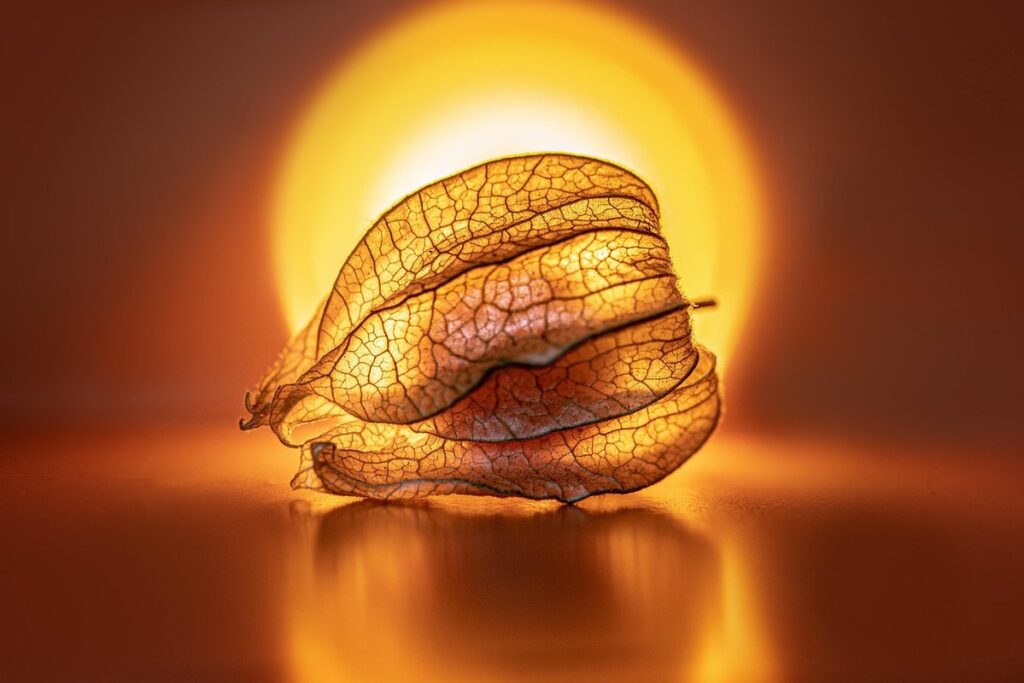
Ground cherries are small, round fruits that belong to the nightshade family. They have a unique appearance, with a papery husk covering a bright yellow to red berry-like interior. The outer layer is dry and usually brown or green, while the inner fruit is juicy and sweet, with a flavor often described as a combination of pineapple, strawberry, and lemon.
One of the distinctive features of ground cherries is their small size, typically ranging from 1-2 inches in diameter. They are also relatively low-maintenance, as they grow well in most climates and can thrive in poor soil conditions. Ground cherries are often used in jams, preserves, and baked goods due to their sweet-tart flavor.
If you’re new to growing or eating ground cherries, be aware that the papery husk is edible but usually discarded. Simply snap off the top of the husk and scoop out the inner fruit for a delicious snack or ingredient addition.
History and Origin
Ground cherries have been a staple crop for many indigenous communities and early European settlers in North America. The plant is native to the Andes Mountains of South America but has since spread throughout the continent. In traditional medicine, ground cherries were used to treat various ailments, including fever, rheumatism, and even snake bites. The ripe fruit was also consumed raw or cooked into jams, preserves, and desserts.
In many Native American cultures, ground cherry was a prized food source due to its high nutritional value. The plant’s small, round fruit is rich in vitamins A and C, potassium, and antioxidants. Ground cherries were often dried and stored for later use, making them an essential component of traditional recipes like pemmican, a concentrated energy-rich mixture of animal fat, dried meat, and berries.
Today, ground cherry seeds are gaining popularity among gardeners and small-scale farmers due to their ease of cultivation and adaptability in various climates. The plant’s low-maintenance requirements and high yields make it an attractive option for those looking to grow their own food.
Types of Ground Cherry Varieties
As you explore the world of ground cherry seeds, it’s essential to know that there are several distinct varieties to choose from, each with its own unique characteristics. From the popular ‘Husky Red’ to ‘White Pumpkin’, let’s dive into the different types.
Desertnoe (P. incana)
Desertnoe (P. incana) is a unique and highly sought-after variety of ground cherry, prized for its exceptional growth habits, delectable flavor profile, and versatility in culinary applications. This variety thrives in arid environments with minimal watering needs, making it an ideal choice for gardeners living in regions with dry climates.
Desertnoe’s compact growth habit allows it to reach a maximum height of around 12 inches, while its sprawling stems spread out up to 18 inches, providing an attractive display of foliage. Its small, oval-shaped leaves are a vibrant green color and emit a sweet, slightly musky fragrance when touched.
The flavor profile of Desertnoe’s fruits is characterized by a rich sweetness balanced with subtle hints of citrus and earthy undertones, making them perfect for snacking fresh or incorporating into various recipes. In cooking, the tender pulp and juice can be used as an accompaniment to meats, savory dishes, or even as a topping for salads.
One of the best ways to enjoy Desertnoe is by letting it grow in your garden or container; its growth habit makes it an ideal choice for hanging baskets or vertical gardening systems. Harvesting the fruits when they are ripe and fully colored will reward you with their maximum flavor and nutritional value.
Purple Flower (P. caudatus)
The Purple Flower (P. caudatus) is one of the lesser-known yet fascinating varieties of ground cherry. This unique strain boasts stunning deep purple flowers that bloom from late spring to early summer, followed by sweet and tangy fruits. What sets it apart from other varieties is its compact growth habit, reaching only about 2-3 feet in height, making it an excellent choice for small gardens or containers.
In the kitchen, the Purple Flower’s fruits are highly sought after for their flavor profile, which combines hints of pineapple, strawberry, and citrus. They can be enjoyed fresh, used in jams and preserves, or even made into a sweet syrup. When preparing them, keep in mind that they have a delicate skin, so handle with care to avoid bruising.
To grow the Purple Flower variety from seed, sow seeds directly in well-draining soil about 1-2 inches deep, and space them around 12-18 inches apart. With proper care, you can expect it to produce fruit within 100-120 days of sowing. Its compact size makes it an ideal choice for container gardens or small spaces, adding a pop of color and flavor to your outdoor setup.
other notable varieties
Beyond the ‘White’ and ‘Yellow’ varieties, there are several other notable ground cherry types worth exploring. One such variety is ‘Red Currant’, which boasts a unique flavor profile with hints of sweetness and tartness. Its berries have a deeper red color than their yellow counterparts and are often used in jams, preserves, and even cocktails.
Another interesting variety is the ‘Fruit Salad’ ground cherry, as its name suggests, it’s an excellent choice for adding a burst of flavor to salads, desserts, or even savory dishes. This variety has smaller berries with a mix of red and yellow hues and is said to have a more delicate taste than other varieties.
Both these varieties offer exciting possibilities for gardeners looking to experiment with ground cherry cultivation. If you’re feeling adventurous, consider planting ‘Red Currant’ or ‘Fruit Salad’ seeds to experience their distinct characteristics firsthand.
Growing Ground Cherry Seeds: Tips and Tricks
Starting from scratch with ground cherry seeds can be a daunting task, but with the right guidance, you’ll be growing your own harvest in no time. In this section, we’ll walk you through the essential tips and tricks to get started.
Preparing the Soil
Preparing the soil is a crucial step in growing healthy and thriving ground cherry plants. Before sowing your seeds, make sure the soil pH level is between 6.0 and 7.0, which is slightly acidic to neutral. Ground cherries prefer well-draining soil that is rich in organic matter, such as compost or manure.
To achieve optimal nutrient levels, test your soil and amend it if necessary. Add a balanced fertilizer, following the manufacturer’s instructions, to provide essential nutrients for growth. For example, a 10-10-10 NPK (nitrogen-phosphorus-potassium) ratio can promote healthy root development and fruit production.
Mulching is also an essential technique in preparing the soil. Apply a 2-3 inch layer of organic mulch, such as straw or wood chips, around your plants to retain moisture, suppress weeds, and regulate soil temperature. This will create a favorable environment for your ground cherry seeds to germinate and grow. By following these simple steps, you’ll be well on your way to growing delicious and nutritious ground cherries from seed.
Sowing Seeds
To sow ground cherry seeds successfully, you need to understand their specific requirements. Start by filling a small pot with a well-draining seed starting mix, and moisten it gently but thoroughly. Next, place one or two seeds about ¼ inch deep, depending on the variety. Keep in mind that some ground cherry varieties require more space between seeds than others.
Plant the seeds at the right time – typically 6-8 weeks before the last frost date in your area. Sow them indoors and keep the soil consistently moist but not waterlogged. Provide adequate light, as most seedlings need around 12-14 hours of indirect light per day to germinate successfully. It’s also essential to maintain a temperature between 65°F and 75°F (18°C and 24°C) during this period.
Once you notice the first set of leaves, it’s time to transplant your seedlings into individual pots or directly into the garden. Make sure to handle them gently and avoid exposing them to extreme temperatures or direct sunlight at this stage.
Climate Considerations
When growing ground cherry seeds, adapting to different climate zones and extreme weather conditions is crucial for successful cultivation. If you’re planning to grow ground cherries in a region with hot summers, be aware that they prefer well-drained soil and full sun. In areas with limited sunlight, consider providing supplemental lighting to ensure the plants receive at least six hours of direct sunlight per day.
In regions with cold winters, protect your seedlings by mulching heavily around the base of the plants or bringing potted seedlings indoors during the winter months. When dealing with extreme weather conditions like intense heatwaves or heavy rainfall, keep a close eye on your plants’ water needs and adjust accordingly.
Some climate-specific considerations include:
• In areas with high humidity, be cautious not to overwater, as this can lead to fungal diseases.
• For regions with short growing seasons, start seeds indoors 4-6 weeks before the last frost date to ensure they have enough time to mature.
• If you live in an area prone to extreme temperature fluctuations, choose a variety of ground cherry that is bred for tolerance and has a shorter maturation period.
Caring for Ground Cherry Plants
To ensure your ground cherry plants thrive, proper care is essential, including regular watering, pruning, and fertilization to promote healthy growth.
Watering and Irrigation
When it comes to watering and irrigation for your ground cherry plants, finding the right balance is crucial. Overwatering can be just as detrimental as underwatering, so it’s essential to monitor your plant’s needs closely.
One of the most significant signs of overwatering is yellowing leaves or droopy stems. This usually occurs when the roots are suffocating due to too much moisture, causing the plant to struggle for oxygen. On the other hand, signs of underwatering include wilted leaves and a lack of new growth. To avoid this, make sure to check the soil’s moisture level by sticking your finger into it up to the first knuckle. If the soil feels dry, it’s time to water.
Water your ground cherry plants when the top 1-2 inches of soil are dry. Aim for about 1 inch of water per week, either from rain or irrigation. You can also check the plant’s leaves; if they’re looking a bit wilted, it might be due for some hydration.
Pruning and Training
Pruning and training ground cherry plants are essential techniques to promote healthy growth, encourage fruiting, and maximize production. Prune your plant during its dormant season, usually from late winter to early spring, to remove dead, diseased, or damaged branches. This process allows air and light to reach the inner parts of the plant, reducing the risk of disease.
When it comes to training, use a trellis or stake to support the plant’s growth. Ground cherry plants can grow quite large, so providing a structure for them to climb will save space in your garden. To encourage bushy growth and prevent legginess, prune side shoots after they reach 6-8 inches long.
Regular pruning and training also help promote fruiting by directing energy towards the formation of flowers and fruit. For optimal results, remove any weak or spindly growth that’s not producing fruit, focusing on maintaining a balanced structure. With these simple techniques, you’ll be well on your way to nurturing healthy ground cherry plants with bountiful harvests.
Pest and Disease Management
As you’ve successfully germinated and nurtured your ground cherry seedling, it’s essential to keep an eye out for common pests and diseases that can threaten its health. Ground cherries are susceptible to a range of issues, including aphids, whiteflies, and spider mites. These tiny insects feed on the sap of the plant, causing curled or distorted leaves.
To manage these pests, start by inspecting your plants regularly, looking for any signs of infestation. You can also use neem oil or insecticidal soap to control populations. For more severe infestations, consider introducing beneficial insects like ladybugs or lacewings to the garden. As for diseases, watch out for fungal infections such as powdery mildew and leaf spot. Keep your plants in well-ventilated areas, remove any infected leaves, and treat with a fungicide if necessary.
It’s also crucial to maintain good gardening practices, like providing adequate space between plants and using drip irrigation to prevent overwatering. By being proactive and attentive to your ground cherry plant‘s needs, you can enjoy a bountiful harvest of these delicious fruits while minimizing the risk of pests and diseases taking hold.
Harvesting and Enjoying Ground Cherry Fruits
Now that you’ve successfully grown your ground cherry plants, it’s time to harvest and enjoy these unique fruits at their sweetest. Learn how to pick and utilize them in recipes and beyond!
When to Harvest
When you’ve finally coaxed those ground cherry fruits to grow and ripen, it’s essential to know when to pick them for optimal flavor and texture. One of the most distinctive visual signs of ripeness is a slight softening of the skin, which will turn from green to yellow or red depending on the variety. You can also gently tug on the fruit; if it comes off easily, it’s ready to be harvested.
In general, ground cherries are typically ripe between 60 to 90 days after sowing the seeds, but this timeframe can vary depending on weather conditions and your specific climate. In warmer regions, they may be ready as early as 50 days. Keep in mind that overripe ground cherries will eventually drop from the plant, so it’s better to err on the side of caution and harvest them slightly before they reach full ripeness.
To avoid damaging the delicate skin, use a pair of clean scissors or a small knife to snip off the fruit close to the stem.
Storage and Preservation
To ensure that you can enjoy ground cherry fruits throughout the year, it’s essential to learn various storage and preservation methods. Freezing is a popular method for preserving ground cherries. Rinse the fruit thoroughly and remove any stems or leaves. Next, spread them out on a baking sheet lined with parchment paper and put it in the freezer until they’re frozen solid. Once frozen, transfer the ground cherries to an airtight container or freezer bag.
Canning is another method for preserving ground cherries. This method requires some equipment and knowledge of canning procedures to ensure that your jars are properly sterilized and sealed. It’s also crucial to follow tested recipes and guidelines for canning acidic fruits like ground cherries. Dehydrating is a space-saving method for preserving ground cherry fruits, which can be reconstituted by soaking them in water or using them in desserts. To dehydrate ground cherries, spread the fruit thinly on a dehydrator tray and follow your machine’s instructions for temperature and time.
Dehydrated ground cherries can also be stored in airtight containers to maintain freshness.
Using Ground Cherries in Recipes
Ground cherries are incredibly versatile fruits that can be used in a variety of sweet and savory dishes. When it comes to using ground cherries in recipes, the possibilities are endless.
In sweet treats, you can use ground cherries as a topping for ice cream or yogurt, or blend them into a homemade jam or preserves. They also make a great addition to muffins, cakes, and scones. One of our favorite uses is in a simple fruit crisp recipe: simply mix sliced ground cherries with sugar, flour, and spices, then top with an oat and butter crumble.
In savory dishes, ground cherries pair well with meats like pork, chicken, and beef. Try adding them to a stir-fry or sautéing them with onions and garlic as a side dish. Ground cherries also make a great addition to salads, especially those featuring strong cheeses or nuts. For example, try combining sliced ground cherries with arugula, parmesan cheese, and prosciutto for a refreshing summer salad.
When using ground cherries in recipes, keep in mind that their flavor is slightly sweet and tart, similar to a combination of pineapple and cherry. This makes them a great substitute for other fruits like blueberries or raspberries in many recipes.
Conclusion: The Benefits of Growing Your Own Ground Cherry Seeds
In conclusion, growing your own ground cherry seeds can be a truly rewarding experience. Not only will you have access to a unique and delicious fruit, but you’ll also be able to enjoy the numerous benefits that come with cultivating your own food. By planting and nurturing these seeds, you’ll not only save money on store-bought produce, but you’ll also reduce your carbon footprint by reducing transportation costs. Furthermore, growing ground cherries allows you to control the quality of the fruit, ensuring that it’s free from pesticides and other chemicals.
This can be especially beneficial for individuals who prefer organic or sustainable living.
Frequently Asked Questions
Can I grow ground cherry seeds indoors, or do they require a specific climate?
Yes, you can grow ground cherry seeds indoors using containers with good drainage. They prefer a warm temperature (around 70-80°F) and high humidity, making them suitable for indoor cultivation in regions with limited outdoor growing seasons.
How long does it take to harvest ground cherries after sowing the seeds?
Typically, it takes around 100-120 days from sowing the seeds to harvesting the fruits. However, this timeframe may vary depending on factors like climate, soil quality, and specific variety. Make sure to check the seed package for more specific instructions.
Can I store ground cherry seeds for future planting, or do they have a limited shelf life?
Ground cherry seeds can be stored in an airtight container in a cool, dry place for up to 2 years without significant loss of viability. However, it’s essential to check the seed quality before storing them, as some varieties may not store well.
How do I know if my ground cherry plants are affected by pests or diseases?
Keep an eye out for signs like yellowing leaves, black spots on fruits, or actual insects on the plant. Regularly inspect your plants and take action promptly if you notice any issues. Common pests include aphids and spider mites, while fungal diseases can be controlled with proper care and pruning.
Can I use ground cherry seeds to create a ground cover or landscape feature?
Yes, ground cherries are an excellent choice for ground covers due to their compact growth habit and spreading nature. They thrive in full sun to partial shade conditions and well-draining soil. You can plant them in masses as a low-maintenance solution for erosion control or as a decorative element in your garden design.