
Are you ready to fall in love with one of the most stunning and versatile flowers out there? Look no further than the majestic mimosa plant flower! Not only is this beauty a treat for the eyes, but it’s also packed with benefits that will make you want to bring it into your home and garden. From its delicate, feathery foliage to its vibrant pink blooms, the mimosa plant is a sight to behold. But what makes it truly special? Let’s dive in and explore not only the different types of mimosa plants, but also their incredible health uses and creative ways to incorporate them into your garden design. Whether you’re a seasoned gardener or just starting out, this article will give you all the know-how you need to make the most of this amazing plant!
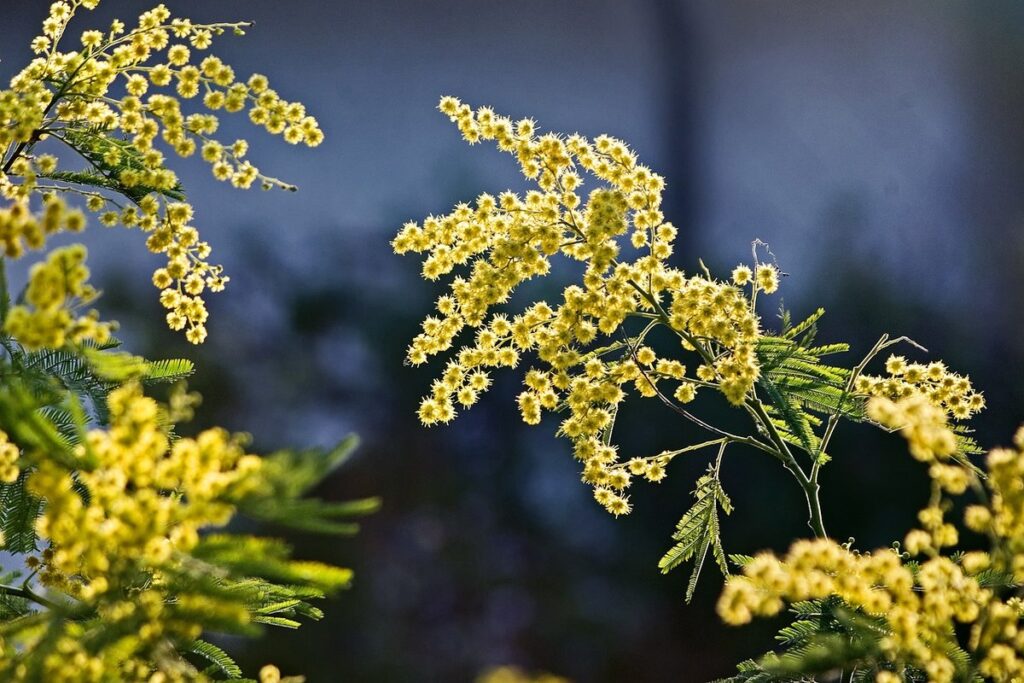
What is a Mimosa Plant?
So, you’re curious about this gorgeous mimosa plant and want to know where it comes from? Let’s start by exploring its botanical identity.
Classification and Origins
The mimosa plant has its roots firmly planted in the tropical regions of Central and South America. As part of the Fabaceae family, this classification puts it alongside other notable plants like beans and legumes. This affiliation makes sense given the plant’s ability to fix nitrogen from the air into the soil through a process called symbiotic nitrogen fixation.
This natural process not only benefits the mimosa plant but also its surrounding environment. By contributing to the nutrient-rich soil, the mimosa plant helps create a thriving ecosystem that supports a wide range of flora and fauna. In its native habitat, the mimosa plant has evolved to become an integral part of this delicate balance, providing shade, stabilizing soil, and serving as a food source for various wildlife.
The mimosa plant’s origins in tropical regions have also contributed to its unique characteristics and adaptability. Its ability to thrive in hot and humid climates makes it an ideal choice for gardens and landscapes that require low-maintenance yet visually striking elements.
Characteristics and Identification
Mimosa plants are instantly recognizable due to their striking compound leaves, which are made up of multiple leaflets that are attached to a central stem. These leaves can grow quite large, sometimes reaching up to 18 inches in length and 12 inches in width, providing an impressive backdrop for the plant’s vibrant blooms.
As any keen observer will note, mimosa plants are also known for their stunning pink flowers, which are shaped like delicate little pom-poms. These flowers typically bloom from late spring to early summer and can range in color from soft pastel shades to more vibrant magentas. When in full bloom, a single mimosa plant can produce up to 300 individual flowers, attracting a wide variety of pollinators including bees, butterflies, and hummingbirds.
One of the key characteristics of mimosa plants is their ability to attract beneficial wildlife, making them an excellent choice for gardeners who want to create a welcoming habitat for local flora and fauna.
Types of Mimosa Plants
Mimosa plants come in a variety of species, each with its own unique characteristics and growth habits, offering gardeners diverse choices for their landscapes. Let’s explore some of these beautiful types together.
Pink Shower (Mimosa pudica)
One of the most striking varieties of the mimosa plant is the Pink Shower (Mimosa pudica), also known as the sensitive plant. This gorgeous specimen boasts showy pink flowers that dangle elegantly from its delicate foliage, creating a breathtaking sight to behold.
But what’s even more fascinating about the Pink Shower mimosa is its unique sensitivity to touch. Its leaves and stems have a remarkable ability to fold up when disturbed, almost as if they’re taking a “rest” from the world around them. This phenomenon is not just an interesting quirk but also serves as a defense mechanism to protect itself from potential harm.
If you’re lucky enough to grow a Pink Shower mimosa in your garden, be sure to observe its behavior up close. You might find yourself giggling at its adorable reactions to touch. When handled gently, the plant’s sensitive leaves will slowly fold inward, only to spring back into place once it feels safe again. This unique characteristic makes the Pink Shower mimosa a delightful addition to any indoor or outdoor space, and a wonderful conversation starter for nature enthusiasts and gardeners alike.
Southern Mimosa (Albizzia julibrissin)
The Southern Mimosa (Albizzia julibrissin) is a stunning addition to any garden or outdoor space. One of its most notable features is the fragrant, pinkish-white flowers that bloom in clusters, creating a beautiful display of color and scent. These delicate blooms are highly attractive to pollinators like bees and butterflies, making it an excellent choice for those who want to support local wildlife.
What’s more, this versatile plant is surprisingly adaptable to various climates, thriving in USDA zones 6-9. Whether you live in a hot and humid region or a milder temperate area, the Southern Mimosa can find its footing with proper care. To ensure it grows well in your climate, make sure to provide it with full sun (at least six hours of direct sunlight) and well-draining soil. With regular watering and occasional pruning, this resilient plant will reward you with a stunning floral display for months on end.
In addition to its aesthetic appeal, the Southern Mimosa also provides a cooling shade, making it an excellent choice for hot summer afternoons.
Other Varieties
Beyond the well-known Albizzia julibrissin, there are numerous other varieties of mimosa plants that boast unique characteristics and growth habits. For instance, the Mimosa strigillosa, also known as the pink mimosa, is a deciduous shrub native to the southeastern United States. Its delicate pink flowers bloom in late spring, providing a stunning contrast to its dark green foliage.
The Mimosa nuttallii, on the other hand, is an evergreen shrub with feathery leaves and fragrant white blooms that appear in late winter to early spring. This variety thrives in well-draining soil and full sun to partial shade conditions.
If you’re interested in cultivating a more compact mimosa plant, consider the Mimosa ‘Purity’, which grows up to 3 feet tall and wide. Its small white flowers are clustered at the tips of its branches, creating a beautiful display from late spring to early summer.
Care and Maintenance
To keep your beautiful mimosa plant thriving, it’s essential to learn how to properly care for its delicate flowers and foliage. Regular maintenance will ensure years of stunning blooms and a healthy plant.
Lighting and Temperature Requirements
To ensure your mimosa plant thrives, it’s essential to provide optimal growing conditions. When it comes to lighting and temperature requirements, understanding what works best for this delicate beauty is crucial. Mimosa plants prefer bright, indirect sunlight, which means placing them near an east- or west-facing window is ideal.
Avoid direct sunlight, as it can cause the leaves to become scorched and discolored. Temperatures between 65°F to 75°F (18°C to 24°C) are perfect for mimosa plants. However, they can tolerate a range of temperatures from 55°F to 85°F (13°C to 30°C). Keep in mind that sudden changes in temperature can shock the plant.
Maintaining optimal humidity levels is also vital for your mimosa plant’s well-being. Aim for a relative humidity of 50-60% by placing the pot on a tray filled with water and pebbles or using a humidifier nearby. By providing these ideal conditions, you’ll be rewarded with vibrant blooms and lush foliage. Monitor your plant regularly to ensure it’s not getting too hot or cold, and adjust its environment accordingly. This will help your mimosa plant stay healthy and flourish over time.
Watering and Fertilization Needs
Watering and fertilizing are crucial aspects of mimosa plant care to ensure healthy growth and flowering. When it comes to watering, remember that overwatering is the most common cause of death for this plant. Allow the soil to dry slightly between waterings, which translates to checking the moisture level every 2-3 days during spring and summer months when the plant is actively growing.
In terms of fertilization, a balanced fertilizer with equal N-P-K ratio (20-20-20) can be applied during the growing season. You can also use a high-phosphorus fertilizer specifically designed for flowering plants to promote more blooms. Water-soluble fertilizers are best applied every 2 weeks, while slow-release granular fertilizers can be spread around the base of the plant in early spring.
To avoid burning your mimosa’s delicate roots, dilute the fertilizer according to the manufacturer’s instructions and apply it after watering when the soil is moist. Regular fertilization will reward you with lush growth, vibrant foliage, and an abundance of fragrant flowers that attract pollinators and add beauty to your garden or indoor space.
Health Benefits and Uses
The mimosa plant has been used for centuries in traditional medicine, and its numerous health benefits are backed by scientific research that you’ll learn more about here. Let’s explore its healing properties together!
Medicinal Properties
As we delve into the health benefits of the mimosa plant, it’s essential to note that its potential medicinal properties have garnered significant attention. Studies suggest that mimosa flowers possess anti-inflammatory and antioxidant compounds, which can contribute to reducing inflammation and oxidative stress in the body.
The anti-inflammatory properties of mimosa plants may be attributed to their high concentration of flavonoids and terpenes. These compounds have been shown to inhibit the production of pro-inflammatory enzymes, thereby providing relief from conditions such as arthritis, gout, and other inflammatory diseases. The antioxidants present in mimosa flowers also help protect cells from damage caused by free radicals, which can contribute to chronic diseases like cancer and cardiovascular disease.
To harness these benefits, you can use mimosa flowers as a natural remedy for pain management or incorporate them into your skincare routine to combat oxidative stress and inflammation. However, please note that while the potential health benefits of mimosa plants are promising, further research is needed to confirm their efficacy in treating specific medical conditions.
Skincare and Cosmetics Applications
Mimosa plant extracts have been increasingly incorporated into skincare products due to their remarkable moisturizing and soothing properties. When applied topically, these extracts can provide long-lasting hydration and comfort to dry, irritated skin. One of the key benefits is its ability to regulate sebum production, making it an excellent ingredient for acne-prone skin.
Incorporating mimosa plant extract into your skincare routine can also help to calm redness and inflammation associated with conditions such as rosacea or eczema. This makes it a valuable addition to creams, serums, and face masks designed for sensitive skin types. If you’re looking to try out this ingredient at home, you can infuse mimosa flowers in a carrier oil like coconut or jojoba oil for an intense moisturizing treatment.
Research has shown that mimosa plant extracts exhibit antioxidant properties, which can help protect the skin from environmental stressors and promote overall skin health. With its impressive list of benefits, it’s no wonder why skincare enthusiasts are turning to this natural ingredient for radiant, healthy-looking skin.
Garden Design and Landscaping Ideas
To incorporate the mimosa plant into your outdoor space, consider these garden design ideas that showcase its beauty and maximize its benefits. Let’s explore some stunning landscaping concepts now!
Creating a Mimosa Plant Display
When it comes to showcasing the beauty of mimosa plants, combining them with other ornamental plants can create visually striking arrangements that add a touch of elegance and charm to your garden. To get started, consider pairing mimosa plants with complementary flowers or foliage that share similar growth habits and light requirements.
For example, combine mimosa plants with hydrangeas or gardenias for a lush, tropical look. These plants not only provide a stunning contrast in texture but also bloom at different times, ensuring year-round interest. You can also pair mimosa plants with ornamental grasses like pampas grass or fountain grass to create a dramatic, modern display.
When selecting other plants to combine with your mimosa plants, think about their growth habits and the overall shape you want to achieve. Consider creating a layered effect by placing taller plants in the background and shorter ones towards the front. This will help draw attention to the showy blooms of your mimosa plants while also adding depth and visual interest to the arrangement.
Remember to choose plants that complement each other in terms of color, texture, and shape. With a little creativity and planning, you can create a beautiful display that showcases the unique charm of mimosa plants and adds visual appeal to your garden.
Incorporating Mimosa Plants into Your Outdoor Space
When incorporating mimosa trees or shrubs into your garden design, it’s essential to consider your climate, available space, and maintenance needs. In warmer climates with mild winters, mimosa trees can thrive as a stunning focal point, while in cooler regions, they work beautifully as a shrub form.
Consider the mature size of your mimosa tree or shrub when planning its placement. A large specimen might overpower smaller plants nearby, so choose surrounding flowers and foliage that will complement its delicate beauty. For example, plant groundcover like creeping thyme or sweet woodruff around the base to create a charming contrast in texture.
When selecting a location for your mimosa, also think about sunlight exposure and wind protection. Mimosa trees love full sun but can tolerate partial shade, so choose a spot that provides the right amount of direct light. Regular watering is crucial, especially during hot summers; ensure you have access to a reliable water source if you’re planting in an area with poor irrigation.
Incorporating mimosa plants into your garden design requires thoughtful planning, but the end result will be well worth the effort: stunning beauty and a unique conversation piece that draws visitors to your outdoor space.
Propagation and Reproduction Methods
The mimosa plant is relatively easy to propagate, making it a great choice for gardeners of all levels. We’ll explore the most effective methods for multiplying this beautiful bloom at home.
Seed Germination and Planting
Sowing seeds is an excellent way to propagate mimosa plants, as it allows for maximum genetic diversity. Start by selecting high-quality seeds from a reputable supplier or collecting them from mature pods on your existing plant. Prepare the soil by mixing it with a balanced fertilizer and gently moistening it.
To sow the seeds, create a small hole in the soil about 1-2 cm deep, depending on the size of the seed. Place one or two seeds in each hole, covering them lightly with soil. Water thoroughly and maintain consistent moisture levels until germination occurs, which can take anywhere from 7-21 days. Transplant the seedlings into individual pots once they have developed their first set of true leaves.
Alternatively, you can propagate new plants through stem cuttings. Take a 10-15 cm section from a mature branch and remove lower leaves, leaving only two or three sets at the top. Dip the cut end in rooting hormone powder to enhance root development. Place the cutting in a glass of water or a propagation tray filled with sterile water, making sure the node (where the leaf meets the stem) is submerged. Roots should appear within 1-3 weeks, and you can transfer the new plant to soil once they are established.
Grafting and Budding Techniques
Grafting onto an established root system can significantly improve the chances of successful propagation. This method involves joining a stem cutting from one mimosa plant to the root system of another. By doing so, you’re essentially giving the new stem a head start on developing its roots.
Budding is another effective technique for reproducing mimosa plants with desirable traits. It involves taking a bud or a small section of stem with multiple buds from a mature plant and joining it to the root system of another plant. This method allows you to propagate plants with unique characteristics, such as larger flowers or faster growth rates.
To graft or bud a mimosa plant successfully, choose stems that are around 12-18 inches long, with at least two sets of leaves. Remove lower leaves from the stem cutting, leaving only those near the top. Then, use rooting hormone and carefully join the stem to the root system of another plant.
Frequently Asked Questions
How do I care for a mimosa plant indoors?
Caring for a mimosa plant indoors requires attention to its specific needs, such as providing bright indirect light and maintaining a consistent temperature between 65-75°F (18-24°C). Water the plant thoroughly, allowing the top inch of soil to dry out before watering again. Fertilize sparingly during the growing season, using a balanced fertilizer. Prune the plant regularly to maintain its desired shape and promote healthy growth.
Can I propagate mimosa plants through cuttings?
Yes, you can propagate mimosa plants through stem or root cuttings, although it’s more challenging than seed germination. Take 4-6 inch stem sections with at least two nodes and remove lower leaves. Plant the cutting in a well-draining potting mix and keep the soil consistently moist until roots develop.
How do I protect my mimosa plant from pests?
Mimosa plants can be susceptible to aphids, whiteflies, and spider mites. To prevent infestations, regularly inspect your plant for signs of pests and treat any issues promptly with insecticidal soap or neem oil. Keep the plant in a well-ventilated area and avoid overwatering, which can attract pests.
Can I use mimosa flowers in cooking?
Yes, you can use mimosa flowers as a garnish or ingredient in salads, desserts, and teas. They have a delicate, sweet flavor and add visual appeal to dishes. However, be sure to only use fresh flowers from your own plant or one that has not been treated with pesticides.
How do I know when my mimosa plant needs repotting?
Check the plant’s root system by gently removing it from its pot. If the roots have filled the container and are circling or growing out of the drainage holes, it’s time to repot the plant into a larger container using a well-draining potting mix.