
Ground cherries – those tiny, golden treasures that burst with juicy sweetness in your mouth. If you’re new to growing your own food or looking to add some variety to your garden, learning how to grow ground cherries from seed to harvest is a great place to start. Not only are they relatively easy to cultivate, but they also thrive in a range of climates and soil types, making them perfect for beginners.
In this comprehensive guide, we’ll walk you through everything you need to know to successfully grow ground cherries, including the ideal climate and soil conditions, common pests and diseases to watch out for, and tips for maximizing your harvest. Whether you’re a seasoned gardener or just starting out, our step-by-step instructions will have you enjoying fresh ground cherries in no time.
Understanding Ground Cherries
To truly master growing ground cherries, it’s essential to understand their unique characteristics and requirements, which can sometimes be a bit puzzling. Let’s dive into what makes these sweet treats so special.
What are Ground Cherries?
Ground cherries are a type of small, round fruit that belongs to the nightshade family. Their botanical name is Physalis pruinosa, and they are native to the Americas. Specifically, they can be found growing wild in the temperate regions of Central and South America, as well as parts of North America.
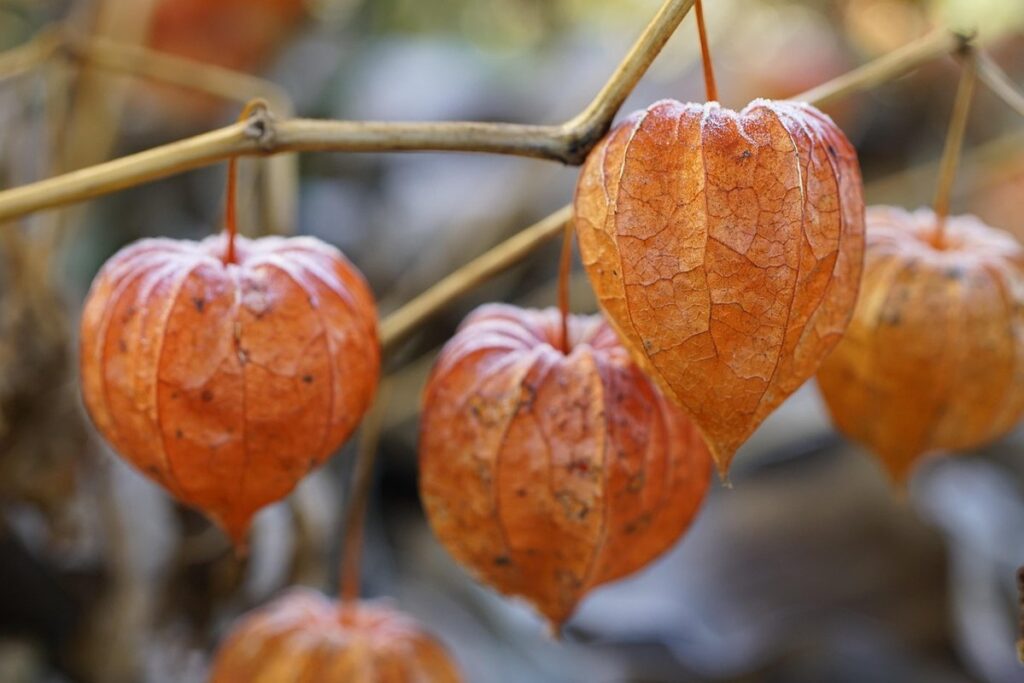
These tiny fruits have a papery husk that surrounds them, which is what gives ground cherries their unique appearance. The husk is edible and can be removed before eating the fruit. Ground cherries are a type of annual plant, meaning they complete their life cycle within a year. They thrive in well-drained soil and full sun to partial shade.
One of the most distinctive features of ground cherries is their ability to self-seed and spread quickly. This makes them an ideal choice for gardeners who want to grow a low-maintenance crop that can fill in gaps between other plants.
Types of Ground Cherries
There are several species and varieties of ground cherries, each with its unique characteristics. The most commonly cultivated species is Physalis pruinosa, also known as the strawberry tomato or ground cherry. This species has a sweet-tart flavor and is often eaten fresh or used in jams and preserves.
Another popular variety is Physalis peruviana, which is native to South America and has a sweeter taste than Physalis pruinosa. It’s often used in desserts and baked goods.
Physalis philippiensis, on the other hand, is a tropical species with a more intense flavor and larger fruit size. It’s often grown in greenhouses or indoor containers due to its sensitivity to frost.
When selecting ground cherry varieties for your garden, consider factors such as climate, space availability, and intended use. If you live in a cooler region, Physalis pruinosa might be the best choice. In warmer climates, Physalis peruviana could thrive. For those with limited space, compact or dwarf varieties can be an excellent option.
Some popular ground cherry varieties include ‘Patio’, ‘Red Roman’, and ‘Alderton’. Research each variety’s specific needs and characteristics to ensure you choose the right one for your garden.
Choosing the Right Variety
When it comes to growing ground cherries, selecting the right variety for your climate and needs is crucial. Let’s explore the best options together, from popular hybrids to heirloom favorites.
Determining Climate and Soil Requirements
When it comes to growing ground cherries, you’ll want to ensure that you’re providing them with the ideal climate and soil conditions. Ground cherries are a warm-season crop, which means they thrive in temperatures between 65°F (18°C) and 75°F (24°C). Anything above or below this range can lead to reduced fruit production.
In terms of sunlight, ground cherries require full sun to produce well. They need at least six hours of direct sunlight per day, so choose a location that receives plenty of sunlight throughout the day. When it comes to soil, ground cherries prefer well-draining, rich soil with a pH between 6.0 and 7.0.
To determine your soil’s pH level, you can purchase a soil testing kit or have it analyzed by a local nursery or extension office. Based on the results, you may need to amend the soil with organic matter like compost or manure to bring it within the optimal range for ground cherries.
Selecting the Best Variety for Your Region
When selecting a ground cherry variety for your garden, it’s essential to consider your local climate and growing conditions. This will ensure that you choose a plant that thrives in your region and is well-suited to the specific challenges posed by pests and diseases.
In regions with hot summers, look for varieties like ‘Rainier’ or ‘Stella’, which are bred to tolerate heat and drought. These plants have improved yields and disease resistance, making them ideal for warmer climates. On the other hand, in areas with cool summers, consider varieties like ‘White Pine’, which prefer cooler temperatures and produce smaller but sweeter fruit.
Considerations for pests and diseases are also crucial when selecting a variety. For example, if powdery mildew is prevalent in your area, look for varieties with built-in resistance like ‘Red Ruby’ or ‘Autumn Bliss’. Similarly, if you’re dealing with pests like aphids or whiteflies, choose varieties with natural pest-repellent properties.
Choose a reputable supplier and carefully review the variety’s characteristics to ensure it suits your local climate. Consult with other gardeners in your area or check online forums for advice on specific challenges and recommendations for ground cherry varieties that excel in your region.
Preparing the Garden Bed
Before you can plant those delicious ground cherries, it’s essential to prepare the garden bed by loosening the soil and removing any debris. Let’s get started on creating a perfect growing space!
Soil Preparation and pH Levels
When preparing the soil for ground cherry cultivation, it’s essential to create a balanced and nutrient-rich environment that will support healthy growth. Ground cherries prefer slightly acidic to neutral soil pH levels, ranging from 5.5 to 7.0. To adjust the pH levels in your garden bed, you can use organic amendments such as compost or peat moss.
Here are some tips to help you prepare the soil for ground cherry cultivation:
* Test your soil’s pH level before planting using a soil testing kit.
* Add 2-3 inches of compost or well-rotted manure to improve soil structure and fertility.
* Mix in 1/4 cup of dolomitic limestone per square foot of garden bed to raise the pH levels if they’re too low.
* If your soil is too alkaline, add a small amount of elemental sulfur (about 10 pounds per 100 square feet) to lower the pH levels.
Remember that it may take several weeks for the amendments to break down and affect the soil pH. Test the soil again after 2-3 weeks to ensure the desired pH level has been achieved.
Companion Planting Strategies
When growing ground cherries, companion planting is an effective way to enhance their growth and prevent pests from taking over. By strategically selecting plants that complement ground cherries, you can create a balanced ecosystem that promotes healthy growth and minimizes the need for pesticides.
Some excellent companions for ground cherries include:
• Nasturtiums: These flowers repel aphids and whiteflies, which are common pests of ground cherries. They also attract beneficial insects like lacewings and hoverflies.
• Marigolds: With their strong scent, marigolds repel nematodes, a type of microscopic worm that can harm ground cherry roots.
• Borage: This flowering herb attracts pollinators like bees and butterflies, which are essential for the reproduction of ground cherries.
When combining these companions with ground cherries, be sure to plant them in close proximity (about 12-18 inches apart) to maximize their benefits. As you plan your garden bed, remember that some plants can actually harm or compete with ground cherries if planted too close together. Avoid planting members of the Brassica family (such as broccoli and kale), which can spread diseases to ground cherries.
By incorporating these companion planting strategies into your garden design, you’ll be well on your way to growing robust and pest-free ground cherry plants.
Sowing Ground Cherry Seeds
When it comes time to sow ground cherry seeds, follow these essential steps to ensure a healthy start for your plants. Begin by sowing them 1/4 inch deep directly in the garden.
Seed Starting Techniques
When it comes to sowing ground cherry seeds, you have two primary options: starting them indoors and then transplanting outside, or directly sowing into the garden. The ideal approach largely depends on your climate, available space, and the time of year.
Starting seeds indoors allows for a head start on the growing season, typically 4-6 weeks before the last frost date in your area. Sow seeds about ¼ inch deep in seed trays or small pots filled with a well-draining mix. Keep the soil consistently moist but not waterlogged, and provide adequate light – ideally under grow lights or near an east-facing window.
Direct sowing into the garden is another viable option, especially if you live in a warmer climate where frost is minimal. Sow seeds about ¼ inch deep and 1-2 inches apart when the soil has warmed up to at least 60°F (15°C). Water thoroughly after sowing and keep the area consistently moist during the first few weeks.
It’s worth noting that ground cherry seeds are relatively small and fragile, so gentle handling is essential. Regardless of which method you choose, make sure to check the seed package for specific instructions on timing and depth, as some varieties may have unique requirements.
Transplanting Seedlings
When transplanting seedlings from pots to the garden bed, it’s essential to minimize shock to the young plants. This is a critical step in their growth and development. Start by hardening off the seedlings 7-10 days before transplanting. Place them outside in a shaded area for 2-3 hours a day, gradually increasing the duration over time.
To avoid shocking the roots, water the seedlings thoroughly the night before transplanting. This will make the soil easier to dig and reduce the risk of compacting the roots. Choose a cloudy or overcast day for transplanting, as direct sunlight can cause further stress to the plants.
When planting, gently remove the seedling from its pot, taking care not to disturb the roots. Place it in the garden bed at the same depth as before, and water well. Keep the soil consistently moist during the first week after transplanting, reducing watering gradually over time. By following these steps, you can ensure a smooth transition for your young ground cherry plants and set them up for success in their new home.
Caring for Your Ground Cherry Plants
To ensure your ground cherry plants thrive, it’s crucial to provide them with proper care and attention throughout their growth cycle. In this section, we’ll cover key tips on how to care for your plants.
Watering and Irrigation Strategies
Watering and irrigation are crucial aspects of ground cherry plant care. When it comes to watering, it’s essential to strike a balance between providing enough moisture for the plants to thrive and avoiding overwatering, which can lead to root rot.
To determine if your ground cherry plants need water, check the soil by inserting your finger into it up to the knuckle. If the soil feels dry, it’s time to water. Aim for about 1-2 inches of water per week, either from rain or irrigation. A good rule of thumb is to water deeply but infrequently, encouraging the roots to grow deeper and making the plants more resilient.
Rainfall can be a significant contributor to your ground cherry plant‘s watering needs. If you live in an area with moderate rainfall, you may not need to irrigate at all. However, if rainfall is scarce, consider installing a drip irrigation system or soaker hose to deliver water directly to the roots of the plants, reducing evaporation and runoff.
In areas with high temperatures or intense sunlight, ground cherry plants may require more frequent watering. Monitor your plants’ response to watering and adjust your strategy accordingly. Keep in mind that overwatering is often worse than underwatering, so it’s better to err on the side of caution.
Fertilization and Pruning Techniques
When it comes to promoting healthy growth and fruit production in ground cherry plants, fertilization and pruning techniques are crucial. To start with fertilization, use a balanced fertilizer (10-10-10) during the growing season, as ground cherries require a mix of nitrogen, phosphorus, and potassium to thrive.
For a more targeted approach, try side-dressing with a high-phosphorus fertilizer (10-20-10) after fruiting has begun. This will give your plants an extra boost for optimal fruit set. Keep in mind that over-fertilization can be detrimental, so it’s essential to follow the recommended application rates and wait until soil testing indicates deficiencies.
As for pruning techniques, remove any weak or damaged branches in late winter or early spring, before new growth begins. This will prevent disease from spreading and direct your plant’s energy towards producing fruit. Cut back leggy stems to encourage bushy growth and maintain air circulation around the plants, which helps prevent fungal diseases.
To maximize yields, remove any suckers (shoots growing from the base of the plant) as they can divert nutrients away from the rest of the plant. Prune your ground cherry plants regularly throughout the growing season to promote a strong, healthy structure that supports abundant fruit production.
Common Pests and Diseases
As you cultivate your ground cherry patch, it’s essential to be aware of the common pests and diseases that can affect these delicate fruits. This includes both internal and external issues that can compromise their quality.
Identifying and Managing Pests
As you cultivate your ground cherry plants, keep an eye out for common pests that can damage the fruit and leaves. Aphids are a frequent visitor to many garden beds, including those with ground cherries. These tiny sap-suckers can cluster on stems and leaves, weakening the plant over time. Check for aphid colonies by looking for curled or distorted leaves, as well as a sticky substance called honeydew.
Slugs and snails are another common pest that can be detrimental to ground cherry plants. They’re attracted to the sweet, juicy fruit and tender shoots. Keep an eye out for slimy trails on leaves and stems, and inspect your plants at night when these pests are most active. To control slugs and snails, use copper tape around planters or individual pots, which they don’t like to cross.
To manage both aphids and slugs/snails, practice integrated pest management (IPM). This approach combines physical barriers, cultural controls, and organic pesticides to minimize harm to your plants and the environment. For example, introduce beneficial insects like ladybugs, lacewings, or parasitic wasps that prey on aphids, or use neem oil as a natural pesticide.
Treating Fungal and Bacterial Diseases
Ground cherries are susceptible to various diseases caused by fungi and bacteria. One of the most common fungal diseases affecting ground cherries is powdery mildew. This condition appears as a white, powdery coating on the leaves and stems of infected plants. To identify powdery mildew, look for circular or irregular patches with a grayish-white dusting.
Prevention is key when it comes to treating fungal diseases like powdery mildew. Make sure your ground cherry plants receive good air circulation by spacing them at least 12 inches apart. Remove any infected leaves or stems, and dispose of the debris in sealed bags to prevent spores from spreading.
Bacterial diseases are also a concern for ground cherries. Bacterial leaf spot is a common issue caused by the bacterium Xanthomonas campestris. This disease appears as small, round spots with a yellowish center on infected leaves. To treat bacterial leaf spot, remove any infected leaves and use a copper-based fungicide.
Regularly inspect your ground cherry plants for signs of disease and take prompt action to prevent the spread of infection.
Harvesting and Storing Ground Cherries
Once your ground cherry plants have produced fruit, it’s time to learn how to carefully harvest and store them for maximum flavor and shelf life. This includes tips on checking for ripeness and handling the delicate fruits.
Timing of Harvest
When to harvest ground cherries can be a bit tricky, but it’s crucial for getting that optimal flavor and texture. Generally, you want to pick them when they’re fully ripe, as this is when their sugars are at their peak and the fruit is most flavorful. Check on your plants every few days towards the end of summer or early fall, depending on your climate.
A good rule of thumb is to wait until the ground cherries have turned from green to a yellowish-pink color. They should also be slightly soft to the touch, but still firm enough not to squish easily. Avoid squeezing them too hard, as this can damage the fruit and affect its quality.
It’s worth noting that some varieties of ground cherries are more prone to over-ripening than others, so keep an eye on your specific type. For example, ‘Aunt Ruby’s’ is known for being a bit more delicate and requires careful monitoring towards harvest time.
Tips for Storing Fresh or Frozen Fruit
Proper storage of fresh or frozen ground cherries is crucial to maintaining their flavor and nutritional value. When storing fresh ground cherries, it’s essential to keep them away from direct sunlight and heat sources. Store them in a cool, well-ventilated area at room temperature for up to five days.
To prevent spoilage and maintain freshness, you can also store fresh ground cherries in the refrigerator. Place them in a single layer on a paper towel-lined plate or tray to allow for good airflow. Cover them loosely with plastic wrap or a breathable cloth bag to keep dust out. Check on them every few days and use any that show signs of spoilage.
Frozen ground cherries can be stored for up to eight months if frozen properly. Rinse the fruit, remove stems, and pat dry with a clean towel before freezing. Then, place them in a single layer on a baking sheet lined with parchment paper and put it in the freezer until they are frozen solid. Transfer the frozen fruit to airtight containers or freezer bags for long-term storage.
To thaw frozen ground cherries, submerge the container or bag in cold water, changing the water every 30 minutes until thawed. Once thawed, use the ground cherries immediately or store them in the refrigerator and use within three days.
Frequently Asked Questions
Can I grow ground cherries in containers or do they require a large garden bed?
Yes, you can grow ground cherries in containers, but make sure the container is at least 6-8 inches deep to accommodate the taproot. Use a well-draining potting mix and a container with good drainage holes to prevent waterlogged soil.
How often should I fertilize my ground cherry plants for optimal growth?
Fertilize your ground cherry plants once a month during the growing season (spring-fall) with a balanced fertilizer (10-10-10 NPK). You can also side-dress with a high-phosphorus fertilizer (10-20-10 NPK) to promote fruiting.
What’s the best way to protect my ground cherry plants from frost damage?
To protect your ground cherry plants from frost damage, apply a 2-inch layer of mulch around the base of the plants in late autumn. You can also use row covers or frost blankets to provide additional protection during prolonged cold snaps.
Can I grow multiple varieties of ground cherries together in the same bed, or will they compete for resources?
You can grow multiple varieties of ground cherries together, but make sure to space them at least 12-18 inches apart to prevent overcrowding. Also, choose varieties with similar growing requirements and maturity dates to ensure they thrive together.
How long do I need to wait before harvesting my ground cherry plants after transplanting?
Wait about 2-3 weeks after transplanting before harvesting your ground cherries. This allows the plants to establish themselves in their new environment and start producing fruit.