
Are you eager to see your lemon plants bursting with vibrant, fragrant blooms? Encouraging prolific flowering in lemon trees can be a challenge, but with the right tips and tricks, you’ll be enjoying a bountiful harvest of fresh lemons and beautiful flowers in no time. As any citrus enthusiast knows, understanding the intricate cycles of flowering is key to coaxing out those gorgeous blooms.
In this article, we’ll delve into the essential secrets for hand-pollination, pruning, and pest management that will have your lemon tree producing an abundance of fragrant flowers and juicy lemons. By learning how to optimize conditions, recognize common pitfalls, and preserve your fresh flowers, you’ll be well on your way to becoming a pro at growing these beautiful plants. Let’s get started on this journey to optimal blooming and harvesting!
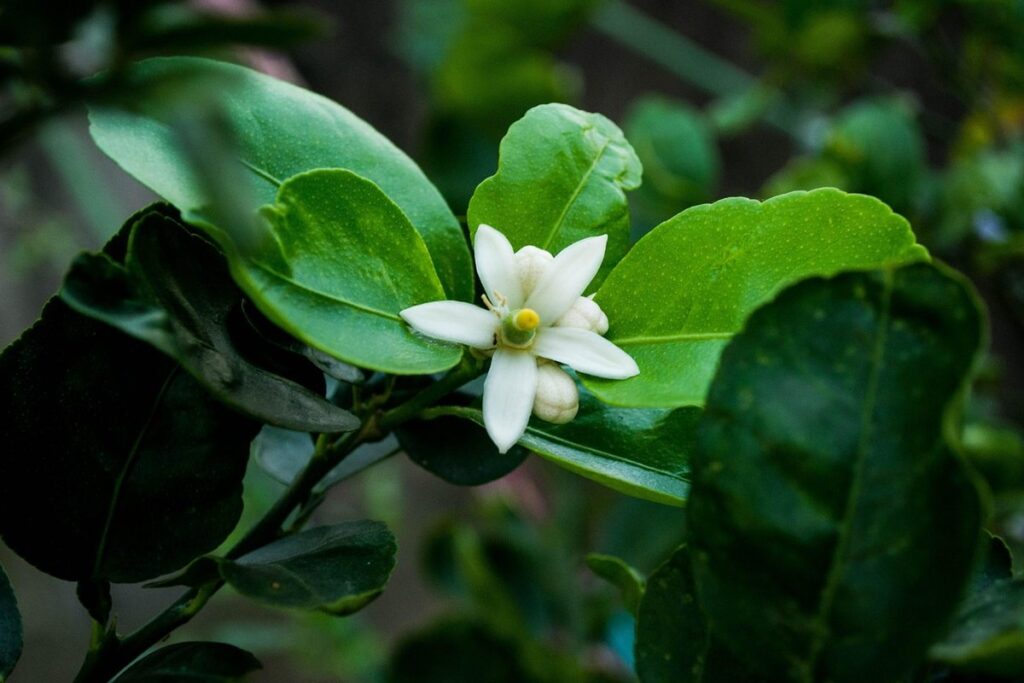
Understanding Lemon Flowering Cycles
To bloom, lemon trees need a delicate balance of light, water, and nutrients, which can be challenging to maintain. Let’s explore how these factors affect your tree’s flowering cycle.
Factors Influencing Bloom Timing
The factors that influence lemon plant flowering cycles are complex and multifaceted. One of the most significant variables is climate. Lemon plants thrive in warm temperatures between 64°F to 90°F (18°C to 32°C), with optimal blooming conditions occurring when temperatures range from 75°F to 85°F (24°C to 29°C). However, temperatures above or below this range can impact flowering cycles.
Light exposure is another crucial factor. Lemon plants require at least six hours of direct sunlight per day to produce plenty of flowers. But be cautious not to expose your plant to intense heat during peak sun hours, as this can cause damage to the delicate blossoms.
Watering and fertilization also play a role in determining when your lemon plant will bloom. Aim for well-draining soil and water your plant regularly but avoid overwatering, which can lead to root rot and reduced blooming potential. Additionally, ensure you’re providing your plant with an adequate amount of nutrients through regular fertilization.
To encourage optimal flowering conditions, consider planting your lemon tree in a location with good air circulation and some protection from harsh weather conditions. This will help prevent disease and promote healthy growth.
Identifying Pre-Bloom Signs
As a lemon plant owner, you’ll want to catch those early signs of flowering to plan and prepare for this exciting event. One of the most reliable indicators is a change in foliage color. Typically, lemon tree leaves will turn a deeper green or even take on a yellowish tint as they prepare to bloom. This subtle shift might not be immediately noticeable, but with close observation, you’ll catch the trend.
Another key sign is the emission of a sweet, citrusy fragrance. This is usually a clear indication that your plant is gearing up for flowering. You might notice this scent wafting from the tree’s leaves or trunk, especially in the morning when it’s most pronounced.
Keep an eye on the tree’s growth pattern as well. Lemon trees often produce new shoots and branches before they bloom, so you might see a burst of fresh greenery emerging from the main stem or lateral branches. These visual cues will give you a heads-up that blooming is just around the corner.
Choosing the Right Lemon Variety
When selecting a lemon tree for your garden, knowing which variety will thrive in your climate is crucial to ensure a bountiful harvest of beautiful flowers and delicious lemons. Let’s explore the options.
Popular Varieties and Their Bloom Characteristics
When it comes to choosing the right lemon tree variety for its prolific blooming, several species stand out from the rest. The Meyer and Eureka lemons are two popular options that produce stunning flowers.
Meyer lemons are known for their bright yellow blooms with a strong citrus fragrance. These flowers tend to bloom in clusters and can last anywhere from 5-10 days. Their sweet aroma is often described as being between a lemon and an orange, making them a favorite among gardeners.
Eureka lemons, on the other hand, produce large white blooms with a light yellow center. They have a delicate fragrance and tend to bloom individually rather than in clusters. The blooming period for Eureka lemons typically lasts 7-14 days.
Both varieties are excellent choices if you want to enjoy an abundance of lemon blossoms. When selecting one or the other, keep in mind their unique characteristics and choose based on your personal preferences.
Factors Affecting Pollination in Different Varieties
When choosing a lemon variety, it’s essential to consider its impact on pollination efforts. Some varieties are naturally more productive and easier to pollinate than others. For instance, ‘Meyer’ lemons rely heavily on cross-pollination due to their low pollen production, making them more susceptible to reduced yields if not adequately pollinated.
On the other hand, ‘Dwarf Washington’ navel oranges are known for their self-fertile nature, producing adequate seeds without cross-pollination. Similarly, some lemon varieties like ‘Eureka’ and ‘Lisbon’ can be partially self-fertile, although they still benefit from occasional cross-pollination.
To ensure successful pollination, growers should consider the specific needs of their chosen variety. Plant multiple trees or bushes of the same type nearby to facilitate natural cross-pollination. Additionally, manually transfer pollen between flowers or use a small brush to simulate this process for varieties that struggle with self-pollination. This can significantly improve blooming success and yields.
Optimizing Bloom Conditions
To help you coax those beautiful blooms out of your lemon plant, let’s dive into the specifics of optimizing conditions for maximum flowering. This includes temperature, humidity, and light requirements.
Soil Quality and pH Impact on Blooms
Soil quality and pH levels play a significant role in determining the health and flowering of your lemon tree. If the soil is too alkaline or acidic, it can lead to nutrient deficiencies, which in turn affect blooming. For example, if the pH level is above 7, the tree may not be able to absorb essential nutrients like iron, resulting in stunted growth and reduced blooms.
To determine your lemon tree’s soil pH, you can purchase a DIY testing kit or send a sample to a lab for analysis. Based on the results, you can adjust the pH levels by adding lime to raise it or sulfur to lower it. It’s also essential to maintain good soil structure through regular composting and mulching.
Aiming for a slightly acidic to neutral pH range (around 6-7) is usually ideal for lemon trees. This allows them to absorb necessary nutrients while preventing nutrient deficiencies that can hinder blooming. Keep in mind that small adjustments may not have immediate effects, so be patient and monitor your tree’s progress over time. With the right soil conditions, you’ll be on track to enjoying a bountiful display of blooms from your lemon plant.
Watering and Pruning Practices
Proper watering and pruning practices play a crucial role in promoting healthy blooms on your lemon plant. Adequate irrigation is essential to provide the necessary nutrients for blooming, but overwatering can lead to root rot and poor growth. To strike the right balance, water your lemon plant when the top 1-2 inches of soil feels dry to the touch. Avoid getting water directly on the leaves or flowers, as this can cause fungal diseases.
As for pruning, it’s essential to remove dead or damaged branches, which can weaken the plant and prevent blooming. Prune your lemon plant in late winter or early spring, removing any weak growth and shaping the plant to encourage a strong, central leader. This will help direct energy towards blooming. When pruning, make clean cuts just above a leaf node using sharp, sterile pruning tools.
It’s also essential to fertilize your lemon plant regularly during the growing season to promote healthy growth and blooming. Use a citrus-specific fertilizer, following the manufacturer’s instructions for application rates. Fertilize your lemon plant every 2-3 weeks during the spring and summer months when it’s actively growing.
Encouraging Repeat Blooms
Encouraging repeat blooms can be a game-changer for your lemon plant, allowing you to enjoy its beautiful flowers for months on end. By making a few simple adjustments, you can coax more blooms out of your tree.
Strategies for Extended Bloom Periods
If you’re looking to encourage repeat blooms on your lemon tree throughout the year, there are several strategies you can employ. One effective method is to adjust the temperature of your lemon tree. Lemon trees prefer daytime temperatures between 65-75°F (18-24°C) and nighttime temperatures around 55-60°F (13-15°C). By keeping your tree within this range, it will be more likely to produce repeat blooms.
Another way to promote repeat blooms is through strategic light exposure. Most citrus trees, including lemon trees, need full sun to partial shade in order to thrive. However, if you live in a region with intense sunlight, consider providing some afternoon shade for your tree. This will help prevent scorching of the leaves and flowers.
Providing supplemental nutrients can also play a significant role in encouraging repeat blooms. Fertilize your lemon tree regularly with a citrus-specific fertilizer during the growing season (spring-fall). Avoid over-fertilizing, as this can cause more harm than good. By implementing these strategies, you should be able to enjoy repeat blooms on your lemon tree throughout the year.
Monitoring and Adapting to Environmental Factors
As you strive to maintain a thriving lemon plant with continuous blooms, it’s essential to monitor and adapt to environmental factors that can impact this process. Climate change, pests, and diseases are just a few examples of the external forces that can affect your plant’s performance.
Monitoring is key to staying ahead of potential issues. Keep an eye out for signs of pest infestations, such as tiny eggs or larvae on leaves or stems. Regularly inspect your plant for disease symptoms like yellowing leaves, black spots, or white powdery patches. You can also use tools like soil pH meters and moisture sensors to track changes in temperature, humidity, and nutrient levels.
Adapting strategies are crucial to addressing these environmental challenges. For instance, if you notice pests affecting your lemon plant, introduce beneficial insects like ladybugs or lacewings that prey on these unwanted visitors. If disease is a concern, adjust watering schedules, prune infected areas, or apply targeted fungicides. By staying vigilant and making informed adjustments, you can minimize the impact of environmental factors and encourage repeat blooms in your lemon plant.
Pest and Disease Management
When it comes to enjoying those beautiful blooms, you’ll want to protect your lemon plant from pests and diseases that can damage its delicate flowers. Proper management is key.
Common Pests Affecting Lemon Blooms
When your lemon plant is in bloom, it’s not uncommon to encounter unwanted visitors that can damage its delicate flowers. Among the most common pests affecting lemon blooms are aphids, whiteflies, and mealybugs. These tiny insects feed on the sap of the plant, weakening it and causing curled or distorted leaves.
Recognizing infestations early is key to preventing damage. Look for sticky honeydew droplets on the leaves or stems, which can attract ants and promote fungal growth. Check for actual pests by gently brushing off any white powdery residue or inspecting the undersides of leaves where they tend to congregate.
To control these infestations, adopt an integrated pest management (IPM) approach that combines physical barriers, biological controls, and targeted treatments when necessary. For example, introducing beneficial insects like ladybugs or lacewings can help keep pest populations in check.
Fungal Diseases Impacting Bloom Quality
Fungal diseases like root rot and scab can have a significant impact on lemon blooms. These diseases thrive in moist environments, making them more likely to develop during periods of high rainfall or overwatering. If left unchecked, fungal infections can cause flowers to drop, reducing yields and affecting the overall quality of your lemons.
To prevent these issues, it’s essential to maintain good pruning habits. Regularly remove any dead or diseased wood to promote healthy growth and air circulation. Also, ensure your lemon trees receive adequate sunlight and are spaced far enough apart to allow for proper airflow.
In addition to pruning, sanitation is crucial in preventing the spread of fungal diseases. Remove any infected plants or debris from your garden, and disinfect tools regularly. If necessary, apply a fungicide specifically designed for citrus trees to prevent further infection. Early detection and intervention can go a long way in protecting your lemon blooms.
Harvesting and Preserving Lemon Blooms
Now that you’ve successfully coaxed your lemon plant into blooming, it’s time to think about how to harvest and preserve these delicate flowers for enjoyment year-round. We’ll walk you through the process of preserving lemon blooms.
Timing and Techniques for Hand-Pollination
When it comes to maximizing the yield and quality of your lemon blossoms, hand-pollination is an essential technique. By understanding the optimal timing and techniques involved, you can ensure a bountiful harvest.
The best time for hand-pollination is usually between 8-10 am or late afternoon when the flowers are most receptive. This allows you to collect pollen from the stamens of one flower and gently transfer it to the stigma of another, mimicking natural pollination.
To successfully hand-pollinate lemon blossoms, use a small, clean brush or cotton swab to gently collect pollen from the anthers. Then, touch the brush to the stigma of another flower, making sure to distribute the pollen evenly. It’s essential to handle the flowers carefully to avoid damage and ensure accurate pollination.
Remember that hand-pollination is most effective when performed on consecutive days, as this allows for optimal transfer of pollen between flowers. With regular practice and attention to timing, you can enjoy a healthier, more robust lemon harvest.
Tips for Preserving Fresh Lemon Flowers
Preserving fresh lemon flowers is a great way to enjoy their beauty and fragrance throughout the year. When it comes to storage methods, keep in mind that lemon flowers are delicate and should be handled with care. Store them in a dry, cool place away from direct sunlight, as moisture can cause them to wilt quickly.
One popular method for preserving fresh lemon flowers is air drying. Tie the stems together in small bunches and hang them upside down in a warm, dry area with good airflow. This method helps preserve their natural color and shape. You can also use silica gel or desiccants to absorb moisture and prevent wilting.
Using lemon flowers in arrangements and crafts is another creative way to preserve them. Simply trim the stems, add some greenery, and arrange as desired. You can also press lemon flowers between sheets of paper towels or use a flower press for more intricate designs. Be sure to experiment with different preservation methods to find what works best for you and your style. With a little creativity, you can enjoy the beauty of fresh lemon flowers all year round.
Troubleshooting Common Issues
Don’t worry if things aren’t going as planned, because we’re about to tackle some of the most common issues that can prevent your lemon plant flowers from blooming. Let’s get troubleshooting!
Addressing Unpredictable Blooms or Lack of Pollinators
Sometimes, lemon plant flowers may bloom unpredictably, or you might notice a lack of pollinators visiting them. This can be frustrating, especially if you’re eager to enjoy the fragrance and beauty of your lemon blossoms.
Firstly, let’s address unpredictable blooming cycles. These can occur due to factors such as sudden temperature changes, inadequate watering, or insufficient sunlight. To rectify this, ensure that your lemon plant is placed in a spot with stable temperatures between 65-75°F (18-24°C). Also, maintain consistent moisture levels by checking the soil daily and only watering when it feels dry.
Another common issue is a lack of pollinators like bees, butterflies, or hummingbirds. To attract these beneficial insects:
* Plant a variety of flowers that provide nectar and pollen, such as lavender or coneflowers.
* Avoid using pesticides, which can harm or repel pollinators.
* Consider introducing beneficial insects like ladybugs or lacewings to your garden.
By implementing these solutions, you should be able to encourage more frequent and predictable blooming cycles.
Managing Pests and Diseases That Impact Bloom Health
Pests and diseases can be major threats to the health of your lemon blooms. Common pests like aphids, whiteflies, and spider mites can suck sap from the leaves, while diseases like root rot, leaf spot, and powdery mildew can cause unsightly damage.
To recognize infestations or infections, look for signs such as yellowing or browning leaves, distorted growth, sticky substance on leaves, or fungal growth. Regularly inspect your plant’s foliage and soil to catch issues early.
To manage pests, use integrated pest management (IPM) techniques. This involves using a combination of methods like pruning infested areas, introducing beneficial insects, and applying targeted pesticides only when necessary. For example, spraying neem oil can help control aphid populations without harming your lemon blooms.
When it comes to diseases, adopt good gardening practices like providing adequate air circulation, watering carefully, and removing infected leaves or stems. If a problem persists, consider using organic fungicides or bactericides specifically designed for citrus plants.
Frequently Asked Questions
How Do I Know When My Lemon Plant Is Ready for Hand-Pollination?
Pollinating your lemon tree requires a delicate timing to ensure successful fertilization. Typically, you’ll notice the flower buds swelling and the flowers starting to open around 10-14 days after they’ve formed. This is usually when the trees are in full bloom. If you’re unsure about the optimal time for hand-pollination, observe your plant’s natural pollination cycles to determine when the best moment is.
What Are Some Common Pests and Diseases That Affect Lemon Tree Blooms?
Maintaining a healthy balance of beneficial insects and effective pest management can be crucial in ensuring optimal blooming. Be on the lookout for common pests such as mealybugs, whiteflies, and aphids, which can severely impact flowering cycles. Regularly inspect your plant for signs of infestation or disease like fungal infections that cause black spots or powdery mildew.
Can You Provide More Information About Soil Quality and pH Levels?
Soil quality plays a significant role in the overall health and blooming performance of your lemon tree. For optimal growth, maintain a slightly acidic soil pH between 6.0 and 7.0. This will ensure that your plant is receiving the necessary nutrients for healthy flowering cycles.
How Often Should I Water My Lemon Tree to Encourage Blooms?
Consistent moisture levels are essential in promoting blooming. Water your tree deeply once or twice a week, depending on weather conditions, but make sure not to overwater as this can damage roots and negatively affect flowering cycles. Monitor soil moisture by sticking your finger into the soil up to the first knuckle.
Are There Any Varieties of Lemon Trees That Are More Prone to Blooming Problems?
Different lemon tree varieties have varying levels of resistance to common pests and diseases that affect blooming. Some popular, disease-resistant options include ‘Meyer’, ‘Dwarf Washington’, and ‘Satsuma’ varieties. Research the specific needs of your chosen variety to ensure optimal care for healthy blooms.