
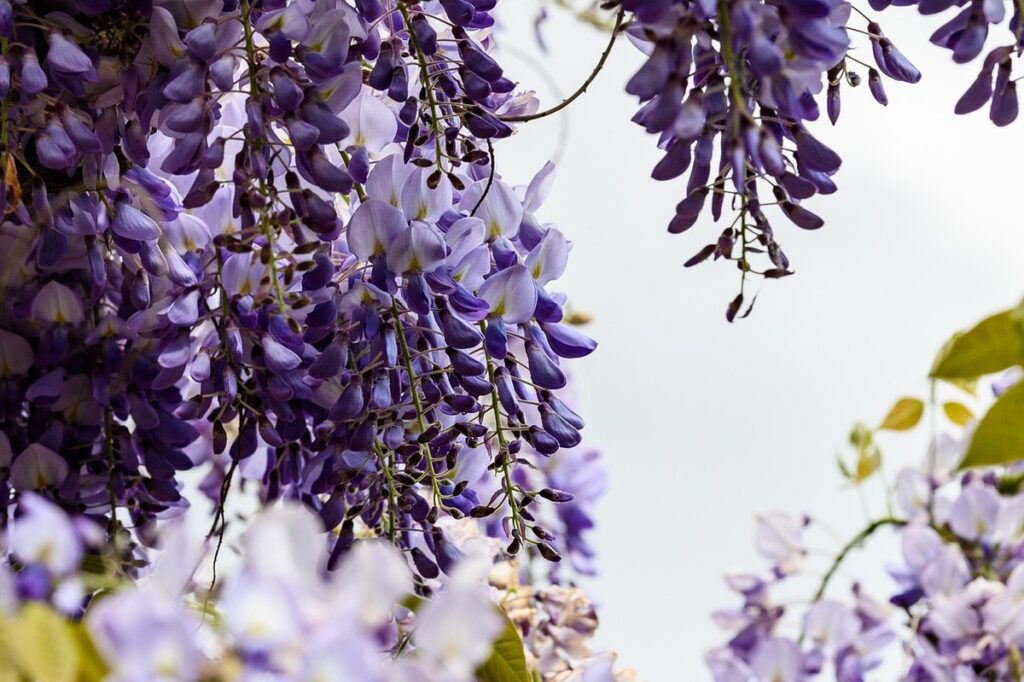
Wisteria plants are a sight to behold, don’t you think? Their cascading flowers and delicate fragrance make them a favorite among gardeners. But let’s be real – wisterias can be finicky to care for. If you’re new to growing these gorgeous vines or struggling with yours, you’re not alone! With the right guidance, you’ll be enjoying a thriving wisteria garden in no time. This guide will walk you through choosing the perfect variety for your climate and space needs, pruning techniques to encourage healthy growth, and pest management tips to keep those pesky insects at bay. We’ll cover all the ins and outs of wisteria plant care so you can get the most out of these beautiful plants. Whether you’re a seasoned gardener or just starting out, this comprehensive guide will give you expert tips for success.
Choosing the Right Variety
When it comes to growing wisteria, selecting the right variety is crucial for success. You’ll want to choose a type that thrives in your climate and suits your desired bloom color.
Understanding Wisteria Types
When it comes to choosing the right wisteria variety for your garden, understanding the different types is crucial. There are three main species of wisteria plants: Chinese Wisteria (Wisteria sinensis), Japanese Wisteria (Wisteria floribunda), and American Wisteria (Wisteria frutescens). Each type has its unique characteristics, growth habits, and requirements.
Chinese Wisteria is known for its vigorous growth and ability to thrive in a wide range of conditions. It produces long, fragrant flowers that cascade down the plant. Japanese Wisteria, on the other hand, has shorter stems and a more delicate appearance, but it’s also more sensitive to frost. American Wisteria is a compact option with smaller flowers and a more moderate growth rate.
Understanding these differences will help you choose the right wisteria variety for your garden. For example, if you live in an area with harsh winters, Japanese or American Wisteria may be a better choice due to their greater cold hardiness.
Selecting a Wisteria for Your Climate
When selecting a wisteria variety for your garden, one of the most critical factors to consider is your climate. Wisterias are generally hardy plants that can thrive in various conditions, but some varieties perform better than others depending on temperature, humidity, and sunlight.
To choose a suitable wisteria variety based on your climate, start by identifying your USDA Hardiness Zone. This will help you determine which types of wisteria are best suited for your region. For example, if you live in a zone with harsh winters (4-5), opt for varieties like ‘Caroline’ or ‘Maculata’, which are more resistant to cold temperatures. On the other hand, if you reside in a warmer climate (7-10), consider varieties like ‘Blue Moon’ or ‘Amethyst Falls’, which prefer milder conditions.
Additionally, consider your local soil type and space constraints when selecting a wisteria variety. Some types, such as ‘Constance Clopton’, have smaller root systems and require less maintenance for compact spaces. Others, like ‘Sungold’, are more vigorous growers that need ample space to spread out.
Ultimately, research specific climate requirements for each variety and choose one that aligns with your garden’s conditions to ensure optimal growth and success.
Planting and Establishing Wisteria
When planting wisteria, it’s essential to choose a location with well-draining soil and full sun. A successful establishment requires careful planning and execution from day one.
Preparing the Site
When planting a wisteria, it’s essential to choose an ideal location that will provide the necessary conditions for its optimal growth. Wisterias require full sun to partial shade, so select a spot that receives at least six hours of direct sunlight per day. The area should also have well-draining soil, as wisterias don’t thrive in waterlogged conditions.
Consider the nearby structures when planting your wisteria. If you’re planting near a house or other buildings, keep in mind that the long, woody stems can grow quite large and may damage walls or gutters if not properly supported. Similarly, avoid planting too close to power lines or other overhead obstructions, as the vines can grow up to 10 feet per year.
In terms of soil conditions, wisterias prefer slightly acidic to neutral soil with a pH between 5.5 and 7.0. If your soil is heavy clay or sandy, amend it with organic matter such as compost to improve drainage and fertility. By choosing the right location for your wisteria, you’ll set it up for success and ensure a beautiful display of flowers in years to come.
Digging and Planting
When digging and planting your wisteria vine, it’s essential to create an environment that will support its extensive root system. Begin by choosing a location with well-draining soil and full sun to partial shade. If your wisteria is being planted in a spot with poor drainage or dense clay, consider raised beds to improve conditions.
Dig a hole that’s about 3-4 times wider and just as deep as the root ball of the vine. Add a generous amount of organic matter such as compost or well-rotted manure to the bottom of the hole. This will help retain moisture and provide nutrients for the developing roots. Gently remove the wisteria from its container and place it in the hole, spreading its roots evenly throughout.
Backfill with soil, making sure not to compact it too much. Water thoroughly to settle the soil and provide enough moisture to support establishment. Mulch around the base of the plant to retain moisture and suppress weeds. As your wisteria establishes itself, remember to water regularly during hot or dry spells, but avoid overwatering which can lead to root rot.
Watering and Mulching
To keep your wisteria thriving, it’s essential to understand how to properly water and mulch around its roots, which we’ll cover in detail below. This section addresses common watering mistakes and mulching tips specifically for wisteria.
Understanding Wisteria Water Needs
Wisterias require consistent moisture, especially during their first year of growth. However, overwatering can be detrimental to these plants. To determine the right amount of water for your wisteria, consider several factors.
Temperature and humidity significantly impact watering frequency. In areas with hot summers, wisterias need more frequent watering, while cooler climates require less. Generally, aim to provide about 1 inch of water per week through a combination of rain and irrigation. If you live in an area with low rainfall, you may need to supplement with regular watering.
Soil type also plays a crucial role. Wisterias prefer well-draining soil to prevent root rot. In heavy clay soils, you may need to increase the frequency of watering. Conversely, if your wisteria is planted in sandy or loamy soil, it can tolerate some drought. Check the moisture level by inserting a finger into the soil up to the knuckle. If the soil feels dry, it’s time to water.
Mulching Strategies
Mulching around wisteria plants offers numerous benefits, including retaining moisture, suppressing weeds, and regulating soil temperature. When it comes to choosing a mulch, consider the following options: organic materials like wood chips, bark, or leaves; pine straw; and rock or gravel for better drainage. If you opt for an organic mulch, apply it in a 2-3 inch layer around the base of your wisteria plant, leaving some space between the mulch and the trunk to prevent moisture buildup.
Some key considerations when applying mulch include keeping it a few inches away from the plant’s crown, as this helps prevent disease and pest issues. It’s also essential to replenish mulch annually or every two years, depending on its type and performance in your specific climate. Additionally, consider using a weed barrier under your mulch layer to ensure that weeds don’t grow through it and compete with your wisteria for resources.
Regular mulching will help create an optimal environment for your wisteria plant to thrive, while also reducing the need for frequent watering and fertilization.
Fertilization and Pruning
To grow a healthy wisteria, it’s essential to understand how to properly fertilize your plant and when to prune its extensive vines to maintain shape and promote blooms.
Fertilizing Wisterias for Optimal Growth
When it comes to fertilizing wisterias for optimal growth, timing and frequency are crucial. Wisterias typically require fertilization during their active growing seasons, which usually occur in spring and early summer. During these periods, apply a balanced fertilizer (10-10-10 NPK) once a month to promote healthy foliage and flower production.
You can also consider using a bloom-booster fertilizer specifically formulated for flowering plants like wisterias. These fertilizers are rich in phosphorus, which encourages blooming and helps develop flowers. However, be cautious not to over-fertilize, as this can lead to weak, leggy growth and even damage your plant’s roots.
A good rule of thumb is to follow the manufacturer’s instructions for application rates and timing. It’s also essential to consider your soil type and pH level when choosing a fertilizer. If you have acidic or alkaline soil, select a fertilizer specifically designed to address these conditions. Remember to fertilize lightly during the fall season, as wisterias tend to go dormant at this time, and excessive nutrients can harm the plant.
The Art of Pruning Wisterias
Pruning wisterias requires skill and patience to achieve the desired shape and promote healthy growth. The primary goals of pruning are training, shaping, and rejuvenating the plant. Training involves guiding young wisteria vines to grow along a trellis or arbor, while shaping focuses on maintaining a specific form or structure. Rejuvenation is necessary for mature plants that have become overgrown or neglected.
For training purposes, prune in late winter or early spring when the plant is dormant. Cut back the longest shoots to about 6-8 feet from the ground, leaving smaller branches intact. As new growth emerges, gently weave the shoots onto the trellis or arbor. For shaping and rejuvenation, prune in late winter or early spring as well. Remove any dead, diseased, or damaged wood, cutting back overgrown stems to about one-third of their length.
Timing is crucial when pruning wisterias, as improper timing can lead to a mass of new growth that may not be manageable. Prune no more than 10-15% of the plant’s branches each year to avoid stressing the plant. With regular pruning and proper care, your wisteria will thrive and produce stunning blooms for years to come.
Pest and Disease Management
To keep your wisteria healthy and thriving, it’s essential to monitor for signs of pests and diseases, which can quickly spread if left unchecked.
Common Pests Affecting Wisteria Plants
One of the most common issues gardeners face when it comes to wisteria plant care is pests. These tiny critters can cause significant damage to your beautiful flowering vines if left unchecked. Among the most notorious pests affecting wisterias are aphids, whiteflies, and spider mites.
Aphids are small, soft-bodied insects that feed on plant sap, causing curled or distorted leaves. They can multiply quickly, especially in warm weather, and can be identified by their pear-shaped bodies and presence of sticky honeydew. To control aphid infestations, use neem oil or insecticidal soap to spray the affected areas.
Whiteflies are tiny flying insects that feed on plant sap, causing yellowing leaves and stunted growth. They can also transmit diseases like tomato spotted wilt virus. To manage whitefly infestations, introduce natural predators like ladybugs or lacewings into your garden.
Spider mites are microscopic arachnids that feed on plant sap, causing fine webbing and yellowing leaves. They thrive in dry conditions and can be controlled by increasing humidity around the plant and using neem oil or insecticidal soap to spray the affected areas. Regularly inspecting your wisteria for signs of pests and taking action promptly can help prevent infestations from getting out of hand.
Managing Fungal Diseases in Wisteria
Fungal diseases can be a major concern for wisteria growers. Two of the most common fungal issues affecting wisterias are powdery mildew and root rot. Powdery mildew is characterized by a white, powdery coating on leaves, stems, or flowers, while root rot manifests as yellowing or browning foliage due to the fungus’s invasion of the plant’s roots.
Prevention is key when it comes to managing fungal diseases in wisteria. Regular watering can help prevent fungal spores from entering the plant through damaged tissue. Mulching around the base of the plant also helps retain moisture and suppress weed growth, which can harbor fungal pathogens. Moreover, providing good air circulation by pruning nearby plants or using a trellis system can reduce humidity levels and make it harder for fungi to spread.
If your wisteria has already been infected, treatment options include spraying with a fungicide specifically formulated to combat powdery mildew or root rot. To prevent the fungus from spreading, remove any affected parts of the plant and dispose of them promptly. Implementing a regular maintenance schedule that includes monitoring for signs of disease and adjusting watering and pruning practices accordingly will help minimize the risk of fungal infections in your wisteria.
Additional Tips and Considerations
Now that you’ve mastered the basics of wisteria plant care, let’s dive into some additional tips and considerations to help your vine thrive in its ideal conditions.
Growing Wisteria in Containers
When it comes to growing wisteria in containers, you’ll need to consider the unique challenges of rooting a vigorous climber in a contained space. First and foremost, select a large container with good drainage, as wisteria prefers moist soil but can be prone to root rot if the water sits for too long.
For potting mix, choose a well-draining blend specifically designed for climbing plants or trellises. You’ll also need to water more frequently than you would for in-ground plants, as container soil dries out faster.
Pruning is essential when growing wisteria in containers, as the plant will quickly become top-heavy and may topple over if not regularly pruned back. Train the stems along a trellis or other support to keep it upright and encourage healthy growth. Be sure to fertilize regularly during the growing season with a balanced fertilizer.
With proper care, you can enjoy beautiful wisteria blooms even in small spaces.
Integrating Wisteria into Your Garden Design
When incorporating wisterias into your garden design, it’s essential to consider a few key factors to ensure their beauty and fragrance don’t come at the expense of structural integrity. If you have limited space, choose compact varieties like ‘Caroline’ or ‘Blue Moon’, which require less support than other types.
To provide the necessary framework for these vigorous climbers, train them onto trellises, pergolas, or arbor structures that can withstand their weight and growth. Avoid over-pruning, as this can compromise the plant’s stability and reduce flowering potential.
Companion planting is also a vital consideration. Pair wisterias with plants like roses, clematis, or honeysuckle to create a tapestry of colors and textures. However, avoid placing them near vegetables or herbs, as their vigorous growth may outcompete these crops for resources. For example, train your wisteria up a south-facing wall or trellis, then plant complementary flowers like lavender or coneflowers nearby to create a stunning display.
By considering space constraints, structural support, and companion planting, you can successfully integrate wisterias into your garden design and enjoy their breathtaking blooms for years to come.
Frequently Asked Questions
How Often Should I Water My Wisteria Plant During the First Year of Growth?
Wisterias need consistent moisture, especially during their first year of growth. Water your wisteria plant regularly, but avoid overwatering, which can lead to root rot. Aim for about 1 inch of water per week, either from rain or irrigation. Be sure to mulch around the base to retain moisture and suppress weeds.
Can I Grow Wisteria in Containers If I Don’t Have Space in My Garden?
Yes, you can grow wisteria in containers, but choose a large container with good drainage (at least 14-16 inches deep) to accommodate its extensive root system. Use a well-draining potting mix and fertilize regularly. Keep the soil consistently moist, but not waterlogged. Be prepared for regular pruning to control its size.
How Do I Identify Common Pests Affecting Wisteria Plants?
Common pests affecting wisteria plants include Japanese beetles, aphids, and spider mites. Inspect your plant regularly for signs of infestation, such as holes in leaves or a sticky substance on stems. Use organic pest control methods whenever possible, like neem oil or insecticidal soap.
Can I Prune My Wisteria Plant at Any Time of the Year?
Yes, you can prune your wisteria plant during its dormant season (winter or early spring), but it’s best to do so in late winter or early spring for optimal results. This allows you to remove dead or damaged branches and promote new growth.
How Do I Encourage My Wisteria Plant to Bloom More Prominently?
To encourage your wisteria plant to bloom more prominently, provide it with full sun (at least 6 hours of direct sunlight) and well-draining soil. Fertilize regularly, but avoid overfertilizing, which can lead to weak growth and fewer blooms. Prune the plant correctly to maintain its shape and promote new growth.