
Lady beetles are often admired for their bright colors and beneficial presence in gardens, but have you ever wondered about their life cycle? Specifically, how to identify those tiny larvae that precede the iconic adult beetles? Recognizing lady beetle larvae is crucial for gardeners and naturalists alike, as it allows us to monitor their populations and understand their impact on pest control. However, distinguishing these larvae from similar-looking insects can be a challenge. In this article, we’ll take you through the life cycle stages of lady beetle larvae, highlighting key physical characteristics and habitats that will help you confidently identify them. Whether you’re a seasoned entomologist or a curious gardening enthusiast, our guide will walk you through everything you need to know about identifying lady beetle larvae.
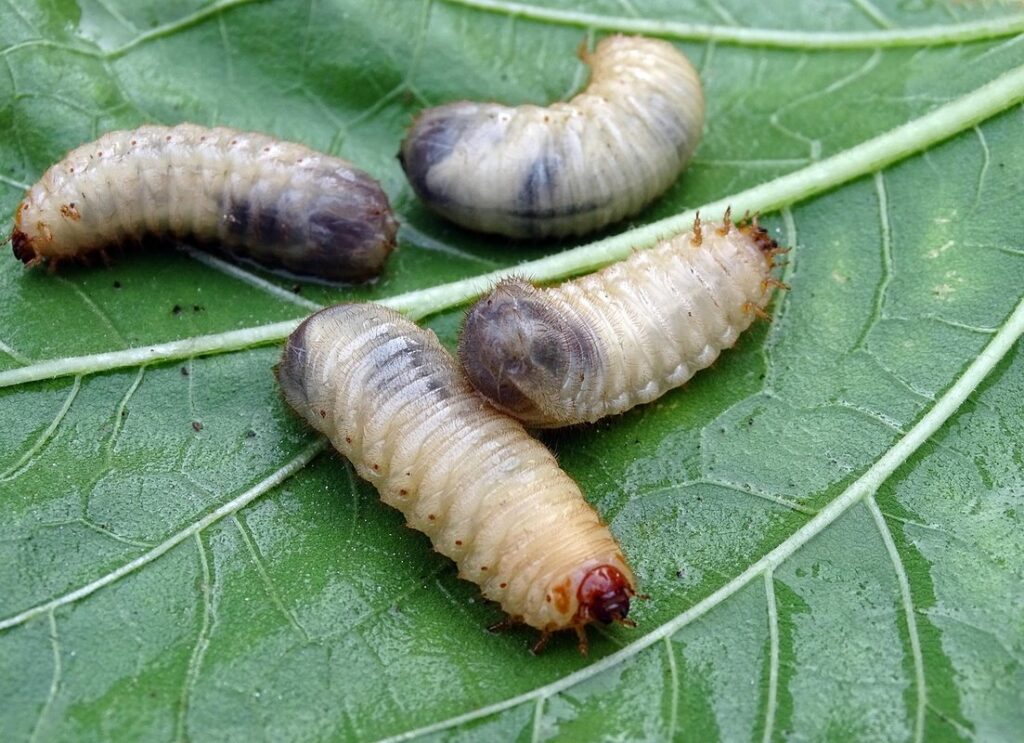
Understanding Lady Beetles and Their Life Cycle
Let’s take a closer look at how lady beetles develop from egg to adult, understanding their life cycle is crucial for accurate identification of larvae. This section breaks down each stage in detail.
Introduction to Lady Beetles
When it comes to lady beetles, many people have misconceptions about these beneficial insects. Let’s set the record straight: lady beetles are not just cute-looking bugs; they play a vital role in our ecosystem. These tiny creatures are natural predators that feed on aphids, scale insects, and other pests that harm plants.
One of the most significant benefits of lady beetles is their ability to control pest populations without the use of pesticides. They are an essential part of integrated pest management (IPM) strategies, which aim to minimize environmental damage while controlling infestations. For example, in a study conducted by the University of California, it was found that introducing lady beetle larvae into a garden reduced aphid populations by up to 90%.
Despite their importance, many people mistakenly believe that lady beetles are beneficial only when they’re adults. However, it’s essential to recognize the crucial role that lady beetle larvae play in maintaining ecosystem balance. In this comprehensive guide, we’ll delve into the world of lady beetle larvae identification, helping you become proficient in distinguishing these tiny predators from other insects.
The Life Cycle of Lady Beetles
A lady beetle’s life cycle is a fascinating process that involves four distinct stages: egg, larva, pupa, and adult. It begins with the female laying her eggs on a suitable host plant, typically within 1-2 days of mating. The eggs hatch into larvae after about 3-4 days, depending on factors like temperature and humidity.
The lady beetle larva is often mistaken for an aphid due to its similar appearance, which can make identification challenging. However, there are key differences – lady beetle larvae have a more rounded abdomen and distinct black spots or markings. They go through several molts as they grow and develop, eventually reaching their maximum size after about 10-14 days.
As the larva prepares for adulthood, it enters the pupal stage, where metamorphosis occurs. This usually takes around 3-5 days, during which time the pupa transforms into a fully formed adult lady beetle. It’s worth noting that not all species undergo this complete transformation; some go through an incomplete metamorphosis, but more on that in our next section.
Physical Characteristics of Lady Beetle Larvae
When it comes to identifying lady beetle larvae, being able to recognize their physical characteristics is crucial for accurate identification. Let’s take a closer look at what these young beetles typically resemble.
Body Structure and Segmentation
When examining lady beetle larvae, one of the most distinctive features is their body structure and segmentation. Unlike adult lady beetles, which have a smooth elytra (wing covers), lady beetle larvae have a more segmented body plan that resembles an alligator-like appearance. The thorax, abdomen, and head are clearly distinguishable, making it easier to identify them.
Each segment of the larva’s body is covered in fine hairs called setae or bristles, which can be either short and stout or long and slender. These setae play a crucial role in the larva’s sensory perception, helping them detect food sources and potential threats. The number and type of setae present on each segment can also serve as a distinguishing characteristic between different species.
Observe the arrangement of setae on your specimen to note any patterns or variations that might help with identification. Remember that lady beetle larvae undergo several instars (stages) before pupation, so be sure to note any changes in their body structure and segmentation during this time.
Color Patterns and Markings
When examining lady beetle larvae, one of the key characteristics to look out for is their color patterns and markings. These can be quite variable among different species, but there are some common themes that can help you narrow down the identification.
Some species have a distinctive pattern of yellow or orange spots on their black body, while others may feature a more mottled appearance with shades of red or brown. The number, size, and arrangement of these markings can be important for distinguishing between different species.
For example, the larva of the Seven-spotted Lady Beetle has seven yellow spots arranged in two rows along its back, while the Multicolored Asian Lady Beetle features a more mottled appearance with shades of red and brown. Look for these distinctive patterns when trying to identify lady beetle larvae.
Keep in mind that some species may have similar markings but differ slightly in their shape or arrangement, so it’s essential to examine the larvae carefully and consider multiple characteristics before making an identification. With practice, you’ll become more comfortable recognizing these subtle variations.
Identification by Habitat and Distribution
To accurately identify lady beetle larvae, consider their natural habitats and distribution patterns, which can vary greatly depending on the species. Different environments can also influence larval appearance and behavior.
Lady Beetle Larvae in Gardens and Agriculture
When it comes to finding lady beetle larvae, understanding their preferred habitats is crucial. Lady beetle larvae can be found in a variety of environments, including gardens and agricultural fields. In fact, these areas are often hotspots for lady beetle larvae activity.
In gardens, look for lady beetle larvae on plants with aphid infestations. The larvae feed on these pests, making them beneficial to gardeners. Check the undersides of leaves, stems, and flower buds for signs of lady beetle larvae. If you’re observing a large number of aphids being consumed, it’s likely that lady beetle larvae are present.
Agricultural fields can also be a good location to spot lady beetle larvae. These areas often have an abundance of weeds and crops that attract aphid populations, making them a prime target for lady beetle larvae. In forests, look for lady beetle larvae on trees with high concentrations of aphids or other soft-bodied insects. Remember to observe these areas during the warmer months when lady beetle larvae are most active.
Regional Variations and Endemic Species
Regional variations and endemic species of lady beetle larvae exist across different parts of the world. These differences are often due to factors like diet, climate, and genetic adaptation. For example, in North America, you may come across the multicolored Asian lady beetle (Harmonia axyridis) with its distinctive orange-red spots. However, in Europe, this same species has a different color pattern.
To identify regional variations and endemic species of lady beetle larvae, examine their body shape, size, and coloration closely. Note any distinctive markings or patterns that might be unique to your region. Research local species profiles can also help you narrow down potential identifications. Some lady beetle larvae may have elongated bodies with yellow stripes in North America, whereas those found in Asia tend to have a more rounded body shape.
When encountering an unfamiliar specimen, consult field guides and online resources for guidance on regional variations and endemic species. Pay attention to local experts’ advice and take notes from their experiences when possible.
Similar-Looking Insects and Misidentification
As you delve into identifying lady beetle larvae, it’s easy to get confused with similar-looking insects that can lead to misidentification. This section will help you distinguish between lookalikes.
Common Confusions: Lady Beetle vs. Other Beetles
One of the biggest challenges in identifying lady beetle larvae is distinguishing them from other similar-looking beetles. The most common culprits are the ground beetles (Carabidae family) and the June beetles (Melolonthinae subfamily). While they share some physical characteristics, there are key differences that can help you confidently identify a lady beetle larva.
One of the main giveaways is the shape of the head. Lady beetle larvae have a distinctive “hump” or bump on their forehead, which is usually absent in other beetles. Compare this to ground beetles, whose heads are typically rounded and smooth. June beetles also tend to have a more elongated body shape, often with a distinctive white stripe running along their thorax.
If you’re still unsure, take a closer look at the legs. Lady beetle larvae typically have six segmented prolegs (smaller leg-like structures) on each side of their abdomen, which help them move around and grasp onto leaves. Ground beetles and June beetles usually lack these prolegs or have fewer segments. By paying attention to these details, you can quickly rule out other beetles and confirm the presence of a lady beetle larva.
Avoiding Misidentification with Other Insect Groups
To avoid misidentifying lady beetle larvae with other insects, it’s essential to familiarize yourself with their distinct characteristics. One common mistake is confusing them with flies, particularly hoverflies (also known as flower flies), which have similar color patterns and are often found near the same food sources.
However, there are some key differences that set lady beetle larvae apart from flies. For instance, lady beetle larvae tend to be more rounded in shape and have a more robust body compared to flies, which are typically slender and elongated. Additionally, lady beetle larvae usually lack the distinctive wing pads found on fly larvae.
Another group of insects that can be easily confused with lady beetles is ants. While both may appear dark or reddish-brown, ant larvae tend to be longer and thinner than lady beetle larvae. Furthermore, ant larvae often have a more transparent or pale-colored exoskeleton, which contrasts with the opaque coloration found on lady beetle larvae.
When examining potential specimens, remember that these differences are not always immediately apparent, especially if you’re new to entomology. Take your time, observe multiple characteristics, and consult field guides or online resources for verification.
Life Stages and Developmental Phases
As you learn to identify lady beetle larvae, it’s essential to understand their life stages and developmental phases that ultimately lead them to become adult beetles. This section will break down those stages for a clearer identification process.
Early Instar Stages: Key Features to Look For
When observing lady beetle larvae, it’s essential to understand that they go through several instars before reaching adulthood. The early instar stages are characterized by a few distinct features that can help with identification. At this stage, the larva is typically pale yellow or orange in color and has a distinctive head shape, often resembling a small, rounded triangle.
One of the primary key features to look for during the early instar stages is the presence of spines on the thorax. These spines are usually shorter and more pointed compared to those found on later instars. Additionally, the prothoracic plate (the segment just behind the head) is often rounded or slightly concave.
During this stage, it’s also crucial to note the absence of distinctive patterns or coloration that may appear in later instars. Instead, focus on the overall shape and size of the larva. Remember, lady beetle larvae are relatively small, usually around 1-2 mm in length. With practice and attention to detail, you’ll become more adept at recognizing the early instar stages and identifying these tiny creatures accurately.
Late Instar Stages: Preparation for Pupation
As you observe your lady beetle larva, it’s essential to recognize when they’re approaching pupation. This stage is marked by distinct changes in behavior and physical features that signal the transition from a hungry, active instar to a dormant pupa.
One of the first signs is a decrease in feeding activity. Late-instar larvae may start to slow down their eating pace or even stop consuming food altogether. They’ll also begin to shed their skin more frequently as they outgrow it quickly. Keep an eye on your larva’s body proportions – the abdomen will expand significantly, and the thorax might become slightly narrower.
As pupation nears, you may notice changes in behavior such as reduced movement or restlessness. The larvae will start to look for a suitable location to undergo metamorphosis, often choosing dark, secluded areas with minimal disturbance. This is an ideal time to gently transfer your larva to a pupation chamber or a secure container to ensure their safety and prevent escape.
During this critical phase, it’s crucial not to disturb the larvae excessively. Avoid touching or handling them, as this can cause stress and delay or even prevent proper metamorphosis. With patience and attention to these subtle signs, you’ll be able to identify when your lady beetle larva is preparing for pupation and provide them with the best possible conditions for a successful transformation.
Tips for Observing and Recording Lady Beetle Larvae
When observing lady beetle larvae, it’s essential to note their coloration, body shape, and any distinctive markings that can aid in identification later on. Take a moment to jot down your observations for future reference.
Creating a Lady Beetle Observation Journal
Creating a Lady Beetle Observation Journal is an essential part of accurately recording and tracking your observations. This simple yet effective tool will help you keep track of the different species you encounter, their habits, habitats, and developmental stages.
When creating your journal, start by including basic information such as the date, location, and weather conditions for each entry. This data will provide context to your observations and make it easier to identify patterns or trends. Consider using a spreadsheet or table format to keep track of the number of larvae you observe, their size, coloration, and any notable characteristics.
In terms of note-taking, be as detailed as possible when describing the larvae’s appearance. Note the shape and texture of their bodies, the pattern of spots or stripes, and any distinctive features such as horns or tubercles. Also, make sure to include observations on their behavior, feeding habits, and interactions with other insects.
Remember to keep your journal organized by species, making it easy to review and compare your findings. By following these simple guidelines, you’ll be able to create a valuable resource for future reference and improve your skills in identifying lady beetle larvae.
Photographing and Documenting Lady Beetle Larvae
When photographing and documenting lady beetle larvae, it’s essential to follow best practices that ensure accuracy and clarity. First and foremost, choose a camera with good macro capabilities, such as a DSLR or mirrorless camera. A macro lens (10-100mm) will help capture the minute details of the larvae.
For optimal results, place the larvae on a plain background using a white card or paper to avoid distracting elements in the image. Ensure proper lighting by placing the larvae near a window with indirect sunlight or using a softbox. Avoid overexposure, which can cause loss of detail in the image.
Safety considerations are also crucial when photographing lady beetle larvae. Handle them gently to avoid injuring either yourself or the specimen. Wear gloves if possible to prevent oils from your skin coming into contact with the larvae. For documentation purposes, record the habitat and location where you found the larvae, along with any notable features or behaviors observed during the observation period.
Frequently Asked Questions
Can I use photographs to identify lady beetle larvae, or are there specific features that I need to observe in person?
While photographs can be helpful for identification purposes, it’s essential to examine lady beetle larvae under a microscope or with the aid of magnifying glasses to observe their key physical characteristics. Pay close attention to their body structure, segmentation, and color patterns. If you’re unsure about any aspect of their appearance, consult field guides or seek expert advice.
How do I distinguish between lady beetle larvae and other beetles that might resemble them?
Lady beetle larvae often have distinctive features such as a prominent head capsule, well-defined segments, and specific color patterns. However, some beetles can share similar characteristics. When in doubt, consult field guides or online resources to cross-reference the physical traits of different species. Consider consulting with an entomologist for assistance in determining the most accurate identification.
Are lady beetle larvae harmful to plants, or do they only feed on pests?
Lady beetle larvae are primarily beneficial insects that prey on aphids and other soft-bodied insects that can harm plants. In rare cases, if a lady beetle larva accidentally encounters a plant’s tissues during feeding, it may inadvertently cause minor damage. However, the overall impact of lady beetles is positive, making them valuable allies in integrated pest management strategies.
Can I raise lady beetle larvae for release in my garden or agricultural area?
Raising and releasing lady beetle larvae can be done, but it requires careful planning and execution. Consult reputable sources to learn more about rearing techniques, nutritional requirements, and optimal release conditions. It’s essential to ensure that the released larvae are disease-free and suitable for your specific region.
How long does it take for lady beetle larvae to develop into adults, and what environmental factors affect their growth?
The development time of lady beetle larvae varies depending on factors such as temperature, humidity, and food availability. Generally, from egg to adult can take around 2-4 weeks, although this period may extend in cooler or more adverse conditions. Understanding these environmental influences is crucial for accurately identifying life stages and predicting the timing of lady beetle populations.