
If you’re fascinated by the tiny creatures that call your garden home, then get ready to meet one of the most intriguing insects around: the plant ladybug larva. These little critters might be small, but they play a huge role in keeping our ecosystems balanced. As an essential part of the life cycle of these beneficial bugs, understanding plant ladybug larvae is crucial for anyone who wants to create a thriving garden or simply learn more about the natural world. In this article, we’ll delve into the fascinating world of plant ladybug larvae, exploring their life cycle, habitat requirements, diet, identification tips, and conservation efforts. We’ll also discuss why these tiny heroes are vital to our environment and how you can help protect them. By the end of this article, you’ll be well-versed in the wonderful world of plant ladybug larvae!
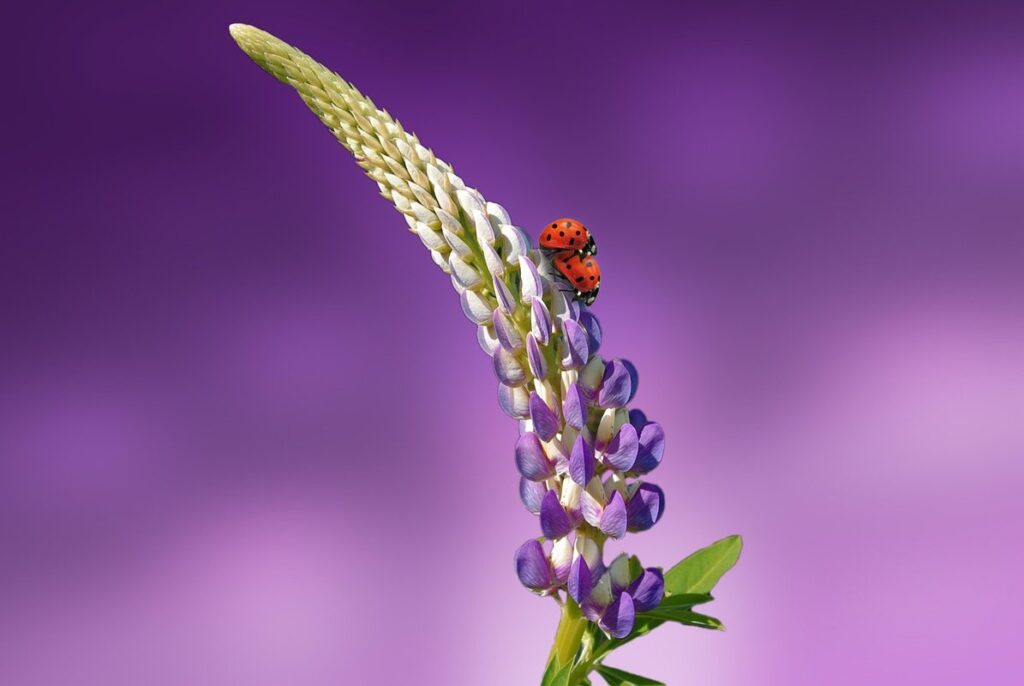
What are Plant Ladybugs and Their Life Cycle
Let’s dive into what plant ladybug larvae are, how they develop from eggs to adulthood, and what that process looks like in detail. We’ll break down each stage of their life cycle next.
Understanding the Different Stages of Development
The life cycle of plant ladybugs is a fascinating process that involves four distinct stages: egg, larva, pupa, and adult. To understand the different stages of development, let’s break down each stage and how they transform into the next one.
Starting from eggs, female plant ladybugs lay their eggs on the underside of leaves or stems of plants where their larvae will feed on the aphids and other soft-bodied insects. The eggs hatch after about 3-4 days, depending on temperature and humidity conditions.
As the egg hatches, a larva emerges, which is also known as a nymph. The larva goes through a series of molts (shedding of skin) before reaching its final instar. During this stage, the larva feeds voraciously on aphids and other pests, storing energy for the next stage.
After several weeks of feeding, the larva will stop eating and burrow into the soil or under plant debris to pupate. This is a critical stage where the larva undergoes metamorphosis, transforming into an adult beetle.
The Importance of Habitat and Diet for Larvae
When it comes to plant ladybug larvae, their habitat and diet play crucial roles in supporting their growth and development. As these young insects feed on plant sap, they require specific food sources to thrive. The type of plants available in the larva’s environment significantly impacts its ability to develop into a healthy adult.
Aphid-infested plants are a favorite among plant ladybug larvae, as aphids secrete a sweet, sticky substance called honeydew that serves as an ideal food source. However, if these aphids disappear or are removed, the larvae may struggle to survive on alternative food sources.
For optimal growth, ensure the presence of diverse plant species in your garden. This will provide the larva with various options for feeding and reduce its reliance on a single food source. Some beneficial plants that can support the development of plant ladybug larvae include angelica, dill, and fennel.
By providing a suitable habitat and adequate food sources, you can significantly enhance the chances of your plant ladybug larvae growing into healthy adults.
Ladybug Larvae Identification and Characteristics
To accurately identify plant ladybug larvae, it’s essential to know their distinct physical characteristics and life stages, which can vary depending on the species. Let’s break down these key identifiers together!
Physical Characteristics that Distinguish Them from Other Insects
One of the most fascinating aspects of plant ladybug larvae is their unique physical characteristics that set them apart from other insects. To identify these larvae, it’s essential to know what to look for. Plant ladybug larvae typically have a distinctive elongated body shape, often rounded at both ends, and are usually between 2-6 mm in length.
They tend to be darker in color than adult ladybugs, with shades of brown or black, sometimes featuring white or yellow markings on their heads, thoraxes, or abdomens. Observe the shape and size of their legs – plant ladybug larvae have six legs like other insects, but theirs are relatively short compared to their body length.
When examining a potential plant ladybug larva, pay attention to its prolegs (short, fleshy appendages found on segments 2-6) and setae (bristles or hairs). The presence of these features can be crucial in distinguishing them from other larvae. For example, the prolegs of plant ladybug larvae are usually short and stout compared to those of aphid-eating Coccinellids.
Keep in mind that some species may display variations in physical characteristics, so it’s always best to consult with a trusted field guide or entomologist if you’re unsure about identifying a particular larva.
Behavior and Activity Patterns of Ladybug Larvae
Ladybug larvae are fascinating creatures that have unique behavior and activity patterns. One of the most notable observations about ladybug larvae is their voracious appetite for aphids and other soft-bodied insects. They feed constantly, growing up to 20 times their original size in just a few weeks, and can consume entire colonies of aphids in a matter of days.
As they grow, ladybug larvae undergo a series of molts, shedding their skin multiple times as they outgrow it. During this process, they become more active and start exploring their surroundings, searching for food sources and potential mates. Ladybug larvae are also known to be solitary creatures, only coming together when they’re ready to pupate.
When interacting with their environment, ladybug larvae exhibit interesting behavior such as crawling up plant stems or leaves in search of food or shelter. They can also be seen aggregating on the underside of leaves, where it’s safer for them to feed and grow. By understanding these patterns, gardeners and farmers can take advantage of ladybug larvae’s beneficial activities and use them to control pest populations naturally.
Food Sources for Plant Ladybug Larvae
To raise thriving plant ladybug larvae, it’s essential to provide them with a diverse array of nutrient-rich food sources. Learn how to offer your young ladybugs a healthy diet that promotes growth and development.
The Importance of Specific Plant Species as Food Sources
When it comes to the survival and development of plant ladybug larvae, specific plant species play a crucial role as their primary food source. These tiny insects rely heavily on the nutrients found in certain plants to grow and thrive. For instance, aphid-infested rosemary and thyme plants are particularly favored by young ladybugs, providing them with an abundance of sap-sucking aphids to feast on.
Other essential food sources include dill, fennel, and angelica, all of which are rich in nutrients that support the larvae’s growth. These plants not only provide sustenance but also create a conducive environment for the larvae to develop their unique defense mechanisms. By incorporating these plant species into your garden or indoor space, you can inadvertently become a haven for these tiny creatures.
In fact, studies have shown that ladybug larvae reared on a diet of aphid-infested plants exhibit improved survival rates and stronger immunity compared to those fed with alternative food sources. This highlights the importance of providing a diverse range of plants to support their development, ultimately contributing to their success in controlling pest populations.
How Plant Ladybugs Use Chemical Signals to Find Food
Plant ladybugs have evolved an intricate system to locate their preferred food sources using chemical signals. This complex process involves multiple interactions with their environment, allowing them to pinpoint the optimal feeding grounds. One key player in this process is the plant ladybug’s sense of smell.
They possess highly developed olfactory organs that enable them to detect specific chemicals released by plants. These chemicals serve as a warning signal for potential threats, but they also provide crucial information about food availability and quality. By detecting these signals, plant ladybugs can determine which plants are most nutritious and abundant in their surroundings.
For instance, some plants release chemical signals when attacked by pests or experiencing stress. Plant ladybugs can detect these signals and alter their feeding behavior accordingly. They may shift to a more nutrient-rich plant source or change their consumption patterns to optimize their growth and development.
To apply this knowledge, if you’re interested in attracting plant ladybug larvae to your garden, consider incorporating plants that release attractive chemical signals into your landscape design. This will help create an environment conducive to the larvae’s survival and growth, supporting a healthy ecosystem within your garden.
The Role of Plant Ladybug Larvae in Ecosystems
As we explore the fascinating world of plant ladybugs, let’s take a closer look at how their larvae play a vital role in maintaining healthy ecosystems.
Contributions to Pollination and Seed Dispersal
In addition to their role as predators, ladybug larvae also make significant contributions to pollination and seed dispersal processes within ecosystems. As both predators and prey, they interact with various plant species in complex ways that ultimately support the reproduction of these plants.
When feeding on aphids and other soft-bodied insects, ladybug larvae inadvertently facilitate pollination by allowing flowers to receive more attention from beneficial insects like bees and butterflies. These pollinators are drawn to the same nectar sources as the ladybugs, increasing the chances of successful pollination. This process may seem indirect, but its impact on plant reproduction is substantial.
Moreover, ladybug larvae can also serve as a food source for other animals that play key roles in seed dispersal. For example, birds and small mammals consume ladybug larvae, which then deposit seeds from their digested plant material elsewhere in the ecosystem. This process of “endozoochory,” or internal seed transport, contributes to the spread of plant species and the diversification of ecosystems.
In gardens and backyards, you can create an environment that supports these beneficial interactions by planting a diverse range of flowers that attract pollinators and ladybugs alike. By doing so, you’ll be fostering a healthy ecosystem where both plants and animals thrive together in harmony.
How Ladybug Larvae Help Maintain Balance in Ecosystems
As we delve into the fascinating world of plant ladybug larvae, it’s essential to understand their vital role in maintaining balance within ecosystems. These young insects play a crucial part in keeping their environment healthy by controlling aphid and other pest populations through their feeding habits.
When ladybug larvae feed on aphids, they not only reduce the number of these pests but also help prevent them from multiplying. This is particularly significant in agricultural settings, where aphid infestations can lead to substantial crop damage and losses. By controlling aphid numbers, ladybug larvae contribute to maintaining a delicate balance between predators and prey.
In addition, ladybug larvae interact with other organisms within their ecosystem, such as beneficial nematodes and parasitic wasps, which also help regulate pest populations. This complex network of relationships highlights the intricate web of interactions that occurs in ecosystems and underscores the importance of ladybug larvae in maintaining balance.
Threats to Plant Ladybug Larvae Populations
Plant ladybug larvae populations face numerous threats that can impact their survival and growth, including habitat destruction and pesticide use in gardens. Let’s explore these risks up close.
Factors Contributing to Declines in Their Numbers
Plant ladybug larvae are facing numerous threats that contribute to their declining numbers. One significant factor is environmental changes, such as rising temperatures and altered precipitation patterns, which disrupt the delicate balance of ecosystems. For instance, warmer winters can lead to increased mortality rates among larval populations, while droughts can reduce food availability.
The widespread use of pesticides is another major threat to plant ladybug larvae. These chemicals not only harm the larvae directly but also contaminate their food sources and affect beneficial insects that prey on pests. As a result, it’s essential for gardeners and farmers to adopt integrated pest management techniques that minimize chemical usage.
Habitat loss is yet another critical concern. Plant ladybug larvae rely on specific host plants to survive, and destruction of these habitats through urbanization, agriculture, or other human activities can have devastating effects on populations. To mitigate this issue, individuals can plant native species that support larval growth in their gardens and communities.
By understanding the factors contributing to declines in plant ladybug larvae numbers, we can take steps towards preserving these fascinating creatures.
Conservation Efforts for Protecting Plant Ladybug Larvae
Conservation efforts are underway to protect these tiny creatures and their habitats. Organizations such as the Xerces Society and the Lady Bird Johnson Wildflower Center have launched initiatives aimed at safeguarding plant ladybug larvae populations. These organizations work closely with farmers, gardeners, and policymakers to implement strategies that promote coexistence between these insects and human activities.
One successful approach has been the adoption of Integrated Pest Management (IPM) techniques. By adopting IPM methods, farmers can reduce their reliance on pesticides, creating a more welcoming environment for beneficial insects like plant ladybug larvae. For example, the Organic Farming Research Foundation has reported that organic farms in California have seen a 50% increase in beneficial insect populations, including ladybugs, compared to conventional farms.
In addition to IPM, habitat restoration and creation of insect-friendly gardens are also crucial steps towards protecting these insects. By planting native flowers and shrubs, gardeners can create havens for plant ladybug larvae to feed and develop. For instance, the Lady Bird Johnson Wildflower Center recommends incorporating plants with nectar-rich flowers that attract pollinators, providing a vital source of food for emerging adults.
Conclusion: Appreciating the Value of Plant Ladybug Larvae
As we conclude our exploration of plant ladybug larvae, let’s take a moment to appreciate their remarkable value and significance in the ecosystem. This section will summarize what we’ve learned about these tiny wonders.
Recap of Key Points Covered in the Article
In reviewing our journey through the fascinating world of plant ladybug larvae, it’s clear that these tiny creatures play a vital role in maintaining healthy ecosystems. Let’s recap some of the key points covered in this article: their unique life cycle, feeding habits, and importance as both predators and prey.
Plant ladybug larvae are voracious eaters, feeding on aphid colonies and other small insects to sustain themselves during their development. This behavior not only keeps pest populations under control but also influences the overall biodiversity of an ecosystem. For example, a study found that ladybug larvae can reduce aphid numbers by up to 90% in some cases.
Moreover, plant ladybug larvae serve as an essential food source for other beneficial insects and even small birds. Their role as both predators and prey highlights their position within the delicate balance of nature.
In conclusion, appreciating the value of plant ladybug larvae is crucial for understanding ecosystem dynamics. By recognizing these tiny creatures’ contributions, we can better manage our gardens and landscapes to promote a healthier coexistence between plants and insects.
Final Thoughts on the Importance of Preserving Biodiversity
As we conclude our exploration into the captivating world of plant ladybug larvae, it’s essential to remember that these tiny creatures play a significant role in maintaining healthy ecosystems. The importance of preserving biodiversity cannot be overstated, and plant ladybug larvae are a prime example of this.
These insects serve as an indicator species, signaling potential issues within their ecosystem when they’re absent or struggling. This is precisely why it’s crucial to preserve their habitats and ensure that their populations remain stable. By doing so, we’re not only safeguarding the environment but also maintaining the delicate balance within our ecosystems.
Think of plant ladybug larvae as a canary in a coal mine – if their numbers decline or disappear, it’s often a sign that something is amiss. So, what can you do to contribute to preserving biodiversity and these incredible insects? Start by creating a welcoming environment for them in your garden, complete with native plants and minimal pesticide use. Every small step counts, and together we can make a significant impact on preserving the beauty of plant ladybug larvae and their ecosystems.
Frequently Asked Questions
Can I attract plant ladybug larvae to my garden if I provide them with their preferred food sources?
To attract plant ladybug larvae, it’s essential to create a diverse garden that includes plants from the Coleoptera family, particularly those in the Coccinellidae family. These include aphid-infested plants like sunflowers and dill. Planting native flowers and herbs also helps support local beneficial insects.
How do I protect plant ladybug larvae from predators and diseases?
To safeguard your garden’s beneficial insect population, maintain a balanced ecosystem by avoiding overuse of pesticides or other chemicals that can harm these tiny heroes. Monitor your plants regularly for signs of pests or disease, and adopt organic gardening methods whenever possible.
Can I raise plant ladybug larvae in captivity for release into my garden?
Raising ladybugs in captivity requires specific conditions, including a controlled environment with the right temperature, humidity, and food sources. Research local regulations regarding the transportation and release of beneficial insects, as well as consult with experienced entomologists or gardening experts before attempting to raise plant ladybug larvae.
What signs indicate that my garden is attracting an adequate number of plant ladybug larvae?
Observing a reduction in aphid populations can be one indicator of successful plant ladybug larva attraction. Additionally, spotting these tiny insects on the undersides of leaves and observing their feeding behavior are signs of a thriving beneficial insect population.
Are there specific times or seasons when I should focus on conserving and protecting plant ladybug larvae?
Timing is crucial for effective conservation efforts. Typically, plant ladybugs overwinter as adults, so it’s essential to maintain garden habitats during the winter months to support their survival. In regions with mild winters, focus on conserving food sources during the spring and summer when larvae are most active.