
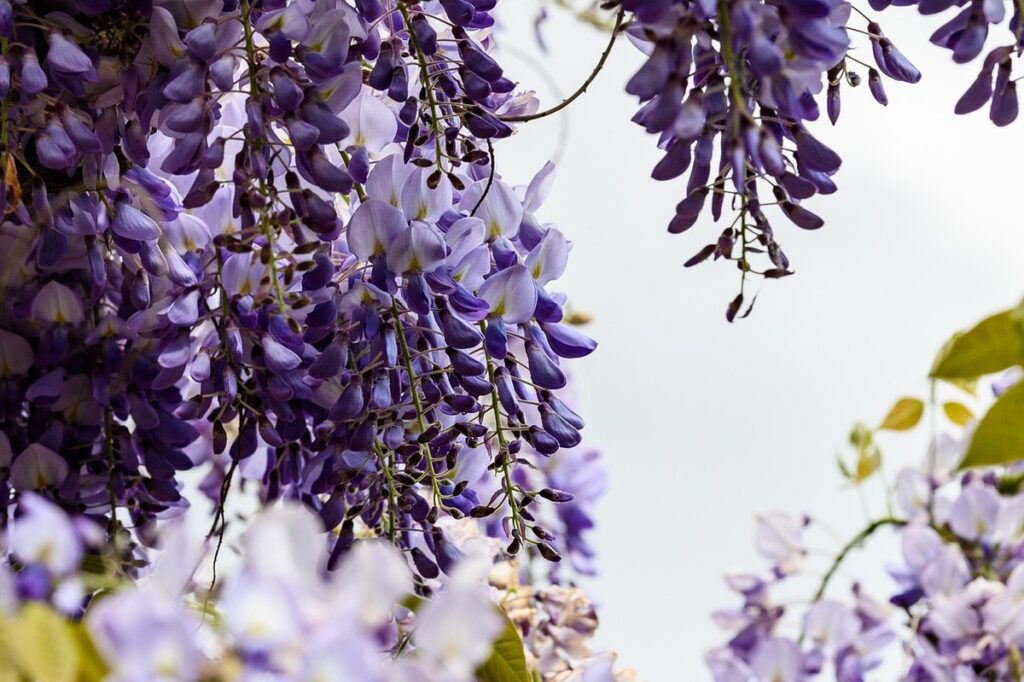
Wisteria plant flowers are one of the most breathtaking sights in any garden, with their cascading purple blooms that can reach up to 12 feet long. But growing these stunning flowers requires more than just a green thumb – it demands attention to detail and a solid understanding of their needs. In this comprehensive guide, we’ll walk you through everything you need to know about wisteria plant care, including climate and soil requirements, pruning tips, and more. Whether you’re a seasoned gardener or just starting out, learning how to grow wisteria can be a game-changer for your outdoor space. We’ll cover the different types of wisteria plants, their uses in landscaping, and provide expert advice on how to keep these beautiful flowers blooming year after year.
Understanding the Basics of Wisteria Plants
If you’re new to wisteria plants, it’s essential to understand their basic needs and characteristics before diving into their care. Let’s start by exploring what makes these flowering plants so unique.
What is a Wisteria Plant?
Wisteria plants are a type of flowering plant that is widely known for its stunning and fragrant blooms. These beautiful flowers come from the Wisteria spp. genus, which comprises about 10 species of vines native to Asia, North America, and Australia. Wisterias thrive in temperate climates with mild winters and warm summers, making them a popular choice for gardens and landscapes.
You can find wisterias growing wild in their natural habitats in parts of China, Japan, Korea, and the southeastern United States. These plants have adapted to grow in areas with well-drained soil and full sun, often using trees or other structures as support as they climb upwards. With proper care, a wisteria plant can grow up to 10 feet tall and spread outwards by several yards.
If you’re thinking of growing your own wisteria plant, consider the specific needs of these plants in your region. Check if your area has the right climate for wisterias and choose a variety that is suitable for your local conditions. With the right care and attention, your wisteria will bloom with vibrant flowers and fragrance, bringing beauty to your garden or landscape.
Types of Wisteria Plants
Wisteria plants come in three main species that are widely cultivated and admired for their stunning flowers. Chinese wisteria (Wisteria sinensis) is one of the most common varieties, known for its long, fragrant blooms that can reach up to 6 inches in length. It’s a bit more vigorous than other types, making it ideal for covering pergolas or trellises.
Japanese wisteria (Wisteria floribunda), on the other hand, produces shorter but more numerous flowers, often blooming in clusters of 12-18 inches. This variety is also known for its sweet fragrance and is a popular choice for gardens with limited space.
American wisteria (Wisteria frutescens) is native to North America and has smaller, less showy flowers than the other two species. However, it’s more drought-tolerant and requires less maintenance, making it a great option for gardeners who want a low-fuss option. When choosing a wisteria plant, consider factors like your climate, available space, and desired level of maintenance to pick the best variety for your needs.
Keep in mind that all three species can be invasive in certain regions, so be sure to check local regulations before planting.
Growing Conditions for Wisteria Plants
To ensure your wisteria plant thrives, it’s essential to understand its specific growing conditions, including climate, soil type, and sunlight requirements. A little research will go a long way in keeping your flowers healthy and vibrant.
Climate and Soil Requirements
When growing wisteria plants, understanding their climate and soil requirements is crucial for optimal flowering. Wisteria prefers a temperate climate with mild winters and hot summers. Ideal temperature ranges for growth are between 65°F to 75°F (18°C to 24°C), while the plant can tolerate temperatures as low as 40°F (4°C) and as high as 90°F (32°C).
In terms of humidity, wisteria thrives in areas with moderate humidity levels, typically above 50%. Avoid planting in extremely humid or dry environments. Soil pH is also crucial; wisteria prefers slightly acidic to neutral soil with a pH range between 6.0 and 7.5.
When choosing a location for your wisteria plant, ensure it receives full sun to partial shade. While the plant can tolerate some shade, direct sunlight will promote more vibrant flowering. If you’re planting in poor soil, consider adding organic matter like compost or well-rotted manure to improve soil structure and fertility. Regularly monitor your plant’s growing conditions and adjust accordingly for optimal flowering results.
Planting and Care Tips
When it comes to growing wisteria plants, choosing the right location is crucial for their health and flowering performance. Select a spot that receives full sun to partial shade, depending on the specific variety of wisteria you’re planting. Make sure the area has good air circulation to prevent disease.
Water your wisteria plant regularly, but avoid overwatering, which can lead to root rot. Water deeply once or twice a week, depending on weather conditions. Fertilize your wisteria plant annually with a balanced fertilizer in early spring, following the manufacturer’s instructions.
Pruning is an essential part of wisteria care, as it encourages new growth and promotes flowering. Prune your wisteria plant after its blooming period, cutting back long stems to about two feet from the ground. This will help maintain the plant’s shape and promote healthy growth. It’s also a good idea to prune any dead or damaged branches throughout the growing season.
By following these planting and care tips, you’ll be well on your way to growing a thriving wisteria plant with beautiful flowers.
Wisteria Plant Flowers: Characteristics and Meaning
Wisteria plant flowers come in a variety of colors, each with its own unique characteristics and symbolism. Let’s take a closer look at what these beautiful blooms have to offer.
Appearance and Fragrance
Wisteria flowers are renowned for their breathtaking beauty, and one of the key factors contributing to this allure is their stunning appearance. These delicate blooms come in a range of colors, including soft pastels, vibrant purples, blues, and whites. The most common varieties tend to feature a mix of shades within a single bloom, adding depth and visual interest.
The fragrance of wisteria flowers is equally captivating. When these blooms are in full bloom, the sweet scent fills the air, creating an enchanting experience for those who get to enjoy it. This intoxicating aroma can be attributed to the chemical compounds present in the plant’s nectar.
What makes wisteria flowers particularly striking is their long, flowing clusters that dangle from the vine like a fragrant waterfall. The way these blooms cascade adds a sense of drama and elegance to any landscape. To appreciate the full beauty of your wisteria plant, make sure to position it in an area where its fragrance can be fully enjoyed – perhaps near a seating nook or walkway.
Symbolism and Significance
Wisteria flowers have long been imbued with symbolic meaning across various cultures and traditions. In Japan, for instance, wisteria is often associated with the fleeting nature of life and beauty. The plant’s stunning blooms are seen as a reminder to appreciate the present moment, as they bloom briefly but intensely before fading away. Similarly, in China, wisteria is considered a symbol of good fortune, prosperity, and longevity.
In many Asian cultures, wisteria flowers also represent the soul or spirit. According to legend, the delicate petals are said to carry the whispers of loved ones who have passed on. This symbolism has led some to cultivate wisteria in their gardens as a way to honor their ancestors and connect with the spiritual realm.
In Western cultures, wisteria is often seen as an emblem of luxury, elegance, and refinement. The plant’s long, flowing blooms are reminiscent of the intricate details found in fine art and architecture.
Uses for Wisteria Plants and Flowers
Whether you’re looking to add a romantic touch to your garden or create stunning floral arrangements, wisteria plants have plenty of uses beyond just their breathtaking beauty.
Ornamental Value
Wisteria plants are highly valued for their ornamental appeal, making them a popular choice for gardeners and landscapers. Their beautiful flowers can add a touch of elegance to any setting, from residential gardens to commercial landscapes. One of the most significant advantages of wisteria is its ability to provide long-lasting color, often blooming for several weeks in late spring or early summer.
In gardens, wisteria can be trained to grow up trellises, arbors, or pergolas, creating a stunning display of flowers that cascade down. This can be achieved through regular pruning and maintenance. For example, the Japanese Wisteria (Wisteria floribunda) produces long, fragrant flower clusters in shades of pink and purple, perfect for adding color to a garden’s focal points.
Wisteria is also a popular choice for floral arrangements due to its showy flowers and delicate fragrance. To incorporate wisteria into your arrangements, simply trim the stems of fresh flowers and use them as you would any other cut flower. This adds an exotic touch to bouquets and centerpieces.
Medicinal and Culinary Uses
Wisteria flowers have been used for centuries in traditional medicine and cooking, particularly in Asian cultures. In China, for example, wisteria flowers are believed to possess calming properties and are often used to treat anxiety and insomnia. The flowers can be consumed as a tea or infused into water to create a soothing drink.
In culinary applications, the leaves and flowers of the wisteria plant are edible and can be used in salads or as a garnish for various dishes. In Japan, wisteria leaves are often pickled and served as a side dish, while the flowers are used to make a sweet syrup that’s drizzled over ice cream or pancakes.
If you’re interested in trying wisteria in your cooking or as a medicinal remedy, be sure to source high-quality, organic plants from trusted suppliers. When using wisteria in recipes, it’s essential to note that the flowers and leaves can cause allergic reactions in some individuals, so start with small amounts and monitor for any adverse effects.
When making wisteria tea, use one teaspoon of dried flowers per cup of boiling water and steep for 5-7 minutes. You can also combine wisteria with other herbs like lavender or chamomile to create a relaxing blend.
Challenges and Solutions for Growing Wisteria Plants
Growing wisteria can be a bit tricky, but don’t worry, we’ve got you covered. In this next part of our guide, we’ll tackle common challenges and share expert tips to help your beautiful blooms thrive.
Common Problems and Pests
Wisteria plants can be susceptible to various problems and pests that can affect their health and beauty. One of the most common issues is root rot, which occurs when the roots are consistently waterlogged, causing them to decay. This can happen if you’re overwatering or if the plant is growing in a spot with poor drainage. To prevent this, make sure your wisteria plant has well-draining soil and that it’s not sitting in a low-lying area where water tends to collect.
Another problem that may arise is leaf spot disease, which appears as yellow or brown spots on the leaves. This can be caused by various fungi, including Cercospora and Septoria, and can spread quickly if left untreated. To prevent this, ensure your plant receives adequate air circulation and avoid overhead watering.
Pests such as aphids, whiteflies, and spider mites can also infest wisteria plants, sucking sap from the leaves and causing curled or distorted growth. Inspect your plant regularly for signs of these pests and treat with insecticidal soap or neem oil if necessary.
Management Strategies
To ensure your wisteria plant thrives, it’s essential to address potential management challenges early on. One common issue is overgrowth, which can cause the plant to become leggy and unattractive. To prevent this, prune your wisteria regularly, cutting back stems by about one-third each year. This will encourage bushy growth and promote more blooms.
Another challenge is pest infestation, particularly with aphids, whiteflies, and spider mites. Regularly inspect your plant for signs of pests, such as sticky honeydew droplets or actual insects on the leaves. If you notice any issues, treat them promptly using insecticidal soap or neem oil. Preventative measures include introducing beneficial nematodes to your soil, which can help control pest populations.
Additionally, wisteria plants are susceptible to fungal diseases like powdery mildew and root rot. To prevent these issues, ensure good air circulation around the plant and avoid overwatering. Regularly inspect your plant’s roots for signs of rot, and repot it in fresh soil if necessary. By taking proactive steps to manage potential challenges, you can enjoy healthy, thriving wisteria plants with stunning blooms for years to come.
Tips for Propagation and Maintenance
To keep your wisteria plant thriving, you’ll want to learn some essential tips on propagation and maintenance to ensure its beauty lasts all season long. With proper care, you can enjoy these gorgeous flowers for years to come!
Propagation Methods
Propagation Methods for Your Wisteria Plant
When it comes to propagating wisteria plants, you have several methods at your disposal. While seed propagation is a viable option, it’s worth noting that this method can be unpredictable and may not produce true-to-type plants. On the other hand, layering is a more reliable approach, as it allows for the rooting of long stems while still attached to the parent plant.
Stem cuttings are another popular method of wisteria propagation. To do this successfully, you’ll need to take 3-4 inch sections from the current year’s growth, removing lower leaves and any weak or damaged tissue. Then, dip the cut ends into a rooting hormone powder or liquid and plant them in a well-draining potting mix. Keep the soil consistently moist but not waterlogged, and roots should develop within 1-3 months.
Regardless of the method you choose, be patient as wisteria plants can take time to establish themselves after propagation. With proper care and attention, however, your new plant will soon be blooming beautifully alongside its parent.
Long-Term Care and Pruning
Maintaining healthy wisteria plants over time is crucial for their continued blooming and structural integrity. As these vines grow, they require regular care to prevent damage from weather conditions and pests. One essential task is pruning, which should be done annually to control the plant’s size, promote new growth, and encourage flowering.
There are several techniques for pruning wisteria plants. For young or newly planted wisteria, a light prune in late winter or early spring can help establish a strong root system and promote healthy growth. Established wisteria plants require more frequent prunes throughout the growing season to maintain their desired shape and size. To encourage blooming, it’s essential to prune selectively, removing no more than one-third of the plant’s stem tips.
When pruning wisteria, cut back any dead or damaged stems, and thin out the branches to allow air circulation and sunlight penetration. This not only helps prevent disease but also promotes healthy growth and encourages new flowers to bloom.
Frequently Asked Questions
Can I grow wisteria plants in containers?
Yes, you can grow wisteria plants in containers, but it’s essential to choose a large container with good drainage since the roots of wisteria plants are quite extensive. Make sure the container is at least 12-18 inches deep and has adequate room for the plant’s spread.
How often should I water my wisteria plant?
Wisteria plants prefer well-draining soil and can be sensitive to overwatering. Water your wisteria plant regularly during its first year of growth, but reduce watering as it matures. Aim to provide about 1 inch of water per week, either through rainfall or irrigation.
Can I prune my wisteria plant in the fall?
No, it’s best to prune your wisteria plant in late winter or early spring before new growth begins. Pruning in the fall can lead to weak and brittle growth that may be more susceptible to disease and pests. Wait for the dormant season to shape your wisteria plant.
How long does it take for a wisteria plant to bloom?
Wisteria plants typically take 3-5 years to mature and produce significant blooms after planting. However, some varieties can start blooming as early as 2 years after planting. Be patient and provide the right growing conditions for your wisteria plant to ensure optimal blooming.
Can I use organic fertilizers on my wisteria plant?
Yes, you can use organic fertilizers like compost or manure tea to promote healthy growth in your wisteria plant. Avoid overfertilizing, as this can damage the plant’s roots and lead to weak blooms. Follow the recommended application rates for optimal results.