
Are you growing a lemon tree in your backyard or even just a small pot on your windowsill? If so, chances are you’ve noticed those beautiful white blooms that suddenly appear and then disappear. Lemon plant flowers may be short-lived, but they’re incredibly valuable – not only for their aesthetic appeal but also for their culinary and medicinal uses.
In this comprehensive guide, we’ll show you how to make the most of your lemon tree’s blossoms. From pruning techniques to preservation methods, we’ll cover everything you need to know about cultivating, caring for, and harvesting lemon plant flowers. Whether you’re a seasoned gardener or just starting out, this article will provide you with expert tips on how to reap the benefits of these lovely blooms – from incorporating them into your favorite recipes to using their essential oils for natural remedies.
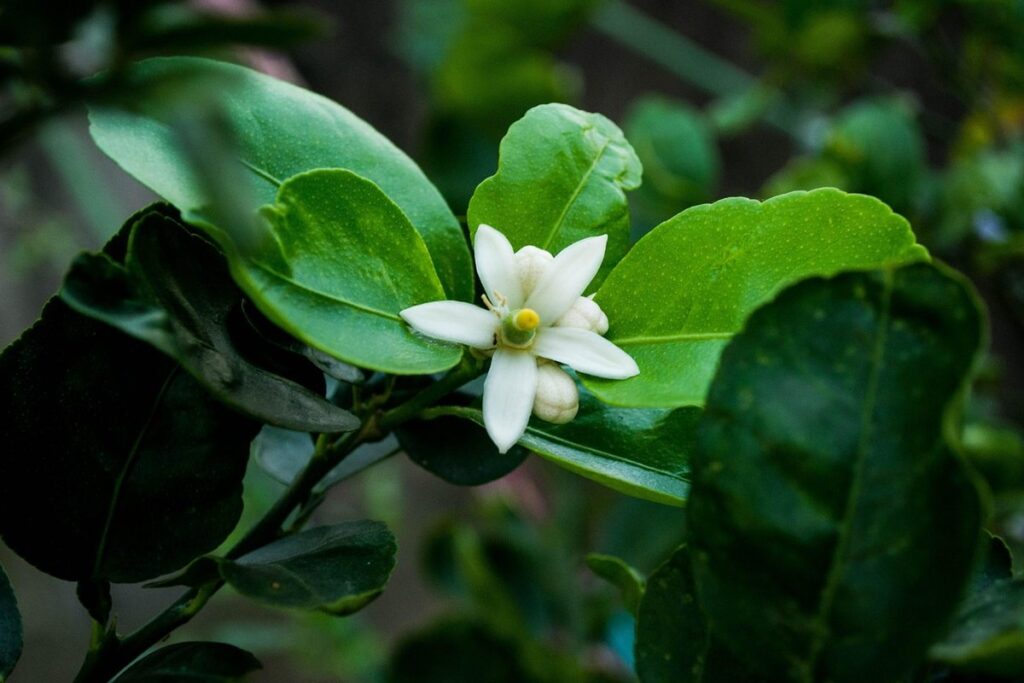
Introduction to Lemon Plant Flowers
Lemon plant flowers are often overlooked, but they’re actually a vital part of your tree’s life cycle. In this next section, we’ll delve into what these blooms look like and when you can expect to see them.
What are Lemon Plant Flowers?
Lemon plant flowers are a vital part of the lemon tree’s life cycle. They play a crucial role in the tree’s overall health and productivity, and their significance cannot be overstated. These fragrant blooms not only add to the tree’s aesthetic appeal but also serve as a key indicator of its fertility and potential fruit yield.
When a lemon tree is healthy and thriving, it will produce an abundance of flowers. The timing of flower production can vary depending on factors such as climate, soil quality, and nutrient availability. However, when conditions are favorable, you can expect to see clusters of white or cream-colored flowers emerging from the branches of your lemon tree.
In addition to their aesthetic value, lemon plant flowers are also a sign of the tree’s reproductive cycle. They contain the tiny pollen sacs that contribute to the fertilization process necessary for fruit development. To encourage healthy flower production and subsequent fruiting, ensure your tree receives adequate sunlight, water, and nutrients throughout its growth stages. This simple maintenance routine can make all the difference in promoting a bountiful harvest from your lemon tree.
Benefits of Lemon Plant Flowers
When you think of lemon plant flowers, chances are that their citrusy scent and vibrant colors come to mind. But did you know that these beautiful blooms offer a multitude of benefits for your garden? Not only do they attract pollinators like bees and butterflies, but they also contribute to improving air quality.
Lemon plant flowers are rich in nectar and pollen, making them an irresistible source of food for pollinators. This is particularly beneficial for gardens where other sources of nectar and pollen are scarce. By planting lemon trees or using lemon-scented plants, you can create a welcoming environment for these essential garden visitors.
Moreover, the fragrance emitted by lemon plant flowers has natural air-purifying properties. Citrus-based fragrances have been shown to effectively eliminate airborne pollutants and bacteria. As an added bonus, the bright yellow hues of lemon blossoms inject a pop of color into your garden, elevating its overall aesthetic appeal. Whether you’re looking to boost pollinator activity or simply add some visual interest to your outdoor space, incorporating lemon plant flowers is a great place to start!
Understanding the Life Cycle of Lemon Plant Flowers
As you’ve probably noticed, lemon plant flowers go through a distinct life cycle that’s essential to understand if you want to maximize their blooming potential and keep your plant healthy. Let’s take a closer look at what happens during this process.
Stages of Flower Development
The journey of a lemon plant flower from bud formation to full bloom is a fascinating process. It begins with the formation of tiny buds on the ends of branches, which are triggered by the plant’s internal clock and external environmental factors such as temperature and light exposure.
As the buds grow, they develop into floral meristems, which differentiate into sepals, petals, stamens, and pistils. The sepals protect the delicate flower parts, while the petals provide color and attract pollinators. The stamens produce pollen, while the pistils contain the ovules where fertilization takes place.
The next stage is called “full flower expansion,” where the flower reaches its full size and begins to unfurl. This usually occurs within 2-3 weeks after bud formation. During this time, the color and shape of the petals are fully developed, making the flower attractive to pollinators like bees and butterflies.
In ideal conditions, a lemon plant can produce multiple flowers on a single stem, allowing for cross-pollination and increased fruit production. By understanding these stages of flower development, you can better care for your lemon plant, optimize its blooming cycle, and potentially boost its yields.
Factors Affecting Flower Production
When it comes to flower production in lemon plants, several key factors come into play. Temperature is one of the most critical factors affecting flower production. Lemon plants typically thrive in temperatures between 64°F and 70°F (18°C and 21°C). If the temperature drops below 55°F (13°C), flower production slows down significantly. On the other hand, high temperatures above 80°F (27°C) can cause stress to the plant, leading to reduced flowering.
Humidity also plays a crucial role in flower production. Lemon plants prefer a humid environment with relative humidity ranging from 50% to 60%. When the humidity is too low, flowers may drop or fail to develop properly.
Nutrient availability is another vital factor affecting flower production. Lemon plants require adequate amounts of nitrogen, phosphorus, and potassium to produce healthy flowers. Deficiencies in these nutrients can lead to weak, stunted growth and reduced flowering.
To optimize flower production, ensure your lemon plant receives the right temperature, humidity, and nutrient levels. Prune your plant regularly to promote healthy growth and encourage blooming. With proper care and attention, you should be able to enjoy a bountiful harvest of fragrant, beautiful flowers from your lemon plant.
Identifying and Choosing Healthy Lemon Plant Flowers
When it comes to selecting the freshest and most vibrant flowers from your lemon plant, knowing what to look for is crucial. Let’s explore how to identify healthy blooms.
Signs of Healthy Flower Buds
When inspecting lemon plant flowers, it’s essential to look for signs of healthy flower buds. A healthy flower bud should have a vibrant color that matches the plant’s typical bloom hue. For example, if your lemon plant is known to produce bright yellow blooms, the flower buds should be a similar shade or slightly lighter. Avoid buds with dull or pale colors, as this may indicate stress or nutrient deficiencies.
The texture of healthy flower buds is typically firm and plump, without any visible signs of wilting or soft spots. Check for any slight pinkish tint around the edges, which can indicate that the bud is preparing to open.
In terms of shape, look for buds that are evenly rounded and symmetrical, with no noticeable deformities or damage. Avoid buds with irregular shapes or those that seem to be pointing inward, as this may suggest internal issues within the plant.
When selecting flower buds, choose those with these characteristics for optimal growth and blooming potential.
Tips for Pruning Lemon Trees for Maximum Flowering
When pruning lemon trees for maximum flowering, timing is everything. Prune your tree during its dormant season, typically from December to February, to encourage new growth and promote healthy flower production. This allows the tree to focus energy on developing strong branches and producing flowers.
To prune effectively, start by removing any dead, diseased, or damaged branches. Cut them off at a 45-degree angle just above a node (where a branch meets the trunk). This helps prevent water from collecting in the wound and promotes healthy healing.
Next, thin out the interior of the tree to allow sunlight to reach all areas, including the flowers. Remove any crossing branches that may be rubbing against each other, as well as any weak or spindly growth. By pruning your lemon tree regularly, you’ll encourage a strong, balanced structure that’s more likely to produce an abundance of beautiful blooms.
Remember to make clean cuts and don’t over-prune – it’s better to err on the side of caution and prune less rather than risk damaging the tree. With regular maintenance and proper care, your lemon tree will reward you with a bounty of fragrant flowers for years to come.
Caring for Lemon Plant Flowers: Tips and Tricks
To keep your lemon plant flowers looking their best, learn how to provide them with the right conditions and care techniques in our next section. We’ll share expert tips on achieving vibrant blooms!
Watering and Fertilization Strategies
When it comes to caring for lemon plant flowers, watering and fertilization are crucial aspects that can make all the difference between a bountiful harvest and a disappointing yield. To ensure your lemon plant blooms thrive, follow these guidelines for proper watering and fertilization.
First, understand the specific watering needs of your lemon plant. Lemon plants prefer well-draining soil, so avoid overwatering which can lead to root rot. Water your plant when the top 1-2 inches of soil feels dry to the touch. In hot or dry climates, water every 3-4 days; in cooler and more humid conditions, reduce watering to once a week.
Fertilization is also essential for promoting healthy growth and blooming. Feed your lemon plant with a balanced fertilizer (10-10-10 NPK) during the growing season (spring-fall). Dilute the fertilizer to half the recommended strength to avoid burning the roots. You can also use citrus-specific fertilizers, which contain added nutrients like magnesium and micronutrients essential for optimal growth.
Aim to fertilize every 4-6 weeks during the growing season, but skip fertilizing during winter months when your lemon plant is dormant. By striking a balance between watering and fertilization, you’ll be rewarded with lush green foliage and an abundance of fragrant, vibrant flowers that will delight your senses.
Pest and Disease Management
When it comes to caring for lemon plant flowers, pest and disease management is an essential aspect of their overall health. Lemon plants are susceptible to various pests and diseases that can cause damage to the leaves, flowers, and fruit.
Some common pests that affect lemon plants include aphids, whiteflies, and mealybugs. These tiny insects feed on the sap of the plant, causing curled or distorted leaves and stunted growth. To prevent infestations, it’s crucial to inspect your lemon plant regularly for signs of pests. If you do notice any, use a gentle insecticidal soap or neem oil spray to control the population.
Diseases such as root rot, leaf spot, and citrus canker can also affect lemon plants. Root rot is caused by overwatering, while leaf spot and citrus canker are fungal diseases that thrive in humid environments. To prevent these issues, ensure good air circulation around your plant and avoid overwatering. If you do notice any symptoms of disease, treat the affected area with a fungicide specifically designed for citrus plants.
Regular maintenance, such as pruning and fertilizing, can also help to promote healthy growth and reduce the risk of pest and disease problems. By keeping an eye out for common issues and taking preventative measures, you can enjoy a thriving lemon plant with beautiful flowers and fruit.
Harvesting Lemon Plant Flowers for Use in Recipes
When harvesting lemon plant flowers, it’s essential to do so at the right time to ensure their delicate flavor and aroma are preserved for use in a variety of recipes. Learn how to harvest and prepare these fragrant blooms for your next culinary creation.
Using Lemon Flower Petals in Cooking
Using lemon flower petals in cooking can add a burst of citrus flavor and fragrance to various dishes. When it comes to desserts, consider making lemon verbena ice cream by infusing heavy cream with lemon flower petals. Simply steep the flowers in the cream for a few hours, then churn according to your ice cream maker’s instructions.
For a unique twist on savory dishes, try using lemon flower petals as a garnish or adding them to marinades and sauces. For example, use them to make a compound butter by mixing softened butter with minced herbs like parsley and chives, along with some lemon zest and juice. This can be spread on bread or used as a finishing touch for grilled meats.
When using lemon flower petals in cooking, remember that their delicate flavor and aroma can easily be overpowered. Start with small amounts and adjust to taste. Also, be sure to use only the petals and not the bitter white bases of the flowers. By incorporating lemon flower petals into your recipes, you can add a subtle yet elegant touch to both sweet and savory dishes.
Preserving Lemon Flowers for Later Use
Preserving lemon flowers allows you to enjoy their delicate flavor and fragrance year-round. There are several methods for preserving these beautiful blooms, each with its own advantages and considerations.
Drying is a popular method for preserving lemon flowers, as it helps retain their vibrant colors and subtle flavors. To dry lemon flowers, tie them in small bunches and hang them upside down in a warm, dry location away from direct sunlight. You can also use a food dehydrator on the lowest temperature setting to speed up the process.
Freezing is another effective method for preserving lemon flowers. Simply rinse the blooms gently with cold water, pat them dry, and place them in an airtight container or freezer bag. Frozen lemon flowers are perfect for using in teas, soups, or sauces during the colder months.
Infusing lemon flowers in oils is also a great way to preserve their flavor and fragrance. Combine lemon flowers with olive oil or another neutral-tasting oil in a clean glass jar. Let the mixture infuse in a cool, dark place for 2-4 weeks before straining and using the infused oil as you would regular oil. This method allows you to enjoy the subtle flavors of lemon flowers all year round.
Conclusion: Making the Most of Your Lemon Plant Flowers
Now that you’ve learned how to care for and enjoy your lemon plant flowers, let’s explore some creative ways to maximize their beauty in your home.
Recap of Key Takeaways
As we come to the end of this comprehensive guide on lemon plant flowers, let’s take a moment to recap the key takeaways. We’ve covered the unique characteristics of these beautiful blooms, from their delicate fragrance and vibrant colors to their medicinal properties and uses in perfumery.
We discussed how to encourage your lemon plant to produce flowers, including providing it with sufficient light, water, and nutrients. We also explored ways to care for your lemon plant during the flowering season, such as pruning back leggy stems and avoiding over-fertilization.
One of the most important takeaways from this article is that lemon plant flowers are not just aesthetically pleasing – they’re also highly fragrant and can be used in a variety of ways. Whether you choose to harvest their oil for use in cooking or perfumery, or simply enjoy their sweet scent, these blooms offer a range of benefits.
As we’ve seen throughout this guide, lemon plant flowers are definitely worth cultivating. Not only do they add a touch of elegance and sophistication to your garden, but they also provide a fragrant reminder of the beauty of nature.
Final Tips and Encouragement
Now that you’ve reached the end of this comprehensive guide on lemon plant flowers, we hope you’re feeling inspired to get creative with these beautiful blooms! You’ve learned about their unique characteristics, how to care for them, and even how to harvest and preserve them. But don’t stop here – now it’s time to think outside the box (or pot!) and experiment with new ways to enjoy your lemon plant flowers.
Consider making a batch of homemade potpourri using dried citrus blossoms or creating a fragrant wreath for your home. You could even try infusing oil with the petals for a natural perfume or using them in a DIY face mask. The possibilities are endless, and we encourage you to let your imagination run wild! If you’re looking for more ideas or want to dive deeper into specific topics like preserving or decorating with lemon plant flowers, be sure to check out our additional resources below:
* Visit our Pinterest board dedicated to lemon plant flower arrangements and DIY projects
* Browse through our curated list of books on citrus cultivation and flower arrangement
* Join our online community forum for discussion and advice from experienced growers
Frequently Asked Questions
How often should I water my lemon plant after harvesting its flowers?
Yes, it’s essential to continue watering your lemon tree regularly after harvesting its flowers. Lemon trees require consistent moisture, especially during flowering and fruiting periods. Aim to provide about 1-2 inches of water per week, either through rainfall or irrigation.
Can I use lemon flower petals in baked goods immediately after harvesting?
No, it’s best not to use fresh lemon flower petals in baked goods without proper preservation. The delicate flavor and aroma of the flowers can be lost quickly. To ensure optimal flavor, dry or freeze the petals first before incorporating them into your recipes. This will help maintain their potency and prevent spoilage.
What are some common pests that affect lemon plant flowers?
Lemon trees can be susceptible to various pests, including aphids, whiteflies, and mealybugs. These insects can damage the flowers and reduce their fragrance. Regularly inspect your tree for signs of infestation, and use organic or integrated pest management (IPM) methods to control any issues that arise.
How long do dried lemon flower petals last?
Dried lemon flower petals can last up to 6-12 months when stored properly in a cool, dry place. It’s essential to keep them away from direct sunlight and moisture to preserve their flavor and aroma. You can also store them in airtight containers or glass jars to maintain their quality.
Can I grow lemon plant flowers indoors year-round with proper care?
Yes, it’s possible to grow lemon plant flowers indoors year-round with the right conditions. Ensure your tree receives sufficient light (at least 4-6 hours of direct sunlight) and maintain a consistent temperature between 65°F to 75°F (18°C to 24°C). Also, provide regular pruning and fertilization to promote healthy growth and flowering.