
Wisteria flowers are a breathtaking addition to any garden, with their cascading purple blooms that seem almost otherworldly. But have you ever considered bringing this beauty into your own outdoor space? With its intoxicating fragrance and delicate appearance, it’s no wonder why many gardeners are eager to grow wisteria flowers in their gardens. However, growing these stunning plants can be a bit more challenging than it seems – from choosing the right location to troubleshooting common issues like pests and diseases. In this article, we’ll take a closer look at the benefits and challenges of growing wisteria flowers, and provide you with practical tips on how to successfully cultivate them in your own garden. Whether you’re an experienced gardener or just starting out, this guide will help you navigate the world of wisteria flowers and enjoy their beauty for years to come.
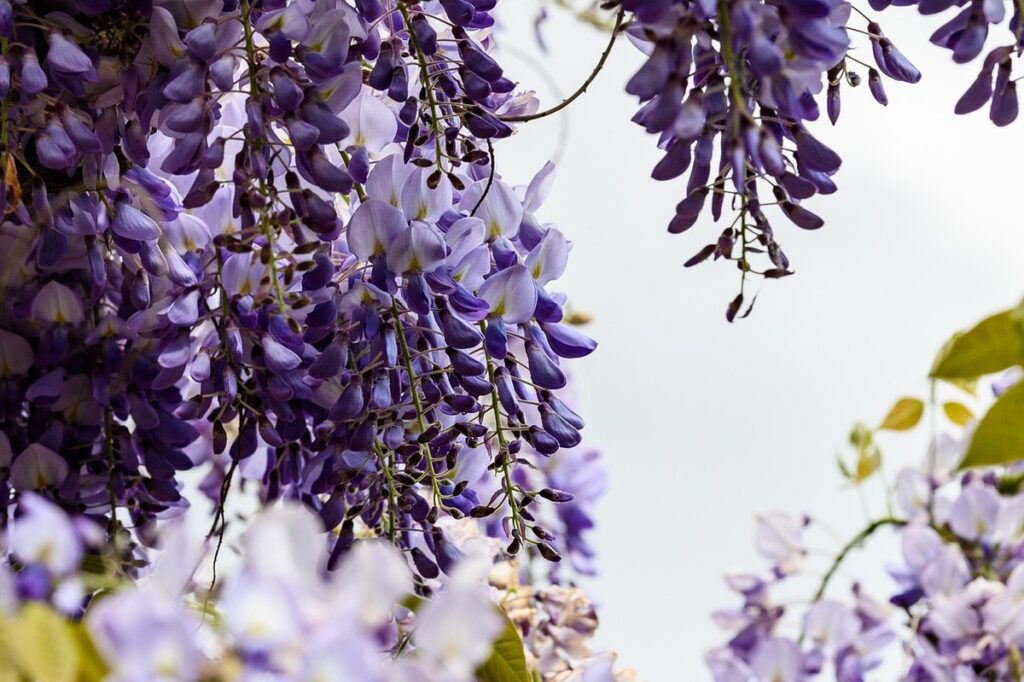
Understanding the Basics of Wisteria Flowers
Let’s start with the basics – wisteria flowers are a type of flowering plant that can be a bit tricky to understand, especially for beginners. In this next section, we’ll break down what makes them tick.
What is a Wisteria Flower?
Wisteria flowers are a type of flowering plant that belongs to the Fabaceae family, which also includes beans and peas. This unique classification may come as a surprise to some, but it’s what sets wisteria apart from other flowering plants. Within this family, there are two main types of wisteria flowers: Chinese Wisteria (Wisteria sinensis) and Japanese Wisteria (Wisteria floribunda).
Both types share many similarities, including their long, fragrant blooms that can reach up to 12 inches in length. However, Chinese Wisteria tends to bloom earlier in the season, while Japanese Wisteria blooms later. Additionally, Japanese Wisteria has a more delicate, sinuous shape, whereas Chinese Wisteria has a more vigorous growth habit.
When it comes to recognizing wisteria flowers, look for their distinctive drooping clusters of purple, blue, or white blooms. These beautiful flowers are a sight to behold and can add a touch of elegance to any garden or landscape. With proper care and attention, wisteria flowers can thrive in USDA zones 5-9, making them a popular choice among plant enthusiasts.
Types of Wisteria Flowers
Wisteria flowers come in various forms, each with its unique characteristics and growth habits. One of the most common types is Asian wisteria (Wisteria brachybotrys), which produces shorter racemes compared to other varieties. It’s a great choice for smaller spaces due to its compact growth habit. On the other hand, Chinese wisteria (Wisteria sinensis) is known for its long, fragrant flowers that can grow up to 18 inches in length.
Another type of wisteria flower is American wisteria (Wisteria frutescens), which thrives in humid environments and produces shorter racemes. It’s a low-maintenance option that tolerates drought conditions well. When selecting a variety, consider factors such as climate, soil type, and available space.
When choosing between these types of wisteria flowers, remember to research their specific needs to ensure the best results. For instance, Asian wisteria prefers well-draining soil, while Chinese wisteria can tolerate wet conditions. Understanding the unique characteristics of each variety will help you select the perfect one for your garden or landscape project.
Some popular varieties include ‘Prairie Blue’, ‘Amethyst Falls’, and ‘Blue Moon’. These cultivars offer beautiful blooms in shades of blue, purple, and pink, adding a pop of color to any setting. With so many options available, it’s essential to choose the right type of wisteria flower that suits your lifestyle and gardening preferences.
Growing Wisteria Flowers: Tips and Tricks
Getting wisteria flowers to bloom can be a challenge, but with the right techniques, you’ll be enjoying their stunning beauty in no time. This section shares expert advice on coaxing blooms from your Wisteria plant.
Choosing the Right Location
When choosing a location for growing wisteria flowers, it’s essential to consider two critical factors: sunlight and soil conditions. Wisteria requires full sun to partial shade, depending on the specific variety you’re cultivating. If you live in a region with hot summers, make sure to provide your wisteria with some afternoon shade to prevent scorching.
In terms of soil, wisteria thrives in well-draining soil that’s rich in organic matter. A mix of compost and perlite or sand will provide the necessary drainage and fertility for your plant to grow vigorously. Avoid planting wisteria in low-lying areas where water tends to collect, as this can lead to root rot.
To give your wisteria the best chance at success, choose a location that receives direct sunlight for at least six hours a day. This will allow the plant to photosynthesize and produce an abundance of flowers. Additionally, consider planting wisteria near a structure or trellis to provide support as it grows, keeping in mind the mature size of the plant when selecting its final position.
Planting and Caring for Wisteria
When planting and caring for wisteria flowers, it’s essential to get the basics right. Start by choosing a location with full sun to partial shade and well-draining soil. Dig a hole that’s twice as wide and just as deep as the root ball of the plant, incorporating organic matter like compost or manure to improve soil fertility.
To promote healthy growth, prune your wisteria in late winter or early spring, removing any dead, diseased, or damaged branches. Cut back long vines to about 12-18 inches from the ground, and trim back flower buds on new shoots to encourage a strong, balanced structure.
Watering is also crucial: keep the soil consistently moist during the first growing season, but avoid overwatering in subsequent years. Aim for about 1 inch of water per week, either through rainfall or irrigation. Regular mulching will help retain moisture and suppress weeds. With proper care and attention, your wisteria should thrive, producing a profusion of vibrant flowers in no time.
For example, regular pruning can increase flowering by up to 50% within just two years. By following these simple steps and making adjustments as needed, you’ll be well on your way to growing a stunning, thriving wisteria display.
Benefits of Having Wisteria Flowers in Your Garden
Adding wisteria flowers to your garden can bring numerous benefits, from attracting pollinators and adding fragrance to creating a stunning visual display.
Attracting Pollinators and Wildlife
Wisteria flowers are a haven for pollinators and wildlife, making them an excellent addition to any garden. As they bloom, these fragrant flowers attract a variety of insects, including bees, butterflies, and hummingbirds, which are essential for the local ecosystem’s health.
The impact of wisteria on local ecosystems is multifaceted. Firstly, their long, drooping clusters provide a rich source of nectar and pollen, which support the livelihoods of various pollinators. Secondly, the flowers’ scent attracts these insects, drawing them to your garden and increasing the chances of successful pollination. This, in turn, can boost crop yields in nearby gardens or orchards.
To maximize the benefits of wisteria for wildlife, plant multiple vines in a sunny spot, allowing them to spread out and provide an extensive bloom period. This will create a vibrant, dynamic ecosystem that supports local biodiversity. By incorporating wisteria into your garden, you’ll not only enjoy their stunning beauty but also contribute to the well-being of your community’s flora and fauna.
Aesthetic Value and Decorative Uses
Wisteria flowers bring a touch of elegance and sophistication to any garden or landscape. One of the most significant benefits of having wisteria flowers is their aesthetic value, which can enhance the visual appeal of your outdoor space. Their fragrant blooms come in a range of colors, from soft pastels to vibrant purples, making them a versatile choice for adding color and interest to your garden.
When it comes to using wisteria as a decorative element, consider training the vines to climb up trellises or arbors. This not only adds visual appeal but also provides structure and support for the plant’s sprawling growth habit. Alternatively, you can allow the vines to cascade down walls or pergolas, creating a beautiful, flowing effect.
To maximize the aesthetic value of wisteria flowers, choose a variety that suits your garden’s climate and conditions. For example, Japanese wisteria (Wisteria floribunda) is well-suited for cooler climates, while Chinese wisteria (Wisteria sinensis) thrives in warmer temperatures. By selecting the right variety and incorporating it into your garden design, you can enjoy a stunning display of fragrant blooms that will add beauty and charm to your outdoor space.
Wisteria Flowers in Different Cultures and Traditions
Wisteria flowers have played a significant role in various cultures around the world, holding different meanings and significance depending on where they’re appreciated. Let’s explore how this beautiful bloom is celebrated globally.
Symbolism and Meaning
Wisteria flowers have been imbued with rich symbolism and meaning across various cultures. In Japan, for instance, wisteria is known as “fuji” and represents the fleeting nature of life and beauty. The flower’s short blooming period serves as a poignant reminder to cherish each moment.
In China, wisteria is associated with good fortune, prosperity, and longevity. During traditional Chinese weddings, it’s not uncommon for couples to exchange wisteria flowers as a symbol of their commitment to one another. This cultural significance is also reflected in the use of wisteria motifs in traditional Chinese architecture and art.
In Western cultures, wisteria often represents secrecy, modesty, and elegance. Its fragrant purple blooms evoke feelings of romance and nostalgia. By incorporating wisteria flowers into your wedding decor or gifting them to loved ones, you can tap into these symbolic meanings and add a touch of elegance to any occasion. Whether used in floral arrangements, perfumes, or as a decorative element, the beauty and significance of wisteria flowers transcend cultural boundaries.
Traditional Uses and Folklore
In many cultures, wisteria flowers have been valued not only for their beauty but also for their versatility. In traditional medicine, the flowers, leaves, and roots of the wisteria plant are used to treat a range of ailments, from fever and rheumatism to skin conditions and even snake bites. For example, in Chinese medicine, the flowers are said to balance the body’s energy, or “qi,” while the roots are used to treat digestive issues.
In addition to their medicinal uses, wisteria flowers have been employed in various crafts and rituals across cultures. In Japan, the fragrant flowers are used in traditional tea ceremonies, where they add a subtle yet distinctive flavor to the beverage. In Korea, wisteria is often used in wedding decorations due to its symbolic meaning of good fortune and marital harmony.
You can also use wisteria flowers in your own crafts, such as making wreaths or potpourri. To dry the flowers, simply tie them in small bunches and hang them upside down in a warm, dry place. Once they are completely dry, you can use them to add fragrance and beauty to your home decor.
Troubleshooting Common Issues with Wisteria Flowers
When growing wisteria flowers, problems can arise, and knowing how to troubleshoot common issues will help you get your vines back on track. We’ll tackle these issues together in this section.
Pests and Diseases
Wisteria flowers can be prone to various pests and diseases that may cause damage to the plant. Common issues include aphids, whiteflies, spider mites, and caterpillars. These pests feed on the sap of the wisteria plant, causing curled or distorted leaves, and stunted growth.
To identify these pests, look for signs such as sticky honeydew droplets, eggs on the underside of leaves, or actual insects on the plant. Regularly inspect your wisteria plant during the growing season to catch any infestations early.
Some common diseases that affect wisteria include powdery mildew, black spot, and root rot. These can be caused by overwatering, poor air circulation, or high humidity. To prevent these issues, ensure good air circulation around your wisteria plant, water it carefully, and avoid overhead watering.
When managing pests and diseases, use organic methods whenever possible. For example, spray soapy water on aphids to repel them. Prune any infested areas of the plant to prevent further damage. Regularly inspecting your wisteria plant will help you catch any issues before they spread.
Common Problems and Solutions
Gardeners often face common issues when growing wisteria flowers. One of the most prevalent problems is leaf spot, a fungal disease that causes brown spots on the leaves. To prevent leaf spot, ensure good air circulation around the plant by pruning nearby vegetation and providing adequate space for air to circulate.
Another issue you might encounter is powdery mildew, a fungal infection that results in a white, powdery coating on the leaves. This can be treated with fungicides or by removing affected areas from the plant. Regularly inspecting your wisteria flowers for signs of disease and taking prompt action will help prevent the spread.
Maintaining proper watering habits is also crucial to preventing problems like root rot and overwatering-related issues. Make sure to water your wisteria plants deeply but infrequently, allowing the soil to dry out slightly between waterings. Regular pruning can also help promote healthy growth and reduce the risk of disease. By being aware of these potential problems and taking proactive steps, you can enjoy a thriving and beautiful wisteria flower display in your garden.
Conclusion: Enjoying the Beauty of Wisteria Flowers
As you’ve learned about the beauty and complexity of wisteria flowers, it’s time to enjoy their splendor. Plant them in a spot that receives full sun to partial shade, and make sure they have a trellis or arbor to climb on. This will not only add visual interest but also create a romantic ambiance.
To truly appreciate the beauty of wisteria flowers, take your time to observe their unique characteristics. Notice how the drooping clusters of purple flowers cascade down, creating a breathtaking display of color and texture. Take a moment to appreciate the delicate fragrance that fills the air when they bloom.
Now that you know how to care for and appreciate these stunning flowers, go ahead and create your own wisteria haven. Whether it’s in your garden or indoors, the beauty of wisteria flowers is sure to bring joy and serenity into your life.
Frequently Asked Questions
Can I grow wisteria flowers in containers or do they need a lot of space?
Yes, you can grow wisteria flowers in containers, but be aware that it may require more frequent watering and fertilization. Choose a large container with good drainage and make sure the plant has enough support to climb up a trellis or arbor. With proper care, wisteria can thrive in containers and add beauty to your balcony or patio.
What are some common pests that affect wisteria flowers?
Wisteria is susceptible to aphids, whiteflies, and spider mites. To prevent infestations, keep the plant clean by removing any dead or dying leaves or flowers. Regularly inspect your plants for signs of pests and treat them promptly with insecticidal soap or neem oil.
Can wisteria flowers be grown in areas with full sun to partial shade?
Wisteria prefers full sun but can tolerate partial shade. If you’re growing wisteria in an area with high temperatures, provide some afternoon shade to prevent the leaves from getting scorched. In cooler climates, wisteria can grow well in full sun.
How often should I water my wisteria flowers during hot weather?
Wisteria needs consistent moisture, especially when it’s producing blooms. Water your wisteria regularly, but avoid overwatering, which can lead to root rot and other problems. Check the soil daily and water only when the top inch of soil feels dry.
Can I propagate wisteria flowers from seed or is grafting necessary?
Wisteria can be propagated from seed, but it’s not always reliable, as the resulting plants may not produce blooms that resemble the parent plant. Grafting is also an option, especially if you want to ensure a specific variety of wisteria. However, air-layering and layering are more common methods for propagating wisteria.